
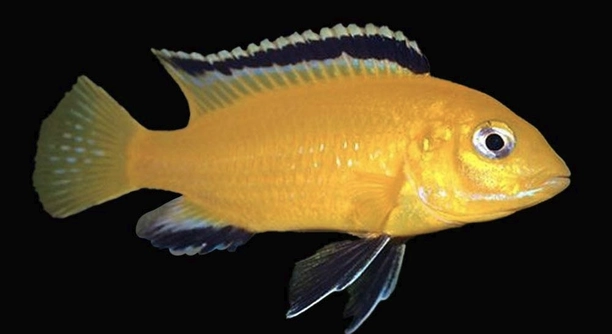
Do you have a single cichlid that needs a new home but worry about how it will adjust to a different environment? Rehoming a cichlid requires careful preparation to ensure its comfort and safety in the new tank.
The most effective adjustments for rehoming a single cichlid include maintaining consistent water parameters, providing ample hiding spots, introducing the fish gradually, monitoring its behavior closely, and minimizing stress during transportation. These steps ensure a smooth transition and support long-term health.
Making these small changes can make a big difference in your cichlid’s adaptation. Proper planning ensures a calmer, healthier transition to a new environment.
Preparing the Tank for a New Cichlid
Before introducing your cichlid to a new environment, it is crucial to prepare the tank properly. Begin by cleaning the tank thoroughly, removing any leftover debris or algae. Ensure the substrate is suitable for the species, whether sand or fine gravel, as this can affect how comfortable the fish feels. Add plenty of hiding spots, such as rocks, caves, and plants. Cichlids are territorial, and having spaces to retreat helps reduce stress and aggression. Check that all equipment, including filters and heaters, is working correctly. Maintaining stable water conditions is essential; test the water for pH, hardness, and temperature to match the fish’s previous environment. Doing this prevents sudden changes that could shock the fish. Finally, fill the tank with dechlorinated water and allow it to sit for a few hours before introducing your cichlid. Proper preparation helps the fish settle more easily and reduces the risk of health issues.
A well-prepared tank provides safety and comfort, helping your cichlid adapt without unnecessary stress.
Monitoring the fish during the first days is critical. Watch for signs of stress like hiding constantly, rapid breathing, or lack of appetite. Keep interactions minimal and avoid adding new fish immediately. Adjust decorations or hiding spots if the fish seems uncomfortable, and ensure water quality remains consistent. By observing behavior closely, you can respond quickly to any problems and make adjustments that improve your cichlid’s comfort. Gradual acclimation supports long-term health and helps the fish feel secure in its new environment, creating a stable and peaceful tank for both the newcomer and any existing inhabitants.
Acclimating Your Cichlid Slowly
Acclimation should be done slowly to prevent shock. Introduce the fish to the tank gradually.
Start by floating the sealed bag in the tank for 15 to 20 minutes, allowing the water temperature to equalize. Then, slowly add small amounts of tank water into the bag every 5 minutes for about an hour. This helps the cichlid adjust to the chemical differences in the water. Avoid pouring the bag water directly into the tank to prevent contamination. Once acclimated, gently release the fish into the tank, minimizing stress and handling. This careful process improves the chances of a smooth transition and reduces the risk of health issues.
After acclimation, continue monitoring the fish’s behavior for several days. Ensure it explores hiding spots and begins eating normally. Keep a close watch for aggression from other tank mates. Consistent water parameters and gradual adjustments allow the cichlid to adapt naturally, establishing a comfortable territory. By taking the time to acclimate properly, you support the fish’s wellbeing and create a harmonious environment that encourages healthy behavior and growth.
Adjusting Water Parameters
Water quality must match what your cichlid is used to. Check pH, temperature, and hardness before introducing the fish to reduce stress and prevent health problems.
Maintaining consistent water parameters is crucial for a smooth transition. Sudden changes in temperature or pH can cause shock and weaken the immune system. Use a reliable thermometer and test kits to monitor water regularly. Make gradual adjustments if the new tank differs from the old one. Keeping conditions stable helps your cichlid explore its environment confidently, reduces hiding, and supports proper feeding behavior. Regular partial water changes also maintain cleanliness without disrupting the balance.
Different cichlid species require specific water conditions, so knowing your fish’s needs is essential. Some tolerate slight variations, while others need strict stability. Adjust parameters slowly over days if necessary, observing the fish for stress signals. Maintaining optimal water quality promotes vibrant color, active behavior, and long-term health, making your cichlid feel secure and settled in its new environment.
Providing Proper Hiding Spots
Hiding spots reduce stress and give your cichlid control over its territory, which is essential for wellbeing.
Use rocks, caves, and plants to create multiple secure spaces. Arrange them so the fish can retreat without being trapped or cornered. Avoid sharp edges that can injure fins or scales. Vary the size of hiding spots to accommodate different behaviors, like resting or observing. Position shelters in areas with moderate water flow to prevent stagnant zones and maintain oxygenation. By providing multiple options, you allow the cichlid to choose a safe space that suits its mood and personality.
Proper hiding spots also help reduce aggression from tank mates by allowing the fish to establish its territory. Strategic placement creates natural boundaries and visual barriers, decreasing conflicts. Include both open swimming areas and secluded spots to balance exploration and security. Over time, the cichlid will feel comfortable venturing out while having immediate access to shelter if threatened. This setup supports mental stimulation, encourages natural behaviors, and contributes to long-term health in a new environment.
Gradual Feeding Adjustments
Introduce food slowly to prevent digestive stress. Start with small portions similar to what the cichlid was eating previously.
Observe the fish’s appetite during the first few days. Avoid overfeeding, as this can pollute the tank and upset the fish’s digestive system.
Minimizing Stress During Transport
Handle your cichlid gently and keep it in a secure, dark container during transport. Reduce sudden movements and avoid loud noises that can trigger stress. Maintaining stable water temperature during the trip is essential. Quick, careful transportation improves the fish’s resilience when entering a new environment.
Observing Behavior Post-Introduction
Watch how the cichlid interacts with its surroundings. Note activity levels, feeding habits, and use of hiding spots. Early detection of unusual behavior allows for prompt adjustments, supporting a smoother adaptation.
Avoiding Aggression
Monitor interactions with other fish carefully. Separate if aggressive behavior appears. Proper territory setup reduces conflict and helps your cichlid feel secure.
FAQ
How long does it take for a cichlid to adjust to a new tank?
Adjustment time varies depending on the species, tank conditions, and the individual fish’s temperament. Most cichlids begin exploring within a few days, but full adaptation can take one to two weeks. Providing stable water parameters, hiding spots, and minimal disturbances helps the process. Regular observation ensures the fish is feeding well and not showing signs of stress, such as hiding constantly, rapid breathing, or clamped fins. Patience during this period is essential, as rushing interactions or adding new fish too soon can prolong stress and delay acclimation.
Can I use the same decorations from the previous tank?
Reusing familiar decorations can help reduce stress by providing a sense of continuity. Make sure to clean them thoroughly to remove any debris, algae, or pathogens. Avoid decorations with sharp edges that could injure fins. Rearrange them slightly to allow the cichlid to explore its environment while maintaining some recognizable elements. Adding a mix of old and new hiding spots encourages natural behavior and reduces territorial aggression. Observing how the cichlid interacts with these areas can indicate comfort levels and help you adjust placement as needed.
How often should I check water parameters after rehoming?
Daily monitoring is recommended during the first week to ensure stable conditions. Check temperature, pH, ammonia, nitrite, and nitrate levels. Small fluctuations are normal, but large swings can stress the cichlid. After the initial adjustment, testing can be reduced to two or three times per week. Using reliable test kits and maintaining consistent partial water changes helps maintain balance. Keeping a log of readings can identify patterns and prevent potential problems before they affect the fish’s health.
Is it necessary to isolate the cichlid initially?
Isolation can prevent early territorial disputes, especially if you have other fish in the tank. A quarantine or separate section within the tank allows the cichlid to acclimate without confrontation. Gradually introducing it to the main tank reduces stress and helps establish territory naturally. Observe behavior during this period, ensuring the fish eats and moves normally. Isolation also allows for easier monitoring for signs of illness or stress, making adjustments before full integration. Once the fish shows confidence and regular activity, it can be introduced safely to the rest of the tank.
What should I do if the cichlid refuses to eat?
Refusal to eat often indicates stress or environmental mismatch. Check water parameters and hiding spots first. Offer familiar foods in small portions to encourage feeding. Reduce disturbances around the tank and maintain a calm environment. Sometimes, waiting a day or two is enough as the fish adjusts. If appetite does not return, review tank conditions and consider consulting a professional. Avoid overfeeding or force-feeding, as this can worsen stress and health issues. Patience and careful observation usually resolve feeding problems during the initial adaptation period.
Can I add more than one hiding spot?
Yes, multiple hiding spots are essential. Cichlids are territorial and need places to retreat. Offer a combination of caves, plants, and rocks of varying sizes. Distribute them evenly throughout the tank, allowing the fish to choose spaces freely. This setup reduces stress and aggressive interactions. It also encourages exploration and activity, promoting mental stimulation and physical health. Adjust placement over time if you notice areas being ignored or overly contested. Properly arranged shelters help the cichlid feel secure, supporting natural behavior and smoother adaptation to its new home.
How do I know if the cichlid is stressed?
Signs of stress include clamped fins, rapid gill movement, excessive hiding, and lack of appetite. Some cichlids may also show erratic swimming or color fading. Monitoring these behaviors during the first days is crucial. Adjust hiding spots, water conditions, or feeding schedules to alleviate stress. Long-term stress can lead to illness, so early intervention is important. Maintaining a calm environment with minimal disruptions and consistent care helps reduce stress and supports the fish’s overall wellbeing in its new tank.
Are water changes necessary during acclimation?
Yes, but partial water changes are recommended. Removing 10-20% of the water helps maintain cleanliness without shocking the cichlid. Ensure new water matches temperature and parameters closely. Frequent large changes can increase stress. Consistent maintenance supports health and reduces ammonia and nitrite buildup. Observing the fish after changes ensures it responds well. Proper water management during acclimation helps the cichlid adjust comfortably and prevents potential complications that could arise from sudden environmental shifts.
How can I prevent aggression from other fish?
Introduce your cichlid slowly to a community tank, ensuring plenty of hiding spots. Observe interactions closely and separate individuals if necessary. Rearrange decorations to break up sightlines and reduce territorial disputes. Providing adequate space and visual barriers helps establish territories without constant fighting. Avoid overcrowding and match tank mates carefully by size and temperament. Gradual introductions and environmental adjustments are key to maintaining a peaceful tank while allowing your cichlid to feel secure.
What food is best during the rehoming period?
Stick to familiar foods initially to reduce stress. Offer small portions of high-quality flakes, pellets, or frozen options that the cichlid has previously eaten. Avoid sudden diet changes, which can cause digestive issues. Gradually introduce new foods once the fish is comfortable. Balanced nutrition supports recovery, activity, and immune function during the transition. Observing feeding behavior ensures the cichlid is adapting well and receiving adequate nutrition. Consistency in diet during this critical period helps the fish settle and thrive in its new environment.
Rehoming a single cichlid can feel challenging, but with careful planning and attention to detail, the process becomes manageable. The most important step is preparing the new tank properly. Ensuring water parameters, temperature, and pH are stable is essential for the fish’s health. Adding appropriate hiding spots and decorations helps the cichlid feel secure and reduces stress during the initial days in its new environment. Proper acclimation is equally important. Introducing the fish slowly, gradually mixing its old water with the new tank water, and observing its reactions can prevent shock and make the transition smoother. Taking the time to monitor behavior, feeding habits, and interactions allows you to make adjustments before problems arise. Consistency in care helps the cichlid feel comfortable and encourages natural behavior in its new home.
Feeding and diet play a critical role in the cichlid’s adaptation. Start with familiar foods in small portions to prevent digestive upset. Avoid overfeeding, as excess food can pollute the tank and increase stress. Observing how the fish responds to feeding helps identify any early signs of health concerns. Gradually introducing new foods over time can expand its diet while ensuring that it remains healthy and well-nourished. Water changes and maintenance should also be consistent. Partial water changes maintain cleanliness without disrupting the established environment. Monitoring water quality regularly ensures that ammonia, nitrite, and nitrate levels remain safe, supporting the cichlid’s overall wellbeing. These small steps collectively help the fish adjust quickly and maintain good health, reducing potential complications that often arise with sudden environmental changes.
Finally, minimizing stress throughout the process is key. Reducing disturbances around the tank, maintaining a calm environment, and providing sufficient hiding spaces all contribute to a smoother transition. Careful observation of behavior is important to identify signs of stress or aggression. Adjustments, such as rearranging decorations or temporarily isolating the cichlid from other fish, may be necessary depending on its responses. Over time, the fish will settle into its territory, become more active, and feed reliably. Patience and consistent care are essential throughout the rehoming process. By focusing on water quality, tank setup, feeding, and stress reduction, you create an environment where your cichlid can thrive and enjoy a stable, healthy life in its new home.

Hello,
If you enjoy the content that we create, please consider saying a "Thank You!" by leaving a tip.
Every little bit helps us continue crafting quality advice that supports the health, happiness, and well-being of pets around the world, for pets of all shapes, sizes, and species.
We really appreciate the kindness and support that you show us!