
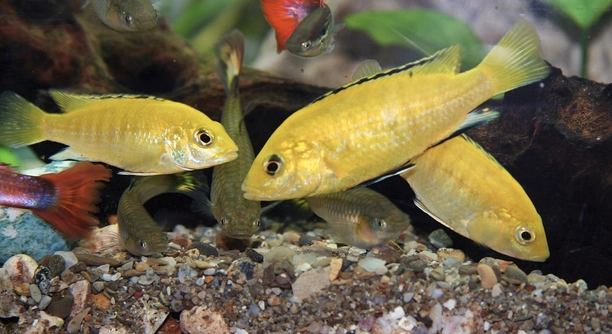
Electric Yellow Cichlids are lively and colorful fish that can brighten any home aquarium. Many fish owners enjoy their vibrant appearance but are unsure how to interact with them safely and effectively.
Training Electric Yellow Cichlids involves consistent routines and positive reinforcement techniques. Start with simple commands, gradually increase complexity, and reward desired behaviors. Maintaining proper tank conditions and monitoring their response ensures effective and sustainable learning outcomes.
Learning how to train these fish can improve your aquarium experience and strengthen the bond between you and your pets. Following clear steps makes the process easier and more enjoyable for both owner and fish.
Preparing the Tank for Training
Before starting any training, the tank environment must be stable and comfortable. Electric Yellow Cichlids respond better when water parameters, temperature, and filtration are consistent. Sudden changes can stress the fish, making training difficult. A clean tank with hiding spots reduces anxiety and encourages natural behaviors.
A well-maintained tank creates a foundation for learning. Stress-free fish are more responsive and active, which is crucial for effective training.
Check that the tank size is appropriate for the number of cichlids, usually 55 gallons or more. Provide rock formations or caves to mimic their natural environment, as they use these for security. Use a gentle water flow and maintain a temperature between 74–80°F. Ensure lighting is steady to regulate their day-night cycle. Start feeding at consistent times, so the fish learn to associate signals with food rewards. Observation is key; note how the fish react to small changes. Gradually introduce simple exercises, such as target feeding, to build confidence and reinforce positive behaviors, laying the groundwork for more advanced training later.
Using Target Training
Target training involves teaching fish to follow a stick or object. It helps build focus and responsiveness in Electric Yellow Cichlids.
Introduce the target slowly, allowing the fish to explore it. Reward any approach to the target with small food treats to reinforce interest. Consistency in this method is essential to form a clear association.
Start by holding the target near the fish for a few seconds and rewarding even minor attention toward it. Repeat this multiple times a day in short sessions to avoid overwhelming them. Gradually, move the target around the tank, encouraging the fish to swim toward it. Pairing this action with a gentle verbal cue or hand gesture strengthens recognition. Over time, the cichlids will follow the target reliably. This method can be extended to more complex exercises, like swimming through hoops or moving to specific areas. The process strengthens their learning ability and creates predictable behaviors, which can help in tank management and feeding routines. Successful target training builds trust between you and your fish, ensuring a smoother and more interactive aquarium experience.
Positive Reinforcement
Rewards encourage Electric Yellow Cichlids to repeat behaviors. Small, high-quality food treats work best. Avoid overfeeding, as it can harm their health and reduce motivation.
Timing is critical. Offer the reward immediately after the desired action. Consistency helps the fish connect the behavior with the treat. Avoid using treats for random actions to prevent confusion. Keep sessions short and frequent to maintain interest and avoid stress. Over time, the fish learn to associate specific signals with positive outcomes, increasing training effectiveness. Use varied rewards occasionally to maintain engagement. Positive reinforcement strengthens the bond with your fish while improving learning outcomes.
Keep a record of what works best for each fish. Some respond more to movement cues, while others react better to visual or tactile prompts. Note the times of day when they are most active, as this can impact performance. Adjust reward size according to their response; smaller, frequent rewards often work better than larger, occasional ones. Avoid introducing new foods during training unless tested separately. Monitor their overall health and behavior to ensure training remains a positive experience and does not induce stress or fatigue. Adapting techniques to each fish ensures steady progress.
Consistency in Training
Consistency allows Electric Yellow Cichlids to understand expectations and respond predictably. Regular schedules and uniform cues help reinforce learning.
Train at the same time daily. Use identical signals and gestures for specific behaviors. Avoid mixing commands, which can confuse the fish. Short, repeated sessions are more effective than long, sporadic attempts. Observe progress and adjust difficulty gradually. Consistency also involves tank conditions. Stable water quality, lighting, and feeding routines make the fish more receptive. Over time, trained behaviors become reliable and natural. Consistency builds both skill and confidence in the fish, making daily interactions smoother and training more effective.
Gradual Progression
Increase training difficulty slowly. Start with simple tasks and only move to advanced exercises once the fish respond reliably. Avoid rushing, as sudden changes can stress them.
Observe each fish carefully. Some may need more time to master basic behaviors before advancing. Patience ensures consistent learning and reduces frustration for both you and the fish.
Interactive Exercises
Introduce exercises like following a moving target or swimming through obstacles. These activities enhance mental stimulation and physical activity.
Begin with one new exercise at a time. Use short sessions, rewarding any correct response immediately. Gradually increase complexity as the fish show consistent understanding. Interactive exercises maintain engagement, strengthen learning, and improve responsiveness to cues. Regular practice improves agility and focus while keeping their daily routine interesting and dynamic.
Monitoring Behavior
Keep track of training progress and fish reactions. Note improvements, challenges, and responsiveness to cues.
Regular monitoring helps adjust techniques, ensures the fish remain healthy, and prevents stress during training.
FAQ
How long does it take to train Electric Yellow Cichlids?
Training time varies depending on the fish and consistency of sessions. Most cichlids start responding to simple cues within a few weeks, while more complex behaviors may take several months. Short, regular sessions increase success and reduce stress. Each fish progresses at its own pace.
Can Electric Yellow Cichlids recognize their owner?
Yes, these cichlids can learn to associate a person with feeding and positive interactions. Regular, gentle handling or consistent presence near the tank helps them recognize movements and routines, strengthening the connection and making training more effective.
What types of rewards work best?
Small, nutritious food items are ideal. Pellets, frozen or live foods like brine shrimp, and occasional treats are effective. Avoid overfeeding, as this can reduce motivation and harm health. Rotate rewards occasionally to keep the fish engaged and responsive.
How often should training sessions occur?
Short sessions, around 5–10 minutes, once or twice a day are sufficient. Longer or irregular sessions can stress the fish or reduce interest. Consistency in timing and duration reinforces learning while maintaining the fish’s well-being.
Is it necessary to use targets for training?
Targets are helpful but not mandatory. They guide focus and create a clear visual cue. Some fish may respond better to hand signals or movements near the tank. Observe individual preferences to choose the most effective method.
Can multiple cichlids be trained at once?
Yes, but start with one fish to avoid confusion. Once basic behaviors are established individually, group training can be introduced. Monitor interactions carefully to prevent aggression or competition over rewards.
What are common mistakes to avoid?
Rushing exercises, inconsistent rewards, or changing commands frequently can confuse the fish. Overfeeding or neglecting tank conditions also reduces training effectiveness. Patience and observation are key to avoiding frustration for both you and your fish.
Will training reduce aggression in cichlids?
Training can help manage behavior but does not eliminate natural territorial tendencies. Structured exercises and consistent routines can redirect energy and reduce conflicts, especially when multiple cichlids share a tank with sufficient hiding spaces.
Do Electric Yellow Cichlids get bored during training?
Yes, repetition or overly long sessions can lead to boredom or stress. Vary exercises, keep sessions brief, and introduce occasional new challenges to maintain interest and engagement.
Can I train cichlids without any prior experience?
Absolutely. Start simple, observe your fish carefully, and follow step-by-step techniques. With patience and consistency, even beginners can successfully train Electric Yellow Cichlids while improving their aquarium experience.
Final Thoughts
Training Electric Yellow Cichlids can be a rewarding experience when approached with patience and consistency. These fish are intelligent and responsive, and with the right techniques, they can learn simple commands and routines. The key is to create a stable environment and maintain regular sessions, allowing the fish to understand expectations and respond confidently. Tank conditions play a major role in their ability to learn. Clean water, steady temperature, and proper filtration reduce stress, which in turn makes the fish more willing to engage with training exercises. Providing hiding spots or caves also helps them feel secure, allowing them to focus on learning rather than seeking refuge. Small, consistent steps are far more effective than attempting advanced tricks too quickly.
Using positive reinforcement is essential in training Electric Yellow Cichlids. Offering small food rewards immediately after the desired behavior helps them connect the action with a positive outcome. It is important to avoid overfeeding and to select nutritious treats appropriate for their diet. Timing and consistency in rewards strengthen learning and maintain the fish’s interest in exercises. Short, frequent training sessions are more productive than long, infrequent ones. These sessions can include activities such as target following or swimming through simple obstacles. Keeping the training varied and engaging prevents boredom and encourages active participation. Observing each fish’s unique personality and adapting techniques accordingly ensures steady progress without causing stress or frustration.
Consistency and patience are critical throughout the training process. Electric Yellow Cichlids respond best to routines, uniform commands, and repeated practice. Tracking progress helps identify what works and what needs adjustment. Some fish may take longer to respond than others, and recognizing their individual pace is important for successful training. Over time, these exercises not only improve their responsiveness but also enhance their overall well-being and engagement in the tank. Training provides mental stimulation, strengthens your connection with the fish, and makes daily care and feeding more manageable. By following structured steps and maintaining a supportive environment, training Electric Yellow Cichlids becomes an achievable and enjoyable part of aquarium keeping.

Hello,
If you enjoy the content that we create, please consider saying a "Thank You!" by leaving a tip.
Every little bit helps us continue crafting quality advice that supports the health, happiness, and well-being of pets around the world, for pets of all shapes, sizes, and species.
We really appreciate the kindness and support that you show us!