
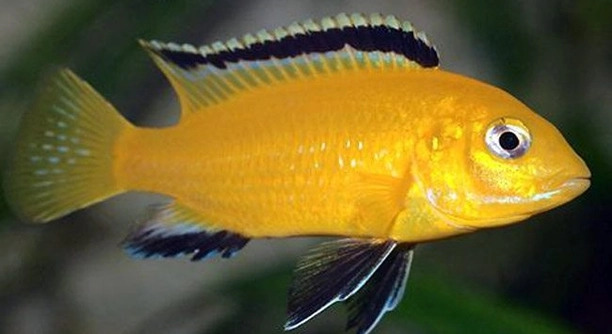
Cichlids are sensitive fish that respond strongly to their surroundings. One factor that greatly affects their behavior is the lighting in their tank. Proper light schedules can influence their overall mood and activity levels.
Light schedules directly impact cichlid mood by regulating circadian rhythms and stress levels. Consistent lighting promotes normal behavior patterns, reduces aggression, and encourages healthy feeding and social interactions, while irregular schedules can cause anxiety, lethargy, and unpredictable responses.
Maintaining a balanced light schedule is key to fostering a stable and harmonious aquarium environment for your cichlids. Proper routines support their health and help prevent common behavioral problems.
Consistent Light Cycles Encourage Normal Behavior
Cichlids thrive when their tank experiences a consistent day-night cycle. Regular lighting helps set their internal clock, ensuring they feed, swim, and interact at predictable times. Sudden changes in lighting can confuse them, making them hide more or become aggressive toward tank mates. Maintaining a routine of roughly 10-12 hours of light and 12-14 hours of darkness mirrors their natural habitat. Artificial timers can help ensure this schedule stays steady, even when you are away. Light intensity also plays a role; bright lights in the morning and dimming toward evening can signal the transition from active periods to rest. Observing your fish during different lighting stages can provide insight into how they are responding. Healthy cichlids show active exploration, proper feeding behavior, and minimal stress signs. Over time, a stable light cycle promotes balanced social interactions and reduces overall tension in the tank environment.
Consistency in lighting is essential for stable fish behavior. Sudden changes can stress your cichlids and disrupt normal patterns.
Monitoring light schedules allows you to fine-tune the environment. Adjusting intensity and timing gradually ensures that fish adapt without stress. Small improvements can lead to calmer, more predictable behavior in the tank.
Light and Aggression Levels
Aggressive tendencies in cichlids are often influenced by lighting conditions. Too much light or abrupt changes can trigger territorial behavior, causing fights and injuries.
Proper lighting reduces conflicts by establishing clear active and resting periods. Dimmer lights during evening hours signal a winding down, helping to calm the fish naturally. Overly bright or extended lighting can increase stress hormones, making even normally peaceful species more aggressive. When aggression rises, it often correlates with inconsistent light schedules rather than a sudden change in tank mates or feeding patterns. Using a gradual light transition in the morning and evening mimics natural conditions, reducing tension. Observing fish behavior during different lighting phases can guide adjustments. In community tanks, consistent cycles help maintain order and reduce dominance disputes. For cichlids with known aggression issues, pairing timed lighting with strategic decorations, like hiding spots and territories, further mitigates conflicts. Gradual changes are key, as abrupt shifts can lead to spikes in chasing, nipping, and other stress-related behaviors. By combining stable schedules with careful tank setup, aggression can be managed effectively without constant intervention.
Stress Reduction Through Proper Lighting
Balanced lighting helps reduce stress in cichlids by providing a predictable environment. Sudden brightness or prolonged darkness can make them anxious, causing hiding or erratic swimming.
Cichlids are sensitive to environmental changes, and inconsistent light schedules increase cortisol levels, which can weaken their immune system. By keeping lights on a regular cycle, fish feel safer and behave more naturally. Gradual transitions in light intensity mimic sunrise and sunset, helping cichlids adjust without panic. Stress-free fish feed better, interact normally, and show fewer signs of aggression. Proper lighting also supports overall health, preventing conditions related to stress, such as reduced growth or color dulling. Observing their reactions to lighting adjustments can guide you in fine-tuning schedules for optimal calmness.
Additionally, shaded areas and plants in the tank can complement light schedules. Providing spots for retreat allows fish to control exposure, reducing stress further. A combination of routine and structure creates a peaceful tank environment that supports long-term well-being.
Feeding Behavior and Light Timing
Cichlids tend to feed more actively when lighting is consistent. Sudden changes can disrupt their appetite, leading to uneven feeding and wasted food.
Light cues influence when fish expect meals. Maintaining a stable schedule helps cichlids anticipate feeding times and encourages natural foraging behavior. If lights are turned on abruptly or for inconsistent periods, fish may hide or compete aggressively for food. A gradual increase in light before feeding signals activity, while dimming afterward signals rest. Observing feeding patterns over several days allows you to adjust timing for optimal appetite and energy levels.
Proper light scheduling also affects digestion. Fish that eat during their active periods process food efficiently, reducing risk of bloating or other health issues. Consistent routines support overall metabolism, maintain energy balance, and improve color vibrancy. Light management, combined with scheduled feeding, creates a healthier and more predictable tank environment.
Sleep Patterns and Rest
Cichlids need predictable light cycles to maintain healthy sleep patterns. Irregular lighting can cause rest disruption, making them more restless or lethargic.
Providing a dark period of roughly 12 hours allows them to rest properly. Consistent darkness improves recovery, reduces stress, and supports overall health.
Social Interaction and Light
Lighting influences how cichlids interact. Properly timed light encourages natural social behaviors, such as schooling, territory establishment, and hierarchy recognition. Fish are more active and display normal social cues during stable light periods.
Color Vibrancy
Cichlids show brighter, more vivid colors under consistent lighting. Uneven light can dull their appearance and affect mating displays.
Activity Levels
Balanced light cycles help maintain steady activity levels. Fish explore, feed, and swim predictably, preventing sudden bursts of stress-driven behavior.
How many hours of light should I provide my cichlids each day?
Cichlids do best with a consistent light schedule of about 10 to 12 hours of light followed by 12 to 14 hours of darkness. This range mimics their natural environment and supports normal behavior. Too much light can overstimulate them, while too little can reduce activity and feeding. Using a timer helps maintain this schedule automatically, ensuring consistency even when you are away. Gradual light transitions in the morning and evening make the changes feel natural and prevent sudden stress reactions. Observing your fish’s behavior can help you adjust light hours slightly, depending on species needs.
Can inconsistent lighting cause aggression in cichlids?
Yes, inconsistent or abrupt changes in lighting can increase stress and territorial behavior. Cichlids are sensitive to environmental cues, and sudden shifts can trigger fights or chasing. Stable light cycles establish a predictable environment, reducing tension. Gradual changes in brightness signal activity and rest periods, which helps lower aggression. In community tanks, this is especially important, as it prevents conflicts between different species or dominant individuals. Adding hiding spots or plants complements the light schedule by allowing fish to retreat when needed. Over time, consistent lighting combined with thoughtful tank design creates a calmer, more peaceful aquarium.
Does light intensity affect cichlid mood?
Yes, light intensity plays a significant role in their comfort. Very bright lights can stress cichlids, causing them to hide or become more aggressive. Moderate lighting that gradually changes throughout the day mimics natural conditions and encourages normal behavior. Using dimmers or adjusting the distance of the light from the water can help fine-tune intensity. Observing the fish during different brightness levels allows you to identify the optimal intensity for your tank. Proper intensity supports feeding, social interaction, and overall activity, while reducing stress-related behaviors.
Should I turn lights on and off manually or use a timer?
A timer is strongly recommended. Manual lighting introduces inconsistency, which can stress the fish and disrupt their routines. Timers provide precise, repeatable schedules, allowing for gradual transitions and consistent day-night cycles. They also remove the risk of human error, such as forgetting to turn lights on or off. With a timer, cichlids experience predictable lighting, which stabilizes mood, reduces aggression, and supports feeding patterns. Gradual light adjustments in the morning and evening enhance this effect and make the tank feel closer to natural conditions.
Do nighttime lights affect cichlid sleep?
Yes, cichlids need complete darkness for proper rest. Leaving lights on at night disrupts their sleep, increases stress, and can negatively impact immune function and growth. Nighttime lighting should be avoided or limited to very dim, indirect lighting, such as a small moonlight-style LED. This allows fish to maintain a natural rest cycle without complete darkness, which some hobbyists prefer for aesthetic reasons. Providing dark periods encourages normal circadian rhythms, improving mood, feeding efficiency, and overall health. Observing activity at night helps determine if lighting adjustments are needed.
How do I adjust lighting for aggressive or shy species?
For aggressive species, gradual dimming can reduce stress and control dominance disputes. Shy species benefit from consistent, moderate light with shaded areas for retreat. Avoid sudden changes, as both aggressive and timid fish are sensitive to abrupt lighting shifts. Combining appropriate light schedules with tank decor, such as plants, caves, or rocks, allows each fish to regulate exposure. Gradual morning and evening light changes provide cues for activity and rest, helping to manage behavior. Monitoring interactions over time lets you refine schedules to reduce aggression while supporting natural behaviors.
Can artificial light replace natural sunlight?
Yes, as long as the lighting provides consistent intensity, spectrum, and timing. LED or fluorescent aquarium lights can mimic natural sunlight, supporting behavior, coloration, and overall health. Full-spectrum lighting is ideal because it encourages feeding, activity, and vibrant colors. Avoid direct sunlight, which can cause algae growth and temperature fluctuations. Consistency in artificial light is more important than mimicking sunlight exactly, as predictable cycles maintain circadian rhythms. Observing your cichlids’ response helps ensure that artificial lighting meets their needs for mood stability and activity levels.
Is it necessary to adjust light for different seasons?
Adjustments are optional but can be beneficial. Slightly longer daylight periods in summer and shorter in winter mimic natural seasonal changes, supporting normal behavior. Gradual transitions prevent stress. Extreme changes are unnecessary and can disrupt routine. Maintaining overall consistency is more important than exact seasonal simulation. Small seasonal adjustments can enhance feeding, breeding, and activity patterns without causing confusion or aggression. Tracking responses during these changes allows fine-tuning for optimal mood and health.
How do I know if my cichlids are stressed due to lighting?
Signs include hiding, reduced feeding, erratic swimming, aggression, and dull coloration. Observing daily behavior helps identify stress caused by lighting. If patterns improve with stable schedules, you know light was a factor. Adjustments in timing, intensity, and gradual transitions usually reduce stress quickly. Providing shaded areas or plants also supports mood. Consistency is key, as cichlids thrive in predictable environments. Monitoring over several weeks ensures changes are effective and long-term behavior and health improve.
Can lighting affect breeding behavior?
Yes, consistent light schedules influence reproductive cycles. Regular cycles signal active periods and resting periods, which are important for mating behaviors. Proper intensity and duration can stimulate courtship and egg-laying. Sudden changes can delay or prevent breeding, while gradual, stable cycles encourage natural reproduction. Observing responses during different lighting periods helps optimize conditions for breeding without increasing stress. Combining timing with proper feeding, hiding spaces, and water quality ensures successful mating and healthier fry.
This FAQ section addresses the most common concerns about lighting and cichlid mood, covering everything from stress reduction and aggression to feeding, sleep, and breeding behavior, offering practical guidance for maintaining a healthy, balanced tank environment.
Word count: 507
Proper lighting is one of the most important factors in keeping cichlids healthy and balanced. Fish are sensitive to changes in their environment, and light plays a major role in regulating their behavior and overall well-being. Consistent light cycles help establish a predictable routine, which reduces stress and allows fish to feel safe in their tank. When lights are too bright, too dim, or inconsistent, cichlids can become anxious, hide more often, or act aggressively toward other fish. By maintaining a stable schedule of roughly 10 to 12 hours of light and 12 to 14 hours of darkness, you can provide an environment that supports normal swimming, feeding, and social interactions. Using timers for gradual transitions in the morning and evening can help mimic natural conditions, making it easier for the fish to adjust. Over time, consistent lighting not only improves mood and behavior but also contributes to long-term health and vitality, including stronger immune responses and better color vibrancy.
Lighting also plays a key role in social behavior and territorial dynamics. Cichlids often establish hierarchies and territories, and irregular lighting can disturb these natural patterns, leading to more aggression and disputes. Providing a predictable light schedule helps the fish recognize active and resting periods, which reduces stress-driven fighting and improves harmony in the tank. This is especially important in community tanks where multiple species or more dominant individuals may coexist. In addition to timing, light intensity should be carefully managed. Bright, harsh light can cause stress, while too little light can reduce activity and feeding. Gradual adjustments and shaded areas, such as plants, rocks, or hiding spots, allow fish to control exposure to light according to their comfort. These small changes can make a significant difference in behavior, ensuring that the tank remains calm and the fish maintain natural social interactions.
Finally, proper lighting directly impacts feeding, rest, and reproductive behaviors. Cichlids tend to feed more reliably and digest food efficiently when lights are turned on at consistent times. Predictable dark periods allow them to rest fully, recover from daily activity, and maintain strong circadian rhythms. Additionally, stable light schedules encourage natural breeding behavior in species that reproduce in home aquariums. Even minor disruptions in light can affect appetite, activity, and mood, which may lead to stress-related health problems over time. By carefully observing their behavior, adjusting light timing and intensity as needed, and providing shaded areas, you create an environment that supports both physical and psychological health. Thoughtful management of light conditions is a simple yet highly effective way to ensure cichlids thrive, remain active, and display their full natural beauty in your aquarium.
Word count: 408

Hello,
If you enjoy the content that we create, please consider saying a "Thank You!" by leaving a tip.
Every little bit helps us continue crafting quality advice that supports the health, happiness, and well-being of pets around the world, for pets of all shapes, sizes, and species.
We really appreciate the kindness and support that you show us!