
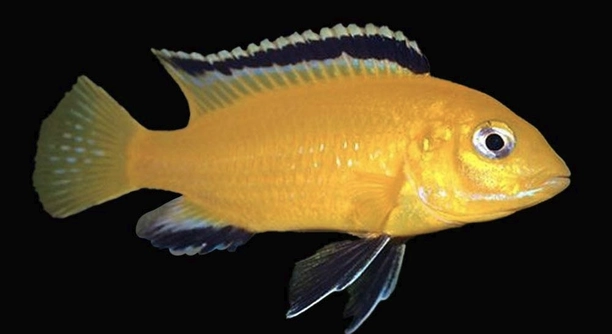
Are your cichlids showing signs of stress or aggression in their tank? Many aquarists struggle to create an environment that supports both the health and happiness of these vibrant fish. Proper tank design plays a key role.
Optimizing tank layout for cichlids involves providing adequate space, hiding spots, and territory boundaries. Incorporating rocks, caves, and varied substrates reduces stress, encourages natural behaviors, and minimizes conflict, ultimately fostering a stable and enriching environment for these fish.
Implementing thoughtful design choices can transform your tank into a peaceful, stimulating home for cichlids, enhancing their behavior and overall well-being in the long term.
Provide Ample Hiding Spots
Cichlids are territorial and often need spaces to retreat. Rocks, caves, and dense plant areas give them comfort and reduce stress. I noticed when I added extra caves, the fish seemed calmer, exploring freely without constant chasing. Hiding spots are not just for safety; they encourage natural behaviors like breeding and territorial displays. Even small caves or overhangs make a difference in creating micro-territories that lower tension. Incorporating varied substrates can also help, as cichlids enjoy digging and moving sand or gravel. Rearranging elements occasionally keeps the environment stimulating. Avoid overcrowding rocks, which can block swimming paths or trap fish. Decorations should be stable, preventing collapses that might injure your cichlids. Smooth surfaces and rounded edges reduce the risk of fin damage during territorial disputes. Planting hardy aquatic plants near hiding areas adds cover without constant maintenance. Overall, a well-structured tank with hiding options improves fish behavior and creates a balanced environment.
Adding caves and hiding spots reduces stress and encourages natural behavior, making the tank more harmonious and lively for cichlids.
Micro-territories are essential for cichlid well-being. Each fish benefits from having its own space, decreasing aggressive interactions. Using rocks, driftwood, or artificial caves creates these zones efficiently. Different textures and heights in hiding spots also make the tank more engaging. Dense planting combined with caves allows timid cichlids to feel secure while still observing the tank. Shifting some decorations occasionally refreshes the environment, preventing boredom. Substrate variation like sand or fine gravel encourages digging and natural foraging behavior. Ensuring secure placement of decorations avoids injuries during territorial disputes. For breeding species, caves are particularly important, offering a safe location for eggs or fry. Strategically placing hiding areas at various levels supports hierarchical structures without constant fighting. Even for peaceful cichlids, retreats reduce stress, improving color vibrancy and appetite. Overall, investing time in thoughtful placement benefits both fish health and their social dynamics, creating a thriving aquarium ecosystem.
Maintain Proper Water Conditions
Consistent temperature, pH, and hardness are crucial for cichlids. Sudden changes stress fish and can lead to illness. Regular testing helps keep the environment stable. I always keep spare kits for emergencies.
Maintaining stable water parameters prevents disease and supports natural behavior, ensuring cichlids stay active and vibrant in the long term.
Water quality impacts every aspect of cichlid health. Regular water changes remove excess nutrients and waste, preventing algae growth and maintaining clarity. Using a reliable filtration system ensures toxins are reduced efficiently, and adjusting flow rates prevents overly strong currents that can tire fish. Monitoring pH, hardness, and temperature daily allows early intervention if levels fluctuate. Some cichlid species have specific preferences, so research is necessary to match conditions to their needs. Conditioning tap water with dechlorinators or using RO water where needed can prevent chemical stress. Adequate oxygenation is equally important, with surface agitation or aerators supporting respiration. Overfeeding can pollute the tank quickly, so portion control is essential. Observing fish behavior often signals water problems before tests do. A clean, stable environment leads to healthier, more active, and visually vibrant cichlids, making your tank easier to manage and more enjoyable to observe.
Use Appropriate Tank Size
A larger tank reduces aggression and gives cichlids space to establish territories. Crowded tanks increase stress and fighting, while a roomy setup encourages natural behavior and healthier growth. I found that upgrading from 40 to 75 gallons noticeably calmed the group.
Choosing the right tank size is essential for maintaining harmony among cichlids. Small tanks force fish into close quarters, escalating conflicts and limiting swimming space. Larger tanks allow each fish to claim a territory, reducing stress and aggressive encounters. Adequate water volume also stabilizes water parameters, making maintenance easier. Different species have varying space requirements, so research beforehand is important. Incorporating vertical and horizontal space, with rocks or driftwood, enhances usable territory without overcrowding. Observing fish behavior helps identify if the tank size meets their needs. Providing enough room supports social structure, natural activity, and healthier, more vibrant fish.
Tank size directly affects cichlid behavior and health. Overcrowding can stunt growth, cause stress-related illnesses, and increase aggression. Larger tanks support diverse environments with hiding spots, open swimming areas, and territories. I noticed calmer interactions and more natural activity when moving fish into a properly sized tank.
Plan a Balanced Layout
Arranging rocks, plants, and decorations strategically prevents territorial disputes. Spacing hiding spots evenly and providing open swimming areas helps cichlids feel secure. I often experiment with layout changes to observe behavior improvements.
A thoughtful layout improves fish comfort and reduces stress. Placing decorations asymmetrically creates multiple territories and visual barriers, lowering aggression. Dense plant clusters near one area offer retreats, while open spaces allow free swimming and social interaction. Caves and overhangs placed at different levels create vertical layers, making the environment dynamic. Avoiding tall stacks of rocks prevents collapses that could injure fish. Substrate variation encourages natural digging and foraging. Moving elements occasionally refreshes the environment, keeping fish engaged without overwhelming them. By considering both territorial needs and aesthetic appeal, a well-planned layout enhances overall tank harmony and fish health.
Include Plenty of Plants
Live or artificial plants provide cover and reduce stress. They create territories and hideouts while softening the tank’s appearance. I noticed my cichlids explore more when plants are present, making the tank feel lively and secure.
Plants also help maintain water quality by absorbing nutrients. Strategically placing them prevents overcrowding and ensures swimming space remains.
Maintain Proper Filtration
A strong filtration system keeps water clean and oxygenated. It removes waste efficiently, reducing ammonia spikes that stress cichlids. I always check filters weekly to ensure they function properly and adjust flow to avoid overwhelming the fish.
Create Visual Barriers
Rocks, driftwood, and decorations break sightlines between territorial fish. This reduces aggressive interactions and allows shy cichlids to feel safe. I place barriers thoughtfully to support both swimming freedom and privacy.
Monitor Feeding Habits
Overfeeding or uneven feeding can cause aggression and poor water quality. Feeding small, balanced portions multiple times daily keeps fish healthy and reduces competition.
FAQ
How often should I clean my cichlid tank?
Regular maintenance is key for healthy cichlids. I clean about 20-25% of the water weekly, removing debris and uneaten food. This prevents harmful ammonia buildup and keeps water clear. Cleaning decorations occasionally also helps maintain a safe, comfortable environment for the fish.
What is the ideal water temperature for cichlids?
Most cichlids thrive between 75°F and 82°F. I keep a reliable heater and thermometer in the tank to monitor fluctuations. Sudden temperature changes can stress fish, lower immunity, and trigger aggressive behavior, so consistency is more important than exact precision.
How do I reduce aggression among cichlids?
Providing hiding spots, visual barriers, and ample swimming space significantly lowers aggression. I noticed calmer interactions when territories were clearly defined with rocks and plants. Keeping tank size appropriate for the number of fish also reduces stress-induced fighting.
Can cichlids live with other fish?
It depends on species. Some are highly territorial, while others tolerate community tanks. I introduced new fish gradually and monitored interactions closely. Matching species with similar temperament and size reduces conflicts and ensures a balanced ecosystem.
How often should I feed cichlids?
Feeding small portions 2-3 times a day works best. Overfeeding can pollute the tank, while underfeeding affects growth and health. I observe my fish during meals to ensure all individuals get enough food without leftovers.
What type of diet is best for cichlids?
A balanced diet includes high-quality pellets, occasional frozen or live foods, and plant matter for herbivorous species. I rotate food types to ensure nutritional variety and maintain color vibrancy, growth, and overall health.
How can I tell if my cichlids are stressed?
Signs include hiding constantly, faded colors, loss of appetite, and erratic swimming. I noticed that adding more hiding spots and stabilizing water parameters improved behavior and reduced visible stress indicators.
How do I prevent diseases in cichlids?
Maintaining clean water, stable parameters, and a balanced diet prevents most issues. I quarantine new fish before introducing them to the main tank and avoid overcrowding. Early observation of behavior helps catch potential illnesses before they spread.
Do decorations affect cichlid behavior?
Yes, rocks, caves, and plants shape territories and provide security. I strategically place decorations to break lines of sight, giving shy fish retreats and reducing fights among dominant individuals. Movement of decorations can also stimulate exploration and natural activity.
Is it necessary to cycle a new tank before adding cichlids?
Absolutely. Cycling establishes beneficial bacteria that process waste safely. I wait at least 4-6 weeks before adding fish, testing ammonia, nitrite, and nitrate levels to ensure a stable and safe environment.
How much light should cichlids get?
Cichlids need a consistent day-night cycle. I provide 8-10 hours of light daily, using a timer to mimic natural conditions. Proper lighting supports plant growth, regulates behavior, and enhances coloration without causing stress or algae overgrowth.
Can I rearrange decorations once the tank is set up?
Yes, but do it gradually. I move a few items at a time to avoid overwhelming territorial fish. Rearrangement stimulates activity and exploration, but sudden large changes can increase stress and trigger aggression.
How do I introduce new cichlids to an established tank?
I use a quarantine period first, then float the bag in the main tank to acclimate them to temperature. Introducing them slowly and monitoring interactions prevents injuries and reduces stress for both new and established fish.
What is the best substrate for cichlids?
Sand or fine gravel is ideal, as many species like to dig. I avoid sharp substrates that can damage fins. A natural substrate also encourages natural behaviors like digging and foraging, keeping the fish engaged and healthy.
How do I manage breeding cichlids in a community tank?
Providing separate caves or breeding tanks is helpful. I isolate pairs during spawning to protect eggs and fry. After hatching, fry may need feeding adjustments and protection from other tank mates to ensure survival and healthy growth.
How can I improve water circulation in the tank?
Using a properly sized filter and occasional powerheads ensures even water flow. I make sure currents are strong enough for oxygenation but gentle enough to avoid exhausting the fish. Proper circulation helps maintain water quality and supports natural behaviors.
What are the common mistakes new cichlid keepers make?
Overcrowding, inconsistent water parameters, and insufficient hiding spots are common issues. I learned that providing space, stable conditions, and territorial structures prevents stress, aggression, and illness, creating a healthier environment for all fish.
How do I know when it’s time to upgrade my tank?
Signs include overcrowding, frequent aggression, and stunted growth. I noticed my cichlids were more active and colorful after moving to a larger tank, which allowed them space to establish territories and reduced conflicts.
What should I do if a cichlid becomes sick?
Isolate the affected fish in a quarantine tank and identify the issue quickly. I treat with appropriate medication while maintaining clean water and stable parameters. Prompt action prevents the spread of disease and supports recovery.
Can I keep multiple cichlid species together?
Compatibility depends on size, temperament, and territorial behavior. I research species thoroughly and introduce them cautiously. Providing multiple hiding spots, visual barriers, and sufficient space minimizes aggression and supports a harmonious tank environment.
How often should I test water parameters?
Testing weekly is sufficient for stable tanks, but I check more often when adding fish or noticing unusual behavior. I monitor pH, ammonia, nitrite, and nitrate to prevent stress and disease, keeping cichlids healthy and active.
How do I prevent algae overgrowth?
Balancing lighting, limiting overfeeding, and maintaining proper filtration reduces algae. I also add plants that compete for nutrients, keeping the tank clean and visually appealing without harming the fish.
What is the best way to handle aggressive cichlids?
Providing extra space, hiding spots, and visual barriers helps. I rearrange decorations occasionally and ensure even feeding to reduce competition. In extreme cases, separating aggressive individuals prevents injury and stress, maintaining tank harmony.
Can cichlids live long in a home tank?
Yes, with proper care, many species live 8-15 years or more. I focus on stable water conditions, adequate space, balanced diet, and environmental enrichment to support long-term health and vibrant behavior.
How do I encourage natural behavior in cichlids?
Offering digging substrates, plants, caves, and proper territory space encourages exploration, foraging, and social interactions. I observe daily and adjust the environment to stimulate these behaviors, keeping the fish engaged and thriving.
Is it necessary to remove uneaten food immediately?
Yes, leftover food decomposes quickly, raising ammonia levels. I remove uneaten portions promptly, maintaining water quality and preventing stress or illness.
How can I tell if my tank is overcrowded?
Signs include constant chasing, hiding, and stunted growth. I track fish numbers against recommended tank size, ensuring enough swimming and territorial space for all inhabitants.
What’s the best way to acclimate new fish?
Floating the bag in the tank and gradually mixing tank water minimizes shock. I take 20-30 minutes to acclimate temperature and water chemistry, reducing stress for the new cichlids.
How do I handle breeding aggression?
Providing separate breeding sites or isolating pairs reduces conflict. I monitor the tank closely during spawning to protect both adults and fry from injuries.
Are artificial plants okay for cichlids?
Yes, they provide cover and territory without maintenance. I combine them with live plants when possible to support natural behaviors and improve aesthetics.
How do I reduce nitrate buildup?
Regular water changes, avoiding overfeeding, and using live plants or filters help. I maintain weekly routines to keep levels low and support healthy fish and stable water conditions.
Can cichlids tolerate different water hardness?
Some species are adaptable, but most prefer consistent conditions. I research specific requirements and adjust water chemistry gradually to avoid stress and health problems.
How do I prevent fin damage during fights?
Providing plenty of hiding spots, visual barriers, and avoiding sharp decorations reduces injuries. I monitor aggressive species and separate individuals if needed to protect fins and maintain harmony.
What is the best lighting schedule for cichlids?
A consistent 8-10 hour light cycle supports plant growth and natural fish rhythms. I use timers to maintain stability, enhancing coloration and overall tank activity.
How can I tell if my cichlids are happy?
Active swimming, bright colors, social interactions, and natural behaviors like digging indicate well-being. I notice calmer, more engaged fish when the environment meets their needs.
Should I use a quarantine tank for new fish?
Yes, quarantining prevents disease introduction. I observe new cichlids for at least two weeks, treating any issues before adding them to the main tank, protecting the entire community.
How do I encourage cichlids to explore the tank?
Varying decorations, adding hiding spots, and using substrate for digging stimulates activity. I occasionally rearrange the environment to keep them curious and engaged.
Is it necessary to feed live food?
Not always, but occasional live food enriches diet and encourages natural hunting behavior. I rotate with frozen or high-quality pellets for balanced nutrition.
How can I safely remove aggressive fish?
Temporarily isolating the fish in a separate tank or rearranging the main tank to disrupt territory reduces conflict. I monitor behavior and adjust placement carefully to prevent injury.
How important is water testing for cichlid health?
Critical. Regular testing detects ammonia, nitrite, nitrate, and pH issues early. I maintain consistent readings to prevent stress, aggression, and disease, ensuring long-term health.
Can I mix dwarf and large cichlids?
Mixing sizes increases risk of aggression. I keep similar-sized species together to prevent bullying and injuries, ensuring a balanced and safe tank environment.
What should I do if water becomes cloudy?
Check filtration, reduce feeding, and perform partial water changes. I also inspect decorations and substrate for trapped debris, maintaining clarity and fish health.
How do I manage dominant fish?
Providing multiple territories and hiding spots distributes control. I observe interactions and separate aggressive individuals if necessary, ensuring all fish can coexist safely.
What is the best way to transport cichlids?
Use a secure bag with proper water and oxygen levels. I keep the bag in a stable environment and minimize stress by limiting transport time and movement.
How do I maintain cichlid coloration?
A balanced diet, clean water, proper lighting, and low stress enhance color. I include high-quality pellets and occasional live foods to support natural vibrancy.
Can cichlids live with bottom dwellers?
Yes, compatible species can coexist if territories and feeding zones are balanced. I monitor interactions to prevent competition or harassment of smaller bottom dwellers.
What is the ideal pH for most cichlids?
Most prefer neutral to slightly alkaline water, around 7.0-8.0. I test regularly and adjust gradually, avoiding sudden changes that can stress fish.
How can I prevent aggressive breeding behavior?
Provide separate breeding sites or tanks, plenty of hiding spots, and monitor closely. I separate overly aggressive individuals to protect both partners and fry.
Is sand or gravel better for digging species?
Sand is preferred for digging cichlids. I use fine, smooth sand to prevent injuries while allowing natural digging and foraging behaviors.
How do I identify sick cichlids early?
Watch for faded color, lethargy, loss of appetite, or unusual swimming. I observe daily and act quickly to isolate and treat affected fish, preventing further issues.
Can I use tap water directly?
No, it should be treated to remove chlorine and chloramine. I always condition water and check parameters before adding it to the tank.
What is the best way to acclimate cichlids to new water chemistry?
Float the fish bag and slowly mix tank water over 20-30 minutes. I adjust gradually to prevent shock and stress during transfer.
How do I avoid overfeeding in a community tank?
Feed small portions multiple times a day and observe fish consumption. I remove leftovers promptly to maintain water quality and reduce aggression over food.
How often should I check for dead spots in the tank?
Weekly inspection is ideal. I monitor water flow, clean areas where debris accumulates, and rearrange decorations if needed to prevent stagnant zones.
Can cichlids tolerate tap water with high minerals?
Some species can adapt, but gradual adjustment is safest. I test hardness and pH and modify slowly to prevent stress or illness.
How do I keep shy cichlids active?
Provide hiding spots near open swimming areas, rearrange decorations occasionally, and maintain stable conditions. I noticed shy fish become more confident when they feel safe.
What should I do if one cichlid dominates the tank?
Rearrange territory markers, add hiding spots, or separate the dominant fish temporarily. I monitor social balance to ensure all fish can coexist without injury.
How can I encourage breeding naturally?
Provide caves, appropriate tank mates, stable water parameters, and a nutritious diet. I observe courtship behavior and ensure minimal stress to support successful spawning.
Are artificial caves effective for breeding?
Yes, they provide secure sites for eggs and fry. I use them in combination with natural decorations to create safe, stress-free breeding zones.
How do I avoid accidental injuries from decorations?
Use smooth, stable rocks and rounded edges. I secure all decorations to prevent collapsing and remove sharp objects that could harm fins during interactions.
Can cichlids coexist with aggressive species?
Compatibility depends on size, temperament, and territory. I monitor closely and provide plenty of hiding spots, separating fish if necessary to prevent constant fighting.
How do I maintain healthy fins in territorial tanks?
Provide hiding spots, visual barriers, and sufficient space. I trim aggressive interactions by rearranging decorations or separating aggressive individuals to protect fins.
What is the best way to support fry survival?
Separate fry from adults, provide small food, and maintain clean water. I observe feeding and remove debris to ensure fry have optimal growth conditions.
How often should I test for ammonia spikes?
Weekly is standard, but I test more often if adding new fish or seeing unusual behavior. Early detection prevents stress and illness.
Can I keep cichlids with invertebrates?
Some species tolerate snails or shrimp, but many may eat them. I research compatibility and provide hiding spots to protect smaller invertebrates.
How do I deal with sudden aggression outbreaks?
Check water quality, rearrange decorations, and add hiding spots. I separate overly aggressive fish temporarily to restore balance and prevent injuries.
Is frequent water change necessary for large tanks?
Partial weekly water changes maintain stability, but large tanks may tolerate slightly longer intervals if filtration is strong. I monitor water parameters to adjust as needed.
Can I breed multiple cichlid species in one tank?
It’s risky due to aggression and hybridization. I prefer separate breeding tanks to protect fry and reduce territorial disputes.
How do I choose compatible cichlid species?
Match size, temperament, and water requirements. I research carefully and introduce species gradually, monitoring interactions to ensure harmony.
What’s the best approach for long-term tank stability?
Consistent maintenance, proper feeding, stable water parameters, and monitoring behavior are key. I schedule weekly checks and adjustments to prevent issues before they escalate.
How do I encourage social interactions?
Provide multiple territories, hiding spots, and open swimming areas. I observe daily and adjust the layout to promote balanced, natural social behavior.
How can I reduce stress during tank cleaning?
Clean partial sections at a time, maintain water parameters, and avoid disturbing fish excessively. I noticed calmer behavior when cleaning gradually instead of all at once.
How do I prevent diseases from entering the tank?
Quarantine new fish, maintain water quality, and avoid introducing contaminated items. I inspect plants, decorations, and equipment before use.
What are signs of a well-balanced cichlid tank?
Fish are active, healthy, colorful, and interacting naturally. I notice minimal aggression, consistent feeding, and stable water parameters as indicators of balance.
Can cichlids live in mixed substrate tanks?
Yes, combining sand and fine gravel can work if digging species have preferred areas. I arrange substrates to support natural behaviors and maintain cleanliness.
How do I monitor tank temperature effectively?
Use a reliable thermometer and check daily. I ensure heaters are functioning properly and avoid sudden fluctuations to keep fish comfortable.
How do I safely remove algae without stressing fish?
Manually remove excess growth, use gentle scrubbing tools, and maintain water quality. I avoid chemical treatments unless absolutely necessary, protecting fish health.
How do I handle sudden deaths in the tank?
Remove the deceased fish immediately, test water parameters, and observe remaining fish for signs of illness. I isolate sick fish and adjust conditions to prevent further loss.
Can cichlids tolerate seasonal temperature changes?
They prefer stable temperatures. I maintain a heater and monitor fluctuations, preventing stress and health issues during colder months.
How do I encourage territorial balance?
Provide evenly spaced hiding spots, multiple caves, and visual barriers. I occasionally rearrange the environment to prevent dominance and support harmonious interactions.
What is the best method for introducing multiple new fish?
Stagger introductions and monitor interactions. I provide hiding spots and adjust decorations to reduce initial conflicts, helping fish acclimate safely.
How do I reduce stress during water changes?
Perform partial changes slowly, maintain temperature consistency, and avoid sudden chemical changes. I noticed fish remain calmer with gradual adjustments.
Can cichlids live in soft water?
Some species tolerate soft water, but many prefer moderate hardness. I test and adjust water chemistry gradually to match species needs without stress.
How do I maintain stable pH?
Use buffering substrates, monitor regularly, and avoid sudden changes. I take note of plant and fish requirements to maintain consistent pH levels.
How do I prevent overcrowding?
Follow species-specific stocking guidelines, provide adequate space, and monitor fish growth. I adjust tank population as needed to maintain a healthy environment.
What is the best way to observe fish behavior?
Watch during feeding, cleaning, and daily activity. I note signs of stress, aggression, or illness, making adjustments to the tank environment when necessary.
How do I encourage digging behavior safely?
Provide soft sand or fine substrate. I add rocks and plants to create areas for exploration without causing
Caring for cichlids requires attention to their environment and needs. Tank size, water conditions, and layout all play important roles in keeping them healthy and calm. Providing adequate space and hiding spots helps reduce stress and aggressive behavior. I have seen firsthand how even small adjustments, like adding extra caves or rearranging plants, make a noticeable difference in how the fish behave. When cichlids feel secure and have territories they can claim, their natural behaviors emerge, and they become more active and colorful. Consistency in care is just as important as the physical setup. Regular water changes, stable temperature, and consistent feeding routines maintain a balanced environment that promotes overall well-being. Observing your fish regularly allows you to notice small changes in behavior or appearance, which can indicate if something in the tank needs attention. These observations help prevent serious problems before they become difficult to manage, and they also provide insight into how the fish interact with one another in their space.
The diet of cichlids also contributes to their health and happiness. Offering a balanced mix of pellets, frozen or live foods, and plant matter ensures they receive proper nutrition. I rotate food types to keep meals varied and engaging, which encourages natural foraging and hunting behaviors. Feeding in small, controlled portions prevents overfeeding, which can harm water quality and trigger competition among fish. Uneaten food should be removed promptly to avoid ammonia spikes or algae growth. By maintaining proper feeding practices, I have found that cichlids not only grow better but display stronger coloration and more energy. Beyond nutrition, the interaction of decorations, plants, and substrate influences how cichlids explore their tank. Substrate variety allows digging and foraging, while strategically placed rocks and plants break lines of sight, reducing aggression and providing visual barriers. Even small details, like the placement of caves or the spacing between decorations, can have a meaningful impact on the social dynamics of the fish.
Finally, creating a harmonious environment for cichlids is about observing, learning, and adjusting as needed. Every tank is unique, and small changes can affect behavior and comfort. I have learned that careful planning and regular maintenance make a significant difference in the long-term health of the fish. Stable water conditions, a thoughtfully arranged layout, and proper feeding habits work together to create a tank where cichlids can thrive. Attention to detail, from monitoring water parameters to providing appropriate hiding spots and open swimming areas, ensures the fish feel safe and can express natural behaviors. By paying close attention to these factors, cichlids are more likely to show vibrant colors, remain active, and interact positively with tank mates. A well-maintained and thoughtfully designed tank provides not only a healthy habitat for the fish but also a rewarding and enjoyable experience for the keeper. Over time, careful care and observation allow for a deeper understanding of each species’ needs and personalities, resulting in a thriving and balanced aquarium that supports both the physical and behavioral health of your cichlids.

Hello,
If you enjoy the content that we create, please consider saying a "Thank You!" by leaving a tip.
Every little bit helps us continue crafting quality advice that supports the health, happiness, and well-being of pets around the world, for pets of all shapes, sizes, and species.
We really appreciate the kindness and support that you show us!