
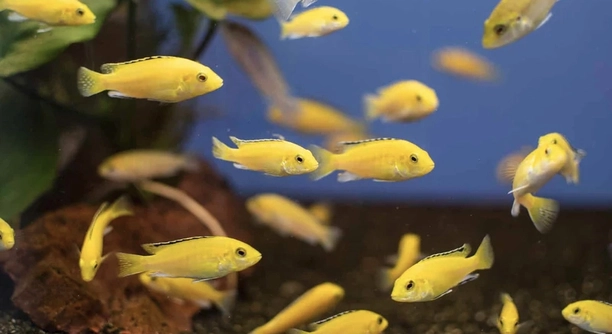
Are your electric yellow cichlids looking a bit dull lately? Feeding them the right foods can make a noticeable difference in their brightness and overall health. A proper diet is key to vibrant coloration and vitality.
Certain foods are particularly effective at enhancing electric yellow cichlid coloration. Carotenoid-rich ingredients, such as shrimp, spirulina, and krill, provide pigments that intensify yellow hues. Consistent feeding of these foods supports natural color development and maintains overall fish health.
Maintaining a diet that emphasizes color-enhancing foods will help your cichlids shine. Small adjustments to their feeding routine can have a big visual impact.
Shrimp
Shrimp is a natural source of carotenoids, which are essential for enhancing the yellow hues in electric yellow cichlids. Feeding them small, high-quality shrimp regularly helps intensify their coloration while also providing protein that supports growth and overall health. Fresh or frozen shrimp works best, as it retains more nutrients compared to processed options. Many cichlid owners notice brighter yellow tones within a few weeks of incorporating shrimp into their diet. It is important to offer shrimp in moderation to avoid overfeeding, which can lead to water quality issues. Breaking the shrimp into smaller pieces ensures the fish can consume it easily and reduces the risk of leftovers decaying in the tank. Pairing shrimp with other natural foods, like spirulina flakes or krill, provides a balanced diet that maintains both vibrant colors and energy. Consistency is key, as irregular feeding may limit the color-boosting benefits over time.
Shrimp not only brightens their colors but also strengthens overall fish health. Moderation ensures optimal results without water problems.
In addition to color, shrimp provides essential amino acids that support muscle development and immune function. Combining shrimp with other carotenoid-rich foods maximizes the visual impact. Over time, regular feeding creates a noticeable difference, making your electric yellow cichlids stand out in the tank. The natural pigments in shrimp integrate with the fish’s metabolism, resulting in a long-lasting, healthy glow. Observing the cichlids gradually become more vibrant is rewarding and confirms the benefits of proper nutrition. Including shrimp in the weekly feeding plan establishes a reliable routine, helping the fish maintain both color and vitality.
Spirulina
Spirulina is a blue-green algae packed with natural pigments that enhance yellow tones. Its nutrient density supports growth and strengthens the immune system.
Regular feeding of spirulina flakes or pellets ensures consistent color improvement. Combining with other carotenoid-rich foods maximizes brightness.
Spirulina offers more than just color enhancement. It contains essential vitamins and minerals that support digestive health and energy levels. Feeding it alongside shrimp or krill creates a well-rounded diet that promotes both color and vitality. Over time, the pigments accumulate in the cichlids’ skin and scales, making their yellow hues more pronounced and vibrant. Spirulina is easy to incorporate, dissolves slowly in water, and is generally well-accepted by most cichlids. Consistent inclusion in their feeding plan ensures long-term benefits, helping maintain peak coloration throughout the year. By prioritizing spirulina as part of their diet, you can enhance visual appeal while supporting the fish’s overall well-being, creating a healthy, thriving tank environment.
Krill
Krill is rich in natural pigments that intensify yellow coloration in electric yellow cichlids. Its high protein content also supports growth, energy, and overall health, making it an essential addition to their diet.
Regular feeding of krill ensures cichlids absorb carotenoids efficiently. Small, manageable pieces prevent waste and allow the fish to consume it fully. Krill can be offered frozen or freeze-dried, both retaining the pigments necessary for brightening their yellow hues. Combining krill with shrimp or spirulina creates a balanced feeding plan that maximizes color development while providing essential nutrients. Over several weeks, the difference becomes noticeable as the fish display deeper, more vivid tones. Consistency in feeding schedules ensures the pigments integrate steadily, supporting both aesthetic appeal and health benefits. Observing the cichlids’ gradual transformation reinforces the importance of proper dietary choices for maintaining their electric yellow brilliance.
Krill also promotes vitality and immune strength. Its carotenoid content works best when combined with other color-enhancing foods.
Carrot
Carrots provide beta-carotene, a pigment that naturally enhances yellow tones in cichlids. Finely chopped or grated, they are easy for fish to eat and digest.
Introducing carrots gradually into the diet ensures the fish adjust without digestive issues. Beta-carotene supports not only color but also vision and immune health. Offering carrots alongside protein-rich foods like shrimp or krill creates a well-rounded feeding plan. Cooking carrots slightly can make them softer, though raw pieces are generally acceptable. Over time, consistent carrot feeding contributes to brighter yellow coloration and stronger overall health. The natural pigments accumulate in the skin and scales, reinforcing vivid tones while maintaining energy levels. Carrots are a simple, affordable option to support long-term color enhancement.
Along with carotenoid foods, carrots provide fiber and essential nutrients. Their gentle contribution to diet enhances yellow hues effectively when paired with protein sources.
Red Bell Pepper
Red bell peppers are packed with natural pigments that enhance yellow coloration in electric yellow cichlids. Finely chopped or pureed, they are easy for the fish to consume and digest, providing both color benefits and essential vitamins.
Including red bell pepper regularly supports consistent pigment accumulation. It complements protein-rich foods, ensuring a balanced diet that maintains overall health and vitality while boosting visual appeal.
Daphnia
Daphnia are small freshwater crustaceans high in carotenoids and protein. They promote vibrant yellow coloration while supporting growth, energy, and digestion. Regular feeding ensures cichlids receive necessary nutrients for color enhancement and long-term health, making Daphnia a reliable addition to their diet.
Peas
Peas offer fiber and essential nutrients that improve digestion. Blanched and shelled, they are easy for electric yellow cichlids to eat and process efficiently.
Bloodworms
Bloodworms are rich in natural pigments that enhance yellow coloration. Their high protein content also supports energy, growth, and overall health, making them an effective color-boosting food for electric yellow cichlids.
FAQ
How often should I feed color-boosting foods to my electric yellow cichlids?
Feeding color-enhancing foods like shrimp, krill, spirulina, or red bell pepper two to three times per week is sufficient. On other days, provide a balanced staple diet to ensure overall nutrition. Overfeeding pigments can lead to water quality issues or digestive problems, so moderation is key.
Can I rely only on color-boosting foods for their diet?
No, color-boosting foods should supplement a complete diet. While they enhance yellow hues, cichlids still need a mix of protein, fiber, and essential vitamins for growth and health. Using these foods as treats or supplements ensures pigmentation improves without compromising overall nutrition.
Are frozen or live foods better for color enhancement?
Both are effective, but frozen foods often retain more nutrients compared to live alternatives that may be less consistent in quality. Live foods can stimulate natural hunting behavior, while frozen foods provide reliability and ease of portioning. Alternating between both types can maximize benefits.
Can vegetables alone improve yellow coloration?
Vegetables like carrots, peas, and red bell pepper provide carotenoids, but they are not enough by themselves. Combining vegetables with protein-rich foods ensures the pigments are absorbed efficiently and supports the fish’s energy, growth, and immune function.
How long does it take to see color changes?
Noticeable improvements usually appear within four to six weeks of consistent feeding. Pigments gradually accumulate in the scales and skin. Some fish may show faster changes depending on age, health, and prior diet. Consistency in feeding and water quality maintenance ensures steady results.
Is overfeeding color-boosting foods harmful?
Yes, excess color-enhancing foods can lead to digestive upset, obesity, or water quality problems. Stick to small portions, alternating with a standard diet. Removing uneaten food promptly prevents decay and maintains a healthy tank environment, supporting both color and overall well-being.
Can supplements replace natural foods for coloration?
Supplements can help but should not fully replace natural foods. Whole foods provide protein, fiber, and additional nutrients that supplements often lack. Using supplements alongside shrimp, krill, and vegetables ensures the fish receive both pigment and essential nutrition for long-term health.
Do younger cichlids benefit from color-boosting foods?
Yes, juvenile fish can absorb pigments early, helping them develop vivid yellow hues as they grow. Introducing small amounts gradually ensures proper digestion and avoids stress on their developing systems. Pairing with high-protein foods supports growth and strengthens immune function.
What is the best way to introduce new foods?
Introduce new foods slowly and in small quantities. Mixing them with familiar staples encourages acceptance while reducing stress. Observing how the cichlids react ensures they eat the new items and helps prevent uneaten food from fouling the tank.
Are there risks associated with specific color-boosting foods?
Most foods like shrimp, krill, spirulina, and vegetables are safe in moderation. Overfeeding or poor-quality products can cause digestive issues or water pollution. Always rinse frozen foods, remove uneaten portions promptly, and rotate items to maintain balance.
Can water quality affect color enhancement?
Absolutely. Poor water quality can dull coloration regardless of diet. Maintaining clean, stable water conditions, proper filtration, and regular water changes ensures the pigments from foods are displayed effectively in the fish’s skin and scales.
Is variety important in a color-boosting diet?
Yes, rotating foods like shrimp, krill, spirulina, carrots, and red bell pepper maximizes pigment intake. Variety prevents nutrient deficiencies, keeps fish interested in their diet, and supports both vibrant coloration and overall health.
Can overuse of one pigment-rich food cause uneven coloring?
Focusing on a single food repeatedly may lead to uneven color distribution. Mixing different carotenoid-rich foods ensures pigments accumulate uniformly, producing a natural, bright yellow appearance across the entire body.
Maintaining vibrant yellow coloration in electric yellow cichlids requires a thoughtful approach to their diet. Including foods rich in natural pigments, such as shrimp, krill, spirulina, and red bell pepper, can make a noticeable difference over time. These foods supply carotenoids, which integrate into the fish’s skin and scales, gradually intensifying their yellow hues. Regular feeding, combined with a balanced staple diet, ensures the cichlids receive both the color-enhancing benefits and essential nutrients needed for overall growth and health. Consistency is key, as irregular feeding schedules or reliance on a single food source may limit the results. In addition to brightening color, these foods support muscle development, energy levels, and immune function, making them a practical choice for long-term fish care. Observing gradual changes in color reinforces the importance of proper nutrition and creates a more visually appealing aquarium environment.
Water quality and tank maintenance also play a significant role in maintaining bright coloration. Even the best diet cannot compensate for poor water conditions, which can dull the pigments and affect overall health. Regular water changes, proper filtration, and careful monitoring of temperature and pH levels help the fish absorb and display pigments effectively. Uneaten food should be promptly removed to prevent decay and excess waste, which can compromise water quality. Pairing good feeding practices with consistent tank care creates the ideal conditions for your cichlids to thrive. It also minimizes stress, which can negatively impact color and health. Providing a varied diet alongside stable environmental conditions ensures that the fish’s yellow hues remain vivid while supporting longevity and vitality.
Introducing a variety of foods gradually helps cichlids adjust to new flavors and textures, encouraging consistent consumption and maximum pigment absorption. Alternating between natural protein sources and vegetables ensures a well-rounded diet that prevents nutritional deficiencies. Overfeeding should be avoided, as excessive amounts can lead to digestive issues and water pollution, counteracting the benefits of pigment-rich foods. Observing the fish’s behavior and appearance allows adjustments to feeding routines, helping to maintain a balance between color enhancement and overall health. With careful planning, patience, and attention to both diet and environment, electric yellow cichlids can display their full, vibrant potential, creating a bright and lively presence in the aquarium.

Hello,
If you enjoy the content that we create, please consider saying a "Thank You!" by leaving a tip.
Every little bit helps us continue crafting quality advice that supports the health, happiness, and well-being of pets around the world, for pets of all shapes, sizes, and species.
We really appreciate the kindness and support that you show us!