
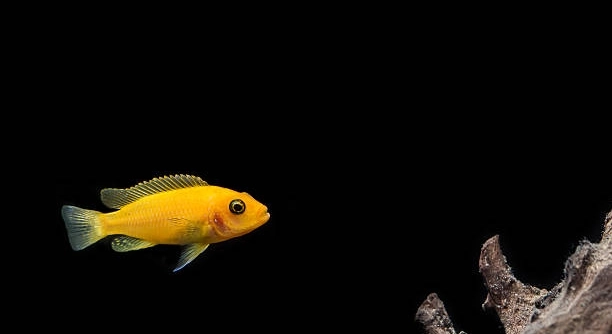
Cichlids are fascinating fish that often react to their surroundings in unique ways. Watching them can be calming, yet they also display surprising behaviors when you are near their tank. Observing these responses can be rewarding.
Cichlids exhibit a range of reactions to human presence, including increased activity, territorial displays, cautious retreat, feeding anticipation, curious inspection, aggression, and display of colors. Each reaction provides insight into their social structure, stress levels, and environmental preferences.
Knowing these behaviors can improve your interactions and care routines, helping you create a more comfortable and engaging environment for your cichlids.
Increased Activity
Cichlids often become more active when you approach the tank. Their fins may flare, and they might swim quickly from one side to the other. This behavior is usually a sign of alertness rather than fear. In my experience, they react to small movements outside the tank almost immediately, which shows how aware they are of their environment. Some cichlids even seem to “follow” your movements with their eyes. This heightened activity can be a way to inspect potential changes in their surroundings or to signal that they are ready for feeding. I’ve noticed that even a gentle tap on the glass can trigger a short burst of movement, as if they are acknowledging your presence. Observing this behavior closely helps you understand their energy levels and how comfortable they feel in the tank. Over time, regular interaction can make them more responsive and predictable in their daily routines, which is fascinating to see.
Increased activity in cichlids generally indicates alertness, curiosity, and readiness for interaction. This reaction helps assess their comfort and engagement with the environment.
Watching these bursts of energy provides insight into their mood and personality, making care more interactive and engaging.
Territorial Displays
Territorial behavior is common among cichlids, especially in smaller tanks or with dominant species. They may chase other fish, flare their fins, or guard specific areas around decorations or hiding spots. This behavior is a way to establish boundaries and maintain a sense of security. I’ve observed my own cichlids repeatedly patrolling the same corners or hovering near a favored rock. The intensity of these displays often depends on the species, size of the tank, and number of tank mates. It’s important to provide enough space and hiding spots to reduce stress caused by territorial disputes. Watching these interactions can help you understand social hierarchies within the tank. When cichlids feel secure, these displays are more controlled and less aggressive. Keeping an eye on their behavior allows you to adjust tank setups, introduce new fish carefully, and create a stable environment.
Territorial displays reveal their social structure, dominance, and need for personal space, highlighting essential aspects of their behavior and well-being.
Cautious Retreat
Cichlids sometimes move away slowly when you approach, keeping a safe distance. This behavior is a sign of wariness and shows they are monitoring changes without fully committing to a response. It is their way of staying alert while feeling safe.
I have noticed that cautious retreat often happens when I move suddenly near the tank or when unfamiliar objects are placed inside. They tend to hover near rocks or decorations, observing rather than reacting aggressively. This behavior indicates they are processing the environment and deciding whether it is safe to continue their normal routine. Over time, repeated exposure to gentle movements can reduce their wariness. Providing familiar hiding spots helps them feel secure while still allowing for observation.
In my tank, cautious retreat is more common among younger or smaller cichlids. They rarely stay hidden for long, usually returning once they assess that there is no threat. This pattern helps me understand their comfort level and plan interactions, feeding times, and tank adjustments accordingly, ensuring minimal stress and balanced social behavior.
Feeding Anticipation
Cichlids quickly recognize feeding cues and respond with excitement, often swimming near the surface or gathering near decorations. Their reaction is a mixture of anticipation and learned behavior tied to routine. This response is strong, consistent, and easy to observe daily.
Feeding anticipation can be seen clearly when I approach with a container of food. Even before the food enters the tank, some cichlids position themselves in preferred feeding spots, nudging tank mates or flaring fins to claim territory. This behavior reflects their ability to associate specific actions or times with food. The anticipation also provides insight into their energy levels and health. Healthy cichlids show eagerness without over-aggression, while hesitant or slow responses can indicate stress, illness, or imbalance in the tank. Observing this behavior allows me to adjust feeding routines, ensure all fish receive food, and monitor their overall well-being effectively.
When feeding anticipation is strong, cichlids demonstrate learning, social hierarchy, and adaptability. It also strengthens the connection between their environment and routine, making tank management more predictable and structured.
Curious Inspection
Cichlids often approach the glass slowly, inspecting movements outside the tank. They may circle or tilt their bodies, showing careful observation. This behavior demonstrates their natural curiosity and cautious interest in anything unfamiliar near their environment.
Sometimes they linger near your hand or objects, appearing to study details closely. I’ve seen them watch for several minutes, shifting positions to get a better view. This behavior suggests recognition and intelligence, as they distinguish between harmless activity and potential threats.
Aggression
Aggressive behaviors appear when cichlids feel threatened or protective. They may charge, flare fins, or bite at tank mates or intruding objects. This behavior is a clear signal of territorial defense and dominance. Aggression often increases when space is limited, or during breeding periods. Providing enough room and hiding spots reduces conflicts. Observing aggressive responses helps manage social balance and prevent injuries. In my experience, separating overly aggressive individuals temporarily or rearranging tank décor often calms tensions. Aggression is a natural part of cichlid behavior, and careful management ensures that it does not escalate into serious harm while allowing them to express instincts safely.
Display of Colors
Cichlids enhance their coloration when interacting with their surroundings. Vibrant patterns often appear during feeding, courtship, or territorial displays, signaling mood and vitality.
FAQ
Why do my cichlids stare at me?
Cichlids often stare as a sign of curiosity or recognition. They watch movements outside the tank to understand changes in their environment. In my experience, this behavior increases when I approach with food or rearrange decorations, showing they can distinguish between normal activity and potential threats.
Are cichlids aggressive towards humans?
Generally, cichlids are not aggressive toward humans. Aggression is usually directed at other fish or objects in the tank. When they charge the glass, it is often a territorial or defensive reaction rather than a sign of threat toward you. I’ve learned to give them space during these displays.
Why do my cichlids hide when I am near?
Hiding is a common response to unfamiliar or sudden movements. Smaller or younger cichlids are more likely to retreat for safety. Providing sufficient hiding spots and approaching the tank slowly helps them feel secure while still observing you over time.
Do cichlids recognize their owners?
Cichlids can recognize patterns and routines. They learn to associate your presence with feeding or tank care. I’ve noticed my fish swim to the front when I approach at feeding times, showing that repeated interaction builds recognition and trust.
Why do my cichlids flare their fins at me?
Flaring is a natural way to communicate dominance or assert territory. It is a display rather than an attack. In my tank, fin flaring is more frequent around the same areas, usually near decorations or preferred hiding spots. Observing this behavior helps understand their social structure.
Do cichlids get excited when it’s feeding time?
Yes, feeding triggers high activity. Cichlids swim actively, gather near favorite spots, and sometimes jostle each other to reach food. I find that they show eagerness without over-aggression when healthy. Feeding anticipation is a useful indicator of their overall well-being and engagement with the tank.
Why do my cichlids change colors when I am around?
Color changes signal mood, dominance, or readiness to breed. Vibrant colors often appear during territorial displays or feeding. I’ve noticed that subtle changes happen even when I move near the tank, indicating that cichlids respond visually to environmental cues, not just direct interactions.
How can I reduce stress in my cichlids?
Stress can be minimized by maintaining a stable environment, avoiding sudden movements, and providing enough space and hiding places. I make sure the tank has decorations and shelters so that cichlids can retreat or explore safely, reducing tension and encouraging natural behavior.
Why do my cichlids follow my movements?
Following movements is a sign of curiosity and alertness. They track changes outside the tank to anticipate feeding or assess safety. I often see them swim along the glass when I walk by, demonstrating awareness and engagement with their surroundings.
Can human presence improve cichlids’ behavior?
Regular, calm interaction helps cichlids become more comfortable and responsive. Consistent routines like feeding or gentle observation allow them to predict events, reducing stress. I find that patients and predictable interaction strengthens their confidence, making them more relaxed and interactive overall.
Do cichlids respond differently to different people?
Yes, they may react more to familiar routines or repeated interactions. I’ve noticed that cichlids in my tank respond faster to me than occasional visitors because they recognize my patterns and movements, which shows memory and adaptability in their behavior.
Why do my cichlids sometimes ignore me completely?
Ignoring humans can indicate contentment or distraction. If the tank environment is engaging with decorations, tank mates, or feeding, cichlids may focus elsewhere. I’ve learned that this is normal and shows that their attention shifts naturally depending on current needs and stimuli.
How can I tell if my cichlids are stressed by my presence?
Signs include prolonged hiding, rapid breathing, loss of appetite, or erratic swimming. I watch for these behaviors closely, and if they appear, I slow my movements, limit disturbances, and ensure their environment is stable. Stress management is key to maintaining healthy, vibrant fish.
Do cichlids communicate with each other when I am nearby?
Yes, they use body language, fin displays, and minor chasing to signal dominance, territory, or readiness to mate. I often see subtle interactions when I approach, suggesting that their social structure continues regardless of human presence.
Can observing my cichlids improve my care routine?
Absolutely. By watching reactions like feeding anticipation, fin flaring, or cautious retreat, you can adjust tank setup, feeding schedules, and interactions. I’ve found that paying attention to these behaviors helps maintain a balanced, healthy environment and strengthens the connection between care and observation.
Do cichlids learn from repeated interactions with humans?
Yes, repeated exposure to calm, predictable actions allows cichlids to anticipate feeding, recognize people, and reduce stress. I’ve noticed that consistent handling or approach patterns lead to more confident and active behavior, showing their ability to adapt and learn.
Why do some cichlids react more than others?
Reaction differences often depend on species, size, personality, and tank hierarchy. I’ve seen dominant individuals display more aggression or activity, while shy ones retreat or observe. Understanding these differences helps manage interactions and ensures each fish feels secure in its environment.
How long does it take for cichlids to adjust to human presence?
Adjustment varies but generally takes several weeks. Regular, calm exposure and predictable routines allow fish to become comfortable. In my experience, most cichlids begin showing curiosity and reduced stress within a month of consistent observation and feeding schedules.
Do cichlids react to movement outside the tank differently than inside?
Yes, they are often more alert to changes outside the tank, such as people walking by or lights changing. Internal tank disturbances are typically related to social hierarchy or feeding, while external movements trigger cautious inspection or activity bursts.
Can human interaction improve their social behavior?
Indirectly, yes. Predictable interaction reduces stress, allowing natural behaviors like territory displays and social interactions to occur without excessive tension. I’ve noticed calmer, more balanced social dynamics in tanks where cichlids are regularly observed and provided a stable environment.
Why do some cichlids come close while others hide?
Individual personality, size, and hierarchy influence reactions. Bold or dominant fish often approach first, while shy or subordinate ones remain cautious. I make sure hiding places are available, which allows both types to feel secure and maintain normal behavior without conflict.
Do cichlids respond differently to feeding versus non-feeding times?
Yes, feeding triggers higher activity, approach behavior, and social displays. Non-feeding times often show cautious retreat or curiosity without immediate engagement. I have noticed that their responses are predictable, allowing better timing for observation, tank maintenance, and interaction.
Why do cichlids sometimes show sudden bursts of activity?
Sudden activity often signals alertness to changes, feeding anticipation, or territorial enforcement. I’ve seen this when introducing new decorations or moving near the tank. Understanding these bursts helps me interpret their mood and adjust the environment accordingly.
How do I know if my cichlids are comfortable around me?
Comfort is shown through regular swimming, curiosity, and minimal retreat when approached. I observe relaxed movement, social interaction, and even color display, all of which indicate that the fish feel safe and secure in the presence of humans.
Can cichlids recognize feeding tools or containers?
Yes, they learn to associate specific objects with food. In my experience, they react instantly when a familiar container appears, gathering near preferred feeding spots. This shows learning ability and reinforces predictable routines that benefit both fish and caretaker.
Do cichlids communicate stress to each other?
Yes, stressed fish may flare fins, chase, or retreat, signaling discomfort. I watch these interactions to ensure tension does not escalate. Providing space, hiding spots, and calm conditions helps minimize stress transmission among tank mates.
Why do some cichlids ignore new objects while others inspect them?
Personality and dominance affect reactions. Bold fish investigate first, while shy individuals remain cautious. I’ve noticed that repeated, gentle exposure allows hesitant fish to engage safely, showing that curiosity can increase over time with consistent interaction.
Can human interaction affect breeding behavior?
Indirectly, yes. Predictable presence reduces stress, which supports natural courtship and territorial behavior. I have observed that calmer fish show stronger displays and breeding readiness when the tank environment and routine are stable.
Why do cichlids flare fins even when there is no visible threat?
Flaring can signal dominance, readiness to feed, or excitement. In my tank, I see this during routine interactions or when approaching, showing that behavior is not always linked to aggression but to natural instincts and environmental awareness.
Do cichlids respond to tapping on the glass?
Yes, tapping often triggers alertness or retreat. I have learned to avoid sudden tapping, as it can stress the fish, but gentle interactions help them recognize harmless human presence over time.
How important is observation for understanding cichlids?
Observation is crucial. Watching reactions like fin flaring, retreat, feeding anticipation, or social interactions provides insight into health, hierarchy, and mood. I rely on daily observation to adjust care, ensure comfort, and support natural behavior patterns.
Do cichlids remember previous interactions with humans?
Yes, they remember routines and repeated exposure. Fish may respond faster or with more curiosity to familiar individuals, demonstrating learning, memory, and adaptability in the tank environment. Regular interaction reinforces trust and reduces stress.
Why do some cichlids display more vibrant colors around humans?
Color changes often reflect excitement, dominance, or readiness to breed. I’ve noticed that cichlids brighten when I approach for feeding or maintenance, showing that visual signals communicate both mood and status within their environment.
Can I influence their social behavior through my presence?
Yes, indirect influence comes from creating a calm, predictable environment. By minimizing stress and supporting routines, I see more balanced social interactions, controlled aggression, and natural territorial behavior among my cichlids.
Do cichlids have favorite spots to observe humans?
Yes, dominant or curious individuals often select preferred areas near the glass or decorations. In my tank, these spots allow them to monitor movements, anticipate feeding, and feel secure while still engaging with their environment.
Why do some cichlids approach slowly while others rush?
Speed reflects personality and hierarchy. Bold or dominant fish tend to approach quickly, while shy or subordinate ones are cautious. I make sure the tank accommodates both types, providing space and hiding areas to prevent stress or conflict.
How can I tell if my cichlids are learning from me?
Signs include faster recognition of feeding cues, reduced hiding, and increased curiosity toward predictable routines. In my experience, consistent observation and interaction result in more confident, responsive, and engaged fish over time.
Do cichlids react differently to familiar versus new objects?
Yes, familiar objects trigger recognition and approach behavior, while new items elicit cautious inspection. I have observed that gradual introduction helps reduce stress and encourages curiosity without threatening social balance.
Can observing reactions help prevent illness?
Absolutely. Changes in activity, appetite, or interaction with humans can indicate early signs of stress or illness. I use these cues to adjust environment, feeding, and care, helping maintain healthy, vibrant cichlids.
Why do cichlids sometimes ignore me even during feeding?
Occasional ignoring is normal, often due to distraction, hierarchy, or individual temperament. I find it helpful to observe patterns over time to distinguish between normal variation and potential health concerns.
Do cichlids respond more to slow movements than fast ones?
Yes, slow, predictable movements are less stressful and often attract curiosity, while sudden motions can trigger retreat or aggression. I approach calmly to encourage engagement without causing fear.
Can cichlids differentiate between multiple humans?
Yes, they can recognize patterns and routines, responding more readily to familiar individuals. I notice that consistent care and interaction result in stronger recognition, reduced stress, and increased responsiveness among my fish.
How do cichlids communicate comfort?
Comfort is shown through relaxed swimming, exploration, and social interaction. I look for consistent behaviors like active movement, bright colors, and balanced social dynamics as indicators that cichlids feel safe and secure around me.
Why do some cichlids hide while others display colors?
Hiding or displaying depends on personality, hierarchy, and context. In my tank, dominant fish may flaunt colors while subordinate ones retreat. Both behaviors are normal and reflect natural instincts rather than fear or stress.
Do cichlids interact with each other differently when humans are near?
Yes, human presence can subtly influence social behavior. Some fish become more cautious, while others assert dominance more strongly. I observe these changes to ensure interactions remain balanced and stress-free.
How long should I observe to understand their behavior?
Regular, short observation sessions provide the clearest insight. I spend time daily noting activity, feeding, and social interactions. Patterns emerge over weeks, helping me understand individual personalities, moods, and comfort levels.
Can observing cichlids improve feeding efficiency?
Yes, watching reactions helps determine ideal feeding times, portions, and placement. I adjust routines based on how fish respond, ensuring all receive food and reducing conflict or stress.
Why do cichlids sometimes swim erratically near humans?
Erratic swimming can indicate alertness, stress, or excitement. I assess context, noting whether feeding, tank maintenance, or sudden movement triggered the behavior, and adjust interaction to reduce tension.
Do cichlids respond differently during day versus night?
Yes, activity is generally higher during daylight. I observe less movement at night unless disturbed, showing that reactions are influenced by natural rhythms and visibility rather than solely human presence.
How do I know if my cichlids are comfortable with my presence?
Comfort is shown through curiosity, consistent swimming, and normal social interaction. I look for active engagement without stress behaviors, indicating that the fish feel secure and confident around me.
Can human presence help reduce aggression among cichlids?
Indirectly, yes. Predictable interaction and stable routines reduce stress, which minimizes unnecessary aggression. I maintain calm movements and sufficient space to support healthy social dynamics.
Do cichlids react differently to different types of movements?
Yes, slow, predictable movements encourage curiosity, while sudden gestures trigger retreat or defensive displays. I approach carefully to encourage engagement without provoking stress.
Why do cichlids sometimes ignore new tank mates but notice me?
They prioritize environmental changes over external observers. I see that curiosity toward humans is often linked to feeding or routines, while new fish are assessed cautiously to determine social rank and territory.
Can consistent observation improve their social balance?
Yes, by reducing stress and allowing predictable routines, consistent observation supports natural hierarchies, reduces unnecessary aggression, and helps maintain stable social interactions within the tank.
Do cichlids react to hand signals or gestures?
They can learn to associate gestures with feeding or interaction. In my experience, repeated, calm movements allow recognition, signaling anticipation without causing fear.
Why do some cichlids approach while others retreat at the same time?
Individual temperament and hierarchy influence reactions. Bold or dominant fish often approach quickly, while shy or subordinate fish stay cautious. Observing these differences helps me manage tank layout and interactions effectively.
Do cichlids respond differently when multiple people are near?
Yes, they may focus on the most familiar individual or show increased caution. I’ve noticed that dominant fish assert themselves more, while shy ones retreat, reflecting hierarchy and comfort levels.
Can human interaction help reduce stress during tank maintenance?
Yes, calm, predictable presence can reduce stress responses. I approach slowly and maintain routines to minimize disruption, allowing cichlids to adjust naturally while keeping them comfortable during necessary care.
Do cichlids react to reflections of humans in the glass?
Yes, reflections can trigger curiosity or territorial behavior. I’ve observed that some fish treat their reflection as another fish, while others ignore it, depending on personality and past experiences.
Why do some cichlids hover near the surface when I approach?
Hovering signals anticipation or curiosity, often related to feeding. I see this behavior frequently when preparing food, showing they associate my presence with positive events.
Can observing their reactions help prevent aggression?
Yes, by noting flaring, chasing, or hiding, I can adjust tank layout, feeding, and interaction to reduce tension. Observation is key to maintaining peaceful social dynamics.
Do cichlids respond differently to repeated versus one-time interactions?
Yes, repeated, calm interactions build recognition and reduce stress. One-time encounters may trigger caution or retreat. I rely on consistent routines to promote confidence and engagement.
How can I tell if my cichlids are curious or stressed?
Curiosity is shown by slow inspection, following movements, or mild fin flaring. Stress appears as prolonged hiding, erratic swimming, or loss of appetite. I monitor these behaviors closely to adjust environment and interaction accordingly.
Do cichlids show excitement differently from aggression?
Yes, excitement involves active swimming, fin display, or color brightening without directed attacks. Aggression includes chasing or biting. I differentiate behaviors by context, body language, and interaction patterns to respond appropriately.
Can cichlids distinguish between feeding times and other interactions?
Yes, they anticipate feeding based on routine cues, displaying heightened activity and focus. Other interactions trigger cautious observation or social displays, showing their ability to learn patterns and predict events.
Why do some cichlids approach me slowly while others rush?
Personality, confidence, and social rank influence approach speed. Bold fish come quickly, shy fish remain cautious. I respect these differences and ensure space and hiding areas for all individuals.
Do cichlids ever ignore repeated human presence?
Yes, occasional ignoring occurs, often due to distraction, social hierarchy, or preference for hiding. I observe patterns over time to distinguish normal behavior from potential stress or health concerns.
How can human observation improve their environment?
Watching behavior helps identify stress points, preferred hiding spots, feeding response, and social dynamics. I use these insights to adjust tank layout, routines, and interactions, promoting well-being and natural behavior.
Do cichlids respond differently to new versus familiar tank setups?
Yes, familiar setups trigger recognition and predictable behavior, while new arrangements cause cautious inspection or territorial displays. Gradual introduction helps them adapt without unnecessary stress.
Can observing reactions predict health issues?
Yes, sudden changes in activity, appetite, color, or interaction often indicate stress or illness. I monitor patterns closely, allowing early intervention and care adjustments to maintain healthy fish.
Why do some cichlids respond to humans more than others?
Individual personality
Caring for cichlids means observing their behavior closely and understanding how they respond to your presence. Each fish is unique, and reactions can vary widely depending on personality, species, and social status within the tank. Some cichlids are bold and curious, swimming near the glass or following your movements, while others are more cautious and prefer hiding spots. Recognizing these differences helps in creating an environment where all fish feel safe and secure. By paying attention to their activity levels, fin displays, feeding responses, and color changes, you can better interpret their moods and needs. Simple actions, like moving slowly near the tank or maintaining a consistent feeding routine, can make a noticeable difference in how comfortable your cichlids feel around you. Over time, regular observation allows you to predict their reactions and manage interactions in ways that reduce stress and support healthy behavior.
Maintaining a proper tank environment is also an essential part of ensuring positive responses from your cichlids. Adequate space, hiding spots, and careful arrangement of decorations help prevent unnecessary aggression and territorial disputes. Water quality, temperature, and feeding schedules are equally important, as stressed or unhealthy fish may behave differently around humans. For instance, a fish that usually displays curiosity may retreat or show signs of aggression if the environment is not suitable. By adjusting the tank setup based on observed behaviors, you can create a balanced and harmonious habitat. In my experience, even small changes, like adding more rocks or rearranging plants, can reduce stress and improve overall activity levels. Understanding that each cichlid reacts differently allows for a more thoughtful approach to tank management and interaction.
Finally, building a connection with your cichlids takes patience and consistency. They learn from repeated exposure and develop recognition of routines and human presence. Simple, calm interactions, such as feeding at predictable times, observing quietly, and minimizing sudden movements, help them feel more confident. Watching their reactions provides insight into their comfort levels, social structure, and overall health. Some fish may never approach immediately, while others become very responsive, and both behaviors are normal. By respecting their natural instincts and individual personalities, you can support their well-being while enjoying the subtle, sometimes surprising ways they respond to you. Over time, the awareness and understanding you gain from careful observation can improve the quality of care, making your tank a more stable and engaging environment for your cichlids.

Hello,
If you enjoy the content that we create, please consider saying a "Thank You!" by leaving a tip.
Every little bit helps us continue crafting quality advice that supports the health, happiness, and well-being of pets around the world, for pets of all shapes, sizes, and species.
We really appreciate the kindness and support that you show us!