
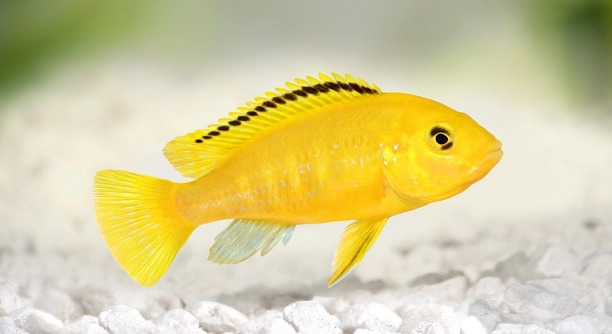
Breeding Electric Yellow Cichlids at home can be exciting, but it often comes with unexpected challenges. Many hobbyists struggle with common mistakes that affect their fish’s health, growth, and overall breeding success in a home aquarium.
The most frequent errors when breeding Electric Yellow Cichlids include incorrect water conditions, inadequate tank size, improper diet, failure to separate breeding pairs, ignoring aggression signs, inconsistent cleaning schedules, and lack of monitoring fry development. Addressing these issues ensures healthier offspring and a stable aquarium environment.
Understanding these mistakes early can save both time and effort. Following proper practices will improve your cichlids’ breeding outcomes and long-term wellbeing.
Incorrect Water Conditions
Maintaining stable water conditions is essential for Electric Yellow Cichlids. Many breeders underestimate the importance of pH, hardness, and temperature. These fish thrive in slightly alkaline water with a pH around 7.8 to 8.6 and moderately hard water. Temperature should remain consistent between 76°F and 82°F. Sudden fluctuations in water chemistry can stress the fish, leading to illness or reduced breeding success. Frequent testing and gradual adjustments are crucial. Even small changes, like adding untreated tap water or overfeeding, can alter water quality. Keeping nitrate and ammonia levels low is also critical. Regular water changes, careful monitoring, and using a reliable filtration system help maintain a stable environment. Breeders should also observe their fish for signs of stress, such as faded coloration, erratic swimming, or loss of appetite. Maintaining the right conditions encourages natural behavior, improves spawning readiness, and supports healthy fry development.
Keeping water consistent prevents most breeding issues and helps your cichlids thrive naturally in a home tank.
Monitoring parameters carefully ensures a safe environment, encouraging mating behaviors and strong offspring survival.
Inadequate Tank Size
A tank that is too small can increase stress and aggression among Electric Yellow Cichlids. While they are smaller than many cichlids, they still need space to establish territories, especially during breeding. A minimum of 55 gallons is recommended for a breeding pair, with extra space for additional fry. Crowded conditions can lead to fighting, injury, and reduced spawning success. Fish may hide excessively or fail to defend their territory, causing stress that impacts health. Providing proper hiding spots and visual barriers can reduce tension, but space is the key factor. Breeding pairs in tight quarters often produce fewer eggs, and fry survival rates drop. Using larger tanks also allows better water circulation and filtration, keeping conditions more stable. Observing the fish regularly helps identify if the tank is too small before aggression escalates. Allocating space for both adults and growing fry ensures a smoother breeding process and healthier offspring.
Proper tank size reduces stress and improves the likelihood of successful breeding.
Extra room allows both parents and fry to thrive, minimizing conflict and supporting healthy growth over time.
Improper Diet
A balanced diet is crucial for breeding Electric Yellow Cichlids. Feeding too much or too little, or offering low-quality food, can reduce fertility and fry survival. High-protein foods and occasional vegetables support both adults and developing fry.
Consistently providing a mix of high-quality pellets, frozen foods, and occasional live food encourages spawning and strengthens the immune system. Overfeeding can pollute the water, while underfeeding weakens the fish. Including vegetables like spinach or peas ensures proper nutrition and color development. Timing and portion control matter; feeding small amounts multiple times a day mimics natural feeding habits and prevents waste buildup. Observing how fish consume food helps adjust portions and types to maintain optimal health. Proper nutrition improves egg quality, fry growth, and overall vitality of both parents and offspring.
Ignoring diet balance often leads to poor spawning results and weak fry. Establishing a feeding routine keeps fish active, healthy, and ready to breed.
Failure to Separate Breeding Pairs
Not separating aggressive pairs can result in injuries and stress. Some cichlids become overly territorial, especially during spawning, harming each other or the fry. Proper separation helps protect both adults and young.
Separating breeding pairs or providing designated breeding tanks reduces conflict and allows controlled breeding. Observing behavior before introducing a new pair ensures compatibility and reduces aggression. Proper tank layout with hiding spaces minimizes stress. Stress from constant fighting can cause illness and reduce egg production. Controlled separation allows monitoring of spawning progress, ensuring eggs are fertilized and fry are safe. It also makes it easier to manage feeding and water conditions specifically for the breeding pair. Careful observation during the breeding period ensures both parents remain healthy and aggressive tendencies are managed appropriately.
Controlled separation improves safety, breeding success, and overall tank harmony.
Ignoring Aggression Signs
Electric Yellow Cichlids can become aggressive, especially during breeding. Ignoring warning signs like chasing, nipping, or hiding can lead to injuries or stress for both adults and fry.
Monitoring behavior closely allows you to intervene early. Adjusting tank layout or separating fish when needed prevents escalation and protects the health of the entire tank.
Inconsistent Cleaning Schedules
Regular maintenance is essential for a healthy breeding environment. Dirty tanks increase stress, disease risk, and reduce spawning success.
Consistent cleaning, including partial water changes, gravel vacuuming, and filter maintenance, keeps water quality stable. A clean environment encourages natural breeding behaviors and ensures fry survive and thrive without exposure to harmful bacteria or excess waste.
Lack of Fry Monitoring
Newly hatched fry require close observation. Ignoring their development can lead to unnoticed health problems or malnourishment.
Regular checks for feeding response, growth, and activity help ensure fry are healthy. Adjusting feeding and tank conditions early prevents losses and supports strong, thriving offspring.
FAQ
How often should I change the water in my breeding tank?
For breeding Electric Yellow Cichlids, small and consistent water changes are better than infrequent large ones. Changing 10–20% of the water weekly helps maintain stable water chemistry. Avoid sudden or drastic changes, as these can stress adults and fry, affecting spawning success. Always use dechlorinated water at the same temperature as the tank to prevent shock. Monitoring ammonia, nitrite, and nitrate levels ensures that water quality remains safe. Keeping a routine schedule reduces stress and creates a healthier environment for both adults and developing fry.
What type of food works best for breeding pairs?
High-quality pellets with a protein content of 40% or more are ideal. Supplementing with frozen or live foods like brine shrimp or bloodworms stimulates spawning behavior. Occasional vegetables, such as blanched spinach or peas, improve digestion and color development. Avoid overfeeding, as excess food pollutes the tank and stresses the fish. Feeding small portions multiple times a day mimics natural behavior and ensures that all fish get proper nutrition. Proper diet supports egg quality, fry health, and adult vitality, making breeding more successful.
How can I tell when my cichlids are ready to spawn?
Look for signs like bright coloration, increased activity, and territorial behavior. Males often display vivid yellow tones, while females may dig pits or clean flat surfaces for egg laying. Increased aggression can occur as they establish a spawning site. Observing interactions closely helps identify the ideal moment to separate pairs or prepare a breeding tank. Healthy water conditions and a balanced diet amplify these behaviors, making it easier to predict when spawning will occur. Recognizing these cues prevents missed breeding opportunities and ensures fry survival.
Do I need a separate tank for fry?
Yes, providing a dedicated fry tank increases survival rates. Parents may accidentally eat eggs or fry, and overcrowding in the main tank can stress the young. A small, well-maintained tank with stable water conditions, gentle filtration, and easy-to-access feeding options helps fry grow safely. Adding hiding spots or floating plants reduces stress. Once fry develop and reach a size where they can coexist safely with adults, they can be gradually introduced back into a larger community tank.
What are the most common signs of stressed or unhealthy fry?
Fry that remain inactive, fail to feed, display faded coloration, or show erratic swimming may be stressed or ill. Rapid deaths can also indicate poor water quality or insufficient nutrition. Monitoring fry daily allows you to respond quickly, adjusting water parameters, cleaning schedules, and feeding routines. Stress management, proper diet, and stable tank conditions are crucial for fry health. Identifying problems early prevents significant losses and promotes strong growth.
Can I breed more than one pair in the same tank?
Breeding multiple pairs in a single tank increases aggression and territorial disputes. It can lead to injuries, stress, and lower fry survival. If attempting multiple pairs, provide plenty of space, visual barriers, and separate hiding areas. Otherwise, it’s safer to breed one pair per tank and move fry to a separate environment. Controlled breeding ensures better health for both adults and young, improving overall survival rates.
How long does it take for fry to grow into juveniles?
Fry typically grow rapidly in the first few weeks when provided proper nutrition and stable water conditions. By 6–8 weeks, they develop juvenile coloration and begin displaying more adult-like behavior. Adequate feeding, clean water, and minimal stress are essential during this period to ensure strong growth and healthy development. Juveniles can then be gradually introduced to larger tanks or community setups once they are robust enough to compete for space and food.
Is it necessary to monitor pH and hardness regularly?
Yes, Electric Yellow Cichlids are sensitive to changes in pH and hardness. Maintaining a slightly alkaline environment (pH 7.8–8.6) and moderate hardness promotes breeding and overall health. Frequent testing prevents sudden shifts that can stress adults or fry. Adjusting these parameters gradually and observing fish behavior ensures that the tank remains stable and safe for spawning and fry growth.
What is the best way to prevent disease during breeding?
Keeping water clean, maintaining proper nutrition, and avoiding overcrowding are the main preventive steps. Quarantining new fish before introducing them prevents introducing pathogens. Observing fish daily allows early detection of symptoms like spots, abnormal swimming, or loss of appetite. Treating diseases promptly and maintaining optimal tank conditions reduce risks and protect both adults and fry, ensuring a higher breeding success rate.
How do I know when fry are ready for adult food?
Fry begin with finely crushed or specialized fry food. As they grow and develop stronger jaws, usually around 4–6 weeks, they can handle small pellets or larger frozen foods. Gradually introducing adult food ensures proper nutrition while minimizing stress or digestive issues. Observing feeding response and growth helps determine the best timing to transition. Properly transitioning fry supports healthy development and prepares them for future breeding or community tank integration.
This FAQ covers practical care, feeding, water management, and monitoring strategies, giving breeders clear guidance to improve survival rates and maintain healthy Electric Yellow Cichlids.
Breeding Electric Yellow Cichlids at home can be both rewarding and challenging. These fish are hardy and vibrant, but their successful reproduction requires careful attention to detail. Many problems arise not from complicated issues, but from overlooking basic needs like water quality, tank size, diet, and behavior monitoring. Ensuring stable water conditions is critical because even small fluctuations in temperature, pH, or hardness can stress adults and fry. Regular testing and consistent maintenance are not optional—they are the foundation of a healthy breeding environment. Providing enough space for breeding pairs reduces aggression and allows natural territorial behavior without causing injury. It may feel like a lot to manage, but establishing routines for feeding, cleaning, and observation simplifies the process over time and reduces the likelihood of mistakes that can affect spawning success. Paying attention to these details early on will make breeding more predictable and less stressful for both the fish and the caretaker.
Proper nutrition is another key element in breeding success. Electric Yellow Cichlids require a balanced diet that includes high-protein foods, occasional live or frozen foods, and some vegetables to promote overall health and egg quality. Overfeeding can pollute the tank and increase stress, while underfeeding can weaken the fish and reduce their readiness to spawn. Small, frequent feedings mimic natural feeding patterns and keep adults and fry active and healthy. Observing feeding behavior is essential to adjust portion sizes and ensure all fish receive adequate nutrition. Fry, in particular, need specialized attention because their growth and survival depend on consistent feeding and safe, clean conditions. Providing appropriate fry food and gradually transitioning to adult food helps them develop strong bodies and healthy coloration. By focusing on proper nutrition for both adults and young, breeders can improve survival rates and increase the likelihood of multiple successful spawns.
Monitoring behavior and development throughout the breeding process is equally important. Electric Yellow Cichlids show clear signs when they are ready to spawn, including bright coloration, digging behavior, and territorial displays. Ignoring signs of aggression or stress can result in injuries or the loss of fry. Separating breeding pairs when needed and providing hiding spots for fry ensures a safer environment and higher survival rates. Regular observation allows early intervention if problems arise, whether it’s adjusting tank conditions, addressing illness, or modifying feeding routines. Consistent attention to water quality, nutrition, and behavior fosters a stable and thriving environment for both adults and fry. Ultimately, successful breeding comes down to patience, careful observation, and routine maintenance. With these practices in place, Electric Yellow Cichlids can thrive in a home aquarium, producing healthy, vibrant offspring and providing a satisfying experience for the breeder.

Hello,
If you enjoy the content that we create, please consider saying a "Thank You!" by leaving a tip.
Every little bit helps us continue crafting quality advice that supports the health, happiness, and well-being of pets around the world, for pets of all shapes, sizes, and species.
We really appreciate the kindness and support that you show us!