
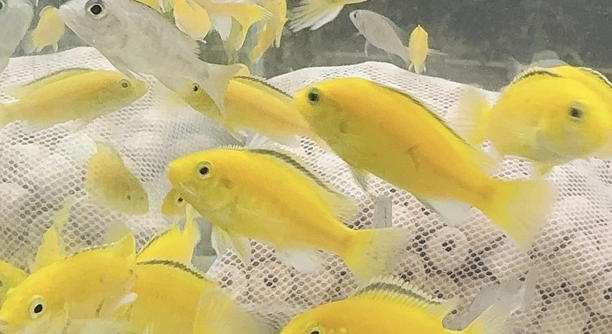
Have you ever noticed your aquarium feeling a bit unsettled as your cichlid becomes more assertive in its space, creating subtle shifts in the tank dynamic that catch your attention each time you observe closely.
A cichlid claims territory by displaying consistent patterns of dominance, including guarding specific areas, chasing intruders, flaring fins and rearranging substrate. These behaviors indicate spatial ownership, heightened territorial awareness and an effort to establish control within its environment at times.
These signs reflect natural instincts that shape your cichlids daily life, offering insights that help you understand its growing confidence.
Protective Posturing
When a cichlid begins to claim territory, one of the first things you may notice is the way it positions its body around a chosen area. It might hover closely near rocks, plants or caves, creating a clear boundary that it rarely moves away from for long. This behavior can appear subtle at first, but with daily observation it becomes easier to recognize the pattern. I have seen how a cichlid slowly tightens its circle of comfort, inspecting the same spot throughout the day as if reassuring itself that nothing has changed. During this stage, the fish may begin to stiffen its posture whenever another fish approaches its preferred space. These moments help you understand how strongly it feels about maintaining control. Watching this shift can be interesting, because it reveals the early signs of territorial ownership forming before more intense behaviors begin to show. These patterns become clearer daily.
This early guarding behavior often helps you identify a growing claim that shapes how the fish interacts with the rest of the tank. It marks the shift from casual swimming to intentional control, giving you a better sense of what may develop next as confidence increases within the tank environment.
As the territory becomes more defined, the fish starts showing firmer physical signals. It may flare its fins more frequently, rise slightly in the water and stiffen its movement when another fish enters the space. These actions are not sudden, they build gradually as the fish gains a stronger sense of possession. I have noticed how these cues can shift from soft warnings to clearer signs that the area is no longer neutral. Understanding these moments can help you read the tank more confidently, especially when multiple fish try to establish their own spaces at the same time, passing day.
Aggressive Chasing
Once territorial confidence increases, chasing becomes more noticeable as the fish begins to enforce its boundaries. These bursts of speed are directed at any tank mate that wanders too close, creating a clear signal that the area is now under strict control and closely monitored within the shared space daily.
Chasing is one of the most recognizable signs that a cichlid has decided a section of the tank belongs to it, and the intensity of this behavior can vary depending on the individual fish and the layout of the environment. When a cichlid charges at another fish, it is usually trying to reinforce boundaries it has been shaping over time rather than starting unnecessary conflict. These moments often happen in brief bursts, with the fish returning immediately to its preferred location after pushing others away. I have seen how the pattern becomes more structured as the fish becomes more certain of its space. It might circle the area repeatedly, pause near decorations, then launch forward the moment another fish comes too close. This behavior helps maintain a buffer zone that keeps other fish from settling in the same spot. Understanding these actions can help you adjust the tank if needed, especially when certain layouts make territory too tight. Adding more hiding spots or shifting decorations can sometimes ease tension, giving each fish a place to claim without constant disputes. Watching these behaviors develop can teach you a lot about how your cichlid interprets its environment and how strongly it values a sense of control.
Nest Building Behavior
A cichlid claiming territory often begins shaping the space to its liking. You may notice it moving gravel, nudging plants or clearing a small patch of substrate. These actions show it is preparing an area it wants to maintain and protect within the tank.
Once this behavior starts, the fish becomes more focused on adjusting the environment around its chosen spot. It might dig shallow pits, shift small stones or repeatedly clear the same area as if checking that everything remains in place. I have seen how these patterns grow stronger with time, showing how dedicated the fish becomes to customizing its space. This behavior also reflects the fish’s growing comfort, because it feels secure enough to shape the tank to fit its needs. When these changes continue for several days, it becomes clear the fish has decided this section of the tank is worth protecting.
These adjustments often serve more than one purpose. The digging may create a resting zone or a safe corner, while moving plants can improve visibility so the fish can monitor movement around its space. I have watched how determined a cichlid becomes once it starts redesigning its surroundings. Even small changes matter to the fish, and it will return repeatedly until the area feels just right. This is one of the clearest behavioral signs that a claim is forming.
Increased Feeding Aggression
Feeding time can change quickly when a cichlid begins claiming territory. It may rush toward food more aggressively, block other fish from reaching certain areas or attempt to control where feeding takes place as it secures dominance within its chosen section of the tank.
This behavior can become more intense as territorial instincts grow stronger. You might notice the fish snapping at tank mates that come too close to its area during feeding, even if food is spread throughout the tank. I have seen cichlids position themselves strategically, placing their bodies between food and other fish to create a protective barrier. Over time, this pattern forms a clear link between territorial confidence and feeding behavior. The fish is not only guarding space but also managing resources within that space. Understanding this helps you adjust feeding methods if needed, such as spreading food wider or adding more feeding spots. This can reduce pressure on other fish and help keep the environment calmer when territories shift.
Color Intensification
A cichlid claiming territory often displays deeper, richer colors that stand out more than usual. This shift can appear gradually, becoming clearer as the fish grows more confident in its chosen area and begins reinforcing its presence around the tank each day.
These color changes usually signal heightened alertness and determination. I have noticed how a cichlid’s body tones sharpen when it wants to make its message clear. The fish uses these stronger colors to express dominance, making it easier for tank mates to understand its intentions.
Frequent Lip Locking
Lip locking becomes more common when two fish challenge each other for the same space. This behavior shows direct competition, with each fish testing the other’s strength and resolve. I have seen how this interaction helps determine which fish maintains control without causing serious harm when watched closely.
Increased Pacing
A territorial cichlid often patrols its chosen area by pacing back and forth. This movement helps the fish monitor any changes nearby while reinforcing its claim through steady, repetitive motion that becomes part of its daily routine.
FAQ
How can I tell the difference between normal behavior and actual territorial behavior in my cichlid?
Normal behavior usually looks relaxed, with the fish swimming around the tank without focusing on one particular area for long periods. Territorial behavior becomes clear when the fish consistently guards a specific spot, returns to it repeatedly and reacts strongly when other fish come near it. I have noticed how a territorial cichlid becomes more anchored to one location, almost as if it is checking every corner of its chosen space throughout the day. The shift becomes easier to see when the fish begins rearranging gravel, flaring its fins more often or chasing tank mates who enter its preferred zone. These signs appear in a pattern, not just once, and that steady pattern is what separates normal movement from actual territorial claims. Understanding this difference helps you read your tank with more confidence, especially when changes seem small at first but grow more noticeable over time.
Why do cichlids become territorial even in larger aquariums?
Territorial behavior is natural for many cichlid species, and it often appears even in big tanks because the fish rely on defined areas to feel secure. A larger tank can reduce conflict, but it does not remove the instinct to claim space. I have seen cichlids choose a certain rock or cave even when many options are available, simply because the fish wants a familiar point it can defend and return to. This type of behavior is deeply rooted in their nature, so space alone does not stop it. What space does is help you manage tension, because each fish is more likely to find an area without competing as much. When the setup includes hidden corners, plants and structures, the fish can separate more easily, which lowers stress while still allowing them to follow their natural instincts.
Is territorial behavior harmful to the rest of the fish in the tank?
Territorial behavior is not automatically harmful, but it can become stressful for other fish if the cichlid becomes too aggressive or controls too much of the tank. I have watched situations where one cichlid guards a small area without causing major trouble, and other times where the fish tries to extend its control farther than necessary. The impact depends on tank size, layout and the personalities of the fish involved. When tank mates have their own places to settle, tension remains low and interactions stay manageable. Problems usually come from crowded environments, limited hiding spaces or species that naturally compete more fiercely. By adjusting the layout, adding plants or creating more covered spots, you can reduce stress and help every fish feel safer. Observing your tank daily helps you catch issues early so you can make changes before things escalate.
What can I do to reduce territorial tension in the aquarium?
You can reduce tension by rearranging decorations, adding more hiding spots, spreading food across the tank and ensuring that no area becomes too narrow for multiple fish to pass comfortably. I have seen how small layout changes can completely shift the way fish behave. When you move rocks or plants, the territory lines reset, giving the fish a chance to settle into new spaces instead of clinging to an old claim. Increasing sight breaks helps fish avoid each other naturally, lowering conflict during swimming, feeding and resting periods. Maintaining stable water quality also plays a role, since stressed fish become more reactive and more likely to defend space aggressively. When everything in the tank feels balanced, cichlids tend to hold smaller, more manageable territories that do not overwhelm other fish.
Do all cichlids show territorial behavior in the same way?
Different species show territorial behavior with varying intensity. Some defend their space only during specific times, while others maintain territory daily. I have noticed how certain cichlids rely heavily on chasing, while others focus more on nesting, pacing or flaring. Even within the same species, individual fish have unique personalities that influence how strongly they protect space. Some fish claim only a small corner and stay peaceful as long as tank mates stay away, while others try to control larger sections. Understanding your fish comes from steady observation, because over time you learn its habits, triggers and comfort zones. This helps you create an environment that supports natural behavior without allowing it to become overwhelming for the rest of the tank.
Final Thoughts
Territorial behavior in cichlids can feel intense at times, but it often makes more sense once you understand what the fish is trying to communicate. These actions come from natural instincts that help the fish create a space where it feels secure. When you watch these patterns closely, you begin to see how each movement, adjustment and reaction fits into a larger picture of comfort and control. I have noticed that even small changes in the tank can shift a cichlid’s behavior, especially when the fish feels uncertain or challenged. Giving the fish room to settle into a safe spot can make a big difference in how peacefully it interacts with the rest of the tank. Observing these moments allows you to respond in ways that keep the environment balanced. With time, you learn to recognize the signals that show when the fish is calm, when it is tense and when it needs a bit more space.
Creating a stable environment not only supports the territorial fish but also helps every other fish in the tank feel safer. Cichlids rely heavily on structure, so adding plants, rocks and hiding spots can reduce conflict and make the tank feel more natural. I have seen how a well planned layout encourages healthier behavior, because each fish can choose a space without constant interruption. When the tank feels open enough for movement but structured enough for privacy, the fish settle into a routine that keeps them comfortable. Feeding habits also improve when the layout supports clear areas for each fish. Spreading food in different spots can reduce tension during meals, especially when a dominant fish tries to control one section. Maintaining clean water and steady conditions helps, because stressed fish often become more territorial. With attention to these details, the tank becomes a place where natural behavior does not lead to overwhelming stress.
As you continue watching your cichlid, you start recognizing how its actions reflect its daily needs. The shifts in color, posture and pacing show how it responds to activity around it. These patterns help you understand when the fish feels confident and when it feels threatened. Paying attention to these signals allows you to make small adjustments that guide the tank toward a calmer balance. The more you learn about your fish, the easier it becomes to predict changes and support a healthier environment. Territorial behavior does not have to create constant conflict. With thoughtful care, the tank can remain peaceful, giving each fish a comfortable place to grow. Over time, these efforts create a setting where instincts and harmony can exist together.

Hello,
If you enjoy the content that we create, please consider saying a "Thank You!" by leaving a tip.
Every little bit helps us continue crafting quality advice that supports the health, happiness, and well-being of pets around the world, for pets of all shapes, sizes, and species.
We really appreciate the kindness and support that you show us!