
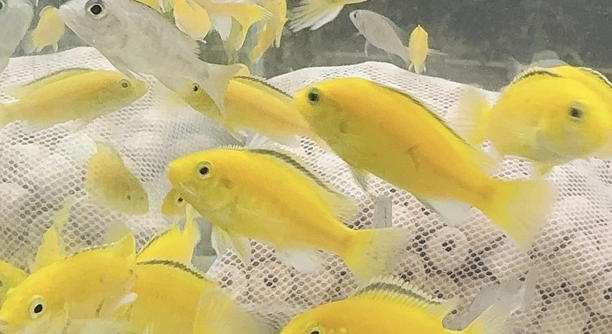
Electric Yellow Cichlids are lively and colorful fish that bring life to any aquarium. Sometimes, even the healthiest-looking fish may suddenly stop eating. Observing their behavior early can help prevent long-term health issues and stress.
Electric Yellow Cichlids may stop eating due to water quality changes, illness, stress from tankmates, improper diet, sudden environmental changes, breeding behavior, or aging. Identifying the cause is essential to restore normal feeding habits and maintain overall health.
Understanding these situations will help you take timely action. Learning the signs and solutions ensures your cichlids remain healthy, active, and thriving in their aquatic environment.
Poor Water Quality
Electric Yellow Cichlids are sensitive to their environment, and poor water quality can quickly affect their appetite. High ammonia or nitrite levels, low oxygen, or improper pH can stress them. Even if the fish appear active, they may refuse food to conserve energy. Regular water testing and partial water changes are essential. Sudden changes in temperature or the buildup of waste can also reduce feeding behavior. Observing color changes or unusual swimming patterns often signals water issues. Using a reliable water test kit helps monitor these parameters. Keeping the tank clean and maintaining filtration systems will prevent long-term health problems. Stress from poor water conditions can make fish more prone to infections. Even small adjustments, like reducing uneaten food, can improve water quality. Consistency in water maintenance keeps cichlids healthy and encourages regular feeding. Over time, stable conditions build stronger immunity and reduce stress responses.
Maintaining stable water conditions, including proper pH, temperature, and cleanliness, is critical to ensure Electric Yellow Cichlids continue eating and remain healthy.
Regular monitoring and minor adjustments make a big difference. Observing behavior closely helps you react before issues worsen. Small daily checks are easier than dealing with major health problems later.
Stress from Tankmates
Stress from aggressive or incompatible tankmates can cause cichlids to stop eating. Dominant fish may chase or nip at Electric Yellow Cichlids, making them hide or refuse food. Even peaceful species can inadvertently intimidate smaller or shy fish. Constant harassment raises cortisol levels, which suppress appetite. Rearranging decorations or providing hiding spots can help reduce tension. Monitoring interactions closely helps identify which fish are causing stress. Introducing new fish gradually can prevent sudden aggression. Sometimes, separating particularly aggressive individuals is necessary to restore balance. Stress can also result from overcrowding, which increases competition for food and territory. Keeping the tank size appropriate and limiting the number of fish helps maintain harmony. Environmental enrichment, like rocks and plants, can reduce stress by giving cichlids safe spaces. Over time, a calm and well-structured tank encourages natural feeding behaviors and healthier, more active fish overall.
Observing fish interactions carefully allows you to address stress promptly and restore normal feeding habits.
Managing tankmate stress requires patience and attention. You may need to rearrange the tank, remove aggressive fish, or add hiding spots. Providing each cichlid a safe area reduces fear and competition, improving appetite. Maintaining stable social dynamics supports long-term feeding behavior. Regular observation ensures you catch problems early, allowing adjustments before stress affects health or growth. Creating a balanced environment helps all fish thrive while minimizing conflicts. Even subtle changes, like adding plants or changing decorations, can reduce tension significantly. Consistent feeding schedules and careful portion control also help stressed fish regain confidence and start eating again. Over time, a calmer tank promotes overall health and encourages normal social interactions among cichlids.
Do you want me to continue with the next sections of the article?
Illness or Disease
Illness can make Electric Yellow Cichlids stop eating suddenly. Common issues include bacterial infections, parasites, or internal problems. Early signs like lethargy, faded colors, or unusual swimming indicate something is wrong. Quick action helps prevent serious health decline.
Treating sick cichlids requires identifying the exact problem. Bacterial infections often need antibiotic treatment, while parasites may require antiparasitic medications. Quarantining affected fish prevents spreading illness to others in the tank. Observing behavior daily helps catch subtle changes early. Water quality also influences recovery, as poor conditions can worsen illness. A consistent routine of feeding, water changes, and monitoring improves immunity. Sometimes adjusting diet to softer, easily digestible foods helps fish regain appetite. Professional advice from an aquatic veterinarian may be necessary for persistent or severe symptoms.
Even minor infections can stop a cichlid from eating. Immediate attention, proper treatment, and isolation if needed often restore normal feeding. Regular health checks are essential for maintaining strong, active fish and preventing recurring problems.
Sudden Environmental Changes
Temperature swings or moving the tank can shock Electric Yellow Cichlids, causing them to stop eating. They are sensitive to rapid changes and need stable surroundings for regular feeding. Small adjustments prevent stress.
Electric Yellow Cichlids react strongly to environmental changes. Shifts in temperature, lighting, or tank location disrupt their natural routines. Even minor disturbances, like cleaning the tank too aggressively, can make them hide and refuse food. Gradual changes help fish acclimate without losing appetite. Stress from environmental shifts weakens immunity and increases vulnerability to illness. Monitoring water temperature with a reliable heater or thermometer ensures stability. Reducing sudden vibrations or noise around the tank also helps maintain calm. Over time, a consistent environment encourages regular feeding and natural behavior patterns. Maintaining predictable schedules for feeding and maintenance reinforces a sense of security, which is essential for appetite recovery.
Keeping a steady environment is crucial. Predictable feeding times, gentle maintenance, and stable water conditions reduce stress. Avoid abrupt changes in temperature or lighting, as these can negatively affect health. Consistency allows fish to feel safe, promoting normal eating habits. Observing reactions after any adjustment ensures they adapt well. Using gradual transitions, such as slow water temperature changes or moving tank decorations in stages, minimizes anxiety. A calm, stable tank helps fish regain confidence and appetite. Proper planning of environmental changes prevents unnecessary stress and keeps cichlids active, healthy, and feeding regularly.
Improper Diet
Electric Yellow Cichlids may stop eating if their diet is unbalanced. Feeding only one type of food can lead to nutrient deficiencies and reduced appetite. Variety is key for maintaining interest and health.
Overfeeding or giving inappropriate foods can also affect their eating habits. Too many flakes or low-quality pellets may not provide enough nutrients, while sudden changes in diet can shock their digestive system. Offering a mix of high-quality pellets, frozen or live foods, and occasional vegetables helps stimulate appetite and ensures proper nutrition. Gradually introducing new foods makes it easier for them to accept different textures and flavors. Observing which foods they prefer and adjusting portions accordingly prevents waste and promotes consistent feeding behavior. Proper nutrition supports growth, coloration, and overall health, keeping cichlids active and strong.
Breeding Behavior
During breeding periods, Electric Yellow Cichlids often eat less or stop eating altogether. Their focus shifts to protecting territory and eggs, reducing interest in food.
Caring for breeding pairs requires patience. Providing extra hiding spots and maintaining optimal water conditions reduces stress. Feeding smaller portions or easily digestible foods can help maintain health without forcing feeding.
Aging
Older cichlids may naturally eat less. Metabolism slows, and they become less active, making frequent feeding unnecessary.
Why has my Electric Yellow Cichlid suddenly stopped eating?
A sudden loss of appetite can be caused by stress, illness, or environmental changes. Check water quality, tankmates, and recent changes in temperature or lighting. Illness or parasites may also make them hide and refuse food. Observing behavior and appearance closely helps identify the cause.
How do I know if water quality is affecting my cichlid’s appetite?
Look for signs like faded colors, lethargy, or gasping at the surface. Test ammonia, nitrite, nitrate, and pH levels regularly. Poor water quality is a leading reason cichlids stop eating. Performing partial water changes and maintaining proper filtration can improve feeding behavior.
Can stress from other fish cause my cichlid to stop eating?
Yes, aggressive tankmates can intimidate Electric Yellow Cichlids. Stress raises cortisol levels and suppresses appetite. Providing hiding spots, rearranging decorations, or separating aggressive fish helps reduce stress. Overcrowding also increases competition for food and territory, which can affect eating habits.
Could illness be the reason my cichlid isn’t eating?
Illness is a common cause. Bacterial infections, parasites, or internal problems may make cichlids lethargic and uninterested in food. Quarantining sick fish and using appropriate medication is important. Even minor infections can suppress appetite if not treated promptly. Observing subtle behavioral changes helps catch illness early.
Does diet play a role in appetite loss?
Yes, an unbalanced or repetitive diet can reduce feeding interest. Overfeeding, low-quality pellets, or sudden diet changes may shock their digestive system. Offering a variety of pellets, frozen or live foods, and occasional vegetables keeps them interested and ensures proper nutrition. Gradual introduction of new foods improves acceptance.
Do breeding behaviors affect eating habits?
During breeding periods, Electric Yellow Cichlids often eat less. They focus on protecting eggs or territory, which reduces interest in food. Providing extra hiding spots and stable water conditions supports their health. Small, easily digestible meals can maintain strength without forcing feeding.
Can environmental changes make cichlids stop eating?
Yes, sudden changes in temperature, lighting, or tank placement can cause stress and appetite loss. Gradual adjustments help them adapt without affecting feeding behavior. Consistency in water parameters and tank routines encourages normal eating habits. Minimizing vibrations and sudden disturbances also reduces stress.
Is it normal for older cichlids to eat less?
Older cichlids have slower metabolisms and may naturally reduce food intake. Less activity means they don’t require as much nutrition. Adjusting feeding portions prevents overfeeding while maintaining health. Observing behavior ensures they remain active and strong despite age-related changes.
What steps can I take to encourage eating again?
Identify the cause first. Adjust water quality, reduce stress, ensure diet variety, and treat any illnesses. Offer easily digestible foods and maintain stable environmental conditions. Patience is key, as some cichlids take time to regain appetite. Regular observation and proactive care prevent further issues.
How long can a cichlid go without eating safely?
Healthy adult Electric Yellow Cichlids can survive a few days without food, but prolonged loss of appetite can weaken immunity. Young or sick fish are more vulnerable. Quick action is necessary to restore feeding and prevent complications. Monitoring water quality and tank conditions supports recovery.
Can I prevent appetite loss in my cichlids?
Maintaining stable water conditions, compatible tankmates, and a varied diet reduces risk. Avoid sudden environmental changes and monitor fish for early signs of illness or stress. Consistent feeding schedules and gentle maintenance help cichlids remain healthy and eating regularly.
What signs indicate a serious problem requiring professional help?
Persistent loss of appetite, rapid weight loss, faded colors, abnormal swimming, or visible sores suggest serious health issues. Consulting an aquatic veterinarian or experienced fish specialist ensures proper diagnosis and treatment. Early intervention improves recovery chances and prevents spread to other fish.
How can hiding behavior relate to appetite loss?
Cichlids often hide when stressed, sick, or uncomfortable. Reduced movement and hiding frequently correlates with appetite loss. Providing shelters and reducing disturbances encourages them to feel safe, gradually restoring normal feeding patterns.
Does water temperature affect eating habits?
Temperature outside the optimal range can slow metabolism or stress fish, reducing appetite. Maintaining consistent, appropriate water temperature ensures cichlids remain active and hungry. Sudden fluctuations can trigger hiding and disinterest in food.
Are there foods that can help stimulate appetite?
Live foods, frozen shrimp, or small insects often entice cichlids to eat. These options provide variety, essential nutrients, and stimulation. Offering a mix of high-quality pellets and occasional live foods encourages regular feeding and keeps them engaged with mealtime.
How often should I check my cichlid for feeding issues?
Daily observation is ideal. Monitor behavior, color, swimming patterns, and response to food. Early detection of appetite changes allows you to address environmental, dietary, or health issues before they become serious. Consistent care prevents long-term health problems.
What role does tank size play in feeding behavior?
Overcrowded tanks increase competition and stress, often causing some fish to eat less. Providing adequate space for each cichlid and reducing aggressive interactions supports regular feeding. Proper stocking levels also prevent territorial disputes and encourage calmer, more predictable behavior.
Can supplements improve appetite?
Certain vitamins or immune-boosting supplements can support overall health, but they should not replace a balanced diet. Consult product instructions or a fish specialist before use. Supplements help fish regain strength and maintain energy, especially after illness or stress.
Are there signs my cichlid will start eating again?
Returning interest in hiding less, swimming actively, and approaching food are positive signs. Gradual increase in appetite often follows improvement in water conditions, reduced stress, or successful treatment of illness. Consistent care supports a full return to normal feeding.
How do I safely introduce new foods?
Introduce one type at a time in small amounts. Mix with familiar foods initially to encourage acceptance. Gradual changes prevent digestive upset and help cichlids adjust to new textures and flavors. Observing reactions ensures they are eating comfortably.
How long does it take for a cichlid to regain appetite?
Recovery time varies depending on cause. With stable water, proper diet, and low stress, many cichlids resume normal feeding within a few days to a week. Illness or severe stress may require longer observation and treatment. Patience and careful monitoring are essential.
Can fasting ever be beneficial?
Short fasting periods, one or two days, can sometimes help digestion or adjust feeding routines. Extended fasting is harmful, especially for young or ill fish. Use fasting cautiously and always monitor health and behavior closely.
What habits prevent future appetite issues?
Consistent feeding schedules, water maintenance, observing tankmates, and varied diet reduce the likelihood of appetite loss. Avoid sudden changes, monitor health regularly, and address stress promptly. These practices support long-term cichlid health and consistent feeding behavior.
How do I distinguish stress from illness?
Stress usually causes hiding, reduced activity, or pale colors without physical signs. Illness often includes sores, swelling, abnormal swimming, or rapid weight loss. Both can reduce appetite, but illness requires immediate treatment. Observing patterns over time helps distinguish the cause.
How important is quarantine for new fish?
Quarantining new fish prevents disease introduction, reduces stress on existing cichlids, and allows monitoring for appetite issues. Even healthy-looking fish may carry parasites or bacteria. A two-week quarantine period is recommended to ensure safe integration.
Can lighting affect feeding behavior?
Sudden bright lights or changes in lighting schedules can stress cichlids and reduce appetite. Maintaining a consistent day-night cycle helps regulate behavior. Providing shaded areas or hiding spots also encourages feeding by reducing stress during bright periods.
Is appetite loss a sign of aging?
Older cichlids naturally eat less due to slower metabolism. Reduced activity lowers energy needs. Adjusting portion sizes prevents overfeeding while maintaining health. Observing behavior ensures older fish remain active and comfortable.
Are there warning signs before appetite loss occurs?
Subtle changes like hesitation at food, swimming near tank edges, or hiding more than usual may precede full appetite loss. Early detection allows prompt action, whether improving water conditions, adjusting diet, or addressing stress.
How do I manage multiple issues affecting appetite?
Identify all contributing factors: water quality, diet, stress, illness, and environment. Address each systematically. Stabilizing the tank, providing proper food, treating illness, and ensuring calm surroundings collectively restore normal feeding. Patience and observation are key to long-term results.
What role does social hierarchy play in feeding?
Dominant fish can intimidate others, causing subordinate cichlids to eat less. Observing interactions and providing multiple feeding spots reduces competition. Rearranging decorations or temporarily separating aggressive fish ensures all cichlids receive proper nutrition.
Can appetite loss be permanent?
If underlying causes are untreated, chronic appetite loss may occur. Long-term stress, untreated illness, or poor environment can lead to irreversible health decline. Prompt action is essential to prevent permanent effects.
Are there signs that appetite will not return naturally?
Continuous hiding, rapid weight loss, persistent lethargy, or visible illness after improvements indicate appetite may not return without intervention. Veterinary care or specialized treatment becomes necessary to restore feeding and health.
Does tank decoration impact feeding behavior?
Insufficient hiding spots or overcrowded decorations increase stress, affecting appetite. Adding rocks, plants, or caves provides security. Proper tank layout encourages exploration, reduces stress, and supports regular feeding.
Can water chemistry fluctuations cause long-term appetite issues?
Frequent changes in pH, hardness, or temperature create chronic stress, weakening immunity and reducing feeding. Maintaining stable water chemistry prevents recurring appetite problems and supports long-term cichlid health.
How do I encourage shy or timid cichlids to eat?
Feed in quiet areas, provide multiple feeding spots, and reduce aggressive interactions. Gradually introducing food while minimizing disturbances helps timid fish feel safe and regain interest in eating.
Can seasonal changes affect appetite?
Natural changes in temperature or daylight can impact metabolism and feeding. Maintaining consistent tank conditions minimizes seasonal appetite swings and supports stable, healthy eating habits.
What precautions should I take when treating appetite loss?
Always test water quality first, observe behavior, and identify possible stressors. Use medications carefully, isolate sick fish if needed, and monitor recovery. Avoid overfeeding or abrupt diet changes during treatment. Proper precautions ensure effective and safe restoration of appetite.
How do I track feeding progress effectively?
Keep a log of feeding times, amounts eaten, and behavior. Note changes in water parameters, tankmates, or environmental conditions. Tracking progress helps identify patterns, assess interventions, and ensure cichlids return to normal eating habits reliably.
Can fasting periods help identify underlying issues?
Short fasting may reveal digestive problems or reluctance to eat certain foods. Combined with careful observation, fasting helps determine whether appetite loss is due to illness, stress, or diet. Extended fasting should be avoided to prevent health risks.
How do I prevent recurrence of appetite loss?
Consistent care, monitoring water quality, maintaining a balanced diet, reducing stress, and addressing health issues early prevent future appetite problems. Regular observation and proactive measures ensure cichlids remain healthy and feeding consistently.
Can temperature adjustments stimulate appetite?
Small, gradual increases within safe limits may encourage feeding, as slightly warmer water can boost metabolism. Sudden or extreme changes, however, create stress and should be avoided to protect overall health.
Are there supplements that help recover appetite?
Immune-boosting vitamins or supplements may support recovery after illness or stress. They should complement a balanced diet, not replace it. Proper use helps cichlids regain strength and appetite efficiently.
Does tank location influence feeding?
High traffic, vibrations, or noise near the tank can stress cichlids, reducing appetite. Placing the tank in a quiet, stable area encourages calm behavior and regular feeding.
Can overfeeding contribute to appetite loss?
Yes, overfeeding leads to poor water quality, digestive issues, and disinterest in food. Feeding appropriate portions and removing uneaten food prevents health and appetite problems.
What is the role of observation in managing appetite loss?
Daily observation allows early detection of stress, illness, or environmental issues. Noticing subtle changes in behavior, swimming, or feeding ensures prompt action, preventing long-term health decline and promoting consistent appetite.
How important is routine for feeding behavior?
Cichlids thrive on routine. Consistent feeding schedules, water changes, and environmental conditions support regular eating patterns. Sudden disruptions can stress fish, leading to temporary or long-term appetite loss.
How do I balance multiple factors affecting appetite?
Address diet, water quality, tankmates, stress, and health simultaneously. Stabilize conditions, offer varied foods, treat illness promptly, and minimize disturbances. Coordinated care restores feeding behavior and maintains long-term health.
Can small tank adjustments improve appetite?
Rearranging decorations, adding hiding spots, or creating separate feeding areas reduces stress and encourages shy fish to eat. Even minor changes can have a positive impact on feeding behavior.
How do I know when to seek professional help?
If appetite loss persists despite proper care, or signs of illness appear, consult an aquatic veterinarian. Professional guidance ensures accurate diagnosis and effective treatment, protecting your fish’s health.
How long should I monitor before assuming recovery?
Monitor daily for one to two weeks after interventions. Appetite should gradually return. Persistent refusal to eat indicates underlying problems requiring further attention or professional care.
Can tank maintenance routines affect feeding behavior?
Harsh cleaning or frequent disruptions may stress cichlids, causing temporary appetite loss. Gentle maintenance, consistent schedules, and minimal disturbances support normal feeding habits.
How do I safely treat multiple fish with appetite loss?
Quarantine affected individuals, test water quality, and provide appropriate treatment. Maintain feeding routines and monitor recovery closely. Treating multiple fish simultaneously requires careful planning to avoid spreading illness or causing additional stress.
Are there behavioral signs that precede appetite loss?
Hiding, hesitation near food, reduced activity, or color changes often precede full appetite loss. Early detection allows preventive measures, such as water adjustments, stress reduction, or dietary changes, before feeding declines severely.
How important is tank filtration for feeding behavior?
Proper filtration maintains water quality, preventing stress and illness that reduce appetite. Regular filter maintenance ensures clean water, stable parameters, and healthier, more active cichlids.
Can social enrichment affect appetite?
Providing hiding spaces, plants, and decorations encourages exploration and reduces stress. A stimulating environment helps timid or stressed fish regain confidence and feeding interest.
What long-term habits ensure consistent feeding?
Regular observation, balanced diet, water quality management, stress reduction, and disease prevention promote stable appetite. Consistency in care and environment supports healthy, active, and feeding Electric Yellow Cichlids over time.
How do I differentiate normal fasting from health issues?
Short breaks in feeding are normal occasionally, but prolonged disinterest, weight loss, or unusual behavior indicates health problems. Monitoring over several days helps distinguish normal fasting from serious issues.
Are there environmental indicators that affect feeding?
Temperature fluctuations, lighting changes, and noise levels all impact appetite. Maintaining stable, calm, and predictable conditions encourages regular feeding and reduces stress-induced refusal of food.
How do I support recovery after illness-related appetite loss?
Provide a quiet environment, stable water parameters, and easily digestible food. Monitor closely and avoid sudden changes. Supporting recovery helps fish regain energy, immunity, and normal feeding patterns efficiently.
What preventive measures reduce future appetite problems?
Stable water quality, consistent feeding, stress management, proper diet, and early illness detection prevent recurring feeding issues. Routine observation and proactive care maintain long-term cichlid health and eating behavior.
How can I tell if appetite loss is permanent?
Persistent disinterest in food despite stable conditions, ongoing illness, or chronic stress may indicate permanent issues. Professional evaluation is necessary to prevent further decline and protect remaining health.
Are there minor signs I should not ignore?
Small changes like hesitation at food, hiding, or color fading often precede full appetite loss. Early attention allows intervention before serious health or feeding problems develop.
Does water hardness impact feeding?
Extreme or fluctuating hardness levels can stress cichlids and affect digestion, leading to reduced appetite. Maintaining consistent, moderate water hardness supports feeding behavior and overall health.
Can selective feeding habits cause problems?
Favoring one type of food can lead to nutrient deficiencies and reduced interest in other foods. Offering a balanced diet and gradually rotating foods encourages consistent eating and proper nutrition.
How do I manage appetite loss during breeding?
Provide extra hiding spots, maintain optimal water conditions, and offer small, digestible meals. Avoid forcing food. Focus on stress reduction while supporting energy needs during breeding periods.
Are there signs that recovery is complete?
Active swimming, approaching food readily, consistent eating, and normal coloration indicate restored appetite. Continued observation ensures long-term feeding stability and overall health.
What role does tank size play in feeding behavior?
Smaller or overcrowded tanks increase stress and competition, reducing appetite. Properly sized tanks with adequate space allow calm, predictable feeding patterns and healthier fish overall.
Can feeding techniques improve appetite?
Using multiple feeding spots, gentle placement of food, and offering live or frozen options encourages timid or stressed cichlids to eat. Adjusting techniques based on behavior improves overall feeding success.
Is it normal for appetite to fluctuate daily?
Minor fluctuations may occur due to activity levels or natural rhythms. Persistent refusal or significant reduction requires investigation to prevent health problems. Daily monitoring ensures any issues are addressed promptly.
How do I maintain appetite in a mixed-species tank?
Ensure compatible tankmates, multiple feeding areas, and stress reduction. Monitor interactions closely and adjust feeding routines. Preventing bullying or competition ensures all cichlids receive adequate nutrition and maintain regular feeding.
Can stress from handling affect feeding?
Frequent or rough handling causes fear and reduces appetite. Minimize disturbances during tank maintenance and feeding. Gentle handling supports calm behavior and encourages consistent eating.
Are there indicators of successful appetite recovery?
Increased activity, curiosity during feeding, and gradual weight gain show recovery. Regular observation confirms normal feeding patterns have returned and fish are regaining strength.
How does water flow affect feeding?
Strong currents may tire cichlids or make food inaccessible, reducing interest. Moderate, even water flow ensures energy conservation and encourages regular feeding behavior.
Can I prevent appetite loss through tank design?
Providing hiding spots, clear swimming areas, and organized feeding zones reduces stress and encourages feeding. Thoughtful tank layout supports natural behaviors and consistent eating.
Does light cycle consistency matter for feeding?
Regular day-night cycles regulate activity and appetite. Inconsistent lighting can stress fish and reduce interest in food. Maintaining stable
Electric Yellow Cichlids are vibrant and lively fish, but they can be sensitive to changes in their environment, diet, and social interactions. Appetite loss is a common issue and often signals that something in their tank or routine needs attention. By paying close attention to water quality, tankmates, diet, and overall behavior, you can often identify the reason they stop eating before it becomes a serious problem. Regular observation is essential, as small changes in swimming patterns, color, or activity levels can indicate early stress or illness. Addressing these issues promptly can prevent long-term health problems and help your cichlids maintain their natural energy and appetite. Even minor adjustments, such as adding hiding spots or adjusting the feeding routine, can make a big difference in how comfortable and confident your fish feel.
Understanding the factors that affect feeding behavior is key to keeping Electric Yellow Cichlids healthy. Poor water quality, improper diet, stress from tankmates, illness, environmental changes, breeding behaviors, and aging are all common reasons they may refuse food. Each situation requires careful attention and the right solution. For example, water tests and partial changes can restore balance in the tank, while isolating sick fish or treating illness can prevent further complications. Ensuring a varied and nutritious diet encourages consistent feeding, and creating a calm, stable environment reduces stress. Even simple steps, like observing interactions among tankmates or gradually introducing new foods, can help shy or stressed fish regain their appetite. Maintaining a routine for feeding, cleaning, and monitoring water conditions gives your fish a sense of stability, which encourages regular eating and healthy behavior.
Taking care of Electric Yellow Cichlids requires patience and consistency. While it may take time to determine the exact reason for appetite loss, steady observation and thoughtful action usually restore feeding habits. Avoid rushing changes or overfeeding, as these can make problems worse. Focusing on their overall health, rather than just whether they are eating, is important because appetite is often a reflection of their well-being. By maintaining clean water, providing nutritious food, reducing stress, and monitoring behavior, you create an environment where your cichlids feel safe and confident. Over time, these practices support long-term health, vibrant colors, and natural activity levels. Paying attention to the little details, like hiding spots, tank layout, and interactions with other fish, can prevent future issues and ensure that your Electric Yellow Cichlids remain active, happy, and feeding consistently for years to come.

Hello,
If you enjoy the content that we create, please consider saying a "Thank You!" by leaving a tip.
Every little bit helps us continue crafting quality advice that supports the health, happiness, and well-being of pets around the world, for pets of all shapes, sizes, and species.
We really appreciate the kindness and support that you show us!