
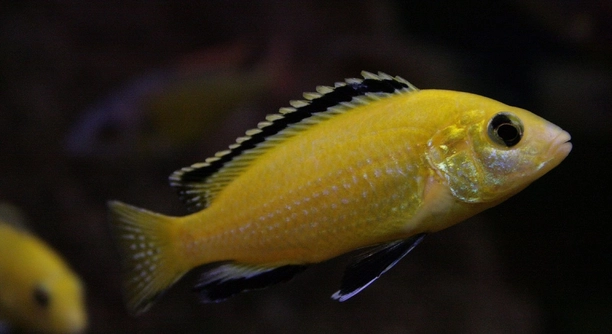
Cichlids are colorful and lively fish that need the right environment to thrive. Proper tank maintenance is essential, and the filter you choose plays a big role in keeping their water clean and healthy.
The best filter settings for cichlids combine moderate water flow, efficient mechanical and biological filtration, and consistent maintenance. Optimal temperature and oxygenation levels ensure cichlids remain healthy, while proper placement of filter equipment prevents stress and promotes stable water quality.
Choosing the right settings can make a big difference in your cichlids’ behavior and tank clarity. Understanding these adjustments will help maintain a thriving, balanced aquarium environment for years.
Choosing the Right Flow Rate
Cichlids need water that moves, but not too violently. A moderate flow rate keeps debris suspended for the filter to capture without stressing the fish. Strong currents can tire them out and make it harder for them to swim naturally. When setting up your filter, observe how your fish react. They should be able to swim comfortably without being pushed against decorations or walls. Adjusting the flow allows food to spread evenly and helps oxygenate the water efficiently. It is also important to remember that some cichlid species prefer calmer areas, while others enjoy moderate currents. Balancing these needs ensures all the fish in your tank remain healthy. Additionally, regular cleaning of the filter prevents clogs that could change the flow unexpectedly, which might harm the fish. Take the time to monitor and tweak the settings as the fish grow and their tank matures.
Moderate flow keeps cichlids active without exhausting them, promoting healthy swimming patterns and proper oxygen levels.
Finding the correct flow rate requires observation. Too strong, and the fish hide constantly; too weak, and waste settles, reducing water quality. Over time, the right balance ensures fish are active, feeding properly, and their colors remain bright. Observing their behavior after adjusting the flow can help determine if further tweaks are needed. Different species may have slightly different needs, and tank decorations can alter currents. Experimenting carefully with baffles or adjusting filter outlets provides the flexibility to create ideal conditions. Proper flow not only helps the fish but also improves filtration efficiency, keeping the aquarium cleaner for longer. Regular checks ensure settings remain optimal as the tank changes.
Maintaining Biological Filtration
Biological filtration is essential for cichlids because it converts harmful ammonia into less toxic substances. Beneficial bacteria grow on filter media and substrate surfaces. Without this process, waste can build up quickly, harming the fish. A well-established biological filter reduces disease risk and keeps water stable. Use sponges, ceramic rings, or bio-balls to give bacteria plenty of surface area. Avoid changing all filter media at once, as it removes beneficial bacteria. Rinse media gently in tank water during maintenance to preserve colonies. Overfeeding or adding too many fish can overwhelm bacteria, so feed carefully and maintain an appropriate stocking level. Monitoring water parameters regularly ensures the biological filter is working effectively. Patience is key, as it takes time for bacteria populations to stabilize after introducing a new tank or filter. A strong biological filtration system provides a safer environment for your cichlids and allows them to thrive naturally.
Biological filtration is vital for converting waste into safe compounds, keeping cichlids healthy and their tank stable.
Regular monitoring of ammonia, nitrite, and nitrate levels confirms that biological filtration is functioning correctly. If levels rise, adjustments such as adding more bio-media or reducing feeding may be needed. Maintaining this balance also reduces stress for the fish, preventing behavioral issues and illness. Healthy bacterial colonies contribute to clearer water and less frequent cleaning. Over time, a strong biological filter creates a stable environment where cichlids grow strong and display their natural colors. Combining good filtration with routine tank care ensures a balanced and flourishing aquarium. Understanding how bacteria interact with fish waste helps create a more predictable, safe habitat. Regular observation and small adjustments maintain this delicate balance, supporting long-term tank health.
Mechanical Filtration
Mechanical filtration removes particles and debris from the water, keeping it clear. Sponges, floss, or pads capture uneaten food and waste before it breaks down, preventing water cloudiness and reducing stress for cichlids.
Choosing the right media is important. Thick sponges or fine floss capture smaller particles, while coarser pads handle larger debris. Place the media so water passes through evenly, maximizing debris removal. Regular rinsing in tank water prevents clogging while preserving beneficial bacteria. Mechanical filtration works best alongside biological filtration, creating a cleaner, safer tank environment. Over-cleaning can reduce efficiency, so maintain a balance between cleaning and preserving colonies.
Proper maintenance prevents buildup, which could otherwise release toxins and stress the fish. Consistent cleaning keeps water clarity high and reduces filter strain. Mechanical filtration ensures that cichlids remain in a stable, comfortable environment, free from floating waste.
Filter Placement
Placement affects flow and efficiency. Position filters to circulate water across the tank, avoiding dead spots.
Filters work best near the back or corner, allowing even water movement. Avoid placing them too close to decorations that block flow. The outlet should direct water so that it gently stirs the surface, promoting oxygen exchange without stressing the fish. For larger tanks, consider multiple filters or higher-capacity units to maintain uniform conditions. Position intake away from sand or substrate that could clog the system. Adjust height and angle to optimize water movement and prevent areas with stagnant water, which can compromise water quality. Placement also affects ease of maintenance, making routine cleaning more convenient and less disruptive to the fish. Correct placement ensures the tank remains clean and provides a healthy environment for all cichlids.
Regular Maintenance
Regular maintenance keeps filters working efficiently and water healthy. Cleaning filter media, checking flow, and monitoring water parameters prevents buildup that can stress cichlids.
Partial water changes support filtration and remove accumulated waste. Avoid over-cleaning, which can harm beneficial bacteria, and stick to a consistent schedule.
Temperature and Flow Balance
Maintaining stable temperature ensures cichlids remain active and healthy. Sudden fluctuations can stress fish and affect filtration efficiency. Filters should create a gentle, consistent current suitable for the species. Observing fish behavior helps identify if adjustments are needed. Proper balance supports feeding, swimming, and overall well-being.
Noise Reduction
Filters can create stress if too loud. Quiet operation maintains a calm tank environment for cichlids, promoting natural behavior and reducing unnecessary disturbance.
FAQ
What is the best type of filter for cichlids?
Cichlids need filters that combine mechanical, biological, and chemical filtration. Canister filters work well for larger tanks, providing strong flow and space for media. Hang-on-back filters are suitable for smaller setups. Sponge filters can be used for fry or gentle flow areas. The key is ensuring the filter is rated for your tank size and provides steady water circulation without stressing the fish.
How often should I clean my filter?
Cleaning frequency depends on tank size, fish load, and filter type. Generally, rinse mechanical media every two to four weeks. Avoid cleaning all media at once to preserve beneficial bacteria. Biological media only needs gentle rinsing in tank water. Regular checks ensure flow remains optimal and prevent clogs from debris.
Can too much filtration harm cichlids?
Yes, excessive flow can tire cichlids, especially species that prefer calmer waters. High water velocity may cause stress, disrupt feeding, and encourage hiding. Adjusting flow direction or adding baffles helps create areas of calmer water. Observing the fish regularly ensures they are comfortable with the current.
Do cichlids need chemical filtration?
Chemical filtration, like activated carbon, can remove odors and discoloration. It is not always necessary but can help maintain crystal-clear water. Replace carbon periodically to avoid reduced effectiveness. Use chemical filtration as a supplement to mechanical and biological filtration rather than a primary method.
What is the ideal flow rate for cichlids?
Moderate flow is ideal. Too weak allows debris to settle, reducing water quality, while too strong causes stress. Observe swimming behavior; fish should swim comfortably without being pushed against decorations. Adjusting the filter’s outlet or using baffles helps achieve a balanced current that benefits all species in the tank.
How do I know if my biological filtration is working?
Testing ammonia, nitrite, and nitrate levels is the most reliable method. Ammonia and nitrite should remain near zero, while nitrate stays low. Cloudy water or fish showing stress signs may indicate insufficient bacterial colonies. Proper maintenance and not overfeeding help keep the biological filter stable.
Is filter placement important?
Yes, placement affects flow and efficiency. Position filters to circulate water evenly and avoid dead spots. Outlets should gently stir the surface for oxygen exchange. Avoid blocking intake with decorations or substrate, which could reduce performance. Correct placement ensures optimal filtration and a healthier tank environment.
Can I turn off my filter overnight?
Turning filters off overnight is not recommended. Cichlids rely on continuous water movement for oxygenation and waste removal. Interrupting filtration can cause ammonia to spike and reduce oxygen levels. If power outages are frequent, consider a backup battery or air pump to maintain circulation temporarily.
How do I reduce filter noise?
Noise can stress fish. Ensure the filter is assembled correctly, fully submerged if required, and free of obstructions. Tighten connections and check for vibrations. Some filters allow adjusting flow to reduce splashing sounds. Quiet operation keeps the tank calm and cichlids relaxed.
Can multiple filters be used in one tank?
Yes, using two smaller filters can improve circulation and redundancy, especially in larger tanks. It spreads the flow more evenly and helps maintain water quality if one filter requires cleaning. Place filters strategically to avoid creating strong currents in any single area.
How long should a filter run each day?
Filters should run 24/7. Continuous operation maintains water quality, oxygen levels, and bacterial colonies. Interrupting the cycle can destabilize the tank and stress fish. Regular maintenance and monitoring allow the filter to operate efficiently without overloading or clogging.
What happens if the filter stops working?
If the filter stops, ammonia and nitrite levels can rise quickly. Fish may show signs of stress, such as gasping at the surface or hiding. Restart the filter immediately, perform partial water changes if necessary, and check for mechanical or electrical issues. Keeping spare parts can help prevent long-term problems.
Can filter media be reused?
Yes, mechanical and biological media can be reused. Rinse in tank water to remove debris but avoid using tap water, which can kill beneficial bacteria. Replace media only when it becomes damaged or loses effectiveness. Proper care ensures filtration remains efficient without disrupting the tank’s balance.
Are sponge filters effective for cichlids?
Sponge filters are gentle and provide both mechanical and biological filtration. They are ideal for fry tanks or species that prefer slower currents. For larger adult cichlids, sponge filters alone may not be sufficient, but they work well in combination with other filters.
Final Thoughts
Proper filtration is one of the most important factors for keeping cichlids healthy and happy. These fish produce a significant amount of waste, which can quickly degrade water quality if not managed properly. Using the right combination of mechanical, biological, and chemical filtration helps maintain clear, stable water, reducing stress and preventing illness. Each type of filtration has a specific role: mechanical filtration removes visible debris, biological filtration converts harmful compounds into less toxic forms, and chemical filtration can help with odor and discoloration. Paying attention to each aspect ensures the tank stays clean and the fish thrive naturally. Over time, consistent filter maintenance and observation become second nature, and it is easier to spot potential problems before they affect the fish.
Choosing the right filter and settings is not a one-size-fits-all process. Different cichlid species have unique preferences for flow and water conditions, so adjustments may be needed. Moderate flow rates generally work best, but some fish enjoy stronger currents while others prefer calmer areas. Placement of the filter also matters, as it determines how water circulates throughout the tank. Positioning the intake away from sand or gravel prevents clogging, and directing the outlet in a way that gently stirs the water surface promotes oxygen exchange. Regular monitoring and small adjustments over time help create a stable, healthy environment that meets the needs of all the fish in the aquarium. Understanding these details can prevent stress and allow cichlids to display natural behaviors.
Maintenance is equally important as choosing the right equipment. Rinsing media periodically, checking water parameters, and performing partial water changes keep filters functioning efficiently. Avoid cleaning all media at once to preserve beneficial bacteria that support biological filtration. Observing fish behavior is also key; signs of stress or unusual swimming patterns may indicate that adjustments are needed. Quiet operation reduces disturbance, while proper flow and filtration maintain water clarity and stability. Filters are not just equipment—they are an essential part of the tank ecosystem. By giving attention to proper setup, regular care, and ongoing observation, you ensure your cichlids live in a comfortable, safe environment that allows them to grow strong, display their colors, and remain active for years.

Hello,
If you enjoy the content that we create, please consider saying a "Thank You!" by leaving a tip.
Every little bit helps us continue crafting quality advice that supports the health, happiness, and well-being of pets around the world, for pets of all shapes, sizes, and species.
We really appreciate the kindness and support that you show us!