
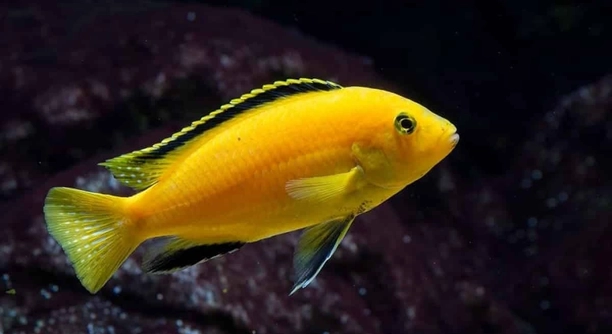
Electric yellow cichlids are known for their bright color and lively personalities. Observing them closely reveals how sensitive they are to changes in their environment over a short period. Their behavior can shift noticeably in just a week.
Seven days of stress in electric yellow cichlids result in visible changes including dulling of coloration, decreased activity, reduced appetite, and increased hiding behavior. Physiological stress markers such as cortisol levels also rise, indicating sustained environmental or social stress.
Tracking these changes helps in creating a healthier aquarium environment and understanding the daily needs of these delicate fish. It shows the importance of careful observation and proper care.
Day 1: Early Signs of Stress
On the first day of exposure to stress, electric yellow cichlids may seem mostly normal, but subtle changes start to appear. Their bright yellow color might slightly dull, and they may explore the tank less than usual. Small hesitations while swimming or pausing near hiding spots can indicate that something is off. Even minor disturbances in water conditions, such as changes in temperature or pH, can trigger these initial responses. Observing your fish closely on the first day helps in identifying stress before it escalates. It’s easy to miss these early signs if you’re not paying attention, yet catching them early allows for quick adjustments in care. Tank layout, social interactions, and water quality all contribute to how comfortable your cichlids feel. Small changes like adding a hiding place or checking water parameters can prevent further stress. Early intervention makes a significant difference in maintaining their health and natural behavior patterns.
By the end of day one, most cichlids show only slight behavioral changes, but these hints are important to note.
Keeping a daily log of movements, feeding, and interactions can reveal patterns. Even small observations like lingering near the tank surface or avoiding other fish can indicate stress. Consistency in routine helps stabilize them. Watching them during feeding times can provide clues about appetite changes. Stress can build slowly, so early detection allows for timely action. Monitoring water parameters such as ammonia, nitrites, and temperature ensures that environmental factors aren’t contributing to their discomfort. Adjustments in lighting and filtration can also help create a more stable environment. Each cichlid reacts differently, so personalization is key.
Day 3: Noticeable Behavioral Shifts
By the third day, stress becomes more obvious. Electric yellow cichlids may reduce their swimming activity and start hiding more frequently.
At this stage, physical signs like pale coloration and slight fin clamping are common. Appetite may decrease, and interactions with tank mates can become tense. Stress hormones continue to rise, affecting both behavior and physiology. Fish may linger near decorations or corners rather than exploring open areas. Aggressive interactions between dominant and subordinate fish can intensify, increasing overall tension. Feeding response is a key indicator; skipping meals or hesitating to eat suggests the stress is persistent. Even subtle environmental changes, such as water flow or lighting adjustments, can influence their mood. Maintaining optimal conditions is crucial to prevent further health decline. Careful observation and small modifications, like rearranging hiding spots or ensuring consistent feeding schedules, can reduce stress. Day three is pivotal for understanding how ongoing environmental pressures impact their well-being. Prompt attention can help reverse negative effects before they become severe.
Day 5: Heightened Stress Responses
By day five, electric yellow cichlids show clear signs of stress. They spend more time hiding, rarely exploring open areas, and their bright yellow coloration may appear muted. Feeding responses are noticeably weaker, and minor aggression between tank mates increases.
Stress at this stage affects both behavior and physical condition. Cichlids may cling to corners or decorations, avoiding interaction. Their fins may appear clamped or slightly torn from minor skirmishes. Appetite loss becomes more consistent, making it harder to maintain proper nutrition. Changes in water parameters, such as slight temperature fluctuations or pH shifts, can worsen stress responses. Social dynamics become more pronounced, with dominant fish asserting control over limited spaces. These behaviors indicate prolonged stress exposure, and careful observation is necessary to prevent long-term health effects. Adjusting the tank environment, improving hiding spaces, and ensuring stable water quality can help mitigate these responses.
Behavioral monitoring is crucial at this stage. Tracking activity, feeding, and interactions can guide timely interventions. Providing extra hiding spots and minimizing disturbances reduces stress.
Day 7: Peak Stress Indicators
By the seventh day, stress in electric yellow cichlids reaches its peak. Fish show pronounced hiding behavior, with some rarely leaving shelters. Coloration dulls significantly, and fin damage may appear from repeated skirmishes or constant tension.
At this stage, prolonged stress affects overall health. Appetite can drop sharply, leading to weight loss and weaker immune function. Fish may become lethargic, spending long periods in corners or near the tank bottom. Social aggression may escalate, with dominant fish repeatedly chasing or nipping weaker individuals. Chronic stress also increases susceptibility to disease and infection, making careful observation critical. Even minor environmental inconsistencies, like changes in light or filtration flow, can intensify stress. Interventions such as water changes, temperature stabilization, and additional hiding spots become necessary to prevent permanent damage. Continuous monitoring of behavior and physical condition is essential to support recovery and maintain a stable, healthy environment for the cichlids.
Immediate Recovery Steps
After observing a week of stress, electric yellow cichlids need immediate care. Adjust water parameters, ensure stable temperature, and provide extra hiding spaces. Reduce disturbances and maintain a consistent feeding routine to help them regain comfort.
Monitor fish closely for signs of improvement. Appetite should gradually return, and they may begin exploring the tank more. Minor fin damage can heal if aggression decreases. Slowly reintroducing normal social interactions prevents further stress. Stability in the environment is key to recovery, and careful observation allows timely adjustments. These steps help reverse the negative effects of prolonged stress efficiently.
Long-Term Stress Prevention
Preventing stress requires consistent maintenance and attention. Regular water testing for ammonia, nitrites, and pH ensures a stable environment. Adequate filtration and gentle water flow reduce sudden fluctuations that can alarm fish. Providing multiple hiding spots and varied tank structures helps cichlids feel secure. Avoid overcrowding by limiting the number of fish and monitoring social dynamics. Feeding a balanced diet at scheduled times supports physical health and reduces stress-related behavior. Observing interactions daily allows early detection of aggression or unusual behavior. Small adjustments in lighting, temperature, and decor can prevent chronic stress. Consistency and attentiveness are essential to maintain a healthy, vibrant tank.
Signs of Improvement
Fish that begin to recover will show brighter coloration and increased activity. Appetite improves, and they explore the tank more.
FAQ
How can I tell if my electric yellow cichlids are stressed?
Stress in electric yellow cichlids often shows through behavior first. Fish may hide more than usual, swim less, or stay near the tank bottom. Coloration can fade, and fins may appear clamped or slightly damaged. Appetite loss is another common indicator. Observing daily activity and feeding habits helps identify stress early. Changes in interactions with other fish, such as increased aggression or avoidance, can also signal stress.
What causes stress in electric yellow cichlids?
Stress can come from multiple sources. Poor water quality, like high ammonia, nitrites, or unstable pH, is a major factor. Temperature fluctuations or improper lighting also contribute. Social dynamics, such as overcrowding or aggressive tank mates, increase tension. Even sudden changes in tank decor or water flow can trigger stress. Consistent care and attention to these factors help maintain a calm environment.
How long does it take for stress to show?
Signs of stress can appear within the first day, though subtle at first. Over several days, behaviors become more noticeable, including hiding, reduced activity, and appetite loss. By day five or seven, physical changes like faded color or fin damage may appear. Early observation allows for timely intervention, preventing long-term health issues.
What should I do if I notice stress?
Immediate action is important. Check water quality and correct any issues. Adjust temperature and lighting if needed. Add hiding spaces to reduce tension. Reduce disturbances from outside the tank. Observe interactions between fish and separate overly aggressive individuals if necessary. Maintain consistent feeding schedules with nutritious food. Gradual improvements can be seen if the environment stabilizes.
Can diet help reduce stress?
Yes, a proper diet supports recovery. Feeding high-quality, balanced food maintains energy and immune function. Small, frequent meals are better than one large meal when appetite is low. Including vegetables or specialized cichlid pellets ensures essential nutrients. Avoid sudden diet changes, as these can add stress. Monitoring feeding behavior helps track recovery.
How can I prevent stress in the future?
Prevention relies on consistency. Regular water testing and maintenance prevent environmental fluctuations. Provide adequate hiding spaces and avoid overcrowding. Monitor fish behavior daily for early signs of tension or aggression. Maintain stable lighting and temperature. Introduce new fish or tank changes slowly to minimize shock. Creating a calm, predictable environment reduces long-term stress risks.
Is stress dangerous for my cichlids?
Chronic stress can harm health. Prolonged stress weakens the immune system, making fish more prone to disease. Appetite loss and decreased activity can lead to malnutrition or weight loss. Aggression between fish can result in injury. Preventing stress and addressing it quickly is crucial for maintaining long-term health and vibrant coloration.
How do I know if recovery is working?
Signs of improvement include brighter coloration, more active swimming, and increased exploration of the tank. Appetite should return gradually. Fins may begin healing, and social interactions normalize. Regular monitoring ensures any setbacks are addressed quickly. Patience is key, as recovery can take several days depending on the severity of stress.
Can environmental enrichment reduce stress?
Yes, adding decor, plants, and hiding spots creates a secure environment. Multiple hiding areas reduce aggression and allow fish to retreat when needed. Proper tank layout supports natural behaviors and exploration, which lowers tension. Adjustments should be gradual to prevent additional stress. Observation of how fish interact with their environment helps fine-tune enrichment.
Should I isolate stressed fish?
Isolation can be helpful if aggression is present. Separating overly dominant fish reduces injuries and allows weaker fish to recover. A small, temporary quarantine tank with hiding spots and stable water parameters works best. Avoid long-term isolation unless necessary, as social fish benefit from safe interaction with others.
Can stress affect breeding?
Yes, stressed electric yellow cichlids may not breed. Reduced activity, poor coloration, and decreased appetite interfere with mating behavior. Providing a calm, stable environment with proper nutrition and sufficient space increases the likelihood of successful breeding. Observing behavior and maintaining optimal conditions is essential.
How often should I monitor my tank to prevent stress?
Daily observation is ideal. Watch feeding habits, activity levels, and interactions between fish. Regular water testing, at least weekly, ensures parameters remain stable. Quick intervention at early signs prevents stress from escalating. Consistency in care supports long-term health and reduces the risk of chronic stress.
What are the long-term effects of repeated stress?
Repeated stress can lead to chronic illness, stunted growth, and permanent color fading. Immune suppression increases susceptibility to infections. Behavioral changes, such as constant hiding or aggression, may persist. Preventive care and stable tank conditions are essential to minimize these risks. Early detection and corrective measures are key for maintaining a healthy, vibrant tank.
Can I use stress-reducing supplements?
Some supplements may help, but they should be used carefully. Electrolytes, vitamins, or stress-relief additives can support recovery. Always follow manufacturer instructions and avoid overuse, which can create imbalances. Supplements are most effective when combined with proper tank care and environmental stability.
How do I handle new fish introductions without causing stress?
Introduce new fish gradually. Quarantine new arrivals first to prevent disease. Add them during low-activity periods and provide extra hiding spots. Monitor interactions closely and separate aggressive individuals if necessary. Gradual acclimation reduces environmental shock and helps maintain peace in the tank.
What changes should I avoid to reduce stress?
Avoid sudden changes in water parameters, lighting, or tank layout. Abrupt rearrangement of decorations or introduction of new fish can trigger stress. Maintain a stable feeding schedule and consistent care routines. Gradual adjustments are always better than sudden shifts, allowing fish to adapt without harm.
This FAQ provides guidance on recognizing, addressing, and preventing stress in electric yellow cichlids, ensuring healthier, more vibrant fish over time.
Final Thoughts
Observing electric yellow cichlids over a period of stress highlights how sensitive these fish are to their environment. Even small changes in water quality, tank layout, or social interactions can trigger noticeable behavioral and physical responses. From the first day, subtle signs like slight hesitation in swimming or reduced exploration can appear. By the third or fifth day, these signs become more pronounced, with hiding, dull coloration, and decreased appetite becoming clear indicators. Understanding these early and later signs is essential for anyone keeping cichlids. Being attentive to their daily behaviors allows owners to make small adjustments before stress becomes harmful. Even minor improvements, like adding a new hiding spot or stabilizing water parameters, can make a significant difference in their comfort. Observing carefully is not just about noticing problems but also about appreciating the nuances in their behavior. Each fish reacts differently, and recognizing individual patterns helps in tailoring care that fits their needs.
Recovery from stress requires patience and consistency. Adjustments to water quality, temperature, lighting, and tank layout should be gradual to avoid additional stress. Providing hiding spaces and ensuring that fish have enough room to move freely supports both physical and mental health. Diet plays a role as well; high-quality, balanced meals and consistent feeding times help maintain energy levels and immune function. Recovery may take several days, and progress can vary depending on the severity and duration of stress. Monitoring behavior closely during this time is important. Increased activity, brighter coloration, and normalized social interactions are positive signs of recovery. Even small improvements indicate that interventions are working. Recovery is as much about providing a stable environment as it is about observing and responding to the fish’s needs. Patience is key, and repeated observation helps confirm that the changes made are effective.
Preventing stress is just as important as addressing it. Consistent maintenance, regular water testing, proper tank population, and environmental enrichment all contribute to a healthier, calmer environment. Avoiding sudden changes in water parameters, lighting, or tank layout minimizes the risk of stress returning. Social interactions should be monitored to prevent prolonged aggression or dominance struggles. Regular observation helps catch early signs of tension before they escalate. Maintaining stability in the tank, combined with proper nutrition and care, ensures that electric yellow cichlids remain vibrant and active. By understanding the factors that cause stress, providing appropriate adjustments, and observing the fish closely, owners can support their cichlids’ overall well-being. This careful attention ensures that fish not only survive but thrive in a balanced, safe aquarium environment.

Hello,
If you enjoy the content that we create, please consider saying a "Thank You!" by leaving a tip.
Every little bit helps us continue crafting quality advice that supports the health, happiness, and well-being of pets around the world, for pets of all shapes, sizes, and species.
We really appreciate the kindness and support that you show us!