
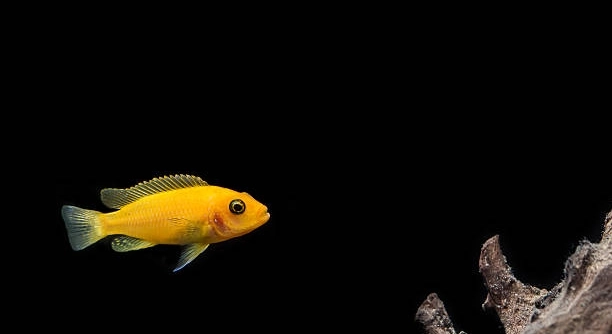
Are you fascinated by cichlids and their complex behaviors in aquariums or natural habitats? Observing their interactions can reveal interesting details about their relationships and social dynamics. These behaviors often carry subtle messages about attraction and interest.
Cichlids display mating interest through specific behaviors, including color changes, fin displays, gentle nudging, synchronized swimming, territorial displays, nest preparation, and feeding gestures. Recognizing these cues allows aquarists and researchers to understand reproductive readiness and social signals effectively.
Identifying these subtle signs can enhance your understanding of cichlids’ natural behavior and improve your ability to create a supportive environment for their breeding. Awareness of these cues can benefit both hobbyists and researchers alike.
Color Changes
Cichlids often display noticeable color shifts when they are interested in mating. Males typically brighten their hues, showing more vivid patterns along their bodies and fins. Females may also deepen colors, especially around the belly area, signaling readiness to spawn. These color changes serve as visual communication between potential mates. Observing these shifts can provide early indications of compatibility and mating intentions. Environmental factors like lighting and water quality can enhance or suppress these visual signals. Aquarists who monitor color intensity can better predict breeding behavior and intervene appropriately if needed. In some species, subtle changes in specific markings or fin edges are equally important. Color cues are not only about attraction but also about dominance and confidence. A male with brighter colors may be asserting territory while signaling reproductive fitness, whereas a female’s color change may indicate receptiveness. Tracking these subtle differences helps in creating suitable conditions for breeding success.
Color changes are one of the most reliable indicators of cichlid mating interest, offering clear visual guidance for timing interactions.
Regular observation of these color patterns allows aquarists to identify peak readiness periods, adjust tank conditions, and support natural mating behaviors effectively, improving overall breeding outcomes.
Fin Displays
Cichlids use fin displays to communicate interest and dominance. Extended or fluttering fins are common behaviors during mating interactions. Males often spread their dorsal and anal fins to appear larger and more attractive. Females may flare their pectoral fins as a subtle signal of receptiveness. These displays are more than decorative; they serve functional roles in signaling fitness and readiness. Repeated or exaggerated displays can indicate high motivation to breed or secure territory. In pairs, synchronized fin movements often accompany other behaviors like nudging or circling, strengthening bonding signals. Observing these gestures closely allows you to differentiate between aggressive posturing and mating interest. Fin displays are also influenced by environmental factors such as water current, tank layout, and lighting, which can amplify or diminish visibility. Recognizing these behaviors contributes to understanding complex social structures and predicting successful mating opportunities, ensuring the fish are comfortable and confident in their interactions.
Fin displays are subtle yet powerful ways cichlids communicate reproductive interest and social status within their environment.
Tracking these fin behaviors over time helps identify compatible pairs, reduce stress during mating attempts, and ensure both physical and environmental conditions support reproductive success.
Nudging and Gentle Touches
Nudging is a common behavior in cichlids when expressing mating interest. Fish will lightly push or bump each other to initiate interaction. This gentle contact signals curiosity, receptiveness, and potential readiness to pair or spawn.
Nudging often occurs near the tank bottom or around potential nesting sites. Males may guide females toward preferred locations by gently nudging their sides or tail. Females respond by either following or reciprocating the motion, indicating mutual interest. This behavior helps establish trust and coordination before spawning. The intensity and frequency of nudges can reveal the level of readiness, with repeated gentle touches being a positive sign. Observing these interactions provides insight into pair compatibility and timing for breeding.
These gentle touches also reinforce social bonds between potential mates. By monitoring the patterns of nudging, aquarists can identify compatible pairs, adjust tank layout for optimal interaction, and reduce stress during mating attempts, ensuring smoother reproductive behavior.
Synchronized Swimming
Synchronized swimming is a clear indicator of cichlid mating interest. Fish move together in coordinated patterns around the tank or nest area, signaling cooperation and mutual attention.
Pairs swim side by side, matching speed and turns, often circling potential spawning sites. This behavior strengthens bonds and demonstrates compatibility. In some species, the female’s movement mirrors the male’s gestures, indicating receptiveness and trust. Synchronized swimming may also involve brief pauses and fin displays, enhancing communication between the pair. Timing these displays with environmental conditions can improve breeding success. Observing the patterns carefully helps differentiate courtship from general schooling or territorial activity.
This coordinated movement reflects not only reproductive readiness but also social stability. By providing space and minimal disturbance, synchronized swimming behaviors can be encouraged, ensuring natural mating rituals proceed smoothly. Tracking these interactions allows aquarists to understand pair dynamics and support successful breeding outcomes in controlled environments.
Territorial Displays
Territorial displays are common when cichlids are preparing to mate. Fish defend specific areas, often near nesting sites, using posturing, chasing, and color intensification to signal dominance and readiness.
These displays help establish hierarchy and protect potential spawning zones. Males show aggression toward intruders while females may claim smaller spaces for egg-laying.
Nest Preparation
Nest preparation is a clear sign of mating interest. Cichlids may dig in substrate, move pebbles, or clean flat surfaces to create safe areas for eggs. These behaviors indicate readiness to spawn and signal potential partners about reproductive intentions. Nesting activity can vary depending on species, environmental conditions, and tank layout.
Feeding Gestures
Mating cichlids often show feeding gestures toward potential partners. Males or females may offer small food items or simulate feeding behaviors to demonstrate care and attract attention.
Close Proximity Swimming
Swimming closely together is a subtle but important cue of mating interest. Fish maintain minimal distance, often mirroring each other’s movements, reinforcing bonding and compatibility before spawning.
FAQ
How can I tell if my cichlids are ready to mate?
Cichlids show multiple signs of readiness, including brighter colors, extended fins, nudging, synchronized swimming, nest building, and feeding gestures. Males often display dominance and defend specific areas, while females may respond with receptive behaviors such as following or mirroring movements. Observing these interactions over several days gives the clearest picture of mating readiness.
Do all cichlid species show the same mating cues?
Not all species exhibit the same behaviors, though many share common signals like color changes and fin displays. Territoriality, nudging, and synchronized swimming may vary in intensity or style depending on the species. Understanding the natural behavior of your specific cichlids helps interpret their cues accurately. Some species prefer open spaces for nesting, while others use rocks or substrate for egg-laying, affecting how behaviors appear in captivity.
How important is nest preparation?
Nest preparation is a crucial signal of reproductive intent. It not only provides a safe area for eggs but also indicates that the fish are actively coordinating with a mate. Males may clear spaces or move substrate, while females may inspect or arrange surfaces. Consistent nest-building often correlates with successful spawning, so providing appropriate materials and locations in the tank can improve breeding outcomes.
Can I encourage mating behaviors in my tank?
Yes, environmental conditions play a significant role. Maintaining proper water temperature, pH, and cleanliness helps reduce stress and promotes natural behaviors. Adequate hiding spots, flat surfaces, or substrate for nesting encourage courtship activities. Observing cues such as color changes, fin displays, and close proximity swimming allows you to adjust tank conditions for optimal mating interactions.
Is aggression normal during mating?
Some aggression is natural, particularly when establishing territories or protecting nesting sites. Males often chase intruders, and mild posturing is common. It becomes a concern only if it escalates into severe attacks, causing injury. Separating overly aggressive individuals temporarily or providing additional space and visual barriers can reduce conflicts while allowing mating behaviors to continue.
How can I differentiate mating nudges from playful nudges?
Mating nudges are often consistent, directed, and involve specific areas such as near the belly or tail. Playful nudges tend to be random and less focused, lacking coordinated movement. Observing repeated behaviors in the context of color changes, fin displays, and synchronized swimming helps confirm mating interest.
Do environmental changes affect these subtle cues?
Yes, lighting, water clarity, and tank layout can either highlight or obscure cues. Bright lighting enhances color displays, while overcrowding can reduce effective signaling. Clear water and unobstructed areas encourage nudging, swimming, and nest preparation. Adjusting these factors supports natural behavior, allowing cichlids to communicate reproductive intent effectively.
How long does it take for cichlids to show mating interest?
Timing varies depending on species, age, and individual readiness. Some may display interest within days of pairing, while others may take weeks to demonstrate consistent behaviors. Monitoring multiple cues, such as fin displays, nudging, and nest preparation, over time provides the best indication of when mating will occur.
Are there signs that mating will fail?
Signs include persistent aggression without coordination, avoidance behaviors, lack of color changes, or neglect of nesting sites. If one fish consistently ignores cues or responds with hostility, successful mating may be unlikely. In such cases, reassessing pairing or adjusting tank conditions can improve outcomes.
Should I intervene during these behaviors?
Intervention should be minimal unless aggression becomes harmful or environmental conditions are unsuitable. Observing from a distance allows natural behaviors to progress. Providing space, hiding spots, and proper nesting areas often reduces stress and supports healthy courtship and reproductive interactions.
Can females influence male behaviors?
Yes, females play an active role by responding to displays, nudging back, or following males to nesting sites. Their responses can reinforce male behaviors, encourage fin displays, and trigger synchronized swimming, ultimately facilitating successful courtship.
How do I track these subtle cues effectively?
Regular observation and note-taking help identify patterns. Track color intensity, fin displays, nudging frequency, synchronized swimming, and nest activity. Comparing behaviors over days or weeks provides a clearer picture of readiness and compatibility, allowing better timing and support for mating attempts.
What should I provide to support these cues?
Provide clean water, stable temperature, appropriate pH, hiding spots, substrate for nesting, and adequate space for movement. These elements reduce stress and allow cichlids to display mating behaviors naturally, increasing the likelihood of successful breeding.
Can mating cues indicate health issues?
Yes, lack of expected behaviors may signal stress, illness, or poor water quality. Fish that do not display typical color changes, fin extensions, or synchronized movements may need health assessments or environmental adjustments. Supporting overall health ensures natural mating behaviors can occur effectively.
How do I know when spawning will happen?
Spawning often follows consistent displays, nest preparation, and prolonged synchronized swimming. When nudging and feeding gestures become frequent and coordinated, and both fish maintain territory near the nest, spawning is likely imminent. Monitoring these cues allows timely support and observation.
Observing cichlids for mating interest can be both fascinating and educational. These fish communicate subtly, and understanding their cues requires attention and patience. From color changes to fin displays, nudging, and synchronized swimming, each behavior carries meaning. Cichlids often combine multiple cues, making it easier to assess their readiness when observed over time. Paying attention to these details allows aquarists to better predict when pairs are ready to spawn and ensures a smoother experience in supporting natural behaviors. By recognizing these signals, you can create an environment that encourages healthy social interactions and successful reproduction without unnecessary interference or stress.
Providing the right conditions in the tank is just as important as observing behaviors. Adequate space, clean water, stable temperature, and proper substrate for nesting all contribute to the expression of mating behaviors. Territorial displays, nest preparation, and feeding gestures are enhanced when the fish feel secure and comfortable in their environment. Observing subtle signs such as close proximity swimming or repeated nudging can indicate compatibility and cooperation between potential mates. Offering these environmental supports ensures that natural behaviors are expressed fully, which increases the likelihood of successful mating while reducing stress for the fish. Careful attention to both behavior and habitat creates a balanced setup that benefits all the fish in the tank.
Understanding cichlid mating behaviors goes beyond successful breeding; it also deepens knowledge of their social and communication patterns. Subtle cues, like slight color shifts or gentle touches, reveal a complex system of signaling that reflects both attraction and hierarchy. Consistently monitoring these behaviors helps aquarists identify compatible pairs and recognize when adjustments are needed in the tank. By observing, providing suitable conditions, and interpreting behaviors accurately, you can foster a healthier, more harmonious environment for your cichlids. This approach not only supports reproduction but also contributes to the overall well-being and natural expression of the fish, making aquarium care both effective and rewarding.

Hello,
If you enjoy the content that we create, please consider saying a "Thank You!" by leaving a tip.
Every little bit helps us continue crafting quality advice that supports the health, happiness, and well-being of pets around the world, for pets of all shapes, sizes, and species.
We really appreciate the kindness and support that you show us!