
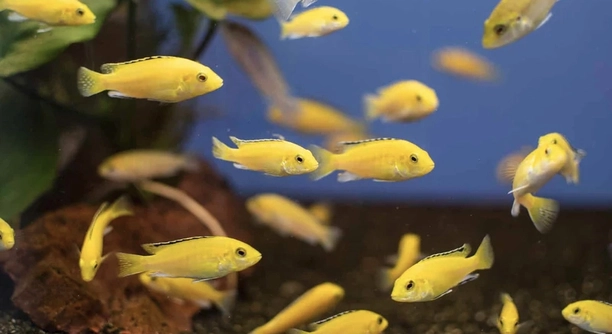
Keeping a cichlid aquarium can be a joyful hobby for many enthusiasts. However, overstocking the tank is a common mistake that often goes unnoticed until problems arise with fish health and water quality.
Overstocking cichlid aquariums leads to numerous issues, including increased aggression among fish, poor water quality, reduced oxygen levels, and higher susceptibility to disease. These factors collectively compromise the overall stability and health of the aquatic environment.
Managing the number of fish carefully is essential to maintain a balanced and thriving aquarium. Understanding the consequences of overstocking will help ensure a healthier habitat for your cichlids.
Increased Aggression Among Fish
When too many cichlids share the same tank, territorial disputes become more frequent. Each fish tries to claim its own space, leading to constant chasing, nipping, and stress. Overcrowding prevents natural hiding spots and reduces personal territory, which intensifies conflicts. Aggression can result in injuries, torn fins, and weaker fish, making them more susceptible to illness. In addition, stressed fish often show changes in behavior, such as loss of appetite or hiding excessively. These conditions make it harder to maintain a peaceful environment. Some cichlids are naturally more aggressive, so overstocking amplifies their tendencies, and even typically calm species may become hostile. Providing enough space allows each fish to establish territories and reduces fighting. Tank decorations, rocks, and plants help create visual barriers that can ease aggression. Over time, a crowded tank can lead to a cycle of stress and injury, which threatens the overall health of the aquarium and the welfare of the fish within it.
Aggression rises sharply when space is limited, causing constant stress and physical harm among the fish, impacting their health.
Carefully planning the number of cichlids and their placement in the tank can prevent most conflicts. Using shelters and separate zones allows fish to coexist more peacefully.
Poor Water Quality
Overstocking increases waste production significantly, as each fish contributes ammonia, nitrites, and nitrates to the water. Even with regular filtration, the system may struggle to keep up, causing chemical imbalances. Excess waste can cloud the water and increase the risk of harmful bacterial growth. Over time, these changes weaken fish immune systems and create an unhealthy environment, potentially leading to disease outbreaks. Water parameters fluctuate more rapidly in crowded tanks, making it harder to maintain stable pH, hardness, and oxygen levels. High fish density also limits water movement and reduces oxygen availability, particularly at lower levels of the tank. Poor water quality impacts feeding behavior, coloration, and overall vitality of the fish. Cleaning becomes more frequent, and despite efforts, the water may never reach optimal conditions. Regular testing, proper filtration, and moderate stocking are essential to prevent water issues and promote a healthy aquarium ecosystem.
Excess waste from too many fish can overwhelm the tank, creating toxic conditions that threaten cichlid health.
Maintaining water quality is critical for long-term success. Using a robust filtration system, performing regular water changes, and carefully monitoring chemical levels help counter the effects of overstocking. Even small increases in fish numbers can drastically impact water conditions, so it’s essential to plan stocking levels thoughtfully. Observing fish behavior and water clarity provides early warning signs before serious problems occur. Proper tank maintenance, combined with moderation in stocking, ensures fish remain healthy, stress levels are reduced, and the aquarium environment remains stable. By prioritizing water quality, you can create a habitat where cichlids thrive naturally, avoiding many common complications caused by overcrowding.
Reduced Oxygen Levels
Overcrowded tanks often struggle to maintain adequate oxygen, leaving fish stressed and lethargic. High fish density limits water circulation, and waste buildup consumes oxygen faster than it can be replenished.
Cichlids require sufficient oxygen to thrive, especially during feeding and activity. When a tank is overstocked, oxygen levels drop quickly, particularly at the bottom where many fish spend most of their time. Low oxygen makes fish more vulnerable to stress, reduces their appetite, and slows growth. Even a short period of oxygen depletion can weaken their immune systems, making them prone to infections. Using aeration devices or keeping fish numbers within recommended limits can prevent these problems and maintain stable oxygen levels.
Proper monitoring and circulation are key to keeping oxygen levels safe. Overcrowding increases competition for oxygen, which can lead to sudden distress, gasping, or even fatalities. Ensuring adequate space and aeration keeps fish healthy, active, and less prone to stress-related behaviors.
Increased Risk of Disease
High-density tanks make it easier for infections to spread quickly among fish. Parasites and bacteria move faster when fish are in close contact.
Overstocked aquariums create conditions that encourage disease outbreaks. Poor water quality, combined with stress and frequent physical contact, weakens fish immune systems. Pathogens can spread rapidly, affecting multiple fish before you notice symptoms. Even minor injuries from aggression can become infection sites, and crowded conditions limit recovery time. Disease control becomes more difficult because treatments must address all fish, not just individuals. Prevention through moderate stocking, quarantine procedures for new fish, and maintaining clean water is essential.
Consistent observation and quick response are critical to minimizing disease impact. Monitoring fish health and separating sick individuals early helps prevent widespread infection. Providing adequate space, hiding spots, and optimal water conditions supports immune function. Avoiding overstocking reduces stress and limits disease transmission, creating a safer, healthier aquarium where cichlids can live longer and grow stronger.
Stunted Growth
Overcrowded tanks can limit the growth of cichlids. Competition for food and space prevents some fish from reaching their full size.
Limited resources also stress fish, slowing metabolism and weakening their overall development. Growth differences become noticeable, with dominant fish thriving while smaller ones lag behind.
Increased Stress Levels
Crowded conditions lead to constant stress, which affects behavior and health. Fish may become more aggressive, hide often, or lose appetite. Stress weakens the immune system, making cichlids more prone to disease. Environmental enrichment and proper stocking levels are essential to reduce these harmful effects and promote well-being.
Difficulty Maintaining Cleanliness
High fish numbers create more waste, making tank maintenance harder. Frequent water changes and filtration checks are necessary to avoid toxic buildup that harms fish.
Shortened Lifespan
Stress, poor water quality, and disease combine to reduce cichlids’ lifespan. Overcrowding accelerates health decline, meaning fish live shorter, less healthy lives than they would in properly stocked aquariums.
FAQ
How many cichlids should I keep in my tank?
The number of cichlids depends on tank size, species, and behavior. A general rule is one inch of fish per gallon of water, but aggressive species may require more space. Providing enough hiding spots and territories also helps reduce conflicts and stress.
What are the first signs of overstocking?
Signs include frequent aggression, visible stress, gasping at the surface, cloudy water, and slow growth. Fish may hide constantly or lose appetite. Monitoring behavior and water parameters regularly can help detect overstocking before it becomes severe.
Can overstocking cause my fish to die suddenly?
Yes, overcrowding can lead to rapid oxygen depletion, poor water quality, and disease outbreaks, which may result in sudden fatalities. Even short periods of extreme stress can be fatal for weaker fish, especially smaller or more sensitive species.
How does overstocking affect water quality?
More fish produce more waste, increasing ammonia, nitrites, and nitrates. Filtration may not keep up, leading to toxic water conditions. Poor water quality can stress fish, reduce immunity, and promote algae and harmful bacteria growth, making the aquarium difficult to maintain.
Can aggression from overstocking be controlled without removing fish?
Aggression can be partially reduced by rearranging the tank, adding rocks, plants, and hiding spots, or using visual barriers. However, removing some fish is often the most effective solution to restore balance and reduce constant fighting.
What steps help prevent diseases in crowded tanks?
Maintaining clean water, performing regular water changes, and monitoring fish health closely are key. Quarantining new fish before introducing them also prevents the spread of pathogens. Limiting stress through proper stocking reduces susceptibility to infections.
Does overstocking affect the growth of cichlids?
Yes, competition for food and space slows growth, especially for smaller or weaker fish. Stress and poor water quality further inhibit development, resulting in uneven sizes and delayed maturity among the population.
Is it possible to fix an overstocked tank without losing fish?
Partial solutions include increasing tank size, improving filtration, adding aeration, and creating more hiding spots. These measures help temporarily, but long-term stability usually requires reducing fish numbers to achieve a healthy balance.
How often should I check water parameters in a crowded tank?
In overstocked tanks, daily or every-other-day monitoring of ammonia, nitrite, nitrate, pH, and oxygen levels is recommended. Rapid changes can occur, so frequent testing ensures early detection of problems before they seriously affect fish health.
Can proper feeding help in overstocked tanks?
Feeding alone does not fix overstocking issues. While adequate nutrition is important, it cannot counteract stress, poor water quality, or disease risks caused by high fish density. Maintaining appropriate fish numbers is essential to keep the environment stable.
Are certain cichlid species more tolerant of crowding?
Some species tolerate higher densities better than others, but even hardy types suffer when tanks are severely overcrowded. Aggressive or territorial species are especially sensitive, and their behavior can worsen rapidly in cramped conditions. Proper planning based on species traits is crucial.
What long-term effects can overstocking have on my aquarium?
Chronic overstocking leads to persistent stress, stunted growth, frequent disease, and shorter lifespans. It can also cause lasting damage to the tank’s ecosystem, including constant algae blooms, unstable water chemistry, and frequent die-offs that require intensive maintenance.
How can I safely reduce fish numbers?
Reducing numbers should be done responsibly, either by rehoming or selling extra fish to suitable aquariums. Avoid sudden removal that may shock remaining fish. Gradual adjustment helps stabilize behavior and water conditions, ensuring a healthier environment.
Is there a way to plan tank stocking effectively?
Research species-specific needs, consider adult size, behavior, and activity levels. Use recommended stocking guidelines and allow extra space for territories. Planning ahead prevents overstocking, reduces stress, and creates a sustainable, thriving aquarium ecosystem.
What maintenance routines help in moderately stocked tanks?
Regular water changes, proper filtration, monitoring water parameters, and maintaining decorations and hiding spots are essential. Observing fish behavior daily helps identify early signs of stress or illness, keeping the tank healthy and balanced over time.
Final Thoughts
Keeping cichlids in a properly stocked aquarium requires careful planning and attention. Overcrowding may seem manageable at first, but it quickly leads to stress, poor water quality, and increased aggression. Each fish needs enough space to establish territory, swim freely, and access food without competition. When the tank is too crowded, dominant fish may control most resources, leaving weaker fish stressed and undernourished. This imbalance affects their growth, immune system, and overall vitality. Paying attention to the number of fish relative to tank size is the simplest way to prevent these problems. Simple adjustments like removing a few fish or providing more hiding spots can make a noticeable difference in the health and behavior of your cichlids.
Proper maintenance and monitoring are essential for a balanced aquarium. Overcrowded tanks produce more waste, which can overwhelm filters and create toxic water conditions. High ammonia, nitrite, and nitrate levels stress fish and increase the risk of disease. Even minor fluctuations in water chemistry can have serious consequences for sensitive species. Routine water testing, regular water changes, and cleaning the substrate help maintain a safe environment. Using a robust filtration system and providing adequate aeration further supports water quality. By staying proactive, you reduce stress on the fish and prevent long-term issues that are difficult to correct once established. Proper maintenance goes hand in hand with reasonable stocking, ensuring that the tank remains stable, fish remain healthy, and the overall aquarium ecosystem functions naturally.
A well-balanced cichlid aquarium promotes a healthier and more peaceful environment. Fish show better coloration, grow more evenly, and display natural behaviors when they are not stressed by overcrowding. Limiting the number of fish, providing proper hiding spaces, and observing daily behavior can prevent most common problems. Even minor changes in stocking density can have a major impact on water quality, aggression, and general health. Taking these steps not only protects the fish but also makes aquarium management easier and more enjoyable. In the long term, careful attention to stocking ensures a thriving habitat, reduces the need for emergency interventions, and creates a more satisfying and sustainable aquarium setup for both the fish and the caretaker.

Hello,
If you enjoy the content that we create, please consider saying a "Thank You!" by leaving a tip.
Every little bit helps us continue crafting quality advice that supports the health, happiness, and well-being of pets around the world, for pets of all shapes, sizes, and species.
We really appreciate the kindness and support that you show us!