
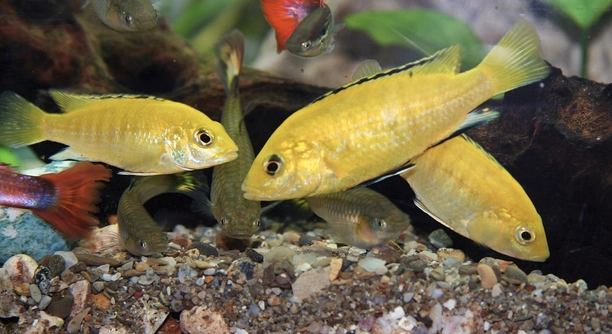
Young Electric Yellow Cichlids are popular among aquarium enthusiasts for their vibrant color. Observing their growth and behavior can give insight into how their coloration changes as they mature, making care more engaging and rewarding.
Predicting a color shift in young Electric Yellow Cichlids depends on genetics, diet, and environmental conditions. Maintaining stable water quality, providing high-quality nutrition, and monitoring developmental stages allows aquarists to anticipate gradual changes in pigmentation effectively.
Understanding these patterns helps aquarists plan feeding, tank setup, and overall care to support healthy color development in their cichlids over time.
Understanding Genetic Influence on Color
Genetics play a major role in determining how Electric Yellow Cichlids change color as they grow. Each fish inherits traits from its parents, and these traits influence both the intensity and timing of their pigmentation. Some cichlids may start pale yellow and gradually deepen in color, while others may develop bright hues earlier. Observing sibling fish from the same batch can help predict how a young cichlid will look as it matures. Environmental factors can enhance or suppress genetic expression, but the basic potential is determined at birth. Even slight variations in parental genes can result in noticeable differences in coloration among offspring. Tracking which fish display the most vibrant colors and pairing them selectively over time can gradually improve the overall brightness in a tank. Patience is important, as color development is a slow process that becomes more apparent over months rather than weeks.
Genetics set the foundation for color potential, making early observation a valuable tool for predicting changes.
By keeping detailed notes on each fish’s lineage and comparing growth patterns, aquarists can better anticipate which cichlids will reach full coloration. Environmental stability, consistent diet, and careful observation complement genetic potential, allowing for more accurate predictions and healthier fish development.
Environmental Factors Affecting Color Development
Stable water conditions are essential for maintaining vibrant coloration.
Temperature, pH, and clarity all affect how a cichlid expresses its pigments. Sudden fluctuations in water quality can stress the fish and dull colors. Proper filtration, regular testing, and controlled lighting support natural development. A consistent environment reduces stress hormones, which may otherwise inhibit bright pigmentation. Tank decorations and plants can influence how colors appear visually, but underlying health remains crucial. Stress-free habitats encourage natural behavior and gradual color enhancement, allowing the cichlid’s true potential to emerge over time.
Diet also interacts with environmental factors to influence pigmentation. Providing a balanced diet rich in carotenoids, vitamins, and proteins supports the production of bright yellow tones. Overfeeding or feeding low-quality foods can delay color development. Observing changes in coloration alongside water parameters allows adjustments to tank conditions or nutrition. Lighting that mimics natural day-night cycles helps regulate hormonal changes, which in turn affects pigment expression. Combining environmental stability with high-quality nutrition ensures the most accurate prediction of how young Electric Yellow Cichlids will develop color, creating healthier, more visually appealing fish.
Diet and Its Impact on Color
A cichlid’s diet directly affects the brightness and consistency of its coloration. High-quality foods rich in carotenoids and natural pigments help enhance yellow hues. Poor nutrition can result in dull, uneven color, even in genetically strong fish.
Feeding a variety of foods is important. Incorporate high-quality flakes, pellets, and occasional live or frozen options such as brine shrimp or bloodworms. Carotenoid-rich vegetables like spinach and peas can support pigment development. Avoid overfeeding, which can lead to water quality issues and stress, both of which negatively impact color. Observing how the fish responds to dietary changes allows you to adjust portions and food types for optimal results. Maintaining a consistent feeding schedule ensures nutrients are absorbed efficiently, promoting gradual, steady color enhancement.
Supplements specifically designed for coloration can be added occasionally, but they should not replace a balanced diet. Timing feedings and maintaining high-quality, nutrient-rich meals helps predict when young cichlids will reach their most vibrant shades. Watching how each fish responds over time provides valuable insight into individual color development patterns, allowing for better anticipation of final adult coloration.
Monitoring Growth and Development
Tracking growth stages helps anticipate color changes before they become visible. Measuring size, fin development, and overall health gives clues to pigment progress.
Young cichlids show subtle shifts in coloration as they grow. Early signs include brightening of the dorsal and tail fins or slight deepening of body color. Regular observation and noting these changes allows for more accurate predictions of adult appearance. Growth rate is influenced by genetics, diet, and environment, and slower-developing fish may experience delayed color expression. Maintaining consistent care and adjusting feeding or water conditions when needed can accelerate healthy development. Recording changes weekly helps identify patterns, making it easier to forecast when significant color shifts will occur.
Consistency in monitoring also helps identify health or stress issues that could suppress pigmentation. Keeping a detailed log of tank conditions, feeding habits, and growth milestones ensures any problems are noticed early. Minor adjustments, such as modifying water temperature slightly or improving nutrition, can improve color outcomes. Understanding each fish’s growth pattern allows for more precise predictions of final coloration, ensuring that you can provide the conditions needed for vibrant, healthy adult cichlids.
Lighting and Color Expression
Proper lighting influences how colors develop and appear in Electric Yellow Cichlids. Natural-spectrum lights help enhance yellow pigments, while inadequate lighting can make colors appear dull. Consistent light schedules support normal behavior and hormonal balance, which impacts pigment expression over time.
LED or fluorescent lighting that mimics daylight is ideal. Avoid sudden changes in intensity, which can stress fish and affect coloration. Observing how your cichlids react under different light setups allows adjustments to promote optimal color visibility and natural brightness.
Stress and Its Effects on Pigmentation
Stress from overcrowding, sudden water changes, or aggressive tank mates can suppress color development. Stressed cichlids often lose brightness temporarily.
Maintaining a calm, stable environment with appropriate tank size and hiding spaces helps minimize stress. Reduced stress allows pigments to develop normally and sustain vibrant coloration throughout growth stages.
Predicting Adult Color
Tracking growth, diet, genetics, and environment provides a reliable method for forecasting adult coloration in young Electric Yellow Cichlids. Patterns observed early often indicate final hues.
Consistent care and attention to water quality, feeding, and tank conditions create an environment where pigmentation develops naturally. Combining these factors allows better anticipation of when and how colors will fully emerge, ensuring healthier, brighter fish as they mature.
Record Keeping
Keeping detailed notes on each fish’s development, diet, and environment improves prediction accuracy. Regular logs reveal subtle changes that indicate future coloration.
FAQ
How long does it take for Electric Yellow Cichlids to fully develop their color?
Most young Electric Yellow Cichlids begin showing noticeable color changes within a few months, but full adult coloration can take up to a year. Growth rate, genetics, and environmental conditions all influence how quickly pigments fully develop. Consistent care and nutrition help ensure the brightest and most uniform colors.
Can diet really change a cichlid’s color?
Yes, diet plays a significant role in enhancing pigmentation. Foods rich in carotenoids, such as shrimp, spirulina, or specially formulated color-enhancing pellets, promote vibrant yellow tones. Occasional live or frozen foods add nutrients that support healthy growth, while poor-quality diets can result in dull or uneven coloration.
Do water conditions affect color development?
Absolutely. Stable water parameters, including pH, temperature, and hardness, are essential for healthy pigmentation. Sudden fluctuations cause stress, which can suppress color expression. Regular testing and proper filtration help maintain a consistent environment, ensuring colors develop naturally over time.
Can lighting influence how bright my cichlids appear?
Yes, lighting affects both perception and development of color. Full-spectrum or daylight-mimicking lights encourage natural pigment expression, while dim or inconsistent lighting can make colors appear muted. Maintaining a regular light schedule supports hormonal balance, which also contributes to consistent coloration.
Do stress and tank mates impact color?
Stress is a major factor in color development. Aggressive tank mates, overcrowding, or sudden environmental changes can cause temporary or long-term fading. Providing hiding spots, appropriate tank size, and a calm community helps minimize stress, allowing young cichlids to maintain and gradually enhance their vibrant hues.
Are all young Electric Yellow Cichlids going to reach the same color intensity?
No, genetic variation means some fish will develop deeper yellow shades than others. Siblings may look different despite identical care. Observing each fish individually and adjusting care based on their response to diet and environment gives the best chance for consistent, healthy coloration across your group.
Is it possible to speed up color development?
While you cannot change genetics, providing optimal water conditions, high-quality nutrition, and a stress-free environment encourages natural pigment growth. Supplements can support coloration but should complement a balanced diet. Patience is necessary, as rushing development can harm health or cause stress, which may delay color expression.
How can I tell if my cichlid’s color changes indicate health issues?
Fading or uneven colors can sometimes signal illness, poor nutrition, or stress. Watch for other signs like loss of appetite, lethargy, or fin damage. Addressing water quality issues, improving diet, and reducing stress can often restore normal coloration, but persistent changes may require closer inspection or veterinary advice.
Do tank decorations or substrate affect how color appears?
Yes, colors can appear different depending on background and lighting. Bright substrates or reflective decorations may make yellows look more intense, while darker setups can make the same pigments appear muted. However, the underlying health and pigmentation of the fish remain the primary factors in long-term color development.
Is it necessary to record observations for each fish?
Keeping a log of diet, growth, tank conditions, and observed color changes helps predict future pigmentation. Regular tracking allows adjustments when needed and highlights patterns unique to each fish, supporting more accurate expectations of adult coloration. Over time, these records help refine care for healthier, more vibrant Electric Yellow Cichlids.
Can young cichlids lose color temporarily?
Yes, temporary color loss can occur due to stress, illness, or sudden environmental changes. This is usually reversible if underlying conditions are corrected. Maintaining stable water, proper nutrition, and a calm environment helps colors return and continue developing naturally.
Are supplements required for color enhancement?
Supplements are optional and can support natural pigments, but they should not replace a balanced, nutrient-rich diet. Over-reliance on supplements may lead to nutritional imbalances. Focus on high-quality food and consistent care for the most reliable results in color development.
How do I know when my cichlids have reached their full color potential?
Full color is usually evident when the body and fins reach consistent, deep yellow tones and no further noticeable changes occur over several months. Genetics set the limit, but optimal care ensures the brightest, healthiest possible coloration for each fish.
Can water temperature speed up color changes?
Moderate, stable temperatures support normal metabolism and pigment development. Drastic changes or extreme temperatures can stress fish, delaying color growth or affecting overall health. Maintaining a consistent, species-appropriate temperature is more effective than attempting to accelerate color artificially.
Do all environmental factors need to be perfect for color to develop?
Not perfectly, but stability in water quality, temperature, diet, and light greatly improves color development. Minor fluctuations are usually tolerated, but consistent care reduces stress, supports health, and allows young Electric Yellow Cichlids to achieve their natural, vibrant coloration more predictably.
Final Thoughts
Observing and predicting color changes in young Electric Yellow Cichlids requires attention, patience, and consistent care. Every fish develops at its own pace, influenced by genetics, diet, and the environment. By focusing on these key factors, you can better understand when and how a cichlid’s vibrant yellow pigmentation will appear. Maintaining stable water conditions and providing high-quality food supports healthy growth and encourages natural color expression. It is important to remember that even with ideal care, some variation is normal due to the individual genetic makeup of each fish. Tracking development over time gives a clearer picture of what to expect, making the process more predictable and rewarding.
Diet plays a critical role in pigmentation. Feeding a balanced variety of high-quality flakes, pellets, and occasional live or frozen foods ensures that young cichlids receive the nutrients necessary for healthy coloration. Carotenoid-rich foods, in particular, help enhance yellow tones, while poor nutrition can result in dull, uneven color, regardless of the fish’s genetic potential. Maintaining a consistent feeding schedule and avoiding overfeeding prevents stress and water quality issues, both of which can impact pigment development. Supplements for color enhancement may be helpful but should not replace a balanced diet. Combining good nutrition with stable environmental conditions supports both health and color, allowing the fish to reach its full potential over time.
Monitoring the fish regularly and keeping detailed records of water conditions, diet, growth, and observed color changes can greatly improve your ability to predict adult coloration. Stress management is equally important, as overcrowding, aggressive tank mates, or sudden changes in water parameters can suppress color expression. Providing hiding spaces, proper tank size, and a calm environment allows young cichlids to develop pigments gradually and naturally. Lighting that mimics natural daylight can also enhance visibility and pigment expression. By observing patterns, adjusting care when necessary, and being patient, you can support the healthiest, brightest, and most consistent coloration in Electric Yellow Cichlids. Over time, this careful approach results in a visually pleasing and thriving aquarium, where the fish display the full vibrancy of their natural yellow tones.

Hello,
If you enjoy the content that we create, please consider saying a "Thank You!" by leaving a tip.
Every little bit helps us continue crafting quality advice that supports the health, happiness, and well-being of pets around the world, for pets of all shapes, sizes, and species.
We really appreciate the kindness and support that you show us!