
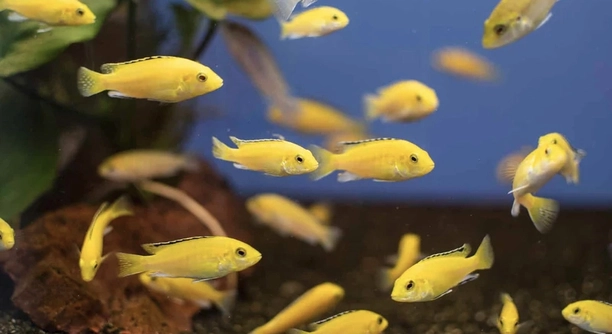
Sudden isolation can be stressful for cichlids, especially if they are used to a lively community tank. Adjusting to a new environment quickly is important to help them remain calm and healthy in solitude.
Handling sudden cichlid isolation requires attention to their environment, diet, and stress levels. Maintaining stable water conditions, providing hiding spots, monitoring behavior, and offering appropriate stimulation can reduce anxiety and prevent long-term health complications effectively.
Proper care during this transition ensures your cichlid adapts smoothly. These strategies will help you manage their isolation with confidence and care.
Assess the Tank Environment
When a cichlid is suddenly isolated, the tank setup becomes critical. Ensure the water parameters match the fish’s previous environment, including temperature, pH, and hardness. Remove any leftover food or debris to prevent stress. Providing hiding spots such as caves, plants, or decorations can help the fish feel secure. Minimal movement around the tank reduces anxiety and allows the cichlid to acclimate faster. Lighting should be consistent, avoiding sudden changes, as cichlids can become stressed by abrupt brightness or darkness. Observing their swimming patterns and activity levels can indicate comfort or distress. Avoid overcrowding by keeping other fish out during the adjustment period. Regular water changes and testing maintain a clean environment. A calm and stable tank gives the fish a sense of control in a new situation, reducing aggressive or withdrawn behavior. Attention to these details can significantly improve the cichlid’s overall adaptation.
Proper tank setup supports calm behavior and prevents stress-related health issues during isolation.
Providing stability and hiding areas allows the cichlid to regain confidence and adjust naturally, making long-term care easier.
Maintain a Consistent Feeding Routine
Offer food at regular intervals to maintain normal behavior. Avoid overfeeding, as excess can pollute the water and harm the fish. Use high-quality pellets or flakes suitable for the cichlid’s species. Incorporating occasional live or frozen foods stimulates natural hunting instincts and provides nutritional variety. Observe feeding habits carefully; a sudden loss of appetite may indicate stress or illness. Feeding should occur in a calm, predictable manner without sudden movements around the tank. Measuring portions helps prevent overeating while ensuring the cichlid receives adequate nutrition. Changes in diet should be gradual to avoid digestive issues. Maintaining a consistent routine gives the fish a sense of predictability, which reduces anxiety. Providing food in small, frequent amounts can encourage activity and engagement. Healthy feeding supports energy levels, coloring, and immune function. Balanced nutrition during isolation is crucial for keeping the fish active and reducing behavioral problems.
Consistent feeding stabilizes the cichlid’s behavior and supports overall health.
Gradually introducing dietary variations encourages natural instincts while keeping the fish engaged and nourished.
Reduce Stress Through Hiding Spots
Hiding spots help cichlids feel secure in isolation. Use caves, plants, or decorations that allow the fish to retreat and reduce stress levels.
Providing a variety of hiding places allows the cichlid to choose its preferred area, which can significantly lower stress. Observing which spots are favored helps you understand its comfort level. Rotating or rearranging decorations occasionally keeps the environment stimulating without causing sudden changes. Even simple items like PVC pipes or small rock structures can serve as retreats. The more secure the fish feels, the less likely it is to exhibit erratic or aggressive behavior, which can happen when they feel exposed. Hiding spots also mimic natural conditions, helping the cichlid feel at ease and promoting regular activity and feeding habits.
Encouraging retreat behavior through proper hiding options reduces stress and improves overall well-being during isolation.
Providing multiple layers of cover ensures the fish can feel safe while exploring the tank naturally.
Monitor Behavior Closely
Watching behavior is essential during sudden isolation. Changes in swimming, eating, or color can indicate stress or illness.
Careful observation allows you to detect early signs of discomfort. A cichlid that hovers near the surface, hides excessively, or stops eating may need adjustments to the environment or feeding routine. Keep a daily log of behavior, noting patterns such as times of activity, response to feeding, and interaction with the tank setup. This helps track progress and identify any problems quickly. Pay attention to unusual aggression or lethargy, as these can indicate water quality issues or health concerns. Early intervention prevents prolonged stress and supports faster recovery. Adjusting lighting, water flow, or tank decorations based on observed preferences can also improve comfort.
Behavioral monitoring helps prevent long-term health problems and ensures the fish adapts successfully.
Regularly tracking and responding to subtle changes creates a more stable environment, reducing isolation-related stress effectively.
Maintain Water Quality
Consistent water quality is vital for isolated cichlids. Regular testing for ammonia, nitrites, and nitrates keeps the environment safe and reduces stress.
Perform partial water changes to remove waste and maintain stable parameters. Clean filters and avoid sudden changes that can shock the fish.
Provide Mental Stimulation
Introducing objects like floating plants, mirrors, or gentle water currents can keep a cichlid active. Rotation of items prevents boredom and encourages natural behaviors, helping reduce stress and promote overall well-being in isolation.
Control Lighting
Keep lighting consistent to mimic natural day-night cycles. Sudden changes can stress the fish, while gradual adjustments help maintain normal activity and feeding patterns.
Plan Gradual Reintroduction
When returning the cichlid to the main tank, introduce it slowly. Observe interactions closely to prevent aggression and ensure a smooth transition back to the community.
FAQ
How long can a cichlid stay in isolation?
Cichlids can safely remain isolated for several days to a few weeks, depending on the reason for separation. Short-term isolation is usually safe for stress reduction or illness treatment. Extended isolation requires careful monitoring of water quality, feeding, and behavior to prevent health problems. Ensure the tank is well-maintained and enriched to keep the fish active and comfortable.
Will my cichlid lose color during isolation?
It is common for cichlids to show duller colors when stressed or isolated. Reduced activity, lower light exposure, or lack of interaction with other fish can temporarily affect pigmentation. Maintaining proper nutrition, stable water conditions, and hiding spots can help restore vibrant coloration over time. Avoid sudden environmental changes that could worsen stress.
Should I change the diet while my cichlid is alone?
A consistent diet is best during isolation. Stick to high-quality pellets or flakes, and occasionally supplement with frozen or live foods. Gradually introduce any new items to avoid digestive issues. Feeding small, frequent portions encourages activity and prevents overfeeding, which can harm water quality. Monitoring appetite helps detect stress or illness early.
How can I tell if my cichlid is stressed?
Signs of stress include hiding excessively, erratic swimming, loss of appetite, faded colors, or staying at the water surface. Sudden aggression or lethargy can also indicate stress. Daily observation is important, along with keeping a record of behavior and environmental conditions. Adjustments to tank setup, feeding, or lighting often help the fish regain comfort.
Is it safe to use a mirror for mental stimulation?
Mirrors can provide temporary mental stimulation, but they should be used sparingly. Excessive mirror exposure may trigger aggression or frustration. Place the mirror for short periods and remove it if the fish becomes overly agitated. Combine with other forms of enrichment like plants, decorations, or gentle water flow for a balanced environment.
Can isolation affect my cichlid’s social behavior?
Isolation may cause temporary changes in social behavior, such as shyness or increased aggression when reintroduced. Gradual reintroduction is essential, observing interactions closely and providing hiding spots in the main tank. Most cichlids regain normal behavior if isolation is brief and their environment is stable.
How often should I check water quality during isolation?
Daily or every other day testing is recommended, especially in smaller tanks where waste accumulates quickly. Monitor ammonia, nitrite, nitrate, and pH levels. Regular water changes and filter maintenance help maintain a healthy environment, reducing stress and preventing disease.
What should I do if my cichlid refuses to eat?
Refusal to eat can signal stress or illness. Ensure water parameters are correct, provide hiding spots, and offer preferred foods. If the fish continues to avoid food for more than a day or two, consult with a veterinarian or an experienced aquarist to check for underlying issues.
Can adding live plants help during isolation?
Live plants provide hiding spots, reduce stress, and improve water quality. They mimic a natural environment, offering comfort and mental stimulation. Fast-growing plants also help absorb waste, supporting cleaner water and a healthier tank during isolation.
When is it safe to return the cichlid to the main tank?
Reintroduction should occur once the fish is active, eating well, and showing no signs of stress. Monitor interactions carefully to prevent aggression. Introduce gradually using a barrier or acclimation container to ensure a smooth transition and preserve harmony in the main tank.
Sudden cichlid isolation can feel stressful at first, both for the fish and for the caretaker. However, with careful attention to water quality, diet, and the tank environment, most cichlids adjust well to temporary solitude. Creating a stable environment with consistent lighting, hiding spots, and minimal disturbances helps the fish feel secure. Small changes, such as adding plants or decorations, can provide mental stimulation and reduce anxiety. Monitoring behavior closely is also important. Observing swimming patterns, color, and appetite allows you to identify early signs of stress or illness. Addressing issues quickly ensures the fish remains healthy and comfortable. Even minor adjustments, like checking water temperature or rearranging hiding spots, can make a big difference. During isolation, the goal is to create a supportive environment that mimics the security of their regular habitat as closely as possible, without introducing unnecessary stressors.
Feeding plays a crucial role in helping cichlids adapt to being alone. Maintaining a regular feeding schedule with high-quality pellets or flakes ensures the fish receives adequate nutrition. Occasionally offering live or frozen foods can provide variety and encourage natural behaviors, such as hunting or foraging. Portion control is important to prevent overfeeding, which can impact water quality and overall health. A consistent diet helps the fish maintain energy levels, vibrant coloration, and normal activity. If a cichlid stops eating, it is often a sign of stress or environmental issues. In these cases, checking water parameters, reviewing tank setup, and providing additional hiding spots can help the fish regain its appetite. Supporting both physical and mental well-being during isolation promotes long-term health and ensures the fish remains active and engaged, even when it is alone.
Gradual reintroduction to the main tank is the final step in handling isolation. Sudden return can trigger aggression or stress among other cichlids, so it is important to proceed slowly. Observing interactions closely allows you to intervene if problems arise. Using a barrier or acclimation container can help the fish adjust to the new environment before full integration. Over time, most cichlids resume normal social behavior and activity levels once they feel secure and comfortable. The overall process of isolation, when done with care and attention, can help prevent illness, reduce stress, and support the fish’s well-being. By focusing on stability, proper feeding, enrichment, and careful monitoring, you can ensure your cichlid handles isolation successfully and remains healthy, active, and resilient when it eventually returns to a community tank.

Hello,
If you enjoy the content that we create, please consider saying a "Thank You!" by leaving a tip.
Every little bit helps us continue crafting quality advice that supports the health, happiness, and well-being of pets around the world, for pets of all shapes, sizes, and species.
We really appreciate the kindness and support that you show us!