
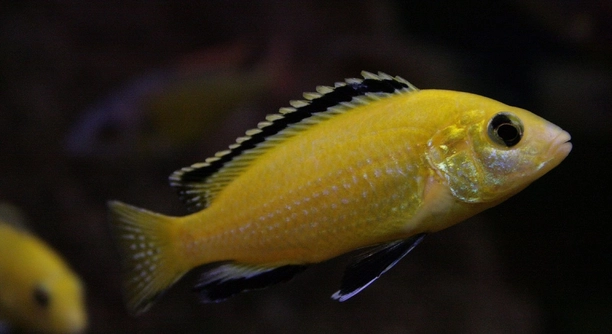
Are your Electric Yellow Cichlids showing unusual behavior or a lack of appetite lately? Many hobbyists notice changes in their vibrant fish and begin to worry about their health and overall wellbeing in the tank.
Electric Yellow Cichlids can be prone to internal parasites, particularly protozoans and nematodes. These infections often result from poor water quality, stress, or the introduction of contaminated food or new fish, affecting digestion, growth, and general health.
Understanding the risks and early signs of infection will help you maintain healthier cichlids and prevent long-term complications in your aquarium.
Common Internal Parasites in Electric Yellow Cichlids
Internal parasites in Electric Yellow Cichlids can vary, but the most frequently observed include protozoans like Hexamita and nematodes such as Camallanus. These parasites target the digestive tract, causing symptoms like weight loss, poor appetite, and lethargy. Infected fish may also show stringy or discolored feces, indicating an internal imbalance. Stress from overcrowding or sudden changes in water parameters can weaken the fish’s immune system, making them more vulnerable. Contaminated food or introducing new fish without proper quarantine increases the likelihood of infection. Monitoring your cichlids closely and maintaining clean, stable tank conditions are essential preventive measures. Routine observation allows early detection, which significantly improves the chances of successful treatment. Fish that show repeated symptoms should be isolated to prevent transmission, and medications can be used under guidance. Nutrition also plays a key role, as well-fed cichlids are more resilient to parasite invasions.
Proper tank maintenance and quarantine can significantly reduce parasite risks in cichlids.
Early detection and preventive care are the most effective ways to protect your fish. Keeping the tank clean, avoiding overfeeding, and separating new fish until they are confirmed healthy will limit the spread of parasites. Observing daily behavior helps you spot issues before they worsen.
Treatment Options and Preventive Measures
Treating internal parasites usually involves targeted medications, such as antiparasitic tablets or liquid treatments formulated for freshwater fish.
Preventing internal parasites requires consistent tank care. Keeping water parameters stable, performing regular water changes, and using high-quality food reduces stress and strengthens the immune system. Quarantining new fish before introducing them to the main tank prevents the introduction of pathogens. Additionally, avoiding overcrowding ensures each cichlid has enough space, limiting stress-related susceptibility. Monitoring behavior daily allows you to act quickly if symptoms appear. Treatments are most effective when applied early, so identifying parasites as soon as possible is critical. Nutritional support, including vitamin-enriched diets, helps fish recover faster and resist future infections. Maintaining a routine of tank cleaning and observation is more effective than waiting for problems to become severe. Even minor changes in water quality or fish behavior can indicate potential issues, so vigilance is essential for long-term health. Consistency and care are the key strategies to keep Electric Yellow Cichlids thriving.
Signs of Internal Parasites
Loss of appetite, unusual swimming patterns, and rapid weight loss are common signs of internal parasites in Electric Yellow Cichlids. Observing feces for stringy or discolored matter can also indicate infection. Prompt action can prevent the condition from worsening and spreading to other fish in the tank.
Infected cichlids may appear lethargic and spend more time near the bottom of the tank. Their colors can fade, and fins may show signs of wear due to stress. Digestive disturbances are common, resulting in bloating or thin, elongated bodies. Identifying these signs early allows for faster treatment and reduces long-term damage. Daily observation and careful monitoring of behavior are essential to maintaining healthy fish.
Other subtle symptoms include rubbing against tank surfaces or decorations, which may indicate irritation from internal discomfort. Fish may also isolate themselves, refusing to interact with tank mates. Noticing small changes in activity, feeding habits, or physical appearance helps detect infections before they escalate. Quick intervention with appropriate treatment improves recovery chances.
Maintaining a Healthy Tank Environment
Consistent water quality, proper filtration, and regular cleaning are essential for preventing internal parasites. Stable temperatures and low stress levels support immune function in Electric Yellow Cichlids.
Keeping the tank clean reduces harmful bacteria and parasite eggs. Regular water changes, vacuuming substrate, and checking filters prevent buildup of waste that can harbor pathogens. Feeding high-quality, varied diets strengthens immunity and encourages normal digestion. Avoid overfeeding, as leftover food can degrade water quality quickly. Quarantining new fish before introducing them to the main tank prevents the spread of parasites. Observing interactions among fish helps identify stressors that may increase susceptibility. Maintaining a balanced environment promotes natural behavior and reduces health risks.
A well-maintained habitat also includes proper tank size and structure. Providing hiding spots and open swimming areas helps reduce stress and territorial aggression. Regular testing of pH, ammonia, nitrite, and nitrate levels ensures conditions remain optimal. Stress reduction is crucial because even minor disturbances can compromise immunity, making fish more vulnerable to parasites. Combining cleanliness, diet, and monitoring creates a stable environment where Electric Yellow Cichlids can thrive while minimizing parasite risks.
Quarantine Practices
Quarantining new Electric Yellow Cichlids before adding them to the main tank helps prevent parasite introduction. A separate tank allows close observation for illness or unusual behavior. This step significantly reduces the risk of spreading internal parasites to healthy fish.
A quarantine period of at least two to four weeks is recommended. During this time, monitor feeding, activity, and feces for abnormalities. Medications can be applied if parasites are detected, minimizing the risk to the main tank. Quarantine also helps fish adjust to new conditions without added stress from established tank mates.
Feeding and Nutrition
High-quality, varied diets support immune health and digestion, reducing susceptibility to parasites. Avoid overfeeding, as uneaten food can deteriorate water quality and create an environment for parasite development. Supplementing with vitamins or vegetable matter can strengthen overall resilience.
Observing Behavior
Regularly observing your cichlids helps catch early signs of illness. Noticing subtle changes in swimming, appetite, or interaction can prevent minor issues from becoming severe.
FAQ
What are the most common internal parasites in Electric Yellow Cichlids?
The most frequently observed internal parasites include protozoans such as Hexamita and nematodes like Camallanus. These parasites primarily affect the digestive tract, causing weight loss, poor appetite, and lethargy. Infected fish may have stringy, discolored feces or bloating. Early detection is essential for effective treatment.
How can I tell if my cichlid is infected?
Signs of infection include a sudden decrease in appetite, faded colors, and unusual swimming patterns. Fish may isolate themselves or rub against decorations due to internal discomfort. Observing daily behavior, feeding habits, and physical appearance helps catch early symptoms before they worsen.
Can internal parasites be treated?
Yes, internal parasites can be treated with antiparasitic medications. Treatment should be applied as soon as symptoms are noticed. Depending on the type of parasite, medications may be in the form of tablets, liquids, or medicated food. Following dosage instructions carefully is critical to avoid harming your fish.
How long does treatment take?
Treatment duration varies by parasite type and severity of infection. Some cases require only a few days, while more severe infections may need several weeks of consistent medication. Continuing to monitor the fish during treatment ensures that recovery is progressing and prevents reinfection.
Will my other fish get infected?
Internal parasites can spread if infected fish are kept in the main tank with healthy fish. Quarantining infected individuals is essential to prevent transmission. Maintaining clean water, proper filtration, and careful observation of all fish reduces the chance of an outbreak.
What preventive measures can I take?
Maintaining high water quality, avoiding overcrowding, and feeding a balanced diet strengthens fish immunity. Quarantining new arrivals for two to four weeks ensures they are free of parasites. Regular tank cleaning, monitoring behavior, and observing physical signs help prevent internal parasite problems.
Does diet affect parasite risk?
Yes, nutrition plays a key role. Providing a high-quality, varied diet keeps the digestive system healthy and strengthens the immune system. Overfeeding should be avoided, as leftover food can degrade water quality and create conditions favorable to parasites. Supplements like vegetables or vitamin-enriched food improve resilience.
Can stress cause parasites?
Stress does not directly cause parasites but weakens the immune system, making fish more susceptible. Stress can result from poor water quality, overcrowding, or sudden changes in the tank. Minimizing stress through proper care and tank setup is a crucial part of parasite prevention.
How often should I monitor my cichlids?
Daily observation is recommended. Watching for changes in appetite, swimming, or interaction with other fish allows early detection of potential issues. Quick action at the first sign of abnormal behavior significantly improves recovery and prevents parasite spread.
Are some cichlids more prone to parasites than others?
Electric Yellow Cichlids, like other sensitive species, can be more vulnerable if water quality, diet, or stress management is poor. Maintaining consistent care, monitoring health, and providing a stable environment reduces susceptibility and promotes long-term well-being.
Is it safe to use medications in a community tank?
Using medication in a community tank requires caution. Some medications can affect other species or beneficial bacteria. Isolating the infected fish in a quarantine tank is safer and allows targeted treatment without harming other inhabitants. Proper dosage and following instructions are essential.
How do I prevent reinfection?
After treatment, continue to monitor the fish and maintain strict tank hygiene. Quarantine any new fish, clean the substrate, and check filtration regularly. Ensuring consistent water quality and proper nutrition helps prevent parasites from returning.
Electric Yellow Cichlids are beautiful and vibrant fish that can bring life to any aquarium. However, like many freshwater species, they are susceptible to internal parasites if proper care is not maintained. Internal parasites can affect digestion, appetite, and overall health, making it important for owners to be vigilant. By observing daily behavior and keeping an eye on physical signs such as weight loss, bloating, or stringy feces, problems can be caught early. Preventing infections is always easier than treating them, so maintaining clean water and a stable environment should be a priority. Quarantining new fish before introducing them to the main tank is another effective step in minimizing risk.
Feeding habits and diet also play a significant role in keeping cichlids healthy. Overfeeding can lead to leftover food that degrades water quality, creating conditions where parasites can thrive. Offering high-quality, varied diets enriched with vitamins supports digestion and strengthens the immune system, helping fish resist infections. Observing appetite and feeding behavior can give early clues to potential health issues. Daily monitoring, combined with careful water maintenance and a balanced diet, forms the foundation of parasite prevention. Small adjustments, like ensuring each fish has enough space and reducing stress in the tank, also contribute to overall well-being.
Treatment is available for internal parasites, but it is most effective when applied early. Antiparasitic medications, either in liquid form or medicated food, can help eliminate parasites and restore fish health. It is important to follow instructions closely and monitor progress throughout treatment. After recovery, maintaining preventive practices, including regular water changes, proper nutrition, and quarantining new fish, will reduce the likelihood of reinfection. Consistency and attention to detail in tank management are key to keeping Electric Yellow Cichlids healthy and thriving over the long term. With careful observation and proactive care, these vibrant fish can remain strong, active, and beautiful in the aquarium environment.

Hello,
If you enjoy the content that we create, please consider saying a "Thank You!" by leaving a tip.
Every little bit helps us continue crafting quality advice that supports the health, happiness, and well-being of pets around the world, for pets of all shapes, sizes, and species.
We really appreciate the kindness and support that you show us!