
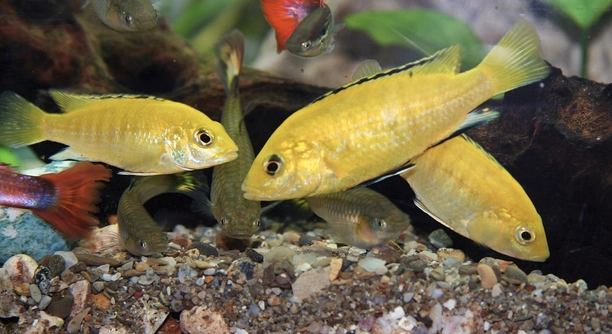
Some cichlids display unusual behavior by staying in their caves for extended periods. This tendency can be influenced by their natural instincts, territorial needs, and the environment they feel safest in. Observing this behavior reveals much about their habits.
Cichlids often refuse to leave their caves due to a combination of territorial instincts, protection from predators, and environmental comfort. Their cave provides security, reduces stress, and allows them to monitor their surroundings while maintaining control over their immediate space.
Understanding why these fish remain hidden can help you better care for them and create a healthier, more engaging aquarium environment.
Understanding Cave-Dwelling Behavior
Cichlids are naturally inclined to seek out secure spaces in their tanks, and caves provide an ideal refuge. This behavior is common among species that originate from rocky lake habitats where hiding spots are abundant. Staying inside a cave allows the fish to feel protected from potential threats, even if no immediate danger is present. Caves also offer a stable environment, helping cichlids regulate stress levels and avoid excessive exposure to light or strong currents. Some fish will use the cave to rest, while others may use it as a base to observe their surroundings or guard territory. For breeding species, caves become a nesting site where eggs and fry are kept safe. Providing caves in a tank can encourage natural behaviors and make cichlids feel more comfortable. Observing them can be rewarding, as it reveals complex social and protective instincts that are easy to miss without a dedicated hiding spot.
The preference for caves is often stronger in shy or younger fish. It helps them adapt more confidently to their tank environment.
Caves can also act as a social hub for cichlids. Some species establish dominance within a cave, marking it as their territory. Others may use caves for temporary retreats during aggressive interactions or when competing for resources. Even in a well-maintained tank, cichlids may hide for hours or days, emerging only to feed or interact. Over time, fish may rotate between caves or explore the tank more, depending on comfort levels and social dynamics. Observing these patterns provides insight into their natural instincts and helps in designing a tank that meets both physical and behavioral needs.
Signs Your Cichlid Feels Safe
When a cichlid spends most of its time inside a cave, it often indicates contentment and a sense of security.
Recognizing these signs can improve your tank setup. A fish that explores cautiously, retreats promptly, and maintains good health shows that it trusts its environment. Avoiding sudden disturbances and providing adequate hiding spaces encourages this behavior, helping the cichlid thrive. Consistent observation allows you to adjust decorations, water flow, and feeding routines to support their comfort. In social groups, watching how individuals use caves can prevent aggression and reduce stress, ensuring each fish has access to safe zones. Caves can also promote breeding behavior, giving fish confidence to care for eggs and fry. By respecting their natural habits and providing the right conditions, you foster a healthy and balanced aquarium where cichlids can express instinctive behaviors fully. Over time, this setup leads to calmer, more active fish that engage with the tank safely and confidently.
Environmental Factors Influencing Cave Use
Lighting, water flow, and tank layout all affect how often cichlids stay in their caves. Bright lights or strong currents may make them retreat, while quiet areas encourage exploration and longer stays inside. Properly balanced conditions are essential.
Cichlids are sensitive to changes in their environment. Sudden shifts in lighting or water movement can trigger hiding behaviors. A cave positioned in a calm area of the tank allows fish to rest without disturbance. Decorations and plants can further enhance the sense of security, creating microhabitats that mimic natural conditions. Observing how fish react to these elements helps in arranging a tank that supports their comfort and natural tendencies. Fish that feel safe are more likely to show normal feeding, social, and breeding behaviors.
Water quality also influences cave usage. Stress from poor water conditions can increase hiding time. Regular maintenance and monitoring of pH, temperature, and cleanliness reduce stress, encouraging fish to explore more while still using caves for safety. Over time, a well-maintained environment fosters confidence, allowing cichlids to engage with their surroundings without constant retreat, yet still feel secure in their chosen cave spaces.
Social Dynamics and Cave Occupancy
Dominance and social hierarchy impact which fish use caves most frequently. Submissive individuals often stay inside longer to avoid conflicts.
Territorial cichlids will claim a cave and defend it from others, sometimes chasing away rivals. The size, location, and number of caves influence interactions between fish. Providing multiple hiding spots helps reduce aggression and allows subordinate fish to have safe retreats. Observing social behaviors is important to ensure all fish have access to security and comfort. Fish that feel threatened may hide excessively, while confident individuals balance exploration with cave use. Understanding these dynamics allows for adjustments in tank setup, promoting harmony and reducing stress among the group.
Feeding Habits and Cave Retreat
Cichlids may stay in their caves after feeding to digest in a safe space. This behavior reduces stress and allows them to recover energy before interacting with other fish.
Some fish prefer to eat near or inside their caves. It provides security while they are vulnerable, especially when they swallow larger meals.
Breeding Behavior
Caves serve as nesting sites for many cichlid species. Eggs and fry are kept protected inside, allowing parents to guard their young effectively. Both males and females may use caves to establish a secure breeding territory.
Reducing Stress in Caves
Providing plants, rocks, and proper lighting helps cichlids feel secure. A stable environment encourages healthy cave use and reduces excessive hiding.
Why does my cichlid stay in its cave all the time?
Cichlids stay in their caves for security, stress reduction, and comfort. They may be shy, recovering from a recent change in the tank, or naturally cautious. Caves offer a stable environment where they can rest, observe surroundings safely, and avoid unnecessary interactions.
Is it normal for a cichlid to hide constantly?
Yes, especially in new tanks or when adjusting to tankmates. Hiding is a natural behavior for protection. Over time, most cichlids gradually explore their environment while continuing to use caves for safety. Constant hiding can signal stress, so monitoring water quality and social dynamics is important.
Can cave use indicate illness?
Sometimes. Excessive or unusual hiding combined with loss of appetite, rapid breathing, or lethargy may indicate health problems. Check water parameters, observe for signs of parasites or injuries, and ensure the fish is eating properly. Prompt attention helps prevent serious health issues.
Should I remove the cave if my cichlid hides too much?
No, removing the cave can increase stress and worsen hiding behavior. Caves provide comfort and territory. Instead, observe your fish, maintain water quality, and consider adding multiple hiding spots to reduce competition and encourage confident exploration.
How many caves should I provide in my tank?
Providing at least one cave per cichlid or per pair is ideal. Multiple caves reduce conflicts, allow shy fish to find safe spots, and support breeding behavior. Consider size, location, and accessibility to ensure all fish have a secure retreat.
Do all cichlid species use caves the same way?
No, cave use varies by species. Rock-dwelling species often spend more time hiding, while open-water species may only retreat occasionally. Understanding the natural habitat of your cichlid helps predict its behavior and meet its specific needs.
Will a cichlid eventually leave its cave?
Yes, most will explore when they feel safe, especially if food is available or if the tank environment encourages activity. Gradual adjustment and consistent care help fish balance cave use with exploration. Some may always favor caves for security.
Does cave placement affect hiding behavior?
Yes, caves in quiet, low-flow areas encourage usage. Avoid placing caves near strong currents, bright lights, or high-traffic zones. Proper placement helps fish feel secure and can reduce excessive hiding.
Can caves improve breeding success?
Absolutely. Many cichlids use caves as nesting sites, providing protection for eggs and fry. A secure cave encourages natural breeding behavior, allows parents to guard their young, and reduces stress during reproduction.
How do I know if my cichlid is stressed in its cave?
Signs include constant retreat with little activity, loss of appetite, or aggression when approached. Check water quality, tankmates, and environmental factors. Adding extra hiding spots and reducing disturbances can help the fish feel more comfortable and confident.
Do caves affect social dynamics in the tank?
Yes, dominant fish may claim caves, and subordinates may retreat more often. Providing multiple caves helps prevent conflicts, ensures all fish have safe spaces, and encourages a balanced social structure. Observing interactions is key to maintaining harmony.
Can lighting influence cave use?
Bright or harsh lighting may make fish retreat more frequently. Using gentle or adjustable lighting helps cichlids feel comfortable, promoting natural behavior while still allowing exploration outside the cave.
Are cave-dwelling cichlids less active?
Not necessarily. While they spend time inside caves, they will explore, feed, and interact according to their comfort level. Providing proper hiding spots can actually increase overall activity by reducing stress.
What should I do if my cichlid refuses to leave its cave?
Ensure water quality is optimal, check for aggressive tankmates, and provide multiple caves or decorations. Be patient; many cichlids gradually become more confident over time while continuing to use caves as safe retreats.
Can caves prevent aggression in a cichlid tank?
Yes, caves give fish safe spaces to avoid confrontations. Multiple caves help distribute territorial claims, reduce stress, and allow shy fish to retreat without constant harassment. Proper layout and monitoring help maintain a calm, balanced environment.
Do younger cichlids hide more than adults?
Often, yes. Juveniles are more vulnerable and rely on caves for protection until they grow larger and more confident. Over time, they may explore more but continue to use caves as safe zones.
Are caves necessary for all cichlids?
Not all species require caves, but most benefit from them. Providing at least one hiding spot mimics natural habitats and supports comfort, territorial behavior, and breeding instincts. Caves are especially important for shy or rock-dwelling species.
How do I choose the right cave?
Select caves that are appropriately sized, smooth inside, and safe from sharp edges. Consider material, stability, and compatibility with tankmates. Proper caves encourage natural behavior and prevent injuries.
Does hiding in a cave mean my cichlid is unhappy?
Not always. Cave use is natural and can indicate a sense of security rather than unhappiness. Balanced behavior, normal feeding, and occasional exploration show that your cichlid is healthy and comfortable.
Can I train my cichlid to leave the cave more often?
Yes, gradually encouraging exploration through gentle feeding routines, low-stress interactions, and a well-arranged tank can help fish venture out. Patience and consistent care are key to promoting confident behavior without forcing them.
How do caves impact long-term health?
Caves reduce stress, provide resting spots, and encourage natural behaviors, which support immune function and overall well-being. A properly structured tank with hiding spots contributes to a healthier, more balanced environment for all cichlids.
Cichlids are fascinating fish with unique behaviors, and their tendency to stay in caves is a natural part of their instincts. These caves provide them with safety, security, and a stable environment where they can rest and observe their surroundings. Fish that use caves regularly are not necessarily shy or unhealthy; they are responding to their need for comfort and protection. Providing suitable hiding spots in your tank can help cichlids feel more confident and reduce stress, which ultimately contributes to their overall well-being. Watching how they interact with their environment and their tankmates can be very informative, offering insight into their social structure, territorial instincts, and natural tendencies.
Understanding the reasons behind cave-dwelling behavior can also improve tank management. Water quality, lighting, tank layout, and flow all influence how often fish use their caves. Subtle changes in the environment can affect their comfort level, and fish may retreat if they feel threatened or stressed. Providing multiple caves or secure hiding spots helps reduce conflicts between tankmates and allows each fish to establish a territory without constant confrontation. In addition, caves play a key role in breeding behavior, giving fish a secure place to care for eggs and fry. By paying attention to these factors, you create a tank that supports both physical health and natural behaviors, allowing your cichlids to thrive in a way that is closer to their natural habitat.
Caves also encourage social balance and reduce unnecessary stress within the tank. Dominant fish often claim the largest or most secure caves, while subordinate fish can find smaller or less contested hiding spaces. This arrangement helps maintain a stable hierarchy and reduces aggressive encounters. While some cichlids may spend most of their time inside caves, others gradually explore as they feel safe. Observing these patterns can guide adjustments in decoration, cave placement, and tankmates. Over time, providing a supportive environment that respects their natural behaviors leads to healthier, calmer, and more confident fish. Ensuring a mix of hiding spots, open spaces, and careful monitoring allows cichlids to feel secure while still engaging with their surroundings, creating a balanced and thriving aquarium.

Hello,
If you enjoy the content that we create, please consider saying a "Thank You!" by leaving a tip.
Every little bit helps us continue crafting quality advice that supports the health, happiness, and well-being of pets around the world, for pets of all shapes, sizes, and species.
We really appreciate the kindness and support that you show us!