
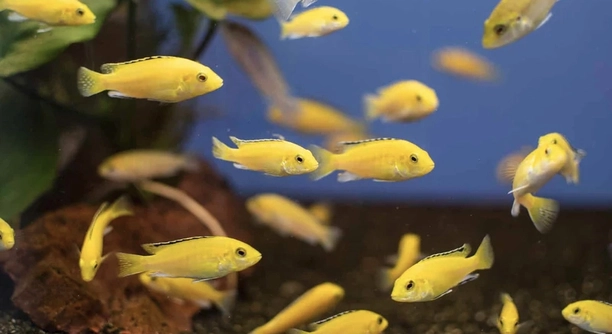
Electric Yellow Cichlids are known for their bright colors and lively personalities. Introducing new tankmates can change the dynamics in the aquarium, and understanding their reactions helps maintain a peaceful environment for all fish.
Electric Yellow Cichlids typically show territorial behavior when new tankmates are added. They may display chasing, fin flaring, or hiding, which is a natural response. Gradual introductions and monitoring help reduce stress and ensure compatibility within the tank community.
Observing their interactions closely is key to maintaining harmony and protecting both the cichlid and its new companions in a shared tank.
Understanding Aggression in Electric Yellow Cichlids
Electric Yellow Cichlids are naturally territorial. When new fish are added, they often test boundaries, which can result in chasing or nipping. Their bright colors and active swimming make them bold in claiming space. Stress and overcrowding can increase aggressive behaviors, making careful planning essential. Providing hiding spots, rocks, and plants helps reduce tension. Tank size matters; smaller tanks can amplify territorial disputes. Introducing new tankmates gradually, such as using a divider, allows the cichlid to get used to the newcomer without direct confrontation. Observing how each fish reacts in the first hours is crucial. Immediate intervention can prevent injuries. Over time, cichlids may tolerate non-aggressive species if space and hiding places are adequate. Proper feeding schedules and maintaining water quality also play a role in reducing stress, which can otherwise trigger aggression. Understanding these factors helps create a more peaceful aquarium environment for both the cichlid and its new companions.
Aggression in cichlids often stems from territory defense and stress, not from innate hostility toward new tankmates.
Electric Yellow Cichlids react differently depending on their personality and tank setup. Some may quickly accept new fish, while others remain defensive for weeks. Gradual introductions, observation, and adjustments to tank decor are key. By carefully managing space and environmental enrichment, you can reduce aggressive behaviors and promote coexistence.
Choosing Compatible Tankmates
Selecting the right tankmates is essential for harmony. Species with similar temperaments or size are less likely to trigger aggression.
Avoiding overly timid or slow-moving fish is important, as cichlids may see them as easy targets. Medium to large fish that can assert themselves without provoking fights often coexist better. Community cichlids with comparable territorial needs also make suitable companions. Introducing multiple new fish at once can help distribute attention and reduce focus on a single newcomer. Observing their behavior in a quarantine or separate tank first provides insights into potential interactions. Additionally, maintaining proper water parameters and feeding routines ensures all fish remain healthy and reduces stress-related aggression. Over time, a well-planned mix of species can lead to a balanced aquarium where both the Electric Yellow Cichlid and its companions thrive peacefully. Careful planning, monitoring, and adjustment are essential for a successful community tank setup.
Tank Setup and Environment
Proper tank setup reduces stress and aggression. Rocks, caves, and plants create hiding spots. Open swimming areas balance territories. Maintaining water quality and temperature stability supports healthy behavior.
Cichlids feel secure when they have defined territories. Decorations and plants allow them to retreat and explore without constant confrontation. A tank with multiple hiding spots helps reduce aggressive encounters. Spacing out these areas prevents a single dominant fish from controlling the entire environment. Using rocks or driftwood can create natural boundaries. Plants like java fern or anubias add cover without overcrowding. Proper filtration ensures clear water and stable conditions, reducing stress. A larger tank also allows each fish to claim its own space. Observing their interactions helps adjust the layout to minimize conflicts and create a balanced tank where all fish can coexist.
Temperature and water parameters play a significant role in cichlid behavior. Stable conditions prevent stress-induced aggression and promote calmer interactions. Clean water and appropriate pH support overall health.
Feeding and Nutrition
Feeding routines impact behavior and stress levels in cichlids. Regular, balanced meals prevent competition and reduce aggression.
Providing a mix of pellets, flakes, and occasional frozen foods ensures proper nutrition. Overfeeding or irregular schedules can trigger quarrels over food. Dividing portions and using multiple feeding spots allows all fish to eat without confrontation. Some cichlids may become more aggressive if they feel deprived, so monitoring their appetite is important. Offering vegetables like spinach or zucchini can supplement their diet and reduce hunger-driven disputes. Observing which foods are favored helps tailor meals to the tank’s population. Proper nutrition supports coloration, energy levels, and immune function, making the fish more resilient and less prone to stress-related aggression. A consistent, well-planned feeding strategy keeps the aquarium peaceful and healthy.
Observation and Monitoring
Regularly watching your cichlids helps identify early signs of stress or aggression. Noticing chasing, hiding, or fin damage allows quick intervention.
Keeping a journal of behaviors and interactions over time helps track patterns. Changes in feeding or swimming habits may indicate discomfort or conflict.
Gradual Introductions
Introducing new tankmates slowly reduces tension. Using a divider or separate quarantine tank lets fish see each other without direct contact. Gradual exposure allows them to adjust and recognize each other as part of the environment. Monitoring reactions during this period prevents unnecessary injuries and stress.
Signs of Stress
Stress in cichlids often shows as faded colors, clamped fins, or erratic swimming. Watching for these signs helps maintain a healthy tank.
Adjusting Tank Layout
Rearranging rocks, plants, or decorations can reduce territorial disputes. Changing the environment helps cichlids establish new territories and lowers aggression between tankmates.
FAQ
How long does it take for an Electric Yellow Cichlid to accept new tankmates?
Acceptance varies by individual fish and tank setup. Some cichlids adjust within a few days, while others may take weeks. Gradual introductions and careful monitoring speed up the process. Observing their behavior, providing hiding spots, and maintaining proper tank conditions reduce stress and help fish adapt faster.
Can Electric Yellow Cichlids live with smaller fish?
Smaller fish can be at risk of nipping or chasing. Cichlids are territorial and may see tiny fish as prey or easy targets. If keeping smaller species, provide plenty of hiding spaces and monitor interactions closely. Some small fish may coexist if they are quick and avoid confrontation.
What tank size is ideal for reducing aggression?
Larger tanks help spread out territories and reduce conflicts. A minimum of 55 gallons is recommended for a single Electric Yellow Cichlid with a few companions. More space allows each fish to claim its own area and reduces constant territorial disputes. Decor and hiding places also contribute to a balanced environment.
How should I feed multiple fish to prevent fights?
Provide multiple feeding spots to avoid competition. Divide portions so each fish has access to food. Include a mix of pellets, flakes, and occasional frozen foods. Regular feeding schedules prevent hunger-driven aggression. Supplementing with vegetables like zucchini or spinach reduces disputes and ensures proper nutrition.
What are signs of aggression I should watch for?
Aggression shows as chasing, nipping, fin flaring, or hiding. Prolonged stress can lead to color fading, clamped fins, or erratic swimming. Early detection allows for intervention, whether by rearranging the tank, adding hiding spots, or temporarily separating aggressive fish. Monitoring behavior daily is important.
Can tank decorations really reduce stress?
Yes, rocks, plants, and caves provide hiding spots and natural boundaries. These allow cichlids to retreat and reduce constant confrontations. Rearranging decorations occasionally helps reset territories and prevents one fish from dominating the tank. A well-decorated environment promotes calmer interactions.
Should I quarantine new fish before introducing them?
Quarantining new fish is essential. It prevents disease and allows observation of behavior. A separate tank or divider helps the cichlid adjust without immediate conflict. Quarantine periods of at least two weeks are recommended to ensure both health and compatibility before full introduction.
Do Electric Yellow Cichlids change behavior with age?
Yes, behavior can change as they mature. Younger cichlids may be more playful and curious, while adults tend to become more territorial. Adjusting tankmates, layout, and monitoring becomes increasingly important as they age to maintain harmony in the aquarium.
How do I handle persistent aggression?
Persistent aggression may require separating the fish temporarily. Adjusting tank layout, adding more hiding spots, or changing tankmates can help. In some cases, aggressive individuals may need to be moved permanently to prevent injury. Consistent observation and intervention are key to maintaining a healthy tank.
Can stress affect the health of my cichlid?
Yes, stress weakens the immune system, causing illness or poor coloration. Stable water conditions, proper diet, and a calm environment reduce stress. Regular monitoring of behavior, tank parameters, and interactions ensures the cichlid stays healthy and maintains natural behavior.
How do I know which fish are compatible?
Compatible fish usually have similar size, temperament, and activity levels. Avoid very timid or extremely slow fish, as they may be targeted. Research species behavior, test introductions in a separate tank, and observe interactions closely. Balanced environments with multiple hiding spots help ensure compatibility.
Are there specific water conditions Electric Yellow Cichlids prefer?
They thrive in stable conditions with temperatures between 74–82°F and pH levels around 7.8–8.6. Clear water, low nitrate levels, and good filtration support healthy behavior. Sudden changes in water quality can trigger aggression or stress, so monitoring and maintenance are crucial.
How can I tell if my cichlid is stressed from new tankmates?
Stress signs include hiding, reduced appetite, faded coloration, clamped fins, or erratic swimming. Observing these behaviors early allows adjustments to reduce tension, such as adding hiding places, rearranging the tank, or temporarily separating fish. Consistent monitoring ensures long-term wellbeing.
Is it okay to introduce multiple new fish at once?
Introducing several fish together can reduce focus on a single newcomer, distributing attention and lowering aggression. However, it increases the risk of overall conflict if the tank is overcrowded. Proper space, decorations, and observation are necessary to maintain peace.
Can rearranging the tank help with aggression?
Yes, changing the layout resets territories and reduces dominance by one fish. Adding or moving rocks, plants, and caves encourages exploration and prevents prolonged disputes. Regular adjustments help maintain balance and calm interactions between tankmates.
This FAQ covers common concerns and practical solutions for maintaining harmony between Electric Yellow Cichlids and their tankmates, providing a helpful reference for daily aquarium care.
Electric Yellow Cichlids are vibrant and active fish that bring life to any aquarium. Their bright yellow coloration makes them stand out, but it also comes with unique care requirements. One of the most important aspects of keeping them happy is understanding how they react to new tankmates. These fish are naturally territorial, and introducing others without preparation can lead to stress and aggression. Observing their behavior and making careful adjustments to the tank setup can go a long way in preventing conflicts. Providing hiding spots, maintaining proper water quality, and planning introductions thoughtfully are all key steps that help ensure a peaceful environment for all inhabitants. Even small changes in the tank’s layout or feeding schedule can have a noticeable impact on how your cichlids behave toward newcomers, so paying close attention to details is crucial.
A calm and balanced aquarium is possible when you approach introductions carefully. Gradual introductions allow both the Electric Yellow Cichlid and new tankmates to become familiar with each other without direct confrontation. Using dividers or quarantine tanks is a simple and effective way to give fish time to adjust. Tank decorations like rocks, caves, and plants not only create hiding spots but also help define territories. These boundaries reduce stress and prevent one fish from dominating the space. Proper feeding routines also play an important role in reducing aggression. Providing multiple feeding points and a varied diet ensures that each fish gets its share without constant competition. Over time, consistent observation and small adjustments create a harmonious environment where your cichlids can thrive alongside compatible companions.
Keeping Electric Yellow Cichlids with other fish requires attention, patience, and a willingness to adapt. While their natural behavior may seem challenging at first, understanding their needs makes cohabitation manageable. Watching for early signs of stress, adjusting tank layouts, and selecting compatible tankmates are all practical ways to maintain balance. These steps not only protect your fish from injury but also promote healthier, more vibrant behavior. With careful planning and ongoing care, your aquarium can become a lively but calm space where the Electric Yellow Cichlid and its companions coexist peacefully. The process may take time, but the results are rewarding. By providing a stable, enriched environment and staying attentive to behavior, you ensure that your fish remain healthy, active, and visually striking for years to come.

Hello,
If you enjoy the content that we create, please consider saying a "Thank You!" by leaving a tip.
Every little bit helps us continue crafting quality advice that supports the health, happiness, and well-being of pets around the world, for pets of all shapes, sizes, and species.
We really appreciate the kindness and support that you show us!