
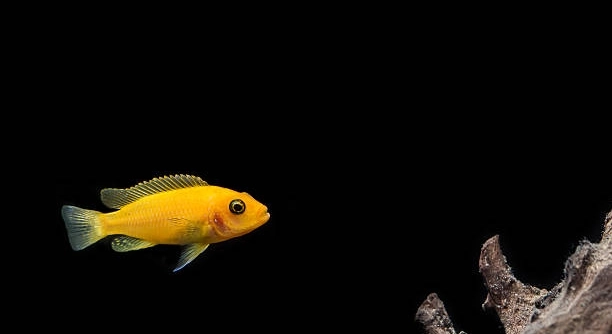
Cichlids are fascinating fish known for their bright colors and active behavior. Observing their daily routines can reveal a lot about how they interact with each other. Recognizing certain habits early can help prevent stress in your aquarium.
Cichlid conflicts are often preceded by specific behavioral patterns. Signs such as territory guarding, frequent chasing, sudden color changes, and consistent displays of dominance can indicate rising tension. Monitoring these habits allows aquarists to predict and manage potential aggression effectively.
Knowing these cues can make your aquarium a calmer environment. Paying attention to their actions helps maintain harmony and reduces unexpected disputes between your fish.
Territory Guarding
Cichlids often claim specific areas in the tank, marking them as their own. Rocks, plants, or corners become their territory. When a fish spends a lot of time patrolling or hovering over one spot, it usually indicates a sense of ownership. This behavior is natural but can signal rising tension if other cichlids approach. Observing how your fish reacts to intruders is important. Some may simply chase the intruder away, while others may escalate to aggressive displays or nipping. Over time, repeated guarding can lead to conflicts, especially if the tank is small or crowded. Providing plenty of hiding spots and dividing the tank visually can reduce stress and prevent constant territorial disputes. By recognizing which fish are more possessive, adjustments can be made to create a calmer environment. Watching these behaviors daily helps in understanding each fish’s personality and predicting possible conflicts before they escalate.
Territory guarding is often a precursor to aggression. Recognizing it early helps maintain harmony.
Managing territories involves arranging the tank to reduce overlap. Rocks, plants, and decorations can create natural boundaries, allowing multiple fish to coexist peacefully. Ensuring each cichlid has a safe zone minimizes repeated confrontations and fosters a calmer aquarium overall.
Sudden Color Changes
Color changes in cichlids often reflect emotional states. A bright or darker shade can indicate excitement, stress, or aggression. Watching these shifts closely provides clues about the fish’s mood and potential conflicts.
Stress-related color changes are usually linked to interactions with other fish. When one cichlid darkens suddenly as another approaches, it is signaling discomfort or warning. Ignoring these cues can lead to chasing, nipping, or more severe fights. Adjusting tank conditions, such as reducing crowding or adding visual barriers, can help. Some species are naturally more vibrant, so it is important to know baseline coloration for each fish. Over time, patterns emerge that show which cichlids are prone to escalation. Responding to these subtle signals is essential for maintaining peace. Observing consistently also helps identify if one fish is repeatedly stressed, allowing interventions before injuries occur. Color changes are not just decorative—they are a vital communication tool that reflects the social dynamics within your aquarium.
Chasing Behavior
Chasing is a common sign of cichlid tension. When one fish repeatedly pursues another, it signals dominance or irritation. Frequent chasing can escalate conflicts if not managed.
Chasing often begins subtly, with one fish approaching or circling another. Over time, it can intensify, involving quick darts, nips, or cornering. Smaller or less assertive fish are usually targeted, leading to stress or injury. Observation is key to prevent harm. Adjusting tank size, adding hiding spots, and monitoring aggressive individuals can reduce repeated chasing. Noticing who chases and who retreats helps anticipate conflicts. Patterns of chasing reveal which fish dominate territory or food access, allowing timely interventions before the behavior escalates further.
Repeated chasing can affect feeding and social balance. Fish under constant pursuit may hide excessively or eat less, impacting overall health. Monitoring this behavior consistently ensures both safety and harmony.
Fin Flaring
Fin flaring occurs when cichlids spread their fins wide. It signals dominance, stress, or territorial defense and often precedes aggression.
Flaring is most visible when fish face each other or approach a contested area. It is a clear warning sign that a cichlid is ready to defend its space. While some flaring is harmless, repeated displays indicate rising tension and can escalate into chasing or biting. Observing the frequency, intensity, and targets of flaring helps predict which fish may engage in conflict. In crowded or poorly structured tanks, flaring can become constant, raising stress levels. Adding visual barriers or rearranging decorations reduces direct lines of sight and lowers aggressive encounters. Over time, tracking fin flaring alongside chasing behavior paints a clear picture of social hierarchies within the tank.
Understanding flaring is essential for managing aggression. Timely adjustments to tank conditions and layout minimize stress and reduce the risk of physical altercations.
Sudden Retreats
Sudden retreats occur when a cichlid quickly swims away from another fish. This behavior often signals stress or fear and may indicate a potential conflict in progress.
Frequent retreats can show which fish are submissive or intimidated. Monitoring these responses helps identify which interactions might escalate, allowing adjustments to tank conditions or layout to reduce tension.
Nesting Behavior
Nesting behavior involves cichlids digging, moving substrate, or arranging rocks. This activity indicates breeding instincts or territorial establishment, which can increase aggression.
Nipping at Fins
Nipping at fins is a direct aggressive behavior. Fish that repeatedly bite or tug at another’s fins can cause injury and heighten tension in the tank. Monitoring this behavior helps prevent serious conflicts and maintain harmony among cichlids.
How can I tell when my cichlids are about to fight?
Cichlids show several behaviors before a fight begins. Repeated chasing, fin flaring, sudden color changes, and frequent retreats are common warning signs. Watching the interactions closely helps identify which fish are likely to escalate into aggressive encounters. Some fish are more territorial than others, and certain species naturally assert dominance more often. Observing daily routines and noting patterns of aggression can help prevent injuries. Adjusting tank layout, adding hiding spots, or separating particularly aggressive individuals reduces stress and keeps the group balanced. Understanding these signals ensures you can intervene before minor conflicts become harmful.
What can I do to reduce aggression in my tank?
Providing a spacious tank with plenty of hiding spots is essential. Rocks, plants, and decorations create natural boundaries and visual breaks, allowing each cichlid to claim a personal area. Overcrowding increases tension and leads to repeated chasing or fin nipping. Monitoring feeding times is also important, as competition for food can trigger aggression. Sometimes, rearranging the tank setup changes territorial claims, diffusing conflicts. In more severe cases, separating aggressive individuals temporarily or permanently can prevent injuries. Consistent observation and small adjustments go a long way in maintaining a calm and healthy environment for all fish.
Why do some cichlids flare their fins more than others?
Fin flaring is a communication tool among cichlids, signaling dominance, stress, or readiness to defend territory. Some species naturally flare more often, while individuals with dominant personalities use it frequently to assert control. High flaring frequency often correlates with a higher likelihood of chasing or nipping behaviors. Observing which fish flare in response to certain situations, such as territory intrusion or feeding, helps predict potential conflicts. Providing enough space and visual barriers can reduce constant flaring. Tracking this behavior alongside chasing and color changes allows you to understand social hierarchies and anticipate tension before it escalates.
How does tank size influence cichlid behavior?
Tank size plays a critical role in cichlid interactions. Smaller tanks increase competition for space, making territorial disputes more frequent. Overcrowding forces fish into close proximity, which triggers stress, chasing, and fin nipping. Larger tanks allow for defined territories and reduce constant encounters. Adding hiding spots or partitions in smaller tanks can compensate, but proper space remains crucial. Observing how fish claim different areas and adjusting stocking levels prevents repeated conflicts. A well-planned tank layout minimizes stress, ensures each cichlid has a personal zone, and encourages a healthier, calmer community.
Are some cichlid species more aggressive than others?
Yes, aggression varies by species. Mbuna cichlids, for example, are highly territorial and prone to chasing and fin nipping. Other species, like angelfish or certain South American cichlids, tend to be more peaceful but still show territorial behaviors. Knowing species-specific traits helps anticipate conflicts and plan tank arrangements. Mixed-species tanks require careful selection to balance activity levels and aggression. Providing adequate space, hiding spots, and observing daily interactions ensures compatibility. Recognizing which individuals are dominant within a species helps prevent repeated harassment and injuries, maintaining harmony in the tank.
Can rearranging decorations reduce fights?
Rearranging tank decorations changes visual boundaries and territorial claims. When fish feel their area is disrupted, it can reset dominance hierarchies and reduce repeated conflicts. Rocks, plants, or dividers create hiding spots and reduce direct lines of sight, lowering tension. This approach is especially useful in smaller or crowded tanks. It encourages fish to explore and establish new territories without constant harassment. Observation after rearrangement is important, as some dominant individuals may still assert control aggressively. Gradual adjustments and careful monitoring allow cichlids to coexist more peacefully, reducing chasing, fin nipping, and stress.
Is color change always a sign of aggression?
Color changes are not always aggression-related but often indicate mood or stress. Brightening or darkening can signal excitement, fear, or readiness to defend territory. Observing the context is key: a fish darkening while another approaches likely indicates discomfort, whereas temporary brightening during feeding is normal. Patterns over time reveal which individuals are stressed or dominant. Paying attention to triggers helps predict conflicts and take preventive measures, such as adding barriers or separating aggressive fish. Understanding color changes provides insight into social dynamics, allowing better management of the tank’s overall harmony and health.
What should I do if a fish gets injured during a fight?
Injured fish require prompt attention. Isolating the affected individual in a quarantine tank prevents further attacks and allows healing. Water quality should be monitored closely, as open wounds are vulnerable to infection. Using aquarium-safe antiseptics or medications may help recovery. Maintaining a calm environment and observing tank dynamics prevents repeated injuries. Identifying aggressive fish and managing their behavior is critical. Adjusting territory boundaries, adding hiding spots, or separating aggressive individuals reduces the chance of future conflicts. Timely intervention ensures that the injured fish recovers fully and the community remains balanced.
How can I predict which fish will dominate?
Dominance is often established through repeated behaviors like chasing, flaring, and territory guarding. Observing interactions daily helps identify the hierarchy within the tank. Dominant individuals often claim the best hiding spots, feed first, and initiate aggression. Submissive fish retreat, hide, or display pale coloration when approached. Understanding these patterns allows interventions such as tank rearrangements, separating individuals, or providing additional space to reduce repeated conflicts. Tracking which fish consistently assert control over territory or resources predicts future interactions and helps maintain a calmer, healthier aquarium.
Can environmental enrichment reduce cichlid stress?
Yes, adding environmental enrichment helps reduce stress and aggression. Rocks, caves, and plants provide hiding spots and allow fish to establish personal territories. Enrichment encourages exploration and natural behaviors, reducing repetitive chasing and nipping. Altering layouts periodically prevents boredom and reassessment of territory, which helps diffuse tension. Proper enrichment allows all fish, dominant or submissive, to coexist with less conflict. Observing how fish interact with new structures informs further adjustments. Maintaining a varied and engaging environment supports both mental and physical health, minimizing stress-related behaviors and improving overall harmony in the tank.
How often should I observe my cichlids for conflict signs?
Daily observation is ideal. Short, consistent checks help track behaviors like chasing, fin flaring, retreats, or color changes. Recording patterns over time allows anticipation of conflicts and timely interventions. Observation also reveals which individuals dominate or are frequently stressed. Adjusting the tank layout, providing hiding spots, or separating aggressive fish becomes easier with detailed knowledge of daily routines. Consistent monitoring ensures a calmer environment, prevents injuries, and promotes healthy social interactions. Awareness of even subtle changes in behavior can make a significant difference in managing a peaceful and thriving aquarium.
What role does feeding play in aggression?
Feeding times can trigger competition and aggression, especially in territorial cichlids. Dominant fish often rush to claim food, chasing or nipping others. Spreading food across multiple areas reduces conflict and ensures all fish eat. Feeding smaller portions more frequently can also minimize disputes. Observing interactions during feeding helps identify aggressive individuals and manage them accordingly. Providing hiding spots near feeding areas or adjusting the schedule can prevent repeated tension. Proper feeding strategies contribute to overall harmony and reduce stress, allowing all cichlids to thrive without unnecessary conflicts over resources.
Cichlids are complex and fascinating fish with strong personalities. Their behaviors, from chasing and flaring to guarding territory and nipping, are natural ways of communicating and establishing social hierarchies. Observing these behaviors closely helps in understanding the dynamics of the tank. Each cichlid has its own temperament, and some are more aggressive or dominant than others. Recognizing the early signs of conflict, such as sudden color changes, frequent retreats, or persistent chasing, allows for timely interventions before serious injuries occur. Paying attention to these habits helps maintain a balanced and calmer environment, benefiting both the fish and the overall health of the aquarium.
Maintaining harmony in a cichlid tank involves careful planning and consistent observation. Providing enough space is crucial, as overcrowding often leads to stress and repeated conflicts. Rocks, plants, and decorations can create natural boundaries and hiding spots, allowing fish to claim personal areas and reduce tension. Rearranging decorations occasionally can reset territorial boundaries and diffuse potential aggression. Feeding strategies also play a role in minimizing conflict. Spreading food across multiple areas or offering smaller portions more frequently ensures all fish get enough to eat and prevents dominant individuals from harassing others. Combining these measures with careful monitoring creates a more predictable and stable environment.
Even with all precautions, some level of conflict is normal in a cichlid tank. The goal is not to eliminate aggression completely but to manage it effectively. Recognizing which fish are prone to dominance, which are more submissive, and how they interact provides valuable insight into social structure. Intervening when necessary, whether by adding barriers, adjusting territories, or temporarily separating aggressive individuals, supports the long-term wellbeing of the fish. By consistently observing behavior, providing adequate space, and arranging the environment thoughtfully, it is possible to reduce stress, prevent injuries, and foster a healthier, more balanced aquarium. Understanding these habits not only helps predict conflict but also ensures that the cichlids can coexist with less tension, allowing their natural beauty and behaviors to be enjoyed in a peaceful setting.

Hello,
If you enjoy the content that we create, please consider saying a "Thank You!" by leaving a tip.
Every little bit helps us continue crafting quality advice that supports the health, happiness, and well-being of pets around the world, for pets of all shapes, sizes, and species.
We really appreciate the kindness and support that you show us!