
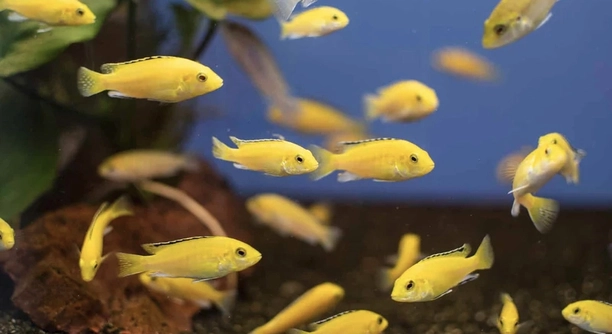
Maintaining a healthy cichlid tank requires careful attention to water quality and oxygen levels. Poor oxygenation can quickly affect fish behavior and overall well-being, making it essential for any aquarist to recognize early warning signs before serious problems occur.
Low oxygen levels in a cichlid tank can manifest through several observable indicators, including rapid gill movement, lethargy, gasping at the water surface, reduced feeding, unusual swimming patterns, pale coloration, and increased susceptibility to disease. Recognizing these signs early is critical for intervention.
Addressing these issues promptly ensures your cichlids remain active and healthy, preserving the balance and vibrancy of your aquarium environment.
Rapid Gill Movement
When cichlids experience low oxygen levels, one of the first signs you may notice is rapid gill movement. Fish rely on their gills to extract oxygen from the water, and when oxygen is scarce, they must work harder to breathe. You might see them opening and closing their mouths quickly, or their gill covers moving faster than usual. This behavior is often accompanied by restlessness or frequent swimming near the water’s surface where oxygen concentration is higher. Rapid gill movement is not a normal state for cichlids and indicates that immediate attention is needed. Ensuring proper aeration and maintaining water quality can prevent these stress responses. Monitoring gill movement regularly gives you an early indicator of the tank’s oxygen levels, allowing timely intervention before other health issues arise. Regular water changes and proper filtration support optimal oxygen distribution, helping your fish stay active and healthy.
Rapid gill movement signals oxygen deficiency and immediate corrective measures are necessary to prevent stress, weakened immunity, or eventual mortality in your cichlids.
Observing your cichlids’ breathing patterns daily is crucial. Subtle changes may go unnoticed at first, but early detection ensures you can adjust aeration or circulation before the problem escalates. Consistent monitoring creates a stable environment for long-term health.
Lethargy and Reduced Activity
Lethargic behavior is another clear sign of poor oxygenation in your tank. Cichlids may spend long periods resting at the bottom or hiding in decorations instead of exploring. Reduced activity indicates that their metabolism is slowing due to insufficient oxygen.
Extended periods of low activity can weaken their immune system and make them more vulnerable to diseases. Maintaining adequate aeration and observing their swimming patterns can prevent serious complications. Proper tank maintenance, including regular water testing and circulation improvements, keeps oxygen levels stable and supports natural activity. Regularly checking for signs of stress ensures your fish remain energetic and alert.
When cichlids appear lethargic, it often reflects the tank’s overall condition. Oxygen levels can drop due to overcrowding, decaying matter, or inadequate filtration. Adjusting tank setup, enhancing water movement, and ensuring proper stocking density helps restore activity. A consistent routine of observation and intervention supports both behavior and long-term health, creating a balanced environment where cichlids thrive.
Gasping at the Surface
Cichlids gasping at the water surface often indicate insufficient oxygen. This behavior occurs because oxygen concentration is higher near the surface, prompting fish to seek it actively.
When fish repeatedly swim to the top and take quick breaths, it signals the tank’s oxygen levels are not meeting their needs. Surface gasping is usually paired with other signs like lethargy or rapid gill movement. Contributing factors can include overstocking, poor water circulation, or accumulation of waste. Addressing these issues quickly is essential to prevent long-term health problems and stress. Increasing aeration with air stones or improving water flow can help restore balance, while regular maintenance ensures oxygen levels remain stable.
Gasping behavior can escalate if ignored. Fish may become weaker, reducing their ability to compete for food or defend themselves. Consistently monitoring oxygen levels and tank conditions ensures cichlids maintain normal behavior, promoting overall vitality and resilience against environmental stressors.
Unusual Swimming Patterns
Erratic or unusual swimming is a common response to low oxygen in cichlids. Fish may dart quickly, circle repeatedly, or appear disoriented.
These behaviors occur because oxygen scarcity disrupts normal metabolic processes, causing fish to move abnormally in search of better oxygenated areas. Continuous unusual swimming indicates prolonged stress, which can lead to weakened immunity and higher susceptibility to infections. Factors like insufficient aeration, excess organic waste, or high stocking density often contribute to this problem. Corrective steps include improving filtration, adding water movement devices, and performing regular water changes. Observing swimming behavior regularly allows for early detection of oxygen issues before they escalate.
Addressing unusual swimming patterns promptly helps maintain cichlids’ health and stability. Consistent care, including monitoring oxygen levels, optimizing tank layout, and adjusting feeding practices, ensures fish regain normal swimming behavior and reduces long-term stress. Healthy water circulation and appropriate tank size are key to preventing recurring issues and supporting active, resilient cichlids.
Pale Coloration
Pale or faded coloration in cichlids is often linked to low oxygen levels. Fish may lose their vibrant hues as their metabolism slows.
Color changes signal stress and reduced health. Maintaining proper oxygenation and water quality helps restore natural coloration and vitality in your fish.
Increased Susceptibility to Disease
Poor oxygenation weakens cichlids’ immune systems, making them more prone to infections. Fish may develop fin rot, fungal growths, or other illnesses when oxygen levels remain low. Immediate intervention, including improving aeration, maintaining clean water, and monitoring overall tank conditions, reduces disease risk and promotes recovery.
Reduced Feeding
Cichlids may eat less when oxygen is low. Appetite decreases as stress and metabolic issues arise, signaling a need for improved water circulation and oxygenation.
FAQ
How can I quickly increase oxygen levels in my cichlid tank?
Adding air stones, increasing water flow with filters, or installing a small powerhead can immediately boost oxygen circulation. Regular water changes also help by introducing fresh, oxygen-rich water. Avoid overcrowding, as too many fish can quickly deplete oxygen, even with good aeration.
What is the ideal oxygen level for cichlids?
Cichlids thrive when dissolved oxygen is above 5 mg/L. Levels below this threshold can cause stress, lethargy, and weakened immunity. Consistently monitoring oxygen with a test kit ensures the tank environment remains safe and supports healthy fish behavior and growth.
Can water temperature affect oxygen levels?
Yes. Warmer water holds less oxygen, which can exacerbate low oxygen issues. If the tank temperature rises above 28°C (82°F), oxygen availability drops, stressing the fish. Maintaining stable, moderate temperatures with a heater or fan helps keep oxygen levels adequate.
How do I know if my cichlids are stressed from low oxygen?
Signs include rapid gill movement, gasping at the surface, lethargy, unusual swimming, pale coloration, and reduced feeding. Observing these behaviors early allows for quick adjustments in aeration, filtration, or tank maintenance to prevent health problems.
Are some cichlids more sensitive to low oxygen than others?
Yes. Larger species or highly active fish typically require more oxygen. Aggressive or territorial cichlids also expend more energy, making them more susceptible to stress when oxygen levels drop. Tailoring aeration and tank setup to species needs is important.
Does overfeeding impact oxygen levels?
Excess food decomposes, consuming oxygen and producing harmful ammonia. Feeding small portions and promptly removing uneaten food prevents oxygen depletion, supports water quality, and keeps fish healthy. Consistent feeding routines also reduce stress-related behaviors caused by low oxygen.
Will plants help improve oxygenation in a cichlid tank?
Live plants produce oxygen during photosynthesis but may not provide enough for larger or densely stocked tanks. They do help maintain water quality and reduce stress. Supplementing with aeration or circulation devices ensures consistent oxygen availability for all fish.
How often should I check oxygen levels?
For tanks prone to oxygen fluctuations, daily checks are recommended. Routine monitoring with a dissolved oxygen meter or test kit helps detect changes early, allowing timely action. Even in well-maintained tanks, occasional checks prevent unnoticed drops that could harm your cichlids.
What long-term measures prevent low oxygen?
Maintaining proper filtration, avoiding overcrowding, performing regular water changes, monitoring temperature, and using aeration devices consistently keeps oxygen levels stable. Planning the tank layout with adequate circulation and avoiding excessive waste buildup ensures cichlids remain active, healthy, and vibrant over time.
Can low oxygen affect breeding cichlids?
Yes. Oxygen deprivation reduces energy and reproductive behavior. Eggs may fail to develop properly, and fry can be more vulnerable. Ensuring high oxygen levels is essential during breeding to support healthy spawning and survival of young fish.
How do I handle sudden oxygen drops?
Immediate aeration, partial water changes, and reducing feeding temporarily help stabilize the tank. Identify and correct the cause, whether it’s overcrowding, filter failure, or high temperatures. Quick action prevents stress-related illness and maintains long-term tank stability.
Are there signs of chronic low oxygen?
Chronic low oxygen often shows as persistent pale coloration, reduced growth, frequent surface gasping, and consistently low activity. Long-term monitoring and preventive maintenance are necessary to address these issues before permanent health damage occurs.
Can additives help increase oxygen?
Some water conditioners can temporarily raise oxygen levels, but they are not a substitute for proper aeration and circulation. Relying solely on additives does not solve underlying problems like overcrowding or poor water movement, which must be addressed for lasting results.
What role does tank size play in oxygenation?
Smaller tanks with many fish can experience rapid oxygen depletion. Larger tanks allow better diffusion and circulation, reducing stress. Proper stocking density and tank volume considerations are key to maintaining stable oxygen levels.
How do I maintain oxygen levels during high temperatures?
Increase surface agitation with air stones, reduce feeding, and avoid overcrowding. Cooling the tank slightly or using fans on the water surface can improve oxygen absorption. Maintaining stable environmental conditions reduces stress and prevents oxygen-related health issues.
Is low oxygen dangerous even if fish seem normal?
Yes. Fish may hide stress until it becomes severe, affecting immunity and long-term health. Regular observation and preventive measures ensure cichlids remain healthy, even if symptoms are not immediately obvious.
Can I prevent low oxygen with proper tank maintenance?
Consistent water changes, cleaning debris, monitoring filtration, regulating temperature, and maintaining appropriate fish numbers are the most effective strategies. Preventive care keeps oxygen levels sufficient and supports overall fish vitality.
How does water movement affect oxygen distribution?
Stagnant water reduces oxygen availability, especially at the bottom. Proper circulation ensures oxygen reaches all areas of the tank, preventing localized depletion. Adjusting filter flow, adding pumps, or repositioning decorations can improve movement.
Are air pumps necessary for all cichlid tanks?
Not always, but they are highly recommended for densely stocked or heavily planted tanks. Air pumps enhance circulation and oxygenation, especially in situations where natural diffusion is insufficient. They provide stability during temperature changes or increased fish activity.
What other signs should I watch for besides gill movement and swimming behavior?
Watch for faded colors, weak appetite, hiding, or erratic schooling patterns. Combined observations provide a more accurate picture of oxygen status and overall health, helping you take timely corrective action.
How can I make oxygen monitoring part of my routine?
Incorporate quick visual checks of breathing patterns, surface activity, and color into daily care. Weekly measurements with a dissolved oxygen meter or test kit complement visual observation. Routine monitoring ensures early detection and consistent tank health.
How long does it take for cichlids to recover after oxygen levels improve?
Recovery depends on the duration and severity of low oxygen exposure. Minor episodes may show improvement within hours, while prolonged stress could take several days for energy, coloration, and feeding habits to return to normal. Proper ongoing care accelerates recovery.
Can oxygen issues affect other tank parameters?
Yes. Low oxygen often coincides with high ammonia or nitrate levels from poor water circulation. Addressing oxygen deficiency usually involves improving overall water quality, which stabilizes multiple parameters and supports a healthier tank environment.
What preventative tools are most effective for oxygen management?
Air stones, powerheads, high-quality filters, and regular water changes are the most reliable methods. Combining these tools with careful stocking and temperature control creates a stable environment, reducing the likelihood of oxygen-related stress or disease.
How do I balance oxygen needs with other tank maintenance tasks?
Prioritize circulation, aeration, and water quality simultaneously. While feeding, cleaning, or adding plants, ensure water movement is maintained. Integrated care prevents oxygen dips while supporting overall tank health and fish vitality.
Can low oxygen lead to permanent damage in cichlids?
Chronic oxygen deficiency can weaken immunity, reduce growth, and shorten lifespan. Long-term stress may cause organ damage or susceptibility to infections. Timely intervention is essential to prevent lasting health consequences and maintain active, resilient fish.
What immediate steps should I take if I notice multiple low-oxygen signs?
Increase aeration, check filtration, perform a partial water change, and reduce stressors like overcrowding. Observe fish closely over the next 24–48 hours. Consistent care ensures oxygen levels stabilize and prevents further health decline.
Is monitoring oxygen more critical in certain seasons?
Yes. Warmer months reduce dissolved oxygen naturally, while cooler seasons may mask subtle declines. Seasonal adjustments to aeration and temperature control help maintain consistent oxygen levels year-round.
How do I teach others in my household about oxygen care?
Demonstrate daily observation of fish behavior, explain the importance of water movement, and show how to operate aeration tools. Shared understanding ensures proper care even when multiple people handle maintenance.
Are there signs of oxygen stress that appear before visible behavior changes?
Subtle signs include slower response to feeding, minor color fading, and less frequent exploration. These early indicators allow for preventive action before major symptoms, like gasping or lethargy, become apparent.
How often should I adjust aeration devices?
Adjustments depend on tank size, stocking, and temperature. Periodic checks ensure proper placement and flow. Minor tweaks during routine maintenance optimize oxygen distribution without causing unnecessary turbulence.
Can filtration alone maintain oxygen levels?
Filters improve circulation but may not provide sufficient oxygen for heavily stocked tanks. Combining filtration with aeration or water movement devices ensures stable oxygen levels throughout the tank.
What is the most common mistake aquarists make regarding oxygenation?
Overlooking early signs like subtle color changes or mild lethargy leads to prolonged oxygen stress. Timely observation and intervention are critical to avoid cascading health issues in cichlids.
How do I prevent oxygen problems in new tanks?
Ensure adequate aeration, establish proper filtration, monitor stocking levels, and perform regular water testing. Early attention to oxygen prevents stress as fish acclimate and reduces the risk of long-term health issues.
Can water hardness or chemistry affect oxygen absorption?
Yes. Higher salinity or extreme pH levels can reduce oxygen solubility. Maintaining balanced water chemistry alongside aeration ensures cichlids receive sufficient oxygen and remain healthy.
How do I safely increase aeration without stressing cichlids?
Introduce air stones or powerheads gradually, avoiding strong turbulence that could frighten or injure fish. Observe behavior as adjustments are made and fine-tune placement for gentle, consistent circulation.
Is it normal for cichlids to occasionally gasp at the surface?
Occasional surface visits are normal, especially during feeding. Persistent or frequent gasping indicates oxygen deficiency and requires corrective action to prevent long-term stress or health decline.
What combination of methods works best for maintaining oxygen levels?
A balanced approach using aeration, circulation, regular water changes, proper stocking, and temperature control ensures stable oxygen levels. Monitoring behavior and water parameters completes a reliable strategy for healthy cichlids.
How long can cichlids survive low oxygen conditions?
Survival depends on severity. Mild, brief drops may cause temporary stress, but prolonged oxygen deficiency can quickly lead to lethargy, illness, or death. Immediate action is essential to prevent irreversible harm.
Are there signs that oxygen levels have improved?
Fish exhibit normal gill movement, increased activity, vibrant coloration, and regular feeding. Monitoring these positive changes confirms that interventions have successfully restored a healthy environment.
How can I combine oxygen care with general tank maintenance?
Integrate aeration, filtration, water changes, and cleaning into a consistent schedule. Observing fish behavior during these tasks ensures oxygen levels remain adequate and supports overall tank stability.
Can high stocking densities ever be safe for oxygen levels?
Only with strong aeration, circulation, and frequent monitoring. Even then, high densities increase risk and require careful management to prevent stress and maintain healthy cichlids.
What are the risks of ignoring early signs of low oxygen?
Ignoring early signs can lead to weakened immunity, disease outbreaks, reduced growth, and eventual mortality. Prompt attention ensures long-term vitality and prevents serious tank-wide problems.
How does nighttime affect oxygen levels?
Plants consume oxygen at night, reducing availability. Aeration and water circulation remain important during dark periods to maintain adequate oxygen for cichlids.
Are there visual indicators of oxygen improvement?
Normal swimming patterns, bright colors, alert responses, and consistent feeding signal recovery. Observing these changes confirms that oxygen levels are sufficient and fish are thriving.
What’s the simplest daily routine to ensure proper oxygenation?
Check fish behavior, monitor surface activity, maintain filter and aeration devices, and perform regular partial water changes. Consistent daily attention prevents oxygen drops and keeps cichlids healthy.
How do I balance oxygen care with temperature control?
Maintain moderate water temperatures and increase aeration during warmer periods. This balance ensures oxygen levels remain adequate while avoiding stress from temperature fluctuations.
Can stress from low oxygen affect breeding success?
Yes. Oxygen stress reduces energy, disrupts reproductive behavior, and can compromise egg or fry survival. Maintaining high oxygen levels is essential during breeding periods.
Are there signs that my interventions are not enough?
Persistent gasping, lethargy, pale coloration, or continued unusual swimming indicate oxygen levels remain insufficient. Additional corrective measures are required to stabilize the environment.
Is it necessary to measure oxygen chemically or visually?
Both methods are useful. Test kits or meters provide precise measurements, while observing behavior offers practical, ongoing insights. Combining methods ensures a reliable assessment of tank conditions.
Can oxygen supplementation help older or weaker cichlids?
Yes. Older or weaker fish are more sensitive to low oxygen. Supplemental aeration helps maintain energy, appetite, and resilience against stress or disease.
How do I prevent oxygen fluctuations during maintenance tasks?
Plan water changes, cleaning, and filter adjustments carefully to maintain circulation. Temporary dips can be minimized by adding air stones or performing smaller, staged changes.
Can low oxygen affect cichlid coloration permanently?
Prolonged oxygen deprivation can cause lasting fading or dullness, though recovery is possible with proper oxygenation and care. Early intervention prevents permanent color loss.
How do I monitor multiple tanks efficiently?
Observe each tank’s fish behavior, measure oxygen levels with meters, and maintain logs. Routine checks ensure consistent conditions across all environments, preventing unnoticed low oxygen issues.
Are there any natural signs in the tank to watch besides the fish?
Algae growth or excessive debris may indicate stagnant water, which can reduce oxygen. Ensuring proper circulation and cleaning prevents oxygen depletion and supports a healthier habitat.
What is the most effective long-term strategy for oxygen management?
Maintain proper stocking, consistent aeration, water circulation, regular cleaning, temperature control, and behavioral monitoring. Integrated care prevents oxygen stress and promotes stable, healthy cichlids over time.
Can oxygen levels recover naturally without intervention?
Minor fluctuations may self-correct with water movement or plant activity, but prolonged low oxygen requires active aeration and maintenance to ensure fish health. Relying solely on natural recovery is risky.
How often should I review my oxygen management practices?
Regularly, at least monthly, or whenever fish behavior changes. Reviewing practices ensures ongoing effectiveness and adapts strategies to current tank conditions.
Are there tools to automate oxygen monitoring?
Yes. Some sensors and meters provide real-time readings with alerts. These tools simplify monitoring, especially for multiple tanks, and help maintain stable oxygen levels efficiently.
How do I address oxygen issues if my tank is heavily planted?
Ensure circulation reaches all areas, trim excess plants if needed, and supplement with aeration devices. Balanced plant density supports oxygen production without causing localized depletion.
Is it normal for cichlids to cluster near filter outlets?
Yes, this often indicates seeking areas with higher oxygen flow. Clustering can reveal spots with low circulation, guiding adjustments to improve tank oxygenation.
Can seasonal water changes prevent low oxygen?
Yes. Adjusting water volume and timing to account for seasonal temperature and metabolic changes helps maintain stable oxygen levels throughout the year.
Do small fish affect oxygen levels less than large fish?
Generally, yes. Smaller fish consume less oxygen individually, but high numbers can still create significant demand. Proper stocking density remains essential regardless of fish size.
What is the best way to respond if multiple oxygen signs appear simultaneously?
Increase aeration, perform a partial water change, check filtration, reduce overcrowding, and observe behavior closely. Prompt combined measures stabilize oxygen and protect fish health.
How long should I maintain increased aeration after oxygen issues?
Keep elevated aeration until water quality, temperature, and fish behavior indicate stable conditions. Gradually return to normal levels to avoid sudden stress from changes.
Are all cichlid tanks equally prone to oxygen problems?
No. Heavily stocked, warm, or small tanks are more susceptible. Monitoring and tailored interventions are necessary to prevent oxygen-related stress in vulnerable setups.
What role does water movement play at night?
Maintaining circulation prevents oxygen depletion from nighttime plant respiration. Constant movement ensures stable levels even when photosynthesis is not occurring.
Can sudden feeding affect oxygen levels?
Yes. Large meals increase metabolic activity and waste production, reducing oxygen. Feeding smaller, controlled portions helps maintain stable oxygen and water quality.
How can I use fish behavior to predict oxygen problems before testing?
Observe gill movement, swimming patterns, coloration, and feeding habits. Changes in these behaviors often precede measurable oxygen drops, allowing preventive action.
Are there seasonal adjustments for aeration devices?
Yes. Increase aeration during warmer months, when oxygen solubility decreases, and maintain moderate flow during cooler periods to balance oxygen availability.
What is the safest way to change water without affecting oxygen?
Replace small amounts gradually while ensuring circulation is maintained. Sudden large changes can temporarily reduce oxygen or cause stress, so staged water changes are best.
Can oxygen issues affect cichlid aggression?
Yes. Low oxygen increases stress, which may trigger heightened aggression or territorial disputes. Stable oxygen helps maintain normal social behavior and reduces conflicts.
How do I prevent oxygen problems when adding new fish?
Quarantine new fish, ensure proper aeration, avoid overcrowding, and monitor behavior closely. Gradual acclimation prevents sudden oxygen depletion and stress on the existing population.
Can dissolved oxygen readings vary within the same tank?
Yes. Areas with poor circulation may have lower oxygen. Positioning aeration devices strategically ensures even distribution and prevents localized stress zones.
What are the long-term benefits of maintaining optimal oxygen levels?
Consistent oxygen supports energy, growth, coloration, immunity, reproduction, and overall vitality. Well-oxygenated tanks reduce stress, disease risk, and mortality, creating a stable, thriving environment for cichlids.
How can I ensure consistent oxygen levels during power outages?
Use battery-operated air pumps or backup aeration systems. Temporary measures maintain oxygen until normal power and circulation are restored, preventing acute stress and health decline.
Are there indicators that aeration adjustments are too strong?
Excessive turbulence, fish being pushed around, or hiding excessively indicates overly strong flow. Adjust placement or reduce intensity to create gentle, consistent circulation.
Can oxygen affect cichlid coloration during stress?
Yes. Low oxygen reduces energy for pigment expression, causing faded or dull colors. Restoring adequate oxygen helps colors return to normal.
How do I identify subtle signs of oxygen deficiency in a healthy tank?
Monitor for small changes in gill movement, activity, feeding, and color. Early detection allows preventive action before severe stress develops, keeping cichlids thriving.
What are the consequences of ignoring low oxygen in the long term?
Chronic low oxygen leads to weak
Maintaining proper oxygen levels in a cichlid tank is crucial for the health and well-being of the fish. Poor oxygenation can lead to a variety of visible signs, such as rapid gill movement, gasping at the surface, lethargy, unusual swimming patterns, pale coloration, reduced feeding, and increased susceptibility to disease. Each of these signs reflects how the fish’s metabolism and overall health are affected when oxygen is insufficient. Recognizing these indicators early allows for timely intervention, helping to prevent more serious problems or permanent damage. Simple steps such as improving aeration, ensuring proper water circulation, performing regular water changes, and avoiding overcrowding can make a significant difference in maintaining a stable environment. Observing your fish daily for subtle changes in behavior or appearance is an essential part of keeping them healthy.
Addressing oxygen issues promptly also supports long-term tank stability. Fish exposed to low oxygen levels over extended periods can experience chronic stress, weakened immunity, slower growth, and increased vulnerability to infections. Even if fish appear active or normal at first, prolonged oxygen deficiency can have lasting effects on their health. Using tools like air stones, powerheads, or high-quality filters helps maintain consistent water movement and oxygen distribution throughout the tank. Temperature control is another factor to consider, as warmer water holds less dissolved oxygen, making careful monitoring during hot periods essential. Adequate maintenance routines, including cleaning debris and testing water parameters, contribute to a balanced environment that supports both oxygenation and overall water quality. This structured approach reduces stress, improves fish vitality, and promotes a healthier, more resilient tank population.
Consistent attention to oxygen levels is also important for the daily behavior and natural activity of cichlids. Healthy oxygenation allows fish to swim actively, feed regularly, and display their natural colors and social behaviors. When oxygen levels are stable, cichlids are less likely to experience stress-related problems, and their interactions with other tank inhabitants remain more predictable. Integrating oxygen monitoring with general tank care, such as proper feeding, maintaining appropriate stocking levels, and ensuring balanced plant density, creates a safe and stable environment. Taking these steps helps prevent sudden oxygen drops and long-term health complications. By being proactive and observant, you can provide a reliable habitat where your cichlids thrive, remaining vibrant, active, and healthy for years to come.

Hello,
If you enjoy the content that we create, please consider saying a "Thank You!" by leaving a tip.
Every little bit helps us continue crafting quality advice that supports the health, happiness, and well-being of pets around the world, for pets of all shapes, sizes, and species.
We really appreciate the kindness and support that you show us!