
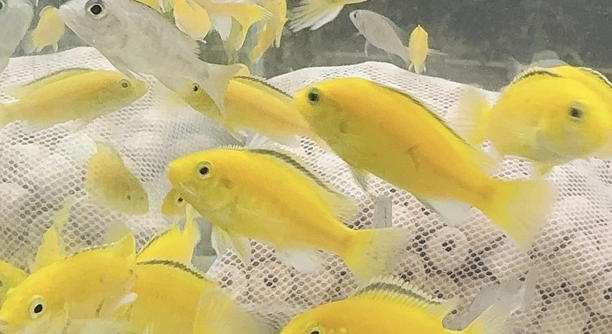
Cichlids are known for their striking colors and lively personalities, but introducing new tankmates can be a delicate process. Observing their behavior closely can help you understand how they react to newcomers in their environment.
Cichlids assess new tankmates through a combination of body language, territorial displays, and subtle interactions. They may test for dominance, aggression, and compatibility to establish hierarchy, maintain territory, and ensure a balanced social environment in the aquarium.
Watching how your cichlid interacts with each newcomer can reveal patterns and help prevent future conflicts in the tank. Understanding these tests is key for a harmonious aquarium.
Observing Initial Reactions
When a new fish is introduced, a cichlid often begins with cautious observation. They may swim close but keep a distance, circling the newcomer and watching for signs of threat. Their fins flare slightly, and body posture shifts as they assess potential dominance or submissiveness. Some cichlids retreat to their hiding spots to observe from a safer angle, while others approach slowly to test reactions. This stage can last several hours or even days depending on the individual temperament of the fish and the size of the tank. Subtle movements like fin flicks, gill flares, or slight changes in swimming speed indicate the cichlid’s thought process. Watching these behaviors helps you anticipate conflicts and decide when intervention is necessary. It is also important to provide plenty of hiding spaces so all fish feel secure during this adjustment period. Observing patiently reduces stress and allows the cichlid to set boundaries safely.
Careful observation at this stage prevents stress and helps the new fish adapt without immediate aggression.
Introducing new tankmates requires attention, but observing your cichlid closely ensures the tank remains calm. Noticing subtle gestures early can prevent major conflicts.
Testing Boundaries
Cichlids often test boundaries by asserting territory or nudging new tankmates. They may chase, block paths, or display head-on postures.
During this phase, the cichlid’s behavior becomes more direct and sometimes aggressive. They might circle the newcomer repeatedly, flare fins, or make short lunges to establish control over specific areas. The goal is to understand limits without causing serious harm. New fish react by retreating, hiding, or sometimes showing defensive postures. It is essential to watch these interactions closely. Over time, repeated boundary testing often results in an unspoken agreement on space and hierarchy. Tank size, decor, and hiding spots significantly affect how quickly boundaries are established. Larger tanks with multiple territories allow cichlids to coexist peacefully, while smaller spaces can intensify aggression. Adjusting placement and providing visual barriers can reduce stress and prevent persistent bullying. Recognizing these patterns helps maintain a healthier, more balanced aquarium for all inhabitants.
Assessing Compatibility
Cichlids observe new tankmates for behavior patterns, swimming styles, and levels of activity. They focus on signs of aggression or submission to determine how well the newcomer will fit in the established social hierarchy.
This assessment often involves close monitoring from a safe distance. The cichlid may follow the new fish, mirror its movements, or pause frequently to gauge reactions. If the newcomer displays confident but non-threatening behavior, the cichlid may gradually reduce its vigilance. On the other hand, overly aggressive or highly timid fish can trigger defensive responses, leading to territorial disputes or stress. Observing interactions during feeding times is also informative, as competition for food can reveal compatibility issues that were not evident during neutral swimming. A clear understanding of these dynamics helps maintain harmony in the aquarium.
Compatibility is influenced by size, temperament, and previous experiences. Proper observation ensures that both cichlids and newcomers coexist without ongoing stress or conflict.
Monitoring Feeding Behavior
Feeding times reveal social hierarchies and comfort levels among tankmates. Aggression often emerges around food, showing dominance and control over resources.
Cichlids may chase, block, or rush toward food to assert dominance. New tankmates respond by retreating, darting quickly, or waiting for the dominant fish to finish. These behaviors provide insight into the social structure forming in the aquarium. Consistent observation allows adjustments, such as offering multiple feeding points or spreading food to reduce competition. Some cichlids may guard specific areas or create temporary territories around preferred spots. Understanding these patterns prevents prolonged stress and ensures all fish receive adequate nutrition. Feeding is not only a necessity but also a natural way to study interactions. By monitoring closely, you can support a balanced and peaceful tank.
Displaying Territorial Behavior
Cichlids often mark their territory by patrolling specific areas or circling objects. They may flare fins and use body posture to communicate ownership and discourage intrusions.
Territorial displays can include short chases or nudges toward new tankmates. These actions help establish boundaries and reduce long-term conflicts.
Testing Physical Responses
Cichlids sometimes make gentle bites or nudges to see how newcomers react. These interactions measure strength, assertiveness, and submission without causing serious injury. Testing responses helps cichlids gauge the compatibility of tankmates before more aggressive behaviors occur.
Watching Social Interactions
Cichlids observe how newcomers interact with other fish. They notice whether the fish is social, solitary, or aggressive, which affects group dynamics and cohesion in the tank.
Observing Environmental Comfort
Cichlids monitor how new tankmates use hiding spots, plants, and decorations. Comfort levels influence stress and adaptability, which impacts long-term harmony in the aquarium.
How do cichlids show aggression toward new tankmates?
Cichlids often display aggression through body language rather than direct attacks at first. They flare their fins, raise their dorsal spines, and hold their bodies in a stiff, upright posture. Short chases or nudges may occur, usually aimed at testing the response of the newcomer. This behavior helps the cichlid establish dominance and communicate territorial boundaries. Observing these signs early can prevent serious conflicts and allows you to adjust tank conditions to minimize stress. Aggression is typically highest during the first few days and gradually decreases as social hierarchies form.
Why does my cichlid chase some fish but not others?
Chasing behavior is largely based on size, temperament, and perceived threat. Larger or bolder fish are often challenged more than smaller or submissive newcomers. Cichlids also assess the activity level of each tankmate; active swimmers may trigger more pursuit, while calm fish are left largely alone. This selective behavior ensures the cichlid maintains control over its territory while avoiding unnecessary risks. Recognizing these patterns can guide future introductions and help prevent ongoing stress or injuries in the aquarium.
How can I tell if a cichlid is stressed by new tankmates?
Signs of stress include hiding excessively, loss of appetite, pale coloration, and erratic swimming. Over time, stressed fish may also become lethargic or develop minor health issues due to weakened immunity. Noticing these behaviors early is crucial to prevent long-term problems. Adding extra hiding spots, reducing direct confrontations, and monitoring water conditions can help alleviate stress. A calm, structured environment allows both the cichlid and newcomers to adjust more comfortably.
Do cichlids eventually accept new tankmates?
Yes, most cichlids establish social hierarchies and gradually tolerate newcomers once boundaries are understood. Acceptance is often seen when aggressive behaviors decrease, chasing becomes minimal, and fish coexist peacefully while sharing territory. Providing enough space, visual barriers, and resources like food and hiding spots accelerates this process. Patience is key, as forced interactions or overcrowding can prolong conflict and increase stress for all fish involved.
What should I do if aggression continues?
Persistent aggression may require separating fish temporarily or permanently, depending on severity. Rearranging tank decorations can help disrupt established territories and reduce conflicts. Adding multiple hiding spots ensures that all fish can retreat when needed. Regular observation and timely interventions prevent injuries and allow the aquarium to remain balanced. In some cases, introducing additional tankmates can diffuse tension by spreading attention across more fish.
How important is tank size when introducing new fish?
Tank size is critical for cichlid introductions. Larger tanks provide more space for territories and reduce constant encounters between fish, minimizing stress and aggression. Small tanks force closer proximity, often leading to heightened conflicts. Ensuring adequate swimming room and sufficient territory markers like rocks and plants helps cichlids feel secure while interacting with newcomers. Space management is one of the most effective strategies for maintaining a peaceful aquarium environment.
Can the personality of a cichlid affect how it tests new tankmates?
Absolutely. Some cichlids are naturally more territorial or dominant, while others are calmer and less confrontational. The personality of both the resident and the newcomer influences interactions and determines how quickly peace is established. Observing individual behaviors allows you to plan introductions strategically, matching temperaments and avoiding overly aggressive pairings. Each fish is unique, and adjusting approaches based on personality improves long-term harmony in the tank.
How do hiding spots influence cichlid behavior with new fish?
Hiding spots provide security and reduce stress for both residents and newcomers. Cichlids use these areas to observe new tankmates without engaging directly, which prevents injuries. Multiple hiding spaces ensure that submissive fish can escape aggressive displays and that dominant fish can patrol their territory without constant confrontation. Proper arrangement of plants, rocks, and caves is essential to support social adjustment and maintain balance in the aquarium.
Does feeding affect cichlid testing behavior?
Feeding often intensifies territorial behavior, as cichlids compete for resources. Dominant fish may chase or block newcomers from food, while others wait for an opening. Distributing food across multiple locations helps reduce conflict and ensures all fish are fed. Monitoring feeding behavior provides insights into social hierarchies and allows adjustments to prevent stress and aggression. Regular observation during meals helps maintain a fair and peaceful environment.
How long does it take for a cichlid to fully accept new tankmates?
Acceptance timelines vary based on temperament, tank size, and number of fish. Some cichlids adjust in a few days, while others take weeks to form stable hierarchies. Consistent observation, providing adequate hiding spots, and minimizing disruptions speed up the process. Patience and careful monitoring ensure that all fish coexist safely and that aggressive incidents are minimized during the adjustment period.
Introducing new tankmates to a cichlid requires patience and careful observation. Cichlids are naturally territorial and curious, so their behavior toward newcomers is a mix of testing, asserting dominance, and gauging compatibility. Watching how your cichlid interacts with each new fish gives insight into social dynamics and helps prevent unnecessary stress or aggression. Providing adequate space and plenty of hiding spots allows both the resident and the newcomer to feel secure. Over time, cichlids usually establish clear boundaries and reduce aggressive displays as they grow accustomed to each other’s presence. Careful monitoring during the first few days is crucial, as this is when most aggressive or testing behavior occurs. By understanding these natural tendencies, you can ensure a calmer and more balanced aquarium environment.
Feeding times are another important aspect to consider when introducing new tankmates. Cichlids often display dominance or assert control during meals, which can appear as chasing, blocking, or rushing toward food. These behaviors are part of their natural social testing and should be observed closely. Providing multiple feeding locations and spreading food evenly reduces competition and allows each fish to eat safely. Observing how fish respond during feeding also gives insight into compatibility and social hierarchy. A cichlid that consistently intimidates others during meals may require additional adjustments, such as rearranging tank decor or providing more space to reduce tension. Careful attention to feeding interactions ensures that all fish remain healthy and receive adequate nutrition while minimizing conflicts.
The overall success of introducing new tankmates depends on a combination of observation, preparation, and patience. Understanding a cichlid’s natural behaviors—such as territorial displays, boundary testing, and social monitoring—helps you anticipate reactions and make informed adjustments. Providing sufficient space, hiding spots, and visual barriers allows all fish to coexist comfortably. Over time, most cichlids will settle into a routine with new tankmates, reducing aggression and forming a stable social structure. While the process may require time and vigilance, the result is a more harmonious aquarium where each fish can thrive. Careful planning and attention to behavior patterns ensure a safer, healthier, and more balanced environment for all the inhabitants of your tank.

Hello,
If you enjoy the content that we create, please consider saying a "Thank You!" by leaving a tip.
Every little bit helps us continue crafting quality advice that supports the health, happiness, and well-being of pets around the world, for pets of all shapes, sizes, and species.
We really appreciate the kindness and support that you show us!