
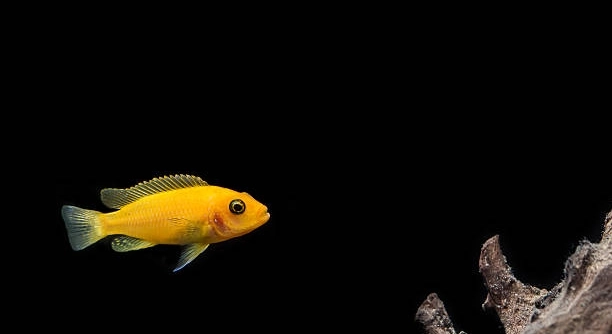
Have you ever noticed your cichlids swimming slowly and wondered how long they can go without food? Observing their behavior can raise concerns, especially when schedules or feeding routines are interrupted unexpectedly.
Cichlids can survive without food for up to one or two weeks under normal conditions, depending on species, age, and health. Maintaining clean water and monitoring stress levels is essential during periods of fasting.
Knowing how long they can safely go without eating helps you manage feeding routines and ensures your fish remain healthy and active in their aquarium environment.
How Fasting Affects Cichlids
When cichlids go without food, their bodies begin to adjust to the lack of nutrients. Initially, they use stored energy to maintain basic functions, which allows them to survive short periods without eating. Over time, metabolism slows, and activity levels may decrease. Some species show visible changes in coloration or behavior, often appearing less active or more reclusive in the tank. Long-term fasting can weaken their immune systems, making them more prone to infections and stress-related illnesses. Even if water quality is maintained, a lack of food can reduce their overall growth and vitality. Observing your cichlids during fasting periods can reveal subtle signs of stress, like decreased interaction with tankmates or less interest in their surroundings. By understanding these effects, you can better plan feeding routines and provide supplemental nutrition when necessary, helping your fish stay healthy and resilient.
Fasting can temporarily reduce aggression, as cichlids focus less on defending territory and more on conserving energy.
Careful observation during fasting is essential. Some cichlids may tolerate longer periods without food, while others need more frequent feeding. Age, size, and species significantly influence how they respond. Providing occasional small feedings or high-quality nutrition before a fasting period can help minimize stress. By balancing feeding schedules with periods of rest, you can support natural behaviors and maintain the overall health of the tank ecosystem. Proper management ensures that cichlids remain active, vibrant, and less prone to disease even when food is limited.
Signs That Your Cichlids Are Hungry
Cichlids may swim to the surface more often or linger near feeding spots when they feel hungry.
Prolonged hunger can lead to visible signs of stress in cichlids. They might develop thinner bodies, duller colors, or unusual swimming patterns. Some may become aggressive toward tankmates, while others hide more frequently. Appetite loss can also indicate underlying health issues beyond simple fasting. Observing feeding behavior closely helps distinguish between temporary hunger and potential illness. To prevent negative effects, gradual fasting periods are better than abrupt food removal. Regularly monitoring their behavior and physical condition ensures that they remain in good health. Providing balanced nutrition when feeding resumes supports recovery and long-term vitality. Awareness of these signs allows you to respond appropriately, keeping your cichlids active, healthy, and thriving in their environment.
Preparing for a Fasting Period
Before starting a fasting period, ensure the tank is clean and water parameters are stable. Healthy water reduces stress and prevents illness. Feed your cichlids a nutrient-rich meal a day or two before fasting to build energy reserves.
Gradually adjusting their feeding schedule helps them adapt. Sudden removal of food can shock their metabolism and increase stress. Monitor their behavior closely during this transition. Some cichlids may become less active or stay near hiding spots, which is normal initially. Maintaining a calm environment and avoiding unnecessary disturbances supports their well-being during fasting. Regular observation ensures you can intervene if any fish show signs of extreme stress or illness.
After the fasting period, reintroduce food slowly. Start with small portions to avoid overfeeding, which can upset digestion. Watch for eager feeding responses and any signs of bloating or discomfort. Consistent observation and careful feeding help your cichlids regain strength safely. Adjust future fasting periods based on how they respond, ensuring long-term health and vitality for all tank inhabitants.
Choosing the Right Foods After Fasting
High-protein foods help cichlids recover quickly after a fasting period. Avoid heavy or fatty foods initially to prevent digestive issues.
Prioritize foods that are easy to digest and rich in vitamins and minerals. Pellets, flakes, or small live foods can provide the necessary nutrients without overwhelming their digestive system. Introduce these foods gradually, giving smaller amounts multiple times a day instead of one large feeding. Observe how each fish responds and adjust portion sizes accordingly. Some cichlids may prefer certain types of food, and accommodating their preferences can reduce stress and encourage proper nutrition.
Balanced feeding supports immune function and overall health. Rotating between protein sources, vegetables, and occasional treats ensures they receive a complete diet. Avoid overfeeding, which can lead to poor water quality and digestive problems. Consistency and variety in post-fasting meals help cichlids regain energy, maintain vibrant colors, and return to normal activity levels. Over time, this approach promotes long-term health and resilience, making future fasting periods safer and less stressful for your fish.
Monitoring Water Quality
Clean water is crucial during fasting periods. Waste buildup can stress cichlids and weaken their immune systems.
Regular testing of pH, ammonia, nitrite, and nitrate levels helps maintain a safe environment. Even small imbalances can affect their health and energy levels.
Adjusting Feeding Frequency
After fasting, gradually return to normal feeding schedules. Start with smaller, frequent meals to prevent overfeeding and digestive issues. This approach allows their metabolism to adjust and reduces the risk of bloating or stress. Observing their reactions helps determine when to return to regular portions and routines.
Stress Management
Minimize tank disturbances while cichlids are fasting. Loud noises, sudden movements, or frequent rearranging can increase stress. Keeping a calm environment supports their overall health and helps them conserve energy until regular feeding resumes.
FAQ
How long can cichlids go without food?
Cichlids can survive without food for about one to two weeks, depending on their species, age, and overall health. Younger fish and those with high activity levels may need food more frequently, while adult fish with slower metabolisms can tolerate slightly longer fasting periods. Water quality, stress, and temperature also affect their ability to endure fasting. During this time, their metabolism slows down, and they rely on stored energy to maintain basic functions. Observing behavior closely helps determine if a longer fasting period is safe or if supplemental feeding is needed to maintain health.
Will skipping meals harm my cichlids?
Short fasting periods generally do not harm healthy cichlids, as their bodies can manage temporary food shortages. Problems arise if fasting is prolonged or if the fish are already weak or stressed. Extended lack of food can reduce energy, affect immune function, and cause visible weight loss. Signs of stress may include dull coloration, hiding, decreased activity, or aggression toward tankmates. Consistent observation during fasting periods ensures that any signs of distress are caught early, allowing you to intervene with small feedings if necessary. Proper planning can prevent negative outcomes and support overall health.
How can I tell if my cichlids are stressed from hunger?
Stress from hunger can appear as unusual behavior or physical changes. Fish may swim more slowly, hide more often, or stay near the surface or feeding areas. Color fading and reduced activity are common indicators. Aggression or increased territorial behavior may also occur, particularly in cichlids that naturally compete for resources. Observing these signs helps distinguish between normal fasting responses and stress caused by other factors, such as water quality or illness. Quick intervention with small feedings and maintaining a stable environment can help reduce stress and restore normal behavior.
What foods are best after fasting?
High-quality, easy-to-digest foods are ideal after fasting. Pellets, flakes, or small live foods provide protein and essential nutrients without overloading the digestive system. Introduce food gradually, starting with small portions multiple times a day. This allows metabolism to adjust and reduces the risk of bloating or digestive issues. Rotating food types helps ensure balanced nutrition, supporting energy recovery, immune function, and normal activity. Avoid fatty or heavy foods initially, as they may be harder for cichlids to process after a fasting period. Gradual reintroduction ensures a smooth transition back to regular feeding.
Is it safe to fast cichlids regularly?
Occasional fasting can be safe and sometimes beneficial, as it allows their digestive systems to rest and may reduce overfeeding risks. However, regular fasting should be planned carefully, considering species, age, and tank conditions. Young or sick fish should not be fasted frequently. Maintaining water quality and monitoring behavior are essential. Over time, observing how your cichlids respond to fasting helps adjust schedules safely. Regular fasting should never compromise their health or growth, and proper nutrition must resume afterward to maintain vitality.
Can fasting improve tank health?
Fasting can indirectly benefit tank health by reducing waste and uneaten food, which helps maintain cleaner water and stable parameters. Less food in the tank reduces ammonia and nitrate buildup, lowering the risk of stress or disease for all inhabitants. While this is a minor benefit, it works best when combined with regular water changes and routine maintenance. Observing fish behavior and ensuring all species receive adequate nutrition afterward is important, as fasting alone cannot replace proper care. Balancing fasting periods with attentive maintenance helps create a healthier, more stable environment for cichlids.
How do different cichlid species handle fasting?
Different species tolerate fasting differently. Larger, slower-moving cichlids often manage longer periods without food, while smaller, more active species require more frequent feeding. Herbivorous species may need plant-based supplements sooner than carnivorous species. Observing specific behaviors and adjusting fasting duration based on species traits ensures each fish remains healthy. Environmental factors such as temperature, tank size, and social dynamics also influence how well cichlids cope with fasting. Tailoring care to species needs improves their ability to handle short periods without food without negative health effects.
Can fasting affect breeding cichlids?
Yes, fasting can impact breeding pairs. Reduced nutrition can lower energy levels, decrease mating behaviors, and affect egg production or fry survival. During breeding periods, consistent feeding is essential to support reproductive health. Short fasting periods may be safe outside breeding cycles, but care should be taken to avoid nutritional stress. Observing the pair closely and resuming proper feeding schedules promptly ensures they remain healthy and capable of successful breeding, preserving both adult and offspring vitality.
How should I reintroduce food after fasting?
Reintroduce food gradually, offering small portions several times a day. Start with easily digestible foods like pellets, flakes, or finely chopped live foods. Avoid large meals, which can cause bloating or digestive upset. Monitor fish behavior and adjust portion sizes as they regain normal activity. Gradual feeding helps restore energy levels, supports immune function, and prevents stress-related issues after fasting. By taking a measured approach, cichlids transition safely back to regular feeding, maintaining long-term health and vitality.
What precautions should I take during fasting?
Keep water clean and stable, minimize disturbances, and observe behavior closely. Ensure all fish are healthy before fasting, and avoid fasting young, sick, or weak individuals. Gradually reintroduce food afterward to prevent digestive problems. Consistent monitoring allows for early intervention if signs of stress or illness appear. Following these precautions ensures fasting is safe and does not negatively impact overall tank health or fish well-being.
Can fasting help with aggression in cichlids?
Short fasting periods may temporarily reduce aggression, as fish focus less on defending territory and more on conserving energy. However, fasting is not a guaranteed solution and should not replace proper tank management, such as providing adequate space, hiding spots, and monitoring social dynamics. Observation is key to ensuring fasting benefits without causing stress.
How often can cichlids be fasted safely?
Cichlids can be fasted occasionally, such as once every one or two weeks, depending on species and tank conditions. Regular fasting should be brief and carefully monitored to avoid negative health effects. Maintaining nutrition, water quality, and behavioral observation ensures safe fasting practices and supports long-term well-being.
What signs indicate it’s time to end a fasting period?
Signs include increased activity, approaching feeding areas, or visible weight loss. Fish regaining normal swimming behavior and showing interest in food indicate they are ready to resume eating. Ending fasting at the right time prevents stress, supports immune function, and ensures healthy recovery without overfeeding or digestive issues.
How does water temperature affect fasting tolerance?
Higher temperatures increase metabolism, reducing the length of time cichlids can safely go without food. Cooler temperatures slow metabolism, allowing longer fasting periods. Adjust fasting duration according to tank temperature, observing behavior and activity levels to ensure fish remain healthy and unstressed.
Final Thoughts
Caring for cichlids requires understanding their basic needs, including how often they should be fed. While they can survive short periods without food, it is important to remember that their health and energy depend on proper nutrition. Fasting is sometimes unavoidable, whether due to busy schedules, tank maintenance, or intentional short breaks, but it should always be approached carefully. Observing your fish during these periods helps ensure they are not stressed or experiencing negative effects. Even a few days without food can show changes in behavior, so paying attention to swimming patterns, color, and activity levels is essential. Maintaining a calm and stable environment during fasting periods supports their overall health and reduces the risk of illness.
After a fasting period, reintroducing food gradually is key to preventing digestive issues. Small, easy-to-digest portions allow cichlids to adjust back to normal feeding routines without overwhelming their metabolism. A varied diet that includes protein-rich pellets, flakes, and occasional live foods helps replenish energy and supports immune function. Observing how each fish responds ensures that they regain strength safely and maintain normal behavior. Gradually returning to regular feeding schedules also helps prevent overfeeding, which can negatively affect water quality and stress the fish. Keeping track of individual responses allows for tailored care, ensuring each cichlid thrives after a short break from eating.
Regular monitoring, water maintenance, and balanced nutrition form the foundation of healthy cichlid care. Fasting should not be used as a replacement for proper feeding or tank management but can be a useful tool when applied thoughtfully. Understanding how different species handle fasting, how to reintroduce food, and how to recognize stress signals makes it easier to manage their care effectively. By paying attention to behavior, water quality, and diet, you can maintain a healthy, active, and vibrant aquarium. These practices ensure that cichlids remain resilient and continue to grow and display natural behaviors, even when occasional fasting occurs. With consistent care and observation, you can support their long-term health while managing their feeding needs responsibly.

Hello,
If you enjoy the content that we create, please consider saying a "Thank You!" by leaving a tip.
Every little bit helps us continue crafting quality advice that supports the health, happiness, and well-being of pets around the world, for pets of all shapes, sizes, and species.
We really appreciate the kindness and support that you show us!