
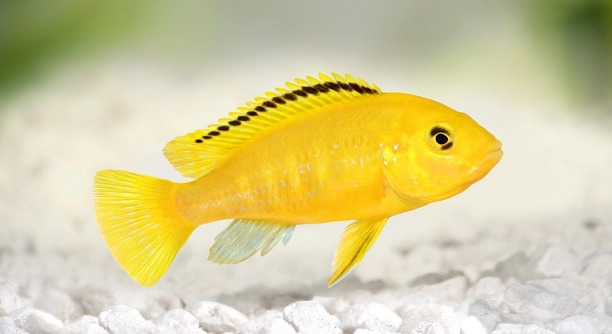
Cichlids are beautiful, vibrant fish that can brighten any aquarium. Providing them with a safe, comfortable environment is essential for their health and behavior. Many fishkeepers seek ways to make their cichlids feel secure and relaxed.
Adding hiding spots, structured decorations, and natural elements can help cichlids feel safe. Rocks, caves, plants, and substrate variations create secure spaces, reduce stress, and support natural behaviors, ultimately promoting better health and social stability within the aquarium.
Implementing these additions is simpler than it seems and can transform your tank into a more welcoming home. Exploring the right combination will help your cichlids thrive in a calm environment.
Rocks and Caves
Rocks and caves provide essential hiding spaces for cichlids, helping them feel secure. These structures mimic their natural habitats, where fish often retreat to avoid stress or aggression. Smooth rocks and stable cave formations prevent injuries and create territory boundaries, which is important for cichlid social behavior. Arranging rocks in clusters or layering them with smaller stones can produce crevices and tunnels. These areas allow shy or smaller cichlids to escape more dominant fish, reducing stress and promoting healthier interactions. In addition, caves can encourage natural breeding behaviors, as many cichlid species prefer enclosed spaces for laying eggs. Using aquarium-safe rocks and ensuring they are securely positioned prevents shifts that could harm your fish. Adding a few caves throughout the tank gives multiple options, helping all fish feel included and safe. Combining rocks with substrate variations enhances the natural feel, making the aquarium visually appealing while supporting your fish’s well-being.
Rocks and caves give cichlids both hiding spots and territory markers, reducing stress and encouraging natural behaviors.
For best results, place rocks and caves in quieter areas of the tank and avoid overcrowding. Ensure each cave has enough space for your cichlids to enter and exit comfortably. Observe their behavior after installation—fish should explore confidently and use hiding spots naturally. Mixing rock sizes creates different levels for swimming and resting. Some cichlids enjoy scraping surfaces, so provide rocks with textures that can withstand light grazing. Avoid sharp edges and unstable piles, as these could injure your fish or collapse. Cleaning rocks carefully during water changes prevents algae buildup and maintains water quality. Using neutral-colored rocks often highlights the cichlids’ vibrant patterns, giving the tank an aesthetic balance.
Live and Artificial Plants
Adding plants, whether live or artificial, significantly improves the tank environment for cichlids. Plants act as hiding spots and visual barriers, helping fish feel less exposed to other tank mates. Live plants contribute to water quality by absorbing nutrients, while artificial plants require minimal maintenance but still provide security. Arranging plants in clusters or around rocks creates sheltered areas where cichlids can retreat when stressed. Different heights and densities of plants cater to various swimming and resting habits. Some cichlids may nibble or dig, so choose plant types that can withstand minor disturbance. Mixing floating plants with rooted ones creates layers in the aquarium, offering both cover and open swimming space. Plants also support natural behaviors like grazing and exploring. Even artificial plants should be made from aquarium-safe materials to prevent chemical contamination. Proper placement of plants ensures open areas remain for swimming, while dense areas offer the necessary shelter for comfort and safety.
Plants improve safety, offer hiding spaces, and encourage natural behaviors, enhancing both fish well-being and tank aesthetics.
Live plants like Java fern or Anubias are resilient, requiring low light and minimal care, making them ideal for beginner setups. Floating plants can shade sections of the aquarium, reducing stress from strong lighting. For artificial plants, select soft, flexible materials to avoid injuring delicate fins. Mixing tall and short plants creates depth, giving fish multiple levels to explore. Grouping plants around rocks or corners enhances hiding areas, while leaving open swimming zones maintains activity space. Plants also influence water chemistry; live species help reduce nitrates, while artificial ones are chemically inert. Observing your cichlids’ interactions with plants helps identify preferred areas and improve tank layout. Rotating plant positions occasionally can stimulate exploration, reduce boredom, and make the tank visually dynamic. Combining both types of plants allows the tank to remain functional and attractive with less maintenance while ensuring the fish feel safe and secure throughout the aquarium.
Substrate Variations
Substrate variations give cichlids a sense of security by creating familiar textures and hiding spots. Sand, gravel, and small pebbles allow digging and territorial behaviors, reducing stress and encouraging natural activity within the tank.
Mixing sand and gravel provides diverse areas for cichlids to explore. Some species enjoy sifting through sand to find food, while others prefer gravel for resting or marking territory. Changing substrate levels slightly can form small slopes or depressions, mimicking natural lake or riverbeds. These variations create microhabitats that help shy or smaller fish feel safe. Substrate also influences water chemistry; sand can soften water slightly, while gravel helps maintain stability. Carefully layering different materials can prevent excessive disturbance during digging and feeding. Observing how fish interact with the substrate allows adjustments to optimize their comfort. Using substrate in conjunction with rocks and plants strengthens hiding options and overall tank security, making the environment feel more natural and protective for all inhabitants.
Choosing substrates that match the species’ natural habitats ensures fish remain calm and active. Avoid sharp edges or large stones that may injure delicate fins.
Driftwood and Decorations
Driftwood and aquarium decorations provide essential cover and resting areas for cichlids, reducing visible stress from tank mates. Placing them strategically creates multiple safe zones, improving social interactions and territorial comfort.
Driftwood can be positioned vertically or horizontally, forming caves or overhangs that fish can explore. Its natural texture encourages grazing, scraping, and hiding, supporting behavioral needs. Decorations such as ceramic ornaments, tunnels, or PVC caves add extra refuge spots. Combining driftwood with plants and rocks enhances the overall structure, giving fish distinct territories while preventing aggression. Driftwood also releases tannins, slightly tinting the water and simulating natural habitats. Maintaining decorations by cleaning algae and checking for sharp edges prevents harm. Observing fish behavior helps decide if rearrangements are needed to balance hiding spots and open swimming areas. Strategically placed driftwood and decorations strengthen environmental enrichment and provide a tangible sense of safety for cichlids.
Decorations not only serve practical purposes but also enhance the visual appeal of the aquarium. Using a mix of natural and synthetic elements creates a dynamic, layered environment that feels secure for fish. Driftwood shapes, ceramic caves, and safe ornaments can define zones and reduce confrontations. Proper cleaning and placement ensure longevity and safety. Arranging these elements to allow both exploration and retreat helps cichlids develop natural behaviors while minimizing stress. Watching how fish interact with different structures provides insight into preferred hiding spots and social dynamics. Balancing decoration density is key: enough to offer protection, but not so much that swimming space becomes restricted.
Floating Plants
Floating plants create shaded areas that help cichlids feel less exposed. They provide cover near the water surface, reducing stress from bright lighting and other tank activity.
These plants also break up sight lines in the aquarium. Fish can retreat under them to feel safe, while still having space to swim freely. Floating plants contribute to water quality by absorbing excess nutrients, and they create a natural, calming environment that mimics shallow waters where many cichlids originate.
Backgrounds
Aquarium backgrounds reduce visual stress by limiting external movement and reflections. Solid or natural-themed backdrops help cichlids focus on their environment rather than distractions outside the tank. Backgrounds also enhance tank aesthetics, giving fish a sense of enclosure and comfort.
PVC Pipes and Tubes
PVC pipes and tubes offer customizable hiding spots and tunnels for cichlids. They can be arranged in various formations, allowing fish to explore safely, establish territories, and reduce confrontations. Properly cleaned and positioned pipes provide practical shelter while supporting natural behaviors.
Lighting Control
Adjustable lighting allows control over brightness levels, helping cichlids feel secure. Dimmed or diffused light reduces stress and mimics natural habitats, promoting calm behavior.
FAQ
How many hiding spots does a cichlid need?
Cichlids benefit from multiple hiding spots in an aquarium, depending on the number of fish and tank size. Ideally, there should be at least one hiding place per fish, plus a few extra for shy or smaller individuals. Rocks, caves, plants, and PVC tubes can all serve this purpose. Multiple options help reduce stress, prevent aggression, and allow fish to explore their environment confidently. Observing how your cichlids interact with these spaces can help you adjust placement, ensuring each fish has a preferred retreat without overcrowding the tank.
Can artificial plants provide enough security for cichlids?
Yes, artificial plants can provide adequate security if arranged thoughtfully. They act as visual barriers and shelter, giving cichlids a place to hide from more dominant fish. Although they don’t improve water quality like live plants, they require less maintenance and won’t be uprooted by digging species. Using soft, flexible materials prevents injury to delicate fins. Clustering artificial plants with rocks or driftwood can increase perceived safety and create layered hiding spots, making fish feel more comfortable. Monitoring how fish interact with these plants ensures they serve the intended protective function.
Are caves better than open hiding spots?
Caves are generally more effective at providing a sense of security. Many cichlids naturally seek enclosed spaces to rest, breed, or escape aggressive tank mates. Open hiding spots, such as dense plant clusters, can still offer cover, but caves give the added benefit of fully enclosed shelter. Combining both types ensures fish have options depending on their needs. Make sure caves are appropriately sized, stable, and free from sharp edges. Observing fish behavior can indicate whether they feel comfortable using caves or prefer alternative shelters, allowing you to adjust your tank layout.
How important is substrate for cichlid safety?
Substrate plays a significant role in both physical and psychological comfort. Fine sand allows digging and sifting behaviors, while gravel provides stable resting areas. Substrate variations create microhabitats, helping fish feel secure and encouraging natural activities. Uneven layers, small slopes, or depressions can simulate natural environments, offering extra hiding possibilities. Proper substrate selection also prevents injury and supports water chemistry balance. Monitoring how your cichlids interact with the substrate helps determine if adjustments are needed to maintain comfort and security.
Do cichlids need shaded areas?
Shaded areas are essential, as cichlids can become stressed under bright, constant lighting. Floating plants, overhangs, or driftwood provide natural shade, helping fish feel less exposed. These areas allow shy fish to explore while maintaining a sense of security. Proper placement ensures light is diffused without reducing swimming space, balancing activity and safety. Shaded areas also mimic natural habitats, improving overall behavior and health. Observing fish responses can guide adjustments to ensure shade is sufficient and well-distributed.
Can decorations affect cichlid behavior?
Decorations influence both social and stress-related behaviors. Strategically placed driftwood, rocks, and PVC tubes help define territories and provide retreats, reducing aggression. Decorations also encourage exploration and natural activities, such as grazing or resting. Poorly placed items, sharp edges, or overcrowded tanks can have the opposite effect, causing stress or injuries. Regular monitoring ensures decorations serve their purpose, maintaining both safety and visual appeal. Using a mix of natural and artificial elements can create a dynamic, protective environment that supports the well-being of all cichlids.
How does lighting impact cichlid comfort?
Lighting levels directly affect stress and security. Too bright light can make fish feel exposed, while adjustable or diffused lighting helps create calm conditions. Dimmed areas or shaded spots allow fish to rest safely and display natural behaviors. Using timers ensures consistent light cycles, supporting overall health. Observing fish behavior under different lighting conditions helps identify optimal brightness, balancing visibility with a sense of safety. Proper lighting enhances tank aesthetics without compromising comfort.
Are multiple hiding options necessary for community tanks?
Yes, community tanks especially benefit from multiple hiding spots. Different species and sizes of cichlids have varying needs, and sufficient shelters reduce territorial disputes. Offering a mix of caves, plants, driftwood, and tubes ensures all fish feel secure. Observing interactions can reveal underused or overcrowded areas, guiding rearrangement. Proper distribution of hiding options supports social stability and reduces stress, encouraging healthy activity and growth.
How often should hiding spots be rearranged?
Rearranging hiding spots occasionally can stimulate exploration and reduce boredom. However, frequent changes may stress territorial fish. Adjustments should be gradual, with careful observation of fish reactions. Minor changes, like rotating plants or moving a cave slightly, keep the environment dynamic without disrupting comfort. Ensuring stability and safety during rearrangement prevents injuries and maintains secure retreats for all cichlids.
Can cichlids feel secure without plants?
It’s possible, but less ideal. Without plants, fish rely solely on rocks, caves, and artificial decorations for shelter. This may increase stress in shy or subordinate individuals. Including at least some form of visual cover, even artificial, enhances comfort. Combining different elements—rocks, caves, PVC tubes, and plants—creates a balanced environment that supports both security and natural behavior. Observation helps determine if additional cover is needed.
What is the best combination for maximum security?
A mix of caves, rocks, driftwood, plants, substrate variations, and shaded areas creates a comprehensive, secure environment. Each element supports different needs: hiding, territory, rest, or exploration. Adjusting placement based on fish behavior ensures all cichlids benefit. Regular maintenance and observation optimize safety while keeping the aquarium functional and visually appealing. This layered approach reduces stress, promotes natural behaviors, and enhances overall well-being, making fish feel at home and comfortable in their space.
Final Thoughts
Creating a safe environment for cichlids is essential for their well-being and overall behavior. These fish are naturally territorial and can become stressed if they feel exposed or threatened. Providing a variety of hiding spots, such as rocks, caves, driftwood, and plants, helps them feel secure. Different species and even individual fish have unique preferences for shelter and territory, so offering multiple options ensures that each fish can find a comfortable space. Substrate variations, floating plants, and shaded areas also contribute to a natural, protective environment. These additions not only reduce stress but encourage natural behaviors like resting, grazing, exploring, and breeding. A tank that feels safe allows cichlids to interact in a more balanced way, with less aggression and fewer signs of anxiety. Observing fish behavior regularly helps identify which areas are favored or underused, allowing small adjustments to improve comfort and security.
Consistency and thoughtful planning are key when arranging hiding spots and decorations. It is important to balance open swimming areas with sheltered zones so that fish can explore freely while retreating when necessary. Rocks and caves should be stable and free from sharp edges to prevent injury, and plants should be placed in a way that provides cover without overcrowding the tank. Artificial decorations can complement natural elements, offering additional shelter with minimal maintenance. Lighting also plays a role in comfort; bright or harsh lights can make fish feel exposed, while dimmed or diffused lighting creates calm areas. Regular maintenance, such as cleaning substrates, plants, and decorations, helps maintain a healthy environment. By combining these elements thoughtfully, you create a tank that not only looks appealing but also supports the natural instincts and well-being of your cichlids.
Ultimately, the goal is to make the aquarium a space where cichlids feel secure, confident, and active. When fish are comfortable, they display natural behaviors and interact positively with their surroundings and tank mates. Attention to hiding spots, substrate, decorations, and lighting all contribute to a more balanced and peaceful environment. Small adjustments, such as adding an extra cave, rearranging plants, or providing shaded areas, can make a noticeable difference in fish comfort. Creating a tank with layered hiding spots and safe zones supports both the physical and psychological needs of your cichlids. A secure environment reduces stress, promotes healthier growth, and encourages natural activity. By providing the right combination of shelter, structure, and visual protection, your aquarium becomes a space where cichlids can thrive, feel safe, and display the behaviors that make them such fascinating and lively inhabitants.

Hello,
If you enjoy the content that we create, please consider saying a "Thank You!" by leaving a tip.
Every little bit helps us continue crafting quality advice that supports the health, happiness, and well-being of pets around the world, for pets of all shapes, sizes, and species.
We really appreciate the kindness and support that you show us!