
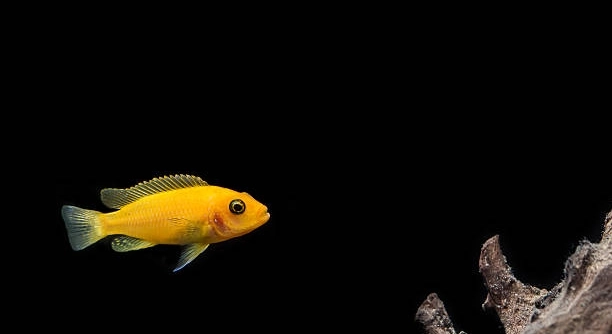
Are your cichlids showing signs of changing behavior after their last spawning? Observing their activity and interactions can give clear hints about when they might be ready to breed again in your aquarium.
Cichlids exhibit a range of physiological and behavioral cues when preparing to spawn again. These indicators include increased territorial behavior, color intensification, frequent cleaning of breeding sites, and changes in feeding patterns, which collectively signal reproductive readiness.
Knowing these signs can help you manage your tank and support healthy breeding cycles for your fish efficiently.
Changes in Coloration
Cichlids often display more vibrant colors when they are ready to spawn again. Their fins, body, and even facial markings may intensify, reflecting their reproductive readiness. These color changes can be subtle at first, like a slight deepening of existing shades, or more dramatic, with bright patches appearing. Males typically show the most vivid shifts to attract females, while females may also display stronger colors to indicate fertility. Observing these shifts consistently over several days can help you determine whether your fish are preparing for another spawning event. Color changes are usually paired with more active swimming, fin displays, and territorial behavior. Maintaining good water quality, stable temperature, and a nutritious diet will enhance natural coloration and ensure your cichlids express these reproductive signals clearly. Consistent observation is key, as missing these visual cues can make it harder to time breeding or manage tank dynamics effectively.
Color shifts are a reliable early indicator of spawning readiness in cichlids.
Vibrant coloration often signals overall health and readiness to breed. Keeping track of these changes helps in timing breeding and maintaining a harmonious tank environment.
Increased Cleaning and Nesting Behavior
When cichlids prepare to spawn again, they often become more focused on cleaning their territory. This includes scrubbing rocks, substrate, and even tank decorations with their mouths or fins. Such behavior is not random; it prepares a safe and attractive site for laying eggs. Both males and females participate, though females typically show more attention to specific nesting spots. They may clear small pits or smooth surfaces where eggs can adhere. Observing this behavior can help you identify which individuals are ready to reproduce and ensure their environment supports successful spawning. Nesting activity also signals that the fish are hormonally primed, and this period often coincides with increased aggression toward intruders or tank mates near their chosen site. Providing suitable materials, stable water conditions, and adequate space encourages natural nesting and reduces stress. Recognizing these signs allows for better management of your breeding pair’s needs, supporting healthier offspring.
This cleaning and nesting behavior indicates imminent spawning and helps establish optimal conditions for eggs.
Territorial Aggression
Cichlids often become noticeably more aggressive when they are ready to spawn again. They may chase other fish, guard specific areas, and show heightened dominance over their tank space.
This increased territorial behavior is a clear reproductive signal. Males usually patrol larger areas, defending potential nesting sites, while females may guard the immediate vicinity of their chosen egg-laying spot. These displays include flaring fins, head shaking, and chasing intruders. Aggression is more pronounced in smaller tanks, as limited space amplifies interactions. Recognizing this behavior early allows you to manage tank dynamics, prevent injury, and ensure that your cichlids maintain a safe environment while preparing to breed.
Monitoring these aggressive displays can also help identify the most dominant pairs, which are often more likely to spawn successfully. Adjusting tank layout, adding hiding spots, and separating overly aggressive individuals can reduce stress and support a healthier breeding process for your fish.
Changes in Appetite
Cichlids may show noticeable changes in feeding behavior as they approach another spawning cycle. Their appetite can either increase or fluctuate depending on individual metabolism and hormonal shifts. Maintaining a high-quality diet supports energy needs during this period.
During pre-spawning stages, some cichlids eat more frequently and actively, consuming larger portions than usual. This is particularly common in females, who need extra nutrients to develop eggs. Males may also show increased feeding as they prepare to patrol and defend territories. On the other hand, some individuals may eat less temporarily, focusing on nesting or territorial tasks rather than feeding. Observing these patterns over several days provides insight into which fish are ready to reproduce. Offering a variety of nutritious foods, including protein-rich options, ensures that both males and females remain healthy and capable of successful spawning.
Recognizing appetite changes helps in planning feeding schedules, maintaining fish health, and supporting the reproductive cycle. Consistent observation ensures that dietary adjustments meet the needs of your cichlids during this critical period.
Pair Bonding
Cichlids often show stronger pair bonding when ready to spawn again. They may swim together closely, mimic each other’s movements, and stay near their chosen nesting site.
This bonding helps coordinate spawning activities and increases the likelihood of successful egg laying. Observing these interactions can signal which pairs are preparing to breed.
Fin and Body Displays
During pre-spawning behavior, cichlids frequently use exaggerated fin and body movements. Males often flare their fins, arch their backs, and perform circling displays around females or territorial boundaries. These movements serve to attract mates, assert dominance, and communicate readiness to reproduce.
Females may respond with subtle movements or adopt specific postures indicating receptiveness. These displays are more frequent and prolonged as spawning approaches, often occurring multiple times throughout the day. Recognizing these cues allows you to identify active pairs and monitor their behavior for timing breeding or adjusting tank conditions. Providing adequate space and reducing stress supports natural display behaviors.
Restlessness
Cichlids may become noticeably restless when approaching another spawning cycle. They swim actively, move between territories, and inspect multiple surfaces frequently.
FAQ
How long after spawning can a cichlid be ready to spawn again?
The time it takes for a cichlid to be ready to spawn again depends on species, age, and health. Generally, many cichlids can prepare for another spawning cycle within four to six weeks, though some larger or more delicate species may require longer recovery periods. Factors like water quality, diet, and tank stability significantly influence this timeline. Ensuring optimal conditions helps reduce stress and encourages the fish to regain reproductive readiness faster. Monitoring behavior and physical signs, such as coloration and territorial activity, provides the best indication of when your cichlids are ready to reproduce again.
Can both males and females show signs of being ready to spawn?
Yes, both males and females display behaviors indicating readiness to spawn. Males typically show intensified coloration, fin displays, and territorial aggression, while females may focus on nesting, cleaning surfaces, and subtle color changes. Appetite changes are common in both sexes, though females often require more nutrition to support egg development. Watching interactions between potential pairs helps identify compatible breeding partners. Recognizing these signs allows you to provide appropriate tank conditions, reduce conflicts, and support successful spawning.
Is increased aggression normal before spawning?
Increased aggression is normal and expected when cichlids prepare to spawn. Males often patrol territories, chase intruders, and display dominant behaviors to protect potential nesting sites. Females may guard specific areas they have prepared for egg laying. Aggression helps establish hierarchy and ensures a safe environment for spawning. In smaller tanks, this behavior can be intensified, so providing hiding spots and monitoring interactions is important to prevent injury. Understanding that aggression is part of natural breeding behavior helps you manage the tank effectively during this period.
How can I tell if a female is ready to lay eggs?
A female cichlid ready to lay eggs will focus on cleaning and preparing a nesting site. She may scrape rocks, smooth surfaces, or clear substrate to create an ideal area. Coloration may become slightly brighter, and her swimming becomes more deliberate around the nest. Restlessness and pairing with a male are additional signs. Monitoring these behaviors over several days gives a clear indication of readiness. Providing a safe, clean area for laying eggs ensures the process is successful and reduces stress for both the female and her mate.
Do cichlids need special food before spawning?
Yes, providing a high-quality, protein-rich diet before spawning is beneficial. Increased nutrition supports egg production in females and overall health in males. Live or frozen foods like brine shrimp, daphnia, or bloodworms are ideal. Supplementing with high-quality pellets or flakes ensures a balanced diet. Feeding smaller amounts multiple times a day can encourage active behavior and readiness for breeding. Maintaining a consistent feeding schedule helps regulate energy levels and supports reproductive behaviors. Adequate nutrition directly impacts the health of the fish and the success of future spawnings.
Can environmental changes trigger spawning behavior?
Environmental changes, such as water temperature adjustments, improved water quality, or rearranging the tank, can encourage spawning behavior. Slightly raising the temperature or increasing oxygenation mimics natural seasonal cues and stimulates reproductive activity. Ensuring stable parameters during this period is critical, as sudden drastic changes can cause stress instead of promoting spawning. Observing behavioral cues alongside environmental adjustments allows you to identify optimal conditions for breeding. Consistency in lighting, filtration, and tank layout also supports natural spawning cycles and helps reduce conflicts among tank inhabitants.
What should I do if aggression becomes too intense?
If aggression becomes too intense, separating individuals temporarily or adding visual barriers can help reduce stress and prevent injury. Rearranging rocks or decorations can disrupt established territories and redirect aggressive behavior. Providing extra hiding spots allows weaker fish to avoid confrontation. Monitoring interactions closely ensures no fish are harmed and supports natural behaviors without compromising tank safety. Managing aggression effectively encourages successful spawning and maintains overall health within the aquarium.
How do I know if my male and female are compatible?
Compatibility is observed through cooperative behaviors. Pairs that swim together, engage in joint nest preparation, and tolerate each other’s presence show strong reproductive potential. Avoid forcing incompatible pairs, as stress and aggression can hinder spawning. Observing interactions over time provides insight into natural pairing tendencies. Supporting compatible pairs with a safe environment increases the chances of successful breeding and healthy offspring.
What signs indicate eggs have been fertilized successfully?
Fertilized eggs usually appear sticky and adhere to surfaces within the nesting site. Both parents may guard them closely, fanning the eggs with their fins to provide oxygen and prevent fungus. Eggs typically change color slightly over several days as embryos develop. Consistent parental care is a good sign that fertilization was successful and the pair is committed to protecting the brood.
How long does it take for cichlid eggs to hatch?
Egg hatching time varies by species and water temperature but generally ranges from three to seven days. Warmer, stable temperatures speed up development, while cooler or fluctuating conditions may delay hatching. Observing parental behavior and egg appearance provides cues on progress. Maintaining clean water and minimizing disturbances ensures higher survival rates.
Can cichlids spawn multiple times in a short period?
Some cichlids can spawn multiple times within a few weeks if conditions are ideal. Adequate nutrition, water quality, and minimal stress are key factors. However, repeated spawning can strain females, so monitoring health and providing recovery time is important. Spacing spawnings helps maintain strong, healthy fish and reduces risks associated with overbreeding.
What are common mistakes to avoid before spawning?
Common mistakes include overcrowding the tank, poor water quality, inconsistent feeding, and forcing incompatible pairs. Each of these factors can stress the fish and prevent successful spawning. Maintaining stable conditions, observing behaviors, and providing adequate space and nutrition are essential. Avoiding sudden environmental changes and monitoring aggression ensures a safe and supportive environment for reproduction.
How important is parental care after spawning?
Parental care is crucial for egg and fry survival. Many cichlid species guard, clean, and aerate eggs and young, ensuring higher survival rates. Minimizing disturbances and allowing natural behaviors improves outcomes. Interference or removing parents too early can lead to egg loss or weakened fry. Observing and supporting parental behavior allows healthy development and strengthens future reproductive cycles.
Can I encourage spawning without changing tank conditions drastically?
Yes, small adjustments like slightly improving water quality, adding hiding spots, or providing nutritious food can encourage spawning. Observing natural behavior and responding to subtle cues is often more effective than drastic changes. Maintaining stability while supporting readiness allows fish to reproduce successfully in a controlled, stress-free environment.
What are early signs that fry are developing properly?
Healthy fry usually hatch with active swimming behavior and a visible yolk sac. They remain close to the nest initially, protected by parents. Rapid growth, coordinated movement, and uniform coloration indicate proper development. Observing behavior and physical appearance daily ensures that any issues are caught early and addressed, supporting strong, healthy offspring.
How can I tell when to intervene during spawning?
Intervention is necessary if aggression becomes harmful, water quality declines, or eggs show signs of fungus. Otherwise, minimal interference is best. Observing interactions and environmental conditions allows you to provide support when needed while letting natural behaviors proceed. Proper monitoring balances safety with reproductive success.
Caring for cichlids through multiple spawning cycles requires careful observation and attention to their behavior. Each fish displays unique signs when preparing to spawn again, and recognizing these behaviors can make a significant difference in the success of breeding. Color changes, territorial aggression, appetite shifts, and nesting activity are all key indicators to watch. Paying attention to these cues allows you to create the right environment, provide appropriate nutrition, and manage interactions between fish. A stable and clean tank supports natural behaviors and reduces stress, which is crucial for both the health of the adults and the survival of the fry. Observing consistently over several days helps ensure that subtle changes are not overlooked, giving you a clearer picture of when a fish is truly ready to breed again.
It is important to remember that each cichlid species may show slightly different signs, and timing can vary between individuals. While some may be ready to spawn just a few weeks after their last cycle, others may need more time to recover and regain strength. Overlooking recovery periods can affect the health of the fish and reduce reproductive success. Maintaining high water quality, offering a varied diet, and minimizing sudden changes in the tank environment all contribute to a healthier breeding process. In addition, understanding pair compatibility is essential. Observing which fish swim together, share nesting duties, and tolerate each other’s presence can prevent unnecessary conflicts and improve the chances of successful spawning. Encouraging natural behavior while providing support allows cichlids to reproduce efficiently without adding stress or creating artificial challenges.
Managing a breeding aquarium is a balance between intervention and letting the fish act naturally. While it is important to monitor aggression, nesting sites, and egg care, it is equally important to allow the cichlids space to perform their natural behaviors. Proper preparation for each spawning cycle, including feeding, tank maintenance, and observation of subtle cues, ensures the adults remain healthy and productive. Supporting your cichlids in this way not only increases the likelihood of successful breeding but also helps maintain a stable and harmonious aquarium. Being attentive, patient, and responsive to their needs creates an environment where the fish can thrive, reproduce naturally, and continue healthy cycles for many seasons.
Word count: 407

Hello,
If you enjoy the content that we create, please consider saying a "Thank You!" by leaving a tip.
Every little bit helps us continue crafting quality advice that supports the health, happiness, and well-being of pets around the world, for pets of all shapes, sizes, and species.
We really appreciate the kindness and support that you show us!