
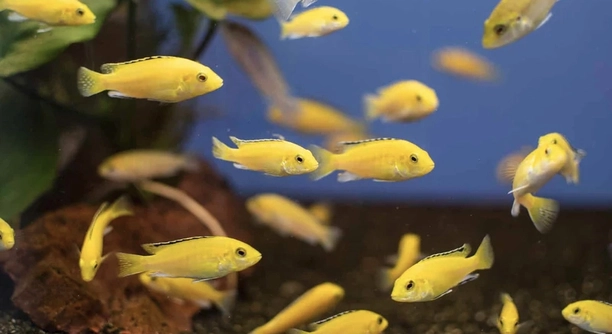
Electric yellow cichlids are popular in home aquariums for their bright color and lively behavior. Many fish owners enjoy watching them swim but may notice unusual reactions when loud sounds occur nearby. Observing these responses can be fascinating.
Electric yellow cichlids exhibit noticeable stress when exposed to loud sounds. They often dart quickly across the tank, hide behind decorations, or display erratic movements. Prolonged exposure may affect their feeding and social behavior, indicating a clear sensitivity to noise.
Learning how these fish respond can improve their care. Recognizing their reactions helps maintain a calm environment and supports their overall well-being in the aquarium.
How Loud Sounds Affect Their Behavior
Electric yellow cichlids are highly sensitive to changes in their environment, and loud sounds are no exception. When a sudden noise occurs, they often react immediately by swimming quickly or hiding. This is an instinctive response, similar to how animals in nature react to potential danger. Even brief loud noises can cause visible stress, including flared fins, rapid gill movement, or sudden darting across the tank. These reactions are usually temporary, but frequent exposure can have long-term effects on their health. It can disrupt their feeding habits, making them eat less or avoid food entirely. Social interactions may also be affected, as stressed fish can become aggressive or withdrawn. Over time, repeated stress can weaken their immune system, leaving them more susceptible to illness. Providing a quiet and stable environment helps them remain healthy and display their natural, vibrant behavior without unnecessary fear or agitation.
Loud sounds can temporarily frighten electric yellow cichlids, leading to stress and disrupted behavior patterns in their tank environment.
By minimizing noisy activities around the aquarium and keeping sudden sounds to a minimum, owners can help cichlids feel secure. Creating hiding spots with rocks or plants offers them a place to retreat, reducing anxiety. Consistent tank conditions, such as stable temperature and proper lighting, also play a role in calming stressed fish. Over time, fish that feel safe are more likely to feed normally, interact socially, and show natural behaviors like exploring and displaying colors. Regular observation allows you to notice subtle changes in behavior, which can indicate stress before it affects their health. Even small adjustments, like moving speakers or limiting abrupt movements near the tank, can make a significant difference. Understanding these patterns not only protects their well-being but also improves the overall enjoyment of keeping these vibrant fish.
Signs of Stress in Electric Yellow Cichlids
Stress in cichlids can show in their movement, color, or appetite, making it noticeable to careful observers.
Some common indicators include hiding more often, reduced feeding, or erratic swimming. Fish may also exhibit clamped fins or dull coloration, which signal discomfort. Changes in social behavior, such as aggression or avoidance, are additional signs of stress. Owners should watch for these behaviors closely, as they often precede more serious health issues. Stress can accumulate if loud sounds or disturbances occur frequently, potentially causing long-term effects on growth or immune response. Offering environmental enrichment like rocks, plants, or caves gives fish places to retreat and reduces tension. Gradually acclimating them to minor disturbances can also help them adjust without panic. Keeping a quiet, predictable tank environment is key to maintaining their well-being and vibrant appearance. Regular monitoring ensures that any unusual changes are addressed quickly, preventing prolonged stress and supporting a healthy aquarium community.
Reducing Noise Stress in Your Tank
Minimizing loud sounds around the aquarium helps electric yellow cichlids stay calm. Keeping the room quiet during feeding or cleaning reduces sudden stress. Small adjustments in daily routines can make a big difference in their behavior and overall well-being.
Providing a stable, quiet environment involves more than just reducing noise. Placing the tank in a low-traffic area, away from doors, televisions, or household appliances, can prevent sudden disturbances. Adding decorations like rocks, caves, and plants offers fish safe spaces to retreat when startled. Consistent lighting and water conditions also contribute to a stress-free habitat. Over time, these adjustments encourage natural behaviors, improve feeding, and support social interactions among the cichlids.
Training yourself to move calmly around the tank can help fish adjust to your presence. Even small steps, like avoiding tapping on the glass or sudden movements, can reduce stress. Introducing any changes gradually, including new equipment or decorations, allows cichlids to acclimate without panic. Monitoring their reactions during and after changes provides insight into what is effective. These practices not only make your fish more comfortable but also create a more peaceful and enjoyable aquarium experience for both the fish and yourself.
Feeding Patterns and Noise Sensitivity
Loud sounds can cause electric yellow cichlids to eat less or refuse food temporarily. Their feeding patterns are closely linked to how safe they feel in their environment.
When cichlids sense frequent noise or disturbances, they may retreat and avoid the feeding area. Some fish stop eating altogether, while others nibble only occasionally. Over time, reduced feeding can affect growth and energy levels. Observing their behavior during feeding times helps identify stress triggers. Using consistent feeding schedules, placing food in familiar spots, and maintaining calm surroundings encourages regular eating. Even small adjustments, like feeding during quieter parts of the day or offering favorite foods, can make a noticeable difference in maintaining healthy dietary habits.
Food placement and presentation also influence how cichlids react to noise. Spreading food evenly across the tank prevents competition and reduces stress during meals. Floating or sinking pellets can be used based on fish preferences and tank setup. Avoid introducing new food types during noisy periods, as sudden changes may increase anxiety. Monitoring each fish ensures all receive adequate nutrition, especially when some may hide or avoid food. Over time, consistent routines and minimal disruptions help maintain stable feeding habits, promoting overall health and a calmer environment for the cichlids to thrive.
Creating Hiding Spots
Providing hiding spots helps electric yellow cichlids feel secure when loud sounds occur. Rocks, caves, and dense plants give them safe places to retreat. Even small additions can significantly reduce stress and support calmer behavior.
Hiding spots also encourage natural exploration and social interactions. Fish can establish territories or rest without constant exposure to disturbances. A variety of shapes and sizes ensures all fish have access, preventing conflicts and promoting a balanced environment within the tank.
Observing Behavioral Changes
Noticing changes in swimming patterns, fin position, or social interactions helps identify stress from noise. Tracking these behaviors allows for timely adjustments in the environment.
Adjusting Lighting and Room Activity
Bright or fluctuating lights combined with noise can increase stress in cichlids. Stable, gentle lighting and minimal sudden activity around the tank help fish feel safe, supporting their health and natural behavior.
How sensitive are electric yellow cichlids to loud noises?
Electric yellow cichlids are quite sensitive to sudden or persistent loud noises. They rely heavily on their environment for safety cues. Sudden sounds can startle them, causing rapid swimming, hiding, or flared fins. Even noises that seem minor to humans can trigger stress responses, especially if repeated frequently or combined with other environmental changes. Over time, constant exposure may affect their feeding, social behavior, and overall health. Fish that are kept in quiet, stable surroundings tend to show calmer, more natural behavior and display their colors vibrantly.
What are the most common signs of stress from noise?
Stress from loud sounds can appear in several ways. Fish may dart quickly across the tank or retreat to hiding spots. They might reduce or stop eating and show clamped fins. Color dulling is another indicator, as well as erratic or aggressive behavior toward tank mates. Some cichlids may isolate themselves or avoid swimming openly. Repeated stress can also affect their immune system, making them more susceptible to disease. Observing these behaviors consistently is crucial, as early detection allows for adjustments that prevent long-term health issues.
How can I reduce noise-related stress for my cichlids?
Positioning the tank in a quiet, low-traffic area is key. Avoid placing it near doors, televisions, or household appliances that generate sudden or constant noise. Adding rocks, plants, or caves provides safe retreats for fish when startled. Consistent lighting, stable water temperature, and careful movement around the tank help maintain a calm environment. Even minor adjustments, like feeding during quieter parts of the day or limiting sudden movements near the tank, can reduce stress. Gradual introduction of new decorations or equipment also prevents panic reactions. Small, consistent changes make a noticeable difference in fish behavior.
Do electric yellow cichlids recover quickly from loud sounds?
Recovery depends on the intensity and frequency of the noise. Brief, isolated sounds often result in temporary stress, with fish returning to normal behavior within minutes or hours. Repeated or prolonged exposure can cause longer-lasting effects on feeding, social interactions, and overall activity. Providing hiding spaces, minimizing disturbances, and maintaining stable water conditions helps fish recover faster. Gradual acclimation to minor, non-threatening noises may also reduce long-term sensitivity. Monitoring behavior over time ensures they return to normal patterns without lingering stress.
Can loud sounds affect their feeding habits?
Yes, noise can significantly influence feeding behavior. Fish exposed to sudden sounds may refuse food, eat less, or nibble sporadically. Reduced feeding over time affects growth, energy, and immune function. Maintaining consistent feeding schedules, placing food in familiar areas, and ensuring quiet surroundings encourage regular eating. Using floating or sinking pellets according to fish preference and avoiding new foods during noisy periods can also improve feeding. Observing each fish ensures they receive proper nutrition and prevents stress from impacting overall health.
Are there long-term effects of repeated noise exposure?
Chronic exposure to loud sounds can have lasting impacts. Continuous stress may weaken the immune system, reduce feeding efficiency, and alter social behavior. Fish might become more aggressive, withdrawn, or prone to hiding. Coloration can dull, and growth rates may slow. Providing consistent care, a calm environment, and sufficient hiding spots mitigates these effects. Regular observation and adjustments in the tank environment are essential to prevent prolonged stress and maintain healthy, vibrant fish.
Is it possible to train cichlids to tolerate noise?
While electric yellow cichlids cannot be trained like mammals, they can gradually acclimate to minor, non-threatening sounds. Introducing small, predictable disturbances slowly allows them to adjust without panic. Consistent exposure combined with a safe, quiet environment helps reduce exaggerated stress reactions over time. However, loud or sudden noises should always be minimized, as repeated intense disturbances can overwhelm them despite acclimation efforts.
What role does tank setup play in noise sensitivity?
A well-structured tank reduces the impact of loud sounds. Dense plants, rocks, and caves provide hiding places that allow fish to escape disturbances. Proper layout ensures all fish have access to safe spots, reducing conflict and stress. Placing the aquarium in a stable, quiet area with minimal external vibrations complements these features, supporting natural behavior and overall health. Adjusting lighting and equipment placement further enhances the tank environment, making cichlids feel secure and less reactive to noise.
How often should I monitor their reactions to noise?
Regular observation is important. Daily checks during feeding and active periods help identify subtle changes in behavior. Noticing sudden darting, clamped fins, or hiding patterns indicates stress. Monitoring responses after cleaning, adding new decorations, or during household activities helps adjust routines to reduce noise exposure. Keeping notes on behavioral patterns over time makes it easier to identify recurring stress triggers and take preventive measures, ensuring a healthier and calmer environment for your electric yellow cichlids.
Can other tankmates influence stress from loud sounds?
Yes, other fish can either amplify or reduce stress. Aggressive or highly active species may increase anxiety when combined with noise. Peaceful tankmates that occupy different spaces can provide a more balanced environment. Ensuring sufficient hiding spots and territories for each species helps minimize conflict and allows fish to cope better with occasional disturbances. Careful selection of tankmates and proper space management supports calmer, healthier fish and mitigates stress caused by both noise and social pressures.
Electric yellow cichlids are bright and lively fish that bring energy to any aquarium. They are very sensitive to their surroundings, especially loud sounds. Sudden or frequent noises can startle them and cause stress, which shows through changes in behavior, feeding habits, and even color. Understanding how these fish react to noise is important for keeping them healthy. Observing their movements, hiding patterns, and social interactions can help identify when they feel uncomfortable. Stress may be temporary if it happens only once, but repeated disturbances can have lasting effects on their overall well-being.
Creating a calm and stable environment is key to minimizing stress in cichlids. Placing the tank in a quiet area, away from doors, appliances, or other sources of sudden sound, helps the fish feel secure. Providing decorations such as rocks, plants, and caves gives them places to hide when startled. Consistent lighting, water temperature, and feeding routines also contribute to a sense of safety. Even small adjustments, like moving carefully around the tank or feeding during quieter times of the day, can make a noticeable difference. Over time, these practices encourage natural behavior, better feeding, and stronger social interactions among the fish. Fish that feel safe show calmer swimming patterns, vibrant colors, and more confidence in their environment.
Monitoring behavior and making small improvements to the aquarium setup can greatly improve the quality of life for electric yellow cichlids. Reducing loud sounds, offering hiding spots, and maintaining a stable tank environment helps prevent stress before it becomes a problem. Observing feeding patterns, social interactions, and reactions to minor disturbances allows owners to adjust care as needed. By taking simple steps to reduce noise and provide security, fish can thrive, displaying their full color and lively personality. A peaceful, well-maintained aquarium supports both the health of the fish and the enjoyment of watching them, creating a balanced and stress-free habitat.

Hello,
If you enjoy the content that we create, please consider saying a "Thank You!" by leaving a tip.
Every little bit helps us continue crafting quality advice that supports the health, happiness, and well-being of pets around the world, for pets of all shapes, sizes, and species.
We really appreciate the kindness and support that you show us!