
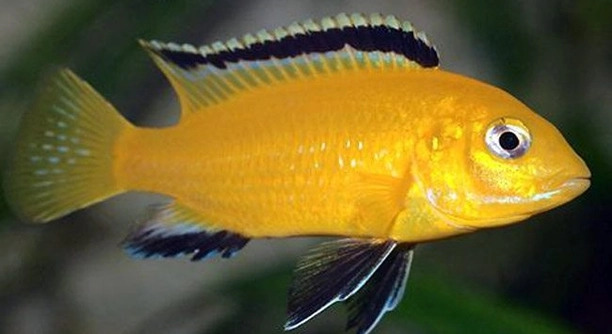
Do you ever notice your electric yellow cichlid fry acting strangely or not growing as expected in your tank? Watching these tiny fish develop can be exciting, but they sometimes face problems that are hard to spot early.
Electric yellow cichlid fry commonly encounter issues such as poor water quality, inadequate nutrition, overcrowding, parasitic infections, stress from sudden changes, improper temperature, and aggression from tank mates. Addressing these factors is essential for ensuring healthy growth and survival of the fry.
Even small mistakes can have lasting effects, so understanding these common problems will help you care for your fry more effectively.
Poor Water Quality
Maintaining clean water is one of the most important aspects of raising electric yellow cichlid fry. I remember struggling at first when the fry kept showing signs of stress, such as clamped fins and sluggish movement. Poor water quality often results from high ammonia and nitrite levels, which can build up quickly in small tanks. Even if you change the water regularly, overfeeding or overcrowding can make it worse. Using a reliable test kit helps monitor levels before they become dangerous. Filters should be gentle but effective, and frequent partial water changes keep the environment stable. I learned that fry are more sensitive than adult fish, so even small fluctuations in pH or temperature can cause harm. Removing uneaten food promptly and cleaning decorations also helps maintain balance. Keeping a consistent routine of water testing, light feeding, and careful observation prevents many health issues for these tiny fish.
Regular testing and proper filtration significantly reduce the risk of disease and stunted growth in fry. Stable water conditions support stronger, healthier fish.
Monitoring water quality isn’t just about chemicals. Observing how your fry swim and interact can show early warning signs. Sometimes, cloudiness or a slight odor indicates that more frequent water changes are needed. Even small tanks need attention to avoid ammonia spikes. Adjusting water temperature slowly helps prevent stress, and maintaining consistent lighting supports natural feeding behaviors. Over time, I noticed that fry in well-maintained tanks were more active, ate better, and had stronger coloration. Learning to balance feeding, filtration, and water changes is key. It’s also helpful to introduce new fry slowly to avoid overwhelming the existing environment. Consistency in maintenance gives these delicate fish the best chance to grow into vibrant adults. Small actions like removing waste and checking parameters daily make a noticeable difference.
Inadequate Nutrition
Feeding fry properly can be tricky, especially in the first weeks after hatching. Many people don’t realize that tiny fry need more frequent, smaller meals. I often made the mistake of feeding too much at once, which clouded the water and stressed the fry.
Providing a balanced diet with high-quality fry food, such as finely crushed flakes, micro pellets, or specialized fry powder, ensures proper growth. Supplements like live foods—baby brine shrimp or daphnia—help improve survival rates and coloration. Overfeeding, however, can create harmful waste in the tank and lead to fungal or bacterial growth. Observing how much the fry eat in a few minutes and adjusting portions is important. Nutrition also affects behavior; well-fed fry are more active and less prone to hiding. Rotating food types ensures they get all essential nutrients, promoting stronger immune systems. I found that consistent feeding routines helped fry develop evenly and reduced aggressive competition. Feeding multiple small times a day rather than one large feeding makes a noticeable difference in growth and vitality.
Small adjustments to feeding habits can prevent long-term health problems and improve overall tank conditions. Regular observation helps fine-tune portions for best results.
Overcrowding
Overcrowding can quickly become a problem in fry tanks. I’ve seen tiny fry struggle to swim freely when too many were in a small tank. Limited space increases stress, slows growth, and can lead to higher mortality rates if not addressed.
Keeping fry in properly sized tanks with enough swimming room is essential. Overcrowded tanks can also cause water quality issues, as more waste accumulates faster than the filter can handle. Separating fry into smaller groups or using a larger tank helps reduce stress and aggression. Monitoring the number of fry as they grow prevents overcrowding before it becomes dangerous. I learned that giving each fry enough space encourages healthy development, better feeding, and more active swimming.
Aggression tends to rise when fry are crowded, with stronger fish chasing weaker ones away from food. Over time, this can stunt growth and cause injuries. Using dividers or separate rearing tanks is sometimes necessary to protect smaller fry. Additionally, proper aeration and filtration support higher populations, but space management remains the most important factor. Observing interactions regularly lets you act quickly if some fry are being bullied or hiding constantly. Maintaining the right density helps fry develop evenly and reduces stress-related deaths.
Temperature Fluctuations
Temperature fluctuations can stress fry and weaken their immune systems. I noticed that even small changes made them less active and more prone to disease. Keeping the tank temperature stable is critical for their growth and survival.
Using a reliable heater and thermometer ensures consistent conditions. Sudden drops or spikes in temperature can disrupt feeding behavior and metabolism, slowing growth. I learned to adjust the heater gradually when making changes and to avoid placing the tank in direct sunlight or near drafts. Even minor variations during water changes can cause shock, so matching new water temperature is essential. Consistent temperature also supports proper digestion and reduces vulnerability to infections.
Monitoring temperature daily is simple but often overlooked. I now keep a small thermometer at fry level to check for fluctuations throughout the day. If the tank is in a room with changing temperatures, adding a heater guard or insulation helps maintain stability. Fry thrive in stable conditions and show more active swimming, better feeding, and stronger coloration. Protecting them from rapid changes prevents stress-related problems and supports long-term health, making temperature management one of the easiest ways to improve survival rates.
Parasitic Infections
Parasitic infections are a serious concern for electric yellow cichlid fry. I’ve seen fry become lethargic and stop eating when parasites are present. Early detection and treatment are key to preventing major losses.
Maintaining clean water and avoiding contaminated food helps reduce the risk. Quarantining new additions before introducing them to the main tank also prevents spread.
Aggression From Tank Mates
Aggression from older fish or even stronger fry can harm weaker fry. I noticed some fry hiding constantly while others were being chased, which slowed their growth and increased stress.
Separating aggressive fish or using dividers helps protect smaller fry. Monitoring interactions ensures all fry get access to food and space.
Sudden Environmental Changes
Sudden changes in light, temperature, or water chemistry stress fry quickly. I observed fry darting around or hiding when the tank was cleaned too roughly or exposed to drafts. Consistency in care is critical for maintaining their health and growth.
Improper Tank Setup
Fry need simple, safe environments with hiding spots and smooth surfaces. Sharp decorations or strong currents can injure them. I learned to use small plants, gentle filters, and soft substrates to keep fry safe while allowing normal swimming and feeding behaviors.
FAQ
How often should I change the water for electric yellow cichlid fry?
I change small portions of water every two to three days. This keeps ammonia and nitrite levels low without shocking the fry. Too much water change at once can stress them, so I always match the temperature and add it slowly. Regular testing helps decide the right schedule.
What is the best food for fry during their first weeks?
I use finely crushed flakes and specialized fry powder at first. Live foods like baby brine shrimp or micro worms boost growth and coloration. Feeding tiny amounts multiple times a day ensures fry get enough nutrition without polluting the tank. Variety helps them develop evenly.
How many fry should I keep in one tank?
I learned that overcrowding causes stress and slows growth. For small tanks, I keep fewer fry or use dividers to separate groups. Larger tanks allow more fry, but monitoring interactions and providing hiding spots is essential to prevent aggression and stunted development.
How can I tell if my fry are stressed?
Signs of stress include clamped fins, hiding, sluggish movement, or refusing food. I check water parameters, tank temperature, and feeding schedules whenever I notice these behaviors. Stress often comes from overcrowding, sudden changes, or poor water quality, so observing them daily is important.
Do electric yellow cichlid fry need heaters?
Yes, consistent temperature is critical. I use a small, reliable heater and thermometer to avoid sudden fluctuations. Even small changes can weaken their immune system. Gradual adjustments during water changes prevent shock, and stable temperatures help with feeding, digestion, and growth.
What should I do if some fry are aggressive?
Separating aggressive fry or using dividers is what I do. Aggression can stunt weaker fry and prevent them from eating. Providing enough hiding spots and keeping tank density low reduces fights. Observation is key to ensure every fry grows evenly.
Can I mix fry with other fish species?
I avoid mixing fry with older or larger fish. Other fish may eat or stress the fry. If mixing is necessary, I provide plenty of hiding spots and monitor interactions closely. Ideally, fry grow safest in dedicated tanks or compartments until they are larger and more resilient.
How do I prevent diseases in fry?
Maintaining clean water, proper nutrition, and stable temperature is my main focus. Quarantining new fish and avoiding overfeeding also helps. Observing fry daily for unusual behavior or spots allows early treatment, which prevents small problems from becoming fatal.
When should I start feeding live food?
I introduce live food like baby brine shrimp after a few days when fry can swallow small particles. Live food encourages active feeding and helps with growth. I combine it with powdered or crushed flake food for a balanced diet.
What is the ideal tank setup for fry?
I keep tanks simple, with soft substrates, gentle filtration, and small plants or hiding spots. Strong currents or sharp decorations can injure fry. A calm environment with easy access to food ensures healthy swimming and growth. Monitoring temperature, water quality, and space completes the setup.
How do I know when fry are ready for a larger tank?
When fry are strong, active, and eating well, I gradually move them to a larger tank. I check that they are not stressed and that space allows free swimming. Slowly acclimating them to new water conditions reduces shock and supports healthy growth.
Can stress affect coloration in fry?
Yes, I noticed stressed fry often lose brightness and show dull colors. Maintaining proper water quality, stable temperature, adequate nutrition, and space helps them develop vibrant colors as they grow. Reducing stress is key to both health and appearance.
How important is hiding space for fry?
Hiding spots reduce stress and aggression. I use small plants, rocks, or dividers to give fry places to retreat. This helps weaker fry eat and grow properly while avoiding constant bullying from stronger fry. Providing shelter improves overall survival and reduces fatalities.
What do I do if fry stop eating?
I check water quality, temperature, and potential aggression first. Sometimes, adjusting feeding times or introducing live food helps. Observing fry behavior and removing stressed or sick individuals prevents spreading issues. Consistency and gentle care usually restore normal feeding habits.
Can fry survive without live food?
Yes, but growth may be slower. I combine powdered or crushed flake food with occasional live food to encourage stronger development and better coloration. Live food is especially helpful during early weeks when fry are most delicate.
How often should I test water parameters?
Daily testing is best in the early weeks. I focus on ammonia, nitrites, and pH. Rapid changes in these levels can harm fry quickly. Keeping a log helps spot trends and prevent issues before they escalate. Regular testing supports healthier, more active fry.
What signs show fry are growing well?
Active swimming, steady weight gain, vibrant colors, and healthy fins indicate good growth. I watch for consistent feeding and minimal hiding. Uneven growth often points to stress, overcrowding, or poor nutrition, so early observation ensures balanced development.
How do I reduce aggressive feeding behavior?
I feed smaller amounts multiple times a day and provide space for all fry to reach food. Separating overly aggressive fry or using dividers prevents weaker fry from being deprived. Consistent feeding routines help maintain calm and allow even growth.
Are there common mistakes to avoid with fry?
Overcrowding, sudden environmental changes, poor nutrition, and irregular water maintenance are the mistakes I see most. Avoiding these and observing fry daily ensures better survival, stronger growth, and reduced stress. Simple routines make the biggest difference for their health.
How long does it take for fry to become juveniles?
With proper care, fry start showing juvenile features within a few weeks. Growth depends on water quality, nutrition, and tank conditions. I track size, coloration, and activity levels to gauge when they are ready for larger tanks or social interaction with other fish.
Raising electric yellow cichlid fry can be challenging, but it is also very rewarding when done carefully. These tiny fish are sensitive to changes in their environment, and small mistakes can have big consequences. Paying attention to water quality, temperature, and feeding habits makes a huge difference in their survival and growth. I have learned that observing the fry every day helps catch problems early before they become serious. Even minor adjustments, like removing uneaten food or checking the heater, can prevent stress and disease. Keeping a simple routine is one of the most effective ways to maintain a healthy tank and support the fry as they develop.
Fry also respond well to proper nutrition and adequate space. Overcrowding and aggressive tank mates can slow growth and cause injuries, while consistent feeding with high-quality food supports their development and coloration. I found that dividing fry into smaller groups or providing hiding spots helps reduce stress and gives weaker fish a chance to thrive. Live foods like baby brine shrimp or micro worms can be introduced carefully to enhance growth, but powdered or crushed flake food is also sufficient if fed properly. Paying attention to their behavior while feeding helps ensure that all fry are eating enough and developing evenly. Small measures like this often result in healthier, more active fry that are better prepared for later life in larger tanks.
Maintaining stable conditions and monitoring the tank regularly are key factors in raising successful fry. Sudden environmental changes, fluctuations in water parameters, or improper tank setups can cause stress and increase the risk of disease. I have learned to make gradual adjustments during water changes, avoid overcrowding, and keep the tank free of sharp decorations or strong currents. Observing how the fry swim, eat, and interact provides valuable insight into their health. With consistent care, attention, and patience, electric yellow cichlid fry can grow into vibrant, strong fish. Understanding their needs and providing a stable environment ensures that the effort invested in raising them pays off with healthy, thriving juveniles.

Hello,
If you enjoy the content that we create, please consider saying a "Thank You!" by leaving a tip.
Every little bit helps us continue crafting quality advice that supports the health, happiness, and well-being of pets around the world, for pets of all shapes, sizes, and species.
We really appreciate the kindness and support that you show us!