
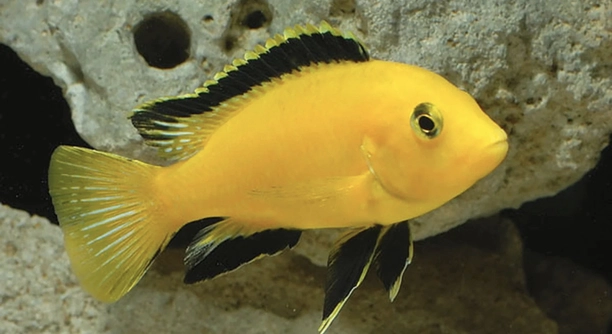
Electric Yellow Cichlids are bright, lively fish that can brighten any aquarium. Choosing the right tank material can affect both their health and the ease of maintenance for their owners. Many beginners feel unsure where to start.
When considering a tank for Electric Yellow Cichlids, both glass and acrylic have distinct advantages. Glass offers durability and scratch resistance, while acrylic provides lighter weight and better clarity. The choice depends on budget, size, and long-term care preferences.
Knowing the differences can save time and effort in the long run. Understanding which material suits your setup will make caring for these fish easier.
Glass Tanks for Electric Yellow Cichlids
Glass tanks are a traditional choice for cichlid owners. They are heavy, but that weight provides stability, especially for larger setups. Glass is naturally scratch-resistant, which keeps the tank looking clear and neat over time. Cleaning glass is straightforward, and it does not yellow with age. The rigidity of glass also allows for thicker walls without warping. Because of this, it is often safer for very large or tall tanks. On the downside, glass can be heavy to move and may crack if dropped or stressed. It is less flexible in shape options compared to acrylic but works well for standard rectangular designs. The clarity of glass is excellent, giving a true view of your Electric Yellow Cichlids. Overall, glass tanks provide a reliable, durable home, especially for owners who prefer low-maintenance upkeep and long-term stability.
Glass tanks remain the more affordable option when purchasing larger sizes. They provide durability and consistent clarity for years.
Glass tanks are widely available and easy to find in pet stores or online. They fit standard accessories and filters without needing custom adjustments. Their weight and rigidity make them safe for tall water columns, minimizing the risk of bowing. Glass does not react to chemicals commonly used for cleaning, so maintenance is simpler. Many hobbyists prefer glass for large tanks because it provides stability and a classic look. With proper support, these tanks can hold hundreds of liters of water safely. Although heavier than acrylic, they resist scratching and do not bend, which ensures a long-lasting setup. For Electric Yellow Cichlids, glass allows a clear, vibrant view of their colors and movements. Maintenance and repairs are easier because replacement panes are simple to source. Choosing glass is practical, especially for tanks that require longevity and consistent performance over flashy design options.
Acrylic Tanks for Electric Yellow Cichlids
Acrylic tanks are lightweight, making them easier to move and install. They offer more flexibility in shapes and custom designs, which can enhance your tank’s appearance.
Acrylic is stronger than glass in terms of impact resistance, but it scratches more easily, requiring careful cleaning.
Acrylic tanks are an appealing choice because they allow for larger, uniquely shaped aquariums without the excessive weight of glass. They have better thermal insulation, keeping water temperatures more stable, which benefits Electric Yellow Cichlids. The clarity of acrylic is often superior, giving a slightly more vibrant view of fish colors and decorations. Their impact resistance makes them safer if the tank is accidentally bumped. However, scratches can accumulate over time and polishing may be needed to restore clarity. Acrylic also expands slightly under water pressure, so thicker walls are required for very large tanks. Cleaning requires soft cloths or sponges to prevent marks. Despite higher costs, acrylic offers aesthetic advantages and flexibility, particularly for medium to large setups where custom shapes or lighter weight are important. It is ideal for those who want a visually striking tank that still performs well under everyday use.
Maintenance Considerations
Glass tanks are easier to clean with basic tools and resist staining over time. Acrylic tanks require gentler care to avoid scratches, but both materials benefit from regular water changes and filter upkeep to keep cichlids healthy.
Glass is very low-maintenance. It does not scratch easily, and cleaning solutions rarely damage the surface. Removing algae, wiping down the walls, and vacuuming the substrate are simple tasks. Standard aquarium equipment fits well, and replacement parts are widely available. However, glass is heavy, making it harder to move during deep cleaning or rearrangement. Acrylic tanks are lighter and can be moved more easily, but they scratch easily. Using soft cloths or specialized sponges is necessary to prevent marks. Both tank types require consistent care for water quality, temperature, and equipment maintenance to support thriving Electric Yellow Cichlids.
Acrylic tanks need more careful attention during cleaning. Even soft brushes or rough sponges can leave visible scratches. Polishing kits can restore clarity, but this adds a small extra step compared to glass. Over time, minor scratches may accumulate, slightly affecting the tank’s overall appearance. Despite this, acrylic tanks are easier to move when reorganizing your aquarium or when performing major water changes. Many hobbyists appreciate that acrylic reduces the risk of cracking during handling. The lighter weight and impact resistance make acrylic appealing, especially for larger, taller setups that would be cumbersome with glass. Regular, gentle cleaning ensures both tank types remain attractive while keeping the cichlids’ environment safe.
Cost and Durability
Glass tanks generally cost less upfront and provide long-term stability. Acrylic tanks have a higher initial cost but offer impact resistance and flexibility in design.
Glass is more affordable, especially for standard sizes. It lasts for decades with proper care, maintaining structural integrity without warping. Acrylic is pricier but resists impacts and allows for creative tank shapes. This can justify the cost for custom setups or larger tanks where weight matters. Choosing between glass and acrylic involves balancing initial cost, longevity, and desired tank design. Glass offers a classic, cost-effective option with excellent durability, while acrylic provides a lighter, flexible alternative that supports unique designs without compromising structural strength.
Aesthetics and Clarity
Acrylic tanks often appear clearer and brighter than glass, enhancing the vivid colors of Electric Yellow Cichlids. Glass provides a true, stable view without distortion, making it reliable for showcasing tank decorations.
Acrylic allows for curved and unique shapes that can make your aquarium visually striking. Glass is more traditional but gives a clean, sharp view. Both options can highlight the cichlids’ yellow tones effectively.
Weight and Handling
Glass tanks are heavy, especially in larger sizes, making them difficult to move once filled. Acrylic is lighter, which simplifies installation and repositioning.
Temperature Stability
Acrylic offers better insulation than glass, helping maintain a stable water temperature. This can reduce the workload on heaters and chillers in fluctuating room conditions. Stable temperatures contribute to healthier, less stressed Electric Yellow Cichlids.
Safety Considerations
Glass is prone to cracking under impact, whereas acrylic resists shattering. Both need proper support, but acrylic reduces the risk of accidents during handling or transportation.
FAQ
Which tank material is better for beginners?
For beginners, glass tanks are often easier to manage. They are scratch-resistant and require less careful cleaning, which helps when you are still learning about tank maintenance. Acrylic can be appealing for lighter weight and unique shapes, but it demands more delicate handling.
Can Electric Yellow Cichlids thrive in both glass and acrylic tanks?
Yes, they can thrive in both types. The material itself does not affect their health as long as water quality, temperature, and filtration are properly maintained. The choice mainly affects maintenance, aesthetics, and long-term durability.
Are there size limitations for glass or acrylic tanks?
Glass tanks are heavier, so very large tanks can be cumbersome and require strong support. Acrylic can handle larger volumes more easily because it is lighter and impact-resistant, but thickness must be adequate to prevent bowing in very large setups.
Which material is easier to move or rearrange?
Acrylic is lighter and easier to move, which is helpful if you like to change your tank setup or need to relocate it. Glass tanks are heavy, especially when filled with water, making rearrangement more challenging and requiring more careful handling.
Do scratches affect the function of acrylic tanks?
Minor scratches on acrylic do not affect functionality or water containment, but they can reduce visual clarity over time. Regular polishing can restore clarity, and using soft cloths or sponges during cleaning prevents new scratches. Glass rarely scratches, making this concern mostly limited to acrylic.
How do cleaning routines differ between glass and acrylic?
Glass is forgiving and can withstand scrubbing with rough sponges or scrapers. Acrylic needs gentler cleaning tools to avoid scratching, so soft cloths and specific cleaning sponges are recommended. Both require regular water changes, algae removal, and substrate vacuuming to maintain a healthy environment.
Which tank type is more cost-effective?
Glass tanks generally cost less initially, especially for standard sizes. Acrylic is more expensive, but for custom shapes or very large tanks, the flexibility and lighter weight can justify the extra cost. Long-term maintenance costs are similar if proper care is given.
Does tank material affect water temperature?
Acrylic provides slightly better insulation, helping keep water temperature more stable. Glass has less insulation, which may require heaters or chillers to work a bit harder in fluctuating room temperatures. For Electric Yellow Cichlids, stable temperatures are important for reducing stress and promoting healthy growth.
Are there aesthetic differences between glass and acrylic?
Acrylic can appear slightly clearer and allows curved or uniquely shaped tanks, making the aquarium visually striking. Glass offers a classic, clean look with a true view and sharp clarity. Both showcase the bright yellow colors of Electric Yellow Cichlids effectively.
Which material is safer in case of accidents?
Acrylic resists shattering and is safer if the tank is bumped or dropped. Glass is more prone to cracking or breaking under impact, which makes it riskier during transport or accidental knocks. Proper support and careful handling are important for both types.
Do both tank types require special supports?
Yes, both require sturdy, level stands. Glass benefits from even support to prevent stress points and cracking. Acrylic also needs proper support to avoid bowing under water pressure, especially for larger tanks. Choosing a stand that matches your tank’s weight and size ensures long-term stability.
Which tank material enhances fish colors better?
Both materials show off Electric Yellow Cichlids’ colors well. Acrylic may provide a slightly brighter, more vibrant view, while glass offers a true, stable representation. The choice depends on whether you prioritize clarity or overall aesthetic flexibility.
Can both tank types accommodate standard aquarium equipment?
Yes, filters, heaters, and decorations fit standard dimensions in both glass and acrylic tanks. Acrylic’s flexible design allows for custom modifications if needed, but standard glass tanks work well with readily available equipment without adjustments.
Are repairs easier with glass or acrylic?
Glass repairs involve replacing panels or sealing cracks, which can be more complicated. Acrylic can be patched or polished for scratches, making minor repairs simpler. Both require careful attention to avoid leaks, but acrylic is easier for small cosmetic fixes.
Is long-term durability different between glass and acrylic?
Glass is very durable and maintains structural integrity over decades if handled carefully. Acrylic is impact-resistant but can scratch and may bow over time in very large tanks. Both are durable with proper care, but glass is lower maintenance for longevity.
Which is better for custom tank shapes?
Acrylic is the preferred choice for custom shapes. Its flexibility allows curved walls, unique dimensions, and large panels without excessive weight. Glass is limited to standard rectangular shapes because bending or shaping glass is costly and difficult.
Do fish behave differently in acrylic or glass tanks?
Fish behavior is generally the same in both materials. Electric Yellow Cichlids respond more to water quality, tank size, hiding spots, and social structure than to the tank material itself. Material choice mainly affects maintenance, clarity, and aesthetics.
How do I choose between glass and acrylic for my setup?
Consider weight, cleaning, aesthetics, budget, and tank size. Glass is cost-effective, scratch-resistant, and stable, while acrylic is lighter, impact-resistant, and allows for creative designs. Prioritize what matters most to your maintenance routine and visual preferences.
Are both materials suitable for tall tanks?
Acrylic handles tall tanks better because it resists bowing under water pressure. Glass can be used for tall tanks but requires thicker panels and strong support to prevent stress cracks. Safety and proper stand selection are important for both types.
Does either material yellow over time?
Glass generally does not yellow, maintaining clear visibility for years. Acrylic can yellow slightly with age and UV exposure, especially in cheaper panels. High-quality acrylic and protective coatings can reduce yellowing and preserve visual clarity for long-term use.
Which tank type is more environmentally stable?
Acrylic insulates water slightly better, reducing temperature swings in changing room conditions. Glass is less insulating, so heaters or chillers may work harder. Stability in temperature is more important than material choice for keeping Electric Yellow Cichlids healthy.
Can I use both materials together in a tank setup?
Yes, using acrylic and glass components is possible, such as acrylic viewing panels on a glass tank. Compatibility depends on joining methods and support structures, but combining materials can offer custom aesthetics while retaining structural integrity.
Is one material better for large aquariums?
Acrylic is generally better for very large tanks due to its lighter weight and impact resistance. Glass works well too but becomes heavy and harder to manage as size increases. Proper support is critical in both cases to prevent accidents or structural issues.
How often should I inspect the tank?
Inspect both glass and acrylic tanks regularly for leaks, cracks, or scratches. Glass is low-maintenance but can develop stress cracks. Acrylic requires monitoring for scratches or bowing. Routine checks ensure safety and longevity for your Electric Yellow Cichlids.
Which material is more common in stores?
Glass tanks are more common and widely available in standard sizes. Acrylic tanks are less common but can be ordered online or through custom manufacturers. Availability may influence your choice based on convenience and budget.
Do either material affect filtration or water flow?
No, tank material does not directly affect filtration or water circulation. Equipment functions the same in glass or acrylic tanks. The design and placement of filters, pumps, and decorations have more impact on water quality than the material itself.
Are there differences in setup time?
Acrylic tanks are lighter and easier to maneuver, which can speed up setup. Glass tanks are heavier and may require more hands or support during installation. Other than handling, setup steps like adding substrate, decorations, and water are similar for both.
Which material is better for long-term investment?
Glass is often the better long-term investment due to durability, low maintenance, and resistance to scratches. Acrylic provides flexibility and aesthetic appeal, but may need polishing or careful cleaning to maintain appearance over time. Long-term care affects both equally.
Can I use the same cleaning products for both?
Most aquarium-safe cleaners work for glass. Acrylic requires gentler products and tools to avoid scratching. Avoid abrasive scrubbing pads or harsh chemicals on acrylic to preserve clarity. Proper cleaning ensures a healthy environment for Electric Yellow Cichlids.
Do electric yellow cichlids prefer one material over another?
Fish do not show preference for glass or acrylic. Their comfort depends on tank size, water quality, hiding spots, and social interactions. Material choice affects the owner’s convenience more than the fish’s behavior or wellbeing.
Are acrylic tanks prone to leaks?
Acrylic is strong and generally resistant to leaks, but poor seams or joints can cause issues. Regular inspection ensures integrity. Glass can also leak if seals fail, so both require occasional checks to maintain a safe aquatic environment.
Is repair easier for scratches or cracks?
Acrylic scratches are easier to polish out. Glass cracks often require pane replacement. Minor cosmetic issues are simpler to fix in acrylic, but structural issues in both need careful attention. Proper handling reduces the likelihood of damage in either material.
How does price affect the choice?
Glass is generally cheaper for standard tanks, while acrylic is costlier, especially for larger or custom shapes. Budget, size, and desired aesthetics should guide the choice between the two materials for an Electric Yellow Cichlid tank.
Do either material react to aquarium water?
No, both glass and acrylic are inert and safe for aquarium use. They do not leach chemicals or alter water conditions, making them suitable for freshwater setups like Electric Yellow Cichlids.
Which material is better for tall or narrow tanks?
Acrylic handles tall and narrow tanks better due to flexibility and impact resistance. Glass is possible but heavier and may need thicker walls to prevent stress or cracking. Proper stand support is essential for stability.
Can I combine glass and acrylic decorations?
Yes, glass and acrylic decorations can be used together. The material of the tank does not limit the type of decorations, as long as they are aquarium-safe and do not introduce harmful substances into the water.
Which tank type is better for frequent relocation?
Acrylic is lighter and more impact-resistant, making it easier to move during relocations. Glass is heavier and more fragile, so moving it requires more care and support to prevent cracks or breaks.
Do either tank types require special lighting considerations?
Lighting is unaffected by tank material. Acrylic may slightly enhance brightness due to clarity, but both glass and acrylic tanks support standard aquarium lighting setups for Electric Yellow Cichlids. Lighting should focus on fish health and plant growth, not material.
Which is better for showcasing cichlids’ colors?
Both highlight Electric Yellow Cichlids effectively. Acrylic may provide slightly brighter, more vibrant views, while glass gives a true, crisp image. Choice depends on aesthetic preference and how much emphasis is placed on clarity versus vibrancy.
Are there limitations on tank shapes for glass?
Glass is generally limited to rectangular or square shapes. Curved or unique designs are difficult and expensive to produce. Acrylic allows more creative shapes without compromising structural integrity, giving flexibility in design.
Do either material affect water chemistry?
Neither glass nor acrylic affects water chemistry. Both are inert, meaning they do not release substances or alter pH, hardness, or other water parameters. Proper maintenance is key for a stable environment.
Which material is better for heavily stocked tanks?
Both can handle heavily stocked tanks if structural support is adequate. Acrylic’s lighter weight may be beneficial for larger, heavily stocked setups, but proper filtration and maintenance are more important than material choice.
Can I install external filters the same way?
Yes, both materials allow standard installation of external filters, hang-on-back units, or canister filters. The tank material does not limit the type of filtration system used, though proper placement and support are necessary.
Do either require special adhesives or sealants?
Glass requires silicone sealants for seams. Acrylic can also be joined with specialized acrylic adhesives. Both need proper application to ensure leak-proof and secure construction. Standard aquarium-grade products are recommended.
How do I prevent scratches on acrylic tanks?
Use soft cloths, sponges, or specialized tools for cleaning. Avoid abrasive pads or harsh scrubbing. Polishing kits can remove minor scratches. Proper handling during decoration placement also prevents surface damage.
Are glass tanks safer for kids or pets?
Glass can shatter if broken, posing risk. Acrylic is impact-resistant and safer in environments with children or pets. Both require secure placement to prevent tipping or accidental damage.
Which material is more common in pre-made kits?
Glass is more widely used in pre-made aquarium kits, especially standard rectangular shapes. Acrylic is less common but available for custom or large-sized kits. Availability may influence ease of purchase.
Do either material affect tank longevity?
Glass tanks last decades if handled carefully, with minimal maintenance. Acrylic also lasts long but requires gentle cleaning and care to prevent scratches and potential bowing in large tanks. Proper maintenance ensures both materials remain functional for years.
Which is better for long-term aesthetics?
Glass maintains clarity and resists scratches, making it ideal for a clean, classic look. Acrylic offers vibrant visuals and design flexibility but requires careful upkeep to maintain appearance over time. Both can look attractive with proper care.
Can both materials be drilled or modified?
Glass can be drilled but requires precision and risk of cracking. Acrylic is easier to cut or drill for custom modifications but still requires proper tools and care to avoid cracks or uneven edges.
Do either material influence algae growth?
Algae growth depends on lighting, nutrients, and water quality, not the tank material. Both glass and acrylic are equally susceptible if conditions favor algae, so regular cleaning and maintenance are necessary.
Which tank is easier to insure or warrant?
Glass tanks often come with standard warranties and are commonly insured in hobby setups. Acrylic may have specialized warranties depending on manufacturer, especially for custom shapes or large sizes. Checking coverage before purchase is recommended.
Do either material warp over time?
Glass does not warp under normal conditions. Acrylic can bow slightly under water pressure in large tanks or if wall thickness is insufficient. Proper support and wall thickness prevent long-term warping.
Which is better for resale value?
Glass is widely recognized and easy to resell due to durability and standard shapes. Acrylic may appeal to buyers seeking custom or unique tanks but can be harder to price. Clean, well-maintained tanks of either type retain value.
Are there differences in UV exposure effects?
Glass is generally resistant to UV yellowing. Acrylic can yellow slightly over time if exposed to strong UV light, especially lower-quality panels. High-quality acrylic and UV protection reduce this effect.
Do either materials affect fish breeding?
No, breeding is influenced by water quality, hiding spots, and social dynamics rather than tank material. Both glass and acrylic provide safe environments if other conditions are ideal.
Which material is better for planted tanks?
Both materials work well. Acrylic may slightly enhance visual clarity, making plants appear brighter. Glass is stable and durable, supporting plant growth with standard lighting and substrate setups.
Can scratches be removed from acrylic?
Yes, acrylic scratches can be polished using kits or fine abrasives. This restores clarity. Glass rarely scratches, so this is mostly a consideration for acrylic tanks.
Which tank is easier to repair after damage?
Minor scratches in acrylic are easier to fix. Cracks in glass require pane replacement or resealing. Acrylic allows simple cosmetic fixes, but structural damage still needs careful attention.
Are either better for custom aquascaping?
Acrylic allows more creative shapes for aquascaping, including curves or unique layouts. Glass is limited to standard rectangular shapes but still supports detailed aquascaping with traditional designs.
Do either material affect sound or vibration?
Acrylic can slightly dampen vibrations due to its flexibility. Glass transmits vibrations more directly. Neither materially affects fish health, but quieter environments may reduce stress.
Which material is easier to transport?
Acrylic is lighter and more impact-resistant, making transport easier. Glass is heavier and more fragile, requiring extra care during moving.
Do either material affect water evaporation?
Both have similar evaporation rates. Tank material does not significantly influence water loss; covers, lids, and room conditions are more important.
Which is better for long, narrow tanks?
Acrylic resists bowing in long, narrow tanks better than glass. Glass can still be used but needs thicker walls and strong support to prevent stress or cracking.
Do either material react with saltwater or freshwater?
Both are inert and safe for freshwater or saltwater setups. Material choice does not influence water chemistry or fish health.
Which is better for display aquariums?
Acrylic offers clearer visuals and design flexibility, enhancing display appeal. Glass provides a clean, classic look. Both can showcase Electric Yellow Cichlids effectively, depending on the desired style and tank location.
Do either material require leveling?
Both need level stands to prevent stress, bowing, or cracking. Proper support ensures longevity and prevents leaks or structural damage.
Which material is easier to customize?
Acrylic is easier to shape and drill for custom designs. Glass is limited to standard sizes unless professionally modified, which is more costly and riskier.
Do either material retain heat differently?
Acrylic insulates slightly better, keeping water temperature more stable. Glass allows more heat exchange, which may require closer monitoring in variable room conditions.
Are both materials safe for children around?
Acrylic is safer due to impact resistance. Glass can shatter, so both need secure placement. Acrylic reduces the risk of injury in busy households.
Do either affect filtration efficiency?
No, filtration efficiency depends on equipment and setup, not tank material. Both glass and acrylic support standard filters equally.
Which tank is more common in hobby stores?
Glass tanks are more commonly stocked in stores. Acrylic tanks are available but often through custom orders or specialty suppliers.
Are either affected by chemicals used in aquascaping?
Glass is unaffected by standard aquarium chemicals. Acrylic requires caution with strong solvents but is generally safe with aquarium-safe products.
Which is better for long-term visibility?
Glass remains clear for years with minimal maintenance. Acrylic can scratch or yellow slightly, but proper care preserves clarity and vibrancy.
Do either require extra reinforcement for tall tanks?
Yes, both need support. Acrylic benefits from flexible walls, glass from thicker panels. Proper reinforcement prevents bowing, leaks, or cracks in tall setups.
Which material is easier to install?
Acrylic is lighter and simpler to maneuver, making installation easier. Glass is heavier, requiring more hands or support, especially in large tanks.
Do either material influence water flow patterns?
No, flow patterns depend on filter placement and tank design. Material choice does not affect circulation.
Which is more resistant to impact?
Acrylic resists impacts better, reducing the chance of cracks or breaks. Glass can shatter if struck, requiring careful handling.
Can both support DIY modifications?
Acrylic is easier to
Choosing the right tank for Electric Yellow Cichlids comes down to understanding the strengths and weaknesses of glass and acrylic. Glass tanks are a traditional, reliable option. They are heavy and sturdy, offering scratch resistance and clear visibility. Over time, glass maintains its shape and clarity, making it a long-lasting choice. For standard rectangular setups, glass provides excellent stability, and its low-maintenance nature makes it easier for beginners to manage. Cleaning glass is simple, and most aquarium tools and accessories are compatible without adjustments. Its weight can make moving the tank a challenge, but the structural integrity is often worth the effort. Glass also resists yellowing over time, keeping the tank looking clean and professional. Many hobbyists find that a glass tank meets all the basic needs of cichlid care without adding extra steps to maintenance routines.
Acrylic tanks offer a different set of advantages that appeal to people looking for flexibility and unique designs. They are lighter and easier to move, which makes rearranging a tank or performing maintenance less of a chore. Acrylic’s impact resistance is higher than glass, so the risk of cracking from accidental bumps is reduced. These tanks also allow for curved walls and custom shapes that can make a tank more visually interesting. Acrylic provides slightly better insulation, helping water temperature remain more stable. This is particularly useful if the room temperature fluctuates, as stable water reduces stress on Electric Yellow Cichlids. However, acrylic does scratch more easily than glass, so cleaning requires soft tools and careful handling. Polishing kits can help maintain clarity over time, but this does add an extra step compared to glass. Despite this, acrylic can create a striking, modern look that emphasizes the colors of cichlids in a way glass cannot.
When deciding between glass and acrylic, consider your priorities, the size of the tank, and how much maintenance you are willing to manage. For larger tanks or long-term setups, the durability and scratch resistance of glass may be the most practical choice. For medium to large tanks with custom shapes or if you want a lighter, easier-to-handle option, acrylic can be ideal. Both materials are safe for Electric Yellow Cichlids, so the choice mostly affects maintenance, appearance, and handling rather than the fish’s health. Water quality, proper filtration, regular cleaning, and stable temperature are the key factors that ensure your cichlids thrive. By weighing the pros and cons of glass and acrylic, you can select a tank that fits your lifestyle and setup preferences, providing a safe and attractive environment for your Electric Yellow Cichlids for years to come.

Hello,
If you enjoy the content that we create, please consider saying a "Thank You!" by leaving a tip.
Every little bit helps us continue crafting quality advice that supports the health, happiness, and well-being of pets around the world, for pets of all shapes, sizes, and species.
We really appreciate the kindness and support that you show us!