
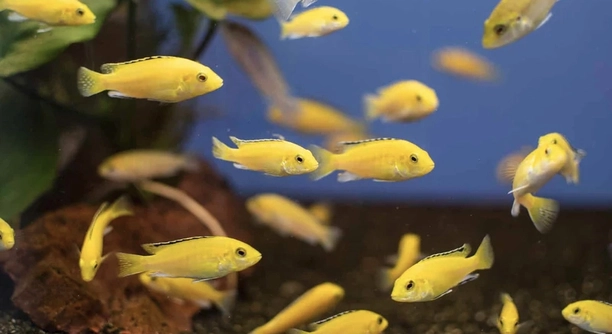
Rearranging tank decor can completely change the look and feel of your aquarium. Small adjustments in placement, color, and height create new spaces for fish to explore and can make your tank appear fresher and more vibrant.
Fish and aquatic creatures respond to changes in their environment through a variety of observable behaviors. Reactions may include exploring new areas, hiding more frequently, interacting differently with tank mates, or altering feeding patterns. These responses indicate adaptation and environmental assessment.
Observing these behaviors can give insight into your tank’s new dynamic and help ensure a comfortable environment for your aquatic pets.
Increased Exploration
After rearranging tank decor, fish often become more active and curious about their environment. They swim through new paths, investigate corners they avoided before, and may even try to interact with new hiding spots. This exploration is usually a sign that they are adjusting well. Changes in layout encourage natural behaviors, including chasing, playing, or patrolling territories. For some species, moving objects closer or farther apart can create new social dynamics. Observing these movements helps you understand which areas are favored and which may need more attention. The fish may also begin using elevated surfaces or tunnels they ignored previously. Over time, you may notice more interaction among tank mates as they explore together. Even small shifts, like moving a plant or decoration slightly, can spark these behaviors. Recognizing this activity allows you to gauge comfort levels and determine if further adjustments are needed to maintain balance.
Monitoring your fish’s new activity can help you ensure their environment remains stimulating and safe.
Paying attention to these patterns reveals how your fish adapt, showing preferences and comfort levels in their rearranged habitat.
Increased Hiding
Some fish react to new decor by hiding more frequently, often retreating to caves, plants, or corners. This behavior is a protective response to unfamiliar surroundings. While it may seem concerning at first, hiding is natural and allows fish to assess changes safely. Temporary increases in hiding are common.
Hiding helps fish reduce stress, maintain energy, and observe their environment before re-engaging with the tank.
Prolonged or excessive hiding can indicate discomfort or improper placement of new decor. For instance, moving a large decoration into a high-traffic area may intimidate timid species, prompting constant retreat. Conversely, creating small, quiet areas near the bottom or behind plants provides security and encourages gradual exploration. Observing which spots are chosen frequently can guide future decor adjustments. Adjusting lighting, spacing, or adding more cover can help fish feel safer and more confident. By recognizing and accommodating these preferences, you create a balanced habitat that encourages both exploration and security, promoting overall health and reducing stress-related behaviors.
Changes in Feeding Behavior
Fish may take longer to eat after decor is rearranged. They often explore new spaces before settling down to feed, which can temporarily slow their eating habits. Some may even avoid certain areas where food was previously placed.
Adjusting to new surroundings can make fish cautious during feeding times. They may hide or swim around unfamiliar objects before feeling safe enough to approach food. Predatory or territorial species could hesitate more than usual, while social fish might feed together but in different spots than before. Over time, they usually return to regular feeding patterns once they recognize safe zones and comfortable areas within the tank.
Monitoring feeding behavior is important to ensure all fish receive enough nutrition. Moving food gradually or placing it in multiple spots can help encourage eating while they adapt to the rearranged tank layout. Consistency in feeding routines also reduces stress and supports healthier habits.
Changes in Social Interactions
Rearranged tank decor can alter how fish interact with each other, creating new social patterns and territorial boundaries. Timid fish may retreat while more dominant species explore freely.
These shifts occur because new layouts change lines of sight, hiding places, and movement paths. Fish that once coexisted peacefully may now establish distinct territories around plants or rocks, while others may form new partnerships or groupings. Changes in elevation or spacing between objects can also influence dominance and play behaviors, affecting how individuals approach feeding, resting, and swimming routines.
Understanding these social adjustments allows you to anticipate conflicts and support peaceful interactions. Providing multiple hiding spots, spread-out feeding areas, and balanced decor ensures that fish of all temperaments feel secure and engaged. Adjustments may be subtle, but they significantly impact harmony and overall well-being within the tank.
Increased Activity
Fish often become more active after tank decor is rearranged. They swim through new paths, investigate new hiding spots, and explore unfamiliar areas. This burst of activity is a natural response to environmental change.
Heightened activity helps fish stay stimulated and can reduce boredom. Observing these movements shows how they interact with the new layout.
Stress Responses
Some fish may show brief signs of stress when their environment changes. This can include rapid swimming, fin clamping, or hiding more than usual.
Stress is usually temporary and diminishes as fish become familiar with new surroundings. Consistent feeding, gentle observation, and stable tank conditions help them adjust quickly.
Territorial Behavior
Rearranged decor can shift territories within the tank. Fish may claim new areas or defend previously ignored spaces. Changes in placement of plants, rocks, or caves often influence which spots are considered safe or desirable.
Curiosity
Fish may spend more time investigating new objects or rearranged areas. This behavior shows engagement and helps them learn their updated environment.
FAQ
Why is my fish hiding more after rearranging the tank?
Fish often hide more when the environment changes because they feel uncertain or threatened. New objects, altered spaces, or shifted decorations can disrupt familiar sightlines. This hiding is a natural response that allows them to observe and adjust at their own pace. Over time, most fish return to normal behavior as they learn the layout and feel secure in their new surroundings. Temporary increases in hiding are not usually a cause for concern.
Why are some fish swimming more actively than usual?
Increased swimming is a sign of curiosity and adjustment. When decor is moved, fish explore new areas, test boundaries, and investigate previously unused spots. This heightened activity helps them map the environment, locate hiding spaces, and establish new social dynamics. Active swimming is generally a healthy response and indicates the fish are engaged and alert. Watching their patterns can help you ensure that the tank remains balanced and safe.
Why has my fish stopped eating temporarily?
Feeding behavior can change after rearrangement because fish may feel cautious in an unfamiliar setting. They may explore before approaching food or avoid areas near new objects. Gradually returning to regular feeding patterns is normal as comfort levels increase. Using multiple feeding spots or placing food in safer areas can encourage eating while minimizing stress. Maintaining a consistent feeding schedule also helps stabilize routines during adjustment periods.
Can tank rearrangement cause aggression among fish?
Yes, changes in decor can shift territories and alter social hierarchies. Fish that were once peaceful may defend new preferred areas, while timid species may hide more. Providing multiple hiding spots, spread-out decorations, and even spacing for food can reduce conflict. Observing interactions and making minor adjustments to territory markers can maintain harmony and prevent long-term aggression.
How long does it take for fish to adjust to new decor?
Adjustment time varies by species, temperament, and complexity of changes. Some fish adapt within a few hours, while others may take several days or even weeks. Regular observation, gentle handling, and minimizing further changes during this period help fish adapt more comfortably. Ensuring that water quality, lighting, and feeding remain consistent supports faster acclimation.
Should I move decorations back if fish seem stressed?
If stress behaviors persist for more than a week, consider minor adjustments rather than completely reversing changes. Slight repositioning of hiding spots, removing obstacles, or creating visual barriers can help fish feel secure. Avoid making frequent large changes, as this may prolong stress. The goal is to balance exploration with safe spaces to help fish regain confidence.
How can I tell if my fish are happy with the new layout?
Signs of comfort include regular feeding, exploration without hesitation, reduced hiding, and normal social interactions. Fish may also display playful behavior or investigate areas repeatedly. Monitoring their movements and responses over time gives a clear indication of adaptation. Gradual improvements suggest that the tank changes are working well for their environment.
Is it okay to rearrange tank decor often?
Frequent changes can cause stress, especially for shy or territorial species. Occasional rearrangement is fine if done carefully, but frequent major adjustments should be avoided. Introducing new objects slowly or in small increments allows fish to explore and adapt without feeling overwhelmed. Balance between novelty and stability is key for maintaining healthy behaviors.
Can rearranging decor benefit fish?
Yes, well-planned rearrangements can provide mental stimulation, encourage exploration, and reduce boredom. New hiding spots and pathways can improve social interactions and make the tank more dynamic. Strategic changes promote natural behaviors, which supports physical and mental health. Observing responses ensures the changes remain positive and beneficial.
What precautions should I take when rearranging decorations?
Ensure all objects are clean, stable, and safe for the species in your tank. Avoid sharp edges, toxic materials, or unstable arrangements that could injure fish. Move one or two items at a time to minimize stress. Keep water quality consistent, and monitor fish closely for unusual behaviors. Gradual, careful adjustments help maintain a healthy and comfortable environment.
This FAQ covers the most common reactions and concerns following tank decor rearrangement, offering guidance for both understanding and supporting fish behavior during these changes.
Rearranging tank decor can have a significant impact on your fish and the overall environment of your aquarium. Even small changes in the placement of plants, rocks, or other decorations can alter the way fish move, explore, and interact with each other. Observing their behavior after a rearrangement helps you understand how they respond to new stimuli and adjust their routines. Some fish may become more active, exploring new areas and investigating unfamiliar objects, while others may retreat or hide until they feel safe. These reactions are normal and often temporary as fish adapt to the changes. Providing a variety of spaces, including hiding spots, open swimming areas, and elevated platforms, ensures that different species can find comfort and engage in natural behaviors. Watching these responses closely allows you to make small adjustments if necessary, ensuring that the environment remains balanced and comfortable for all the inhabitants.
Paying attention to feeding patterns, social interactions, and activity levels is crucial after moving tank decorations. Fish may hesitate to eat if they feel uncertain about their surroundings, or they may alter their typical swimming patterns to navigate new pathways. Territorial or more dominant species may explore newly available spaces while others may establish new boundaries, sometimes leading to temporary aggression. By observing these behaviors, you can identify areas where adjustments might be needed, such as providing more cover for timid fish or rearranging objects to reduce conflict zones. Consistency in care is important during this period, including maintaining water quality, feeding schedules, and lighting conditions. Gradual and thoughtful rearrangements help fish feel secure while encouraging exploration and engagement, leading to a healthier and more stimulating environment for all tank inhabitants.
Ultimately, rearranging tank decor is an opportunity to improve both the aesthetics and functionality of your aquarium. Thoughtful placement of decorations can provide mental stimulation for fish, encourage natural behaviors, and support overall well-being. While reactions may vary, observing and understanding these responses allows you to create a more harmonious and balanced environment. Taking time to monitor activity, social behavior, and feeding habits ensures that the changes benefit the fish rather than cause prolonged stress. Over time, a well-planned rearrangement can refresh the tank, create new areas for exploration, and enhance the overall enjoyment of maintaining an aquarium. By combining careful observation with small, deliberate changes, you can maintain a healthy and dynamic habitat where fish feel secure, active, and engaged.

Hello,
If you enjoy the content that we create, please consider saying a "Thank You!" by leaving a tip.
Every little bit helps us continue crafting quality advice that supports the health, happiness, and well-being of pets around the world, for pets of all shapes, sizes, and species.
We really appreciate the kindness and support that you show us!