
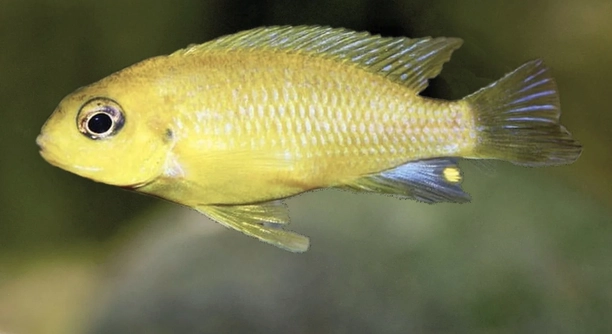
Have you ever noticed how your electric yellow cichlids behave differently at various times of the day? These bright, active fish respond to light, which can influence their mood, appetite, and overall health in subtle ways.
Electric yellow cichlids benefit from a consistent day-night cycle. Providing 10–12 hours of light followed by darkness helps regulate their biological rhythms, reduces stress, and encourages natural behaviors such as feeding, resting, and breeding.
Maintaining a proper light schedule can make a noticeable difference in your aquarium’s harmony and your fish’s well-being over time.
Importance of a Day-Night Cycle
Maintaining a day-night cycle for electric yellow cichlids is more than just turning the lights on and off. These fish have internal rhythms that help them know when to eat, explore, and rest. Without a proper light schedule, they can become stressed or lethargic. Over time, this stress may affect their immune system and increase the risk of disease. In a well-lit environment during the day, cichlids are more active and interact naturally with each other. At night, darkness signals them to slow down, rest, and recover from the day’s activity. A stable cycle also helps mimic their natural environment, which is crucial for breeding and maintaining normal behavior patterns. Adjusting lights gradually instead of abrupt changes can make the transition less stressful. Using timers ensures consistency, even if you are away, helping the fish maintain a steady rhythm without confusion or disturbance from irregular lighting patterns.
Proper lighting schedules promote healthier, more active fish and reduce stress levels significantly.
Even simple changes in lighting can impact your cichlids in noticeable ways. By establishing a routine, you give them structure. Active daylight hours encourage exploration and interaction, while predictable darkness allows resting periods. This balance can enhance feeding habits, improve color vibrancy, and support natural breeding behaviors. Many aquarists overlook lighting, yet it is a fundamental part of creating a stable aquarium environment. Using a timer helps maintain consistency without daily attention. Gradual transitions between light and dark periods reduce sudden stress. Observing your fish during different times can reveal patterns that indicate their comfort level. Adjustments based on these patterns can prevent aggressive or anxious behaviors. Even if your tank is visually appealing, the internal health of your cichlids relies heavily on this subtle environmental cue. In the end, a predictable day-night cycle contributes to both the aesthetic and functional harmony of the aquarium.
Effects of Inconsistent Lighting
Irregular lighting can confuse electric yellow cichlids and disrupt their natural routines.
Inconsistent light patterns may lead to stress, aggression, or loss of appetite. Fish may become restless or hide excessively. Over time, lack of routine can affect growth, immune function, and breeding success. Even minor fluctuations in light intensity or duration can disturb their internal clock. Fish rely on environmental cues to regulate hormone levels, sleep cycles, and behavior patterns. A stable day-night cycle supports energy management and reduces fatigue. When the lighting schedule is erratic, cichlids may struggle to know when to eat, rest, or explore. Stress from poor lighting can make them more susceptible to illness or behavioral problems. Using a timer or automated lighting system ensures consistency, creating a stable environment that mimics natural conditions. Observing their activity can help identify whether adjustments are needed to improve health and maintain normal behavior. Consistent care in this area contributes to overall well-being, keeping your aquarium balanced and your fish thriving.
Choosing the Right Lighting
Proper lighting helps maintain your cichlids’ health and activity. Avoid overly bright bulbs, as they can stress the fish. Soft, natural light works best and encourages normal behavior without overwhelming your aquarium environment.
Selecting lighting involves more than brightness. LED lights are efficient, provide consistent color, and allow control over intensity and duration. Avoid lights that emit too much heat, as they can raise water temperature and disrupt your cichlids’ comfort. Observing how fish respond to different lighting setups helps fine-tune conditions. A balance between light and shadow encourages natural exploration while giving resting areas during the day. Gradual changes in intensity simulate natural sunrise and sunset, reducing sudden stress. Using timers ensures that the light schedule remains consistent, supporting biological rhythms and promoting overall well-being. Even small adjustments can enhance colors and improve fish interactions, making the tank more dynamic without compromising health.
Natural-looking lighting also supports breeding. Bright, harsh lights can inhibit spawning behavior, while balanced light conditions encourage activity and territory establishment. Providing shaded areas helps shy or weaker fish feel secure, preventing aggression. Light positioning matters too—avoid direct reflection on surfaces that might startle fish. Observing your cichlids’ daily habits under different lighting can reveal what works best. Adjustments to light duration, intensity, or color spectrum can influence mood, activity levels, and feeding patterns. Well-planned lighting supports long-term health, color vibrancy, and natural behaviors. Consistent care with lighting makes your aquarium more stable, reducing stress while enhancing overall visual appeal.
Using Timers Effectively
Timers help maintain a predictable schedule for your fish and reduce stress caused by sudden light changes.
Timers create consistency in the aquarium environment, supporting fish routines. Electric yellow cichlids thrive when lights turn on and off at the same time each day. Inconsistent timing can confuse their internal clocks, affecting feeding and resting habits. Using a programmable timer allows gradual transitions between day and night, simulating natural conditions and preventing abrupt changes that may startle the fish. Timers also help manage lighting during vacations or busy days, ensuring the cichlids’ environment remains stable without manual intervention. Consistent light cycles improve behavior, activity, and color vibrancy over time.
Automated timers reduce human error and keep light schedules precise. Manual switching often leads to irregular patterns, disrupting cichlids’ biological rhythms. Timers can be adjusted seasonally to mimic longer or shorter days, reflecting natural conditions in their native habitats. Gradual on-and-off settings reduce sudden shifts, making transitions smoother. Observing fish behavior after implementing timers helps identify whether adjustments are needed. Even minor improvements in lighting consistency can enhance feeding patterns, reduce stress, and encourage natural behaviors such as exploring, resting, and interacting with tank mates. Proper timer use is a simple yet effective method to ensure long-term health and activity.
Adjusting Light Duration
Electric yellow cichlids do well with 10–12 hours of light each day. Too much light can stress them, while too little may reduce activity and dull their colors. Maintaining a consistent schedule is key for healthy behavior.
Gradually increasing or decreasing light helps mimic natural conditions. Sudden changes can confuse the fish and affect feeding and resting patterns. Observing how your cichlids respond allows you to find the ideal light duration.
Impact on Behavior
Proper light duration encourages natural activity patterns, including exploring, feeding, and interacting with other fish. Irregular lighting can lead to hiding, aggression, or lethargy. Fish rely on predictable cycles to regulate their internal clocks. Maintaining consistency improves both mood and energy levels.
Seasonal Adjustments
Light schedules may need minor adjustments to reflect seasonal changes. Matching natural day length helps maintain biological rhythms and supports breeding behavior.
Monitoring Fish Health
Observing cichlids during different lighting conditions reveals stress or behavioral issues. Timely adjustments prevent long-term health problems and promote a stable environment.
FAQ
How long should electric yellow cichlids be exposed to light each day?
Electric yellow cichlids benefit from 10–12 hours of light daily. This range mimics natural conditions and supports their internal biological rhythms. Consistent light periods encourage feeding, activity, and healthy interactions while darkness allows proper rest and recovery.
Can too much light harm my cichlids?
Yes, excessive light can stress fish, making them more prone to hiding, aggression, or erratic swimming. Over time, it may reduce appetite, dull coloration, and weaken the immune system. Using a timer and keeping light duration within recommended limits prevents these issues.
Is it necessary to use a timer for lighting?
While not strictly required, a timer ensures consistency. Electric yellow cichlids rely on predictable light cycles for routine behavior. Timers reduce human error, maintain regular day-night transitions, and prevent sudden shifts that could stress the fish. Gradual on-off timers simulate natural sunrise and sunset.
Can cichlids adapt to irregular lighting schedules?
Cichlids can adapt slowly, but irregular schedules increase stress and may disrupt feeding and resting patterns. Over time, inconsistent light may affect growth, coloration, and overall health. Observing behavior under inconsistent lighting often shows lethargy, hiding, or aggression, highlighting the importance of a steady cycle.
Should I adjust lighting for breeding purposes?
Yes, lighting affects spawning behavior. Providing a balanced day-night cycle and areas of shaded light can encourage breeding. Bright, harsh lights may inhibit spawning, while consistent and natural-looking lighting supports normal reproductive behavior and territory establishment.
Does light intensity matter for electric yellow cichlids?
Light intensity plays a role in comfort and behavior. Bright, harsh light may stress fish, while soft, moderate light promotes natural activity. LED lights are ideal because they offer control over brightness and color, allowing adjustments to suit the tank environment without producing excess heat.
How do I know if my cichlids are stressed by lighting?
Signs of stress include hiding, reduced activity, faded colors, erratic swimming, or refusal to eat. Observing daily patterns helps identify if lighting is the cause. Adjusting duration, intensity, or providing shaded areas can reduce stress and restore normal behavior.
Can timers help during vacations or busy days?
Timers are especially useful when you cannot manually control lighting. They maintain consistent light schedules, preventing disruption to the fish’s routine. Automated systems ensure that fish continue following normal day-night cycles, supporting overall health and activity even in your absence.
Do cichlids need shaded areas even with proper lighting?
Yes, shaded areas offer refuge for shy or weaker fish. These zones reduce stress, prevent aggression, and give fish a place to rest during daylight hours. A combination of open light and shaded areas creates a balanced environment and promotes natural behavior.
Will lighting affect the colors of electric yellow cichlids?
Proper lighting enhances color vibrancy. Inconsistent or insufficient lighting can dull their appearance, while a balanced day-night cycle with moderate intensity encourages bright, natural coloration. Observing your fish under different light settings helps identify the best conditions for vivid colors.
How should lighting be adjusted seasonally?
Seasonal adjustments can mimic longer or shorter days, supporting natural rhythms. Gradually changing the light schedule helps fish acclimate without stress. Minor tweaks to duration or intensity reflect natural environments and promote healthy activity, feeding, and resting patterns throughout the year.
Are there risks if I leave the lights on overnight?
Continuous light disrupts the cichlids’ sleep cycle, causing stress and fatigue. Over time, this can lead to weakened immunity, reduced activity, and behavioral issues. Ensuring a consistent night period allows proper rest and recovery, supporting overall health and well-being.
What type of lighting is best for electric yellow cichlids?
LED lights are recommended for their efficiency, control, and minimal heat output. Soft, natural-spectrum lighting encourages normal activity while preventing stress. Avoid overly bright or harsh lights, and consider shaded areas for balance. Timers further improve consistency and simulate natural conditions.
Can poor lighting affect my cichlids’ appetite?
Yes, inconsistent or harsh lighting can reduce appetite. Fish rely on light cues for feeding schedules, and disruptions may cause irregular eating patterns. Maintaining consistent, moderate lighting ensures that feeding behavior remains regular and supports healthy growth and metabolism.
How do I create a natural light cycle in a home aquarium?
Use timers to schedule 10–12 hours of light followed by darkness. Gradually adjust intensity to mimic sunrise and sunset. Include shaded areas and monitor fish behavior to fine-tune the environment. Consistency, moderate intensity, and observing natural responses create a balanced, stress-free habitat.
Can lighting influence aggression among cichlids?
Yes, inconsistent or overly bright lighting can increase aggression. Fish become stressed or territorial when routines are disrupted. Proper lighting duration and intensity, along with shaded areas, help maintain calm interactions, reduce fighting, and promote a harmonious tank environment.
Are there any signs that lighting is perfect for my fish?
Healthy activity levels, vibrant colors, regular feeding, and natural interactions indicate suitable lighting. Fish explore the tank, rest appropriately during dark periods, and display normal social behavior. Consistent observation helps confirm that lighting supports overall well-being.
What adjustments should I make if I notice stress from lighting?
Reduce intensity, shorten or lengthen light duration gradually, and add shaded areas. Using timers to create smooth transitions between light and dark periods also helps. Monitor fish behavior daily, and make small changes to restore a stable, comfortable environment.
Is it better to mimic natural daylight or keep consistent artificial lighting?
A combination works best. Consistent timing ensures routine, while gradual intensity changes simulate natural conditions. This approach supports internal rhythms, feeding behavior, and natural activity, providing both stability and environmental enrichment for electric yellow cichlids.
How often should I review my lighting setup?
Check lighting every few weeks or whenever you notice behavioral changes. Fish growth, tank changes, or new equipment may require adjustments. Regular monitoring ensures that duration, intensity, and schedule continue to support health, activity, and coloration effectively.
Maintaining a proper day-night cycle is one of the most important factors for keeping electric yellow cichlids healthy and active. These fish are naturally adapted to a rhythm of light and darkness, which helps regulate feeding, resting, and social behavior. Without a consistent light schedule, they may become stressed, hide more often, or show signs of aggression. Even small adjustments in lighting can have a noticeable impact on their behavior and overall health. Using timers to control light duration and intensity can help create a predictable environment. This allows the fish to follow a routine similar to their natural habitat, which supports biological processes and reduces the likelihood of stress-related problems over time. Consistency in lighting is especially important if you plan to breed your cichlids, as unpredictable schedules can interfere with spawning behavior and territorial interactions.
Proper lighting does more than regulate activity; it also affects the colors and appearance of electric yellow cichlids. Fish exposed to consistent, moderate lighting tend to display brighter and more vibrant colors. Too much light can cause fading or stress, while too little light can make them appear dull and less active. Including areas of shade in the aquarium gives fish a place to retreat when they feel overwhelmed, creating a sense of security and helping prevent aggressive behavior. LED lights are a practical choice because they provide stable illumination, low heat output, and adjustable intensity. Observing your cichlids under different lighting conditions allows you to fine-tune the setup to suit their needs. Over time, maintaining a consistent schedule with appropriate light intensity not only enhances their appearance but also encourages natural behaviors, making the aquarium a more lively and harmonious environment.
Attention to lighting details can improve more than just the appearance of your fish; it influences their long-term health and well-being. By keeping the light schedule steady and gradual, you can reduce stress, encourage regular feeding, and support healthy sleep cycles. Seasonal adjustments can be made to simulate longer or shorter days, reflecting natural conditions and maintaining comfort for your cichlids. Monitoring behavior and adjusting as needed ensures that fish remain active, social, and less prone to health issues. Light management is a small but essential part of aquarium care, and investing time in setting it up properly benefits both the fish and the overall environment. Consistent care with lighting, combined with proper nutrition and tank maintenance, creates a stable, vibrant, and healthy habitat where electric yellow cichlids can thrive for years.

Hello,
If you enjoy the content that we create, please consider saying a "Thank You!" by leaving a tip.
Every little bit helps us continue crafting quality advice that supports the health, happiness, and well-being of pets around the world, for pets of all shapes, sizes, and species.
We really appreciate the kindness and support that you show us!