
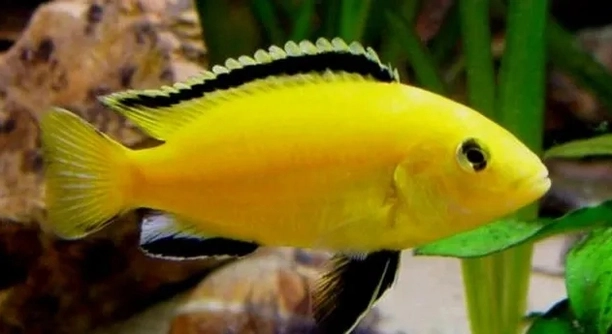
Are you fascinated by vibrant fish but notice your Electric Yellow Cichlids sometimes act aggressively when alone? Observing them in a home aquarium can be rewarding, yet their behavior often changes depending on how they are kept.
Electric Yellow Cichlids generally exhibit more peaceful behavior when maintained in groups of at least six. Group settings reduce territorial aggression, promote social interactions, and help distribute dominance, resulting in a calmer, more stable environment within a home aquarium.
Keeping these fish in groups can create a more balanced tank environment and help reduce stress and aggression among them.
Understanding Electric Yellow Cichlid Behavior
Electric Yellow Cichlids are naturally territorial, especially males, which can lead to chasing or nipping when space is limited. Observing them in a home aquarium often reveals patterns of dominance and submission. Keeping them in groups helps diffuse this tension because no single fish dominates the entire tank. Social interactions become more balanced, allowing fish to establish small territories within the group. When isolated, these cichlids may display heightened aggression toward tank mates or even decorations. Stress from isolation or overcrowding can weaken their immune systems, making them more prone to disease. Providing hiding spots and open swimming areas allows fish to regulate interactions, reducing conflict. Water quality also plays a role; poor conditions can worsen aggressive behavior. Regular monitoring of tank conditions and fish dynamics is essential. Grouping them carefully and observing their behavior ensures a healthier and calmer aquarium environment.
Keeping Electric Yellow Cichlids in groups encourages natural behaviors while reducing harmful aggression, leading to more stable tank dynamics.
Group settings also help new fish adapt more easily, creating a sense of social balance without excessive fighting.
Tips for Maintaining Peaceful Groups
Introduce new fish gradually, allowing them to acclimate to the established group.
When forming a group, it’s important to maintain at least six individuals, preferably with a mix of sexes. Adding too few can increase tension, as dominant fish may harass smaller or weaker members. Providing plenty of rocks, caves, and hiding spaces reduces territorial conflicts by offering separate zones. Feeding should be evenly distributed to avoid competition and aggression over food. Observing the fish during feeding can reveal signs of stress or bullying, allowing timely intervention. Over time, the group will develop a hierarchy that stabilizes social interactions. Water parameters like pH, temperature, and hardness must remain consistent, as fluctuations can trigger stress and increase aggression. Regular tank maintenance, including partial water changes, keeps the environment healthy. Attention to both social and environmental factors ensures Electric Yellow Cichlids remain calm, active, and healthy while thriving in a group.
Tank Setup for Peaceful Groups
A spacious tank with plenty of hiding spots helps reduce aggression among Electric Yellow Cichlids. Rocks, caves, and plants give fish areas to claim, which keeps dominant individuals from harassing others and allows shy fish to feel safe.
Arranging the tank thoughtfully impacts social behavior significantly. Open swimming areas paired with multiple hiding spots help fish navigate interactions without constant conflict. Cichlids establish territories more naturally when boundaries are clearly defined by decor. Overcrowding increases stress and aggression, so consider the adult size and number of fish before adding more. Proper filtration and water flow maintain clean conditions, further reducing stress-related behaviors. Observation is key; notice which areas are heavily claimed and adjust decor to balance space. A well-planned tank allows fish to thrive socially and physically, making daily maintenance easier and more enjoyable.
Regularly checking water quality and rearranging rocks occasionally can prevent dominant fish from establishing permanent, oppressive territories. These small adjustments maintain harmony in the tank and encourage natural social behavior, keeping all group members more relaxed.
Feeding Practices and Social Harmony
Feed small amounts multiple times a day to avoid food competition. Spread food across different tank zones to reduce aggression.
Even distribution of food is critical in group settings. If all food lands in one area, dominant cichlids may chase others away, leading to stress and malnutrition. Using sinking pellets or flakes that float allows fish at different levels to feed without conflict. Rotating food types ensures balanced nutrition and keeps the group healthy. Observing feeding times can help identify overly aggressive individuals early, allowing corrective measures like separating or adding extra hiding spaces. Feeding with care supports both social stability and overall health, reinforcing the benefits of keeping fish in groups.
Ignoring feeding dynamics can result in persistent bullying, stress, and uneven growth rates among fish. By planning feeding carefully and monitoring interactions, fish establish a calmer hierarchy, making the tank environment more peaceful and enjoyable.
Monitoring Aggression Levels
Watch for chasing, nipping, or hiding, which indicate tension among Electric Yellow Cichlids. Early detection helps prevent serious injuries and stress.
Separate overly aggressive fish temporarily if conflicts escalate. Observation is crucial to maintaining harmony in the tank.
Adjusting Group Sizes
Increasing the number of cichlids can dilute aggression. Groups of six or more allow dominance to spread, reducing bullying. Adjusting group composition gradually helps maintain social stability, especially when introducing new fish. Careful planning ensures all individuals coexist more peacefully in the same environment.
Water Quality and Behavior
Stable water conditions support calmer behavior. Fluctuations in pH, temperature, or hardness can trigger stress and aggression in cichlids.
Maintaining clean water, proper filtration, and regular partial water changes keeps fish healthy and reduces tension. A balanced environment encourages natural social interactions and overall well-being for all group members.
FAQ
How many Electric Yellow Cichlids should I keep together?
Keeping at least six Electric Yellow Cichlids together helps reduce aggression. Smaller groups can lead to dominant fish bullying others, while larger groups distribute territorial behavior, creating a calmer tank environment. Make sure the tank is spacious enough to accommodate all individuals comfortably.
Can I mix Electric Yellow Cichlids with other cichlid species?
Mixing with other cichlids is possible, but careful selection is crucial. Choose species with similar temperaments and size to prevent dominance and stress. Introduce new fish gradually, provide hiding spots, and monitor interactions closely to avoid conflicts that could harm the group.
What is the best tank size for a group of Electric Yellow Cichlids?
A minimum tank size of 55 gallons is recommended for six or more fish. Larger tanks allow adequate swimming space, reduce territorial disputes, and make it easier to create multiple hiding zones, which are essential for maintaining peace among the group.
How often should I feed Electric Yellow Cichlids?
Feed small portions two to three times daily. Multiple feedings reduce competition over food and ensure all fish receive proper nutrition. Spread food across the tank so dominant fish do not control access, and rotate food types for balanced health.
Do hiding spots really help reduce aggression?
Yes, hiding spots are essential. Rocks, caves, and plants give fish areas to claim, allowing shy or smaller individuals to avoid constant harassment. This reduces stress and prevents fights, helping the group maintain a stable social structure over time.
What water parameters are ideal for peaceful behavior?
Electric Yellow Cichlids thrive in stable water with a pH of 7.8–8.6, temperature around 75–82°F, and moderate hardness. Sudden changes in these conditions increase stress and can trigger aggressive behavior, so maintaining consistency is key. Regular testing and water changes are recommended.
How can I tell if a fish is too aggressive?
Signs of aggression include chasing, nipping, and preventing others from accessing food or hiding spots. Overly aggressive fish may also isolate others or dominate a particular area. Temporarily separating aggressive individuals or rearranging tank decor can help restore balance.
Is it necessary to rearrange the tank sometimes?
Yes, rearranging rocks and decorations periodically prevents dominant fish from establishing permanent territories. Changing the layout encourages exploration and helps weaker fish find safe zones, reducing ongoing conflicts and promoting a more peaceful group dynamic.
Can stress from aggression affect fish health?
Absolutely. Stress weakens the immune system, making fish more susceptible to disease. Chronic aggression can stunt growth and reduce lifespan. Keeping fish in appropriate group sizes, providing hiding spots, and monitoring behavior all help minimize stress-related health issues.
What should I do when introducing new fish to the group?
Introduce new fish slowly, ideally in a quarantine tank first. Gradually acclimate them to the main tank to reduce stress. Ensure the main tank has enough hiding spots and open swimming space so the established group and newcomers can interact safely without immediate conflict.
How do I maintain harmony long-term?
Monitor behavior, maintain water quality, provide sufficient space, and offer multiple feeding areas. Adjust group sizes if necessary and observe social interactions. Long-term harmony relies on careful attention to both environmental and social factors, allowing Electric Yellow Cichlids to coexist peacefully while displaying natural behavior.
Can the group size be too large?
Yes, overcrowding can increase stress and aggression. Ensure the tank size matches the number of fish, with enough space for swimming and territories. A balanced group size supports calmer behavior, while overpopulation leads to constant disputes and poor water quality.
What signs show my group is stable and peaceful?
A peaceful group swims freely, shares food without constant chasing, and has clearly defined territories. Fish are active but not stressed, hiding only occasionally. Balanced interactions indicate the social structure is healthy and the tank environment supports calm behavior.
How important is observation in keeping a peaceful group?
Observation is critical. Watching fish behavior helps detect early signs of aggression or stress. Timely interventions, like adjusting decor, separating aggressive fish, or modifying feeding routines, prevent small issues from escalating, ensuring a harmonious and healthy aquarium environment for all cichlids.
Can Electric Yellow Cichlids be aggressive even in large groups?
Yes, aggression can still occur, especially during breeding or if space is insufficient. Monitoring interactions, providing hiding spots, and managing food distribution help minimize conflicts, even in larger groups, maintaining a relatively calm and balanced aquarium.
Are there behavioral changes during breeding?
During breeding, males become more territorial, which can increase aggression temporarily. Providing extra hiding spaces and removing fry or eggs to a separate tank can reduce conflicts and protect both the offspring and the group. Careful observation during this time is essential.
How do I handle persistent bullying in a group?
Persistent bullying may require temporarily separating the aggressive fish or rearranging the tank to redistribute territories. In some cases, introducing additional fish can dilute dominance, while ensuring enough space and hiding spots helps weaker fish recover and reduces ongoing stress.
Can tank decorations influence social dynamics?
Yes, decorations create visual boundaries and territories, helping reduce confrontations. Multiple caves and rocks prevent dominant fish from monopolizing space, allowing the group to establish a balanced hierarchy naturally. Regularly assessing and adjusting decorations ensures all fish feel secure.
How does water quality impact group behavior?
Poor water quality increases stress and aggression. High ammonia, nitrite, or nitrate levels irritate fish and provoke fighting. Consistent filtration, regular water changes, and monitoring parameters maintain calm behavior and overall health, supporting a stable and peaceful group environment.
What is the ideal diet to maintain peace and health?
Provide a varied diet including flakes, pellets, and occasional live or frozen foods. Balanced nutrition reduces competition over food and supports strong immune systems. Feeding evenly and consistently encourages calm interactions and promotes overall well-being in the group.
How do I know if my tank is large enough for a group?
Signs include sufficient swimming space, multiple hiding spots, and minimal constant chasing. If aggression persists despite these conditions, consider enlarging the tank or reducing the group size. Proper space is essential for maintaining peace and preventing stress-related health issues.
What role does lighting play in behavior?
Moderate, consistent lighting helps fish establish natural rhythms. Sudden changes in light can stress fish, triggering aggression or hiding. Providing a predictable light cycle supports calm behavior and allows all group members to feel secure in their environment.
Can rearranging tank plants affect aggression?
Yes, plants provide shelter and boundaries. Rearranging or adding plants can break up dominant territories and reduce bullying. Plants also create shaded areas, helping shy fish feel safe while promoting natural exploration and reducing overall tension in the tank.
Is it better to have males and females together?
Yes, a balanced mix encourages social interaction and reduces excessive aggression. Too many males may increase fighting, while too few can cause dominance issues. Observing group dynamics and adjusting ratios ensures calmer, more stable behavior in the tank.
How often should I check tank conditions to prevent aggression?
Daily observation combined with weekly water testing is ideal. Monitoring behavior, water quality, and feeding patterns helps detect early issues. Prompt action prevents stress, aggression, and health problems, maintaining a harmonious environment for Electric Yellow Cichlids.
Can stress from handling increase aggression?
Yes, handling or sudden disturbances can trigger temporary aggression. Minimizing disruptions, using gentle techniques during maintenance, and providing hiding spaces help fish recover quickly and maintain peace within the group.
Do larger tanks always reduce aggression?
Larger tanks help, but only if properly decorated and maintained. Space alone isn’t enough; hiding spots, multiple territories, and balanced group sizes are equally important to reduce aggression and support peaceful social interactions.
How long does it take for a group to stabilize?
Stabilization usually takes several weeks. Fish establish territories, hierarchies, and social routines gradually. Providing space, hiding spots, and proper care accelerates this process. Observation and minor adjustments during the first few weeks help ensure long-term harmony.
Can water flow affect behavior?
Yes, strong currents may stress some fish and increase aggression, while gentle flow encourages natural swimming patterns. Proper filtration and moderate water movement support a calmer, healthier environment for all group members.
What are the signs of a well-adjusted group?
Fish swim freely, feed without competition, and hide occasionally without constant harassment. Minimal chasing and balanced territory use indicate the group has established a stable hierarchy, allowing all individuals to coexist peacefully.
How important is consistency in daily care?
Consistency in feeding, water changes, and observation reduces stress and aggression. Predictable routines help fish feel secure, support health, and maintain calm social interactions, ensuring a harmonious and stable group environment.
Can overcrowding ever be beneficial?
No, overcrowding increases stress, aggression, and poor water quality. Balanced group sizes and proper tank space are essential to prevent conflicts and maintain a healthy, peaceful environment for Electric Yellow Cichlids.
Are all Electric Yellow Cichlids equally aggressive?
No, individual temperament varies. Some fish are naturally dominant, while others are shy. Recognizing personality differences allows for better group management, including tank layout adjustments, feeding strategies, and occasional separation of aggressive individuals.
How can I encourage natural behavior in the group?
Provide varied decor, multiple hiding spots, and a balanced diet. Observe interactions and avoid unnecessary disturbances. Encouraging exploration and establishing clear territories allows fish to display natural behaviors while maintaining peace in the tank.
What should I do if aggression persists despite all measures?
Persistent aggression may require removing overly dominant fish or increasing tank size. Adjusting group composition, adding hiding spots, or providing more food distribution can help. Monitoring behavior and making gradual changes supports long-term stability and reduces stress for all fish.
How do I maintain a healthy social hierarchy?
Provide enough space, hiding spots, and even feeding. Observe interactions, rearrange decor as needed, and separate aggressive individuals temporarily. A balanced mix of males and females also contributes to a stable hierarchy, reducing conflicts and promoting peaceful coexistence.
Can stress from illness trigger aggression?
Yes, sick or weakened fish may become targets or act aggressively. Treating illness promptly and isolating affected fish when necessary prevents stress-related aggression and protects the overall health of the group.
How does breeding affect group peace?
Breeding increases territorial behavior in males and can lead to temporary spikes in aggression. Providing extra hiding spots, separating fry if needed, and monitoring interactions help maintain harmony and protect both offspring and the adult group.
Do Electric Yellow Cichlids require special care compared to other cichlids?
They require similar care but are more sensitive to social dynamics. Maintaining proper group sizes, tank setup, and water conditions is crucial to prevent aggression and ensure a peaceful environment, supporting both their health and natural behavior.
How often should I rotate feeding locations?
Rotating feeding areas prevents dominant fish from controlling access. Spreading food across the tank encourages all fish to eat safely, reduces stress, and supports even growth and calm social interactions.
Can tank mates affect aggression?
Yes, incompatible species can trigger stress and fights. Selecting tank mates of similar temperament and size, providing hiding spots, and monitoring interactions help maintain peace and reduce conflict within the aquarium.
Is it normal for aggression to fluctuate daily?
Yes, minor fluctuations occur due to mood, feeding, or environmental changes. Consistent monitoring and maintaining stable conditions minimize stress-related aggression and support long-term harmony in the group.
How do I identify bullying early?
Watch for fish that are consistently chased, isolated, or unable to access food or hiding spots. Early identification allows intervention through separation, decor adjustments, or feeding strategies, preventing escalation and protecting weaker fish.
What is the role of water temperature in aggression?
Temperatures outside the recommended range increase stress and can provoke fights. Maintaining a stable temperature around 75–82°F supports calm behavior, healthy metabolism, and predictable social interactions.
Can frequent tank cleaning affect behavior?
Yes, aggressive cleaning or sudden changes can stress fish. Using gentle methods, partial water changes, and minimizing disturbances helps maintain peace while keeping the environment clean and healthy.
Does personality impact group stability?
Absolutely, dominant or timid personalities influence interactions. Recognizing these traits allows for better tank planning, including group composition, hiding spots, and feeding strategies, ensuring a balanced and peaceful environment.
Can lighting changes trigger aggression?
Sudden bright lights or rapid changes can stress fish and increase fighting. Consistent, moderate lighting supports calm behavior and allows fish to establish territories without constant disruption.
Is observation more important than tank size?
Both matter, but observation ensures timely interventions. Even in a large tank, aggressive behavior can persist if not monitored. Watching interactions, feeding, and stress signs is essential for maintaining harmony and overall health.
How can I prevent aggression during water changes?
Perform changes gradually and gently. Avoid sudden temperature or chemical shifts, and minimize disturbances. Providing hiding spots during maintenance helps fish feel secure and reduces stress-induced aggression.
What adjustments help when adding more fish?
Add new fish slowly, ensure hiding spots, and monitor interactions. Gradually introducing fish reduces immediate aggression and allows the group to establish a stable hierarchy with minimal stress.
Are shy fish at risk in groups?
Yes, shy or smaller fish can be bullied. Providing hiding spaces, spreading food, and occasionally rearranging decor helps them access resources safely and reduces stress, supporting peaceful coexistence.
How can I tell if my tank setup is effective?
Fish swim freely, eat without excessive competition, and hide occasionally. Minimal chasing and balanced territory use indicate the setup supports natural behavior and maintains peace among Electric Yellow Cichlids.
What are common mistakes that increase aggression?
Overcrowding, insufficient hiding spots, uneven feeding, and unstable water conditions all provoke fights. Correcting these issues through careful observation and adjustments maintains harmony and promotes healthy group dynamics.
Is it necessary to separate fish during illness or breeding?
Yes, separating sick or breeding fish protects both the individual and the group. It reduces stress, prevents bullying, and ensures offspring safety, supporting overall tank stability.
How long should I monitor a new group for aggression?
Several weeks is ideal. Observing interactions, feeding behavior, and territory establishment ensures the group stabilizes. Minor adjustments during this period help prevent long-term conflicts and stress.
Does tank décor influence feeding behavior?
Yes, strategically placed decorations reduce competition over food by creating multiple feeding zones. Fish can access food safely, minimizing aggression and ensuring even nutrition throughout the group.
Can group composition change over time?
Yes, individual behavior and dominance can shift. Adding or removing fish, or adjusting males and females, may be necessary to maintain balance. Regular observation ensures continued harmony and reduces stress-related aggression.
How does age affect aggression?
Juveniles may be less aggressive but become more territorial as they mature. Adjusting group sizes, tank space, and decor over time accommodates these changes, keeping interactions stable and peaceful.
What role does water hardness play in behavior?
Stable moderate hardness supports healthy metabolism and reduces stress-induced aggression. Sudden shifts can provoke conflicts, so monitoring hardness ensures a calm and balanced environment.
Are there seasonal changes in aggression?
Some fish show slight seasonal variations linked to breeding cycles or water conditions. Maintaining consistent care, hiding spots, and feeding routines helps manage aggression regardless of these fluctuations.
Can aggression ever be completely eliminated?
No, some level of territorial behavior is natural. The goal is to manage it so interactions remain balanced and stress is minimized, allowing all fish to coexist peacefully.
How can I make observation easier?
Spend time near the tank during feeding and active periods. Note behavior patterns, areas of conflict, and shy fish locations. Small notes help track changes and make timely adjustments for a harmonious group.
How important is consistent maintenance?
Regular water changes, tank cleaning, and feeding routines reduce stress and aggression. Consistency ensures fish feel secure, supporting natural social behaviors and a peaceful group dynamic.
Can overfeeding reduce aggression?
Overfeeding can actually increase aggression as fish compete for excess food. Balanced, distributed portions encourage calm feeding behavior and prevent disputes over resources.
Does tank shape influence aggression?
Yes, longer tanks allow better territory distribution, reducing direct confrontations. Vertical or crowded setups may increase conflicts. Planning layout and decorations based on tank shape helps maintain peace.
What role does personality play in introducing new fish?
Dominant or shy personalities influence acceptance of newcomers. Gradual introduction, ample hiding spots, and monitoring interactions help the group integrate new members without escalating aggression.
How long does it take for shy fish to adapt?
Shy fish may need several days to weeks to explore and establish safe zones. Providing shelter and reducing stressors helps them gain confidence and participate in group dynamics safely.
Can breeding pairs disrupt group peace?
Yes, breeding pairs are highly territorial. Extra hiding spots and occasionally separating fry protect both the pair and other fish, reducing stress and maintaining overall harmony.
Does color or size affect aggression?
Larger or more brightly colored fish may dominate others. Careful selection and monitoring help ensure no individual consistently bullies others, keeping social interactions balanced.
How can I prevent long-term dominance issues?
Regular observation, rearranging decor, rotating food locations, and maintaining proper group size prevent long-term bullying. Addressing early signs of dominance maintains peace and reduces stress for all fish.
Are hiding spots more important than tank size?
Both are important, but hiding spots allow fish to escape aggression even in smaller tanks. Adequate space combined with well-placed shelters promotes calm and natural behavior among the group.
Can stress from illness increase bullying?
Yes, sick fish are more vulnerable and may be targeted. Prompt treatment, isolation when needed, and careful observation protect the group from stress-induced aggression.
How do I encourage peaceful interaction during breeding?
Provide extra hiding spots and separate fry when necessary. Reducing stress and minimizing disruptions allows breeding pairs to protect their territory while maintaining group stability.
Is there a difference between males and females in aggression?
Males are generally more territorial, especially during breeding. Females are less aggressive but may defend eggs or fry. Balancing the number of males and females helps maintain a calmer group.
How often should I check for bullying?
Daily observation during feeding and active periods is ideal. Early detection allows intervention through separation, decor adjustments, or feeding strategies, preventing escalation and stress.
Does feeding type affect aggression?
Yes, slow-dispersing foods like flakes or sinking pellets reduce competition. Even distribution and variety prevent dominant fish from monopolizing resources, supporting calm social behavior.
Can rearranging rocks help shy fish?
Yes, rearranging rocks creates new territories and escape routes, helping timid fish feel secure and participate safely in the group. This reduces stress and promotes balanced social interactions.
How can I maintain a peaceful group long-term?
Monitor behavior, maintain water quality, provide hiding spots, distribute food evenly, and adjust group
Keeping Electric Yellow Cichlids in groups requires careful attention to their natural behavior and environment. These fish are naturally territorial, especially males, but maintaining a proper group size helps reduce conflicts. Groups of six or more allow dominance to be spread among multiple individuals, creating a calmer social structure. Providing a spacious tank with open swimming areas and plenty of hiding spots gives fish room to explore while avoiding constant stress. Rocks, caves, and plants act as boundaries that help shy or smaller fish avoid being harassed. Overcrowding or a lack of shelter can increase aggression, so paying attention to the number of fish relative to tank size is essential. Maintaining stable water conditions with consistent temperature, pH, and hardness also supports calmer behavior and overall health. Even small fluctuations can provoke stress, leading to unnecessary fights and weakened immune systems. Regular water testing and partial water changes help ensure a stable environment where fish can thrive.
Feeding practices also play an important role in promoting peaceful behavior. Providing small portions multiple times a day reduces competition and ensures that all fish have access to food. Spreading food across different areas of the tank prevents dominant fish from monopolizing feeding zones. A varied diet, including flakes, pellets, and occasional frozen or live foods, supports balanced nutrition and encourages calm social interactions. Observing feeding times can help identify aggressive behavior early, allowing timely intervention. Fish that are bullied or denied food can become stressed and less healthy over time, so careful monitoring is important. Feeding strategies, combined with proper tank layout and environmental enrichment, create a balanced space where fish can coexist. Over time, these practices help establish a natural social hierarchy, where dominant fish share space and resources more evenly, contributing to a peaceful group dynamic.
Maintaining a group of Electric Yellow Cichlids requires consistent observation and ongoing adjustments. Aggression can still occur even in well-planned tanks, particularly during breeding periods or when new fish are introduced. Temporarily separating overly aggressive individuals, rearranging decorations, or adjusting group composition can prevent conflicts from escalating. Observing fish behavior daily, paying attention to hiding patterns, chasing, or nipping, and making small changes as needed ensures that the group remains stable. Creating a calm environment benefits both the physical and mental well-being of the fish, allowing them to display natural behaviors without constant stress. By balancing group size, providing sufficient hiding spots, maintaining stable water conditions, and monitoring feeding and social interactions, it is possible to maintain a peaceful aquarium. With patience and careful planning, Electric Yellow Cichlids can coexist harmoniously, providing a visually vibrant and dynamic tank that reflects their natural behaviors while minimizing aggression.

Hello,
If you enjoy the content that we create, please consider saying a "Thank You!" by leaving a tip.
Every little bit helps us continue crafting quality advice that supports the health, happiness, and well-being of pets around the world, for pets of all shapes, sizes, and species.
We really appreciate the kindness and support that you show us!