
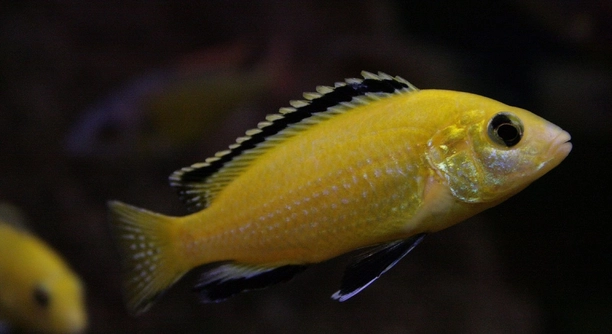
Keeping fish healthy can be challenging, especially when subtle signs of illness are easy to miss. Observing their behavior and appearance carefully helps ensure they thrive in a clean and safe environment. Regular attention is key.
Recognizing sick fish involves monitoring changes in appearance, swimming patterns, and appetite. Early detection of symptoms such as discoloration, clamped fins, or unusual lethargy allows for timely intervention and improves chances of recovery. Consistent observation is essential.
Paying attention to these signals helps prevent small issues from becoming serious problems. Learning what to look for will make caring for your fish easier and more effective.
Changes in Swimming Behavior
Fish that are sick often show noticeable changes in how they swim. They may float near the surface, stay at the bottom, or swim erratically in circles. Some may struggle to maintain balance or tilt sideways while moving. These behaviors indicate stress or internal problems. It can be subtle at first, but over time, it becomes easier to notice. Even slight tremors or irregular movements can signal a problem. Observing fish during feeding times is particularly useful, as differences in movement become more apparent. Sick fish may also isolate themselves from others or hide more frequently. These behavioral shifts are often the earliest warning signs of illness. Paying attention to these patterns helps in responding before conditions worsen. Overlooking these signs can lead to serious health issues that are preventable with timely care. Consistent observation is essential for maintaining a healthy aquarium.
Noticing irregular swimming early allows you to take steps to treat or separate the fish quickly.
Prompt action includes checking water quality, adjusting temperature, and isolating affected fish to prevent the spread of illness. Proper observation combined with environmental care is key to recovery.
Changes in Appetite
A noticeable loss of appetite is one of the clearest signs of illness in fish. Sick fish often refuse food or eat significantly less than usual. This behavior is easy to monitor during feeding times. Reduced appetite can indicate infections, parasites, or stress. It can also result from poor water conditions or sudden changes in the environment. Sometimes, fish may nibble but not consume enough, signaling digestive issues or discomfort. Paying attention to how much and how quickly fish eat helps in spotting these problems. Changes in feeding behavior often appear before physical symptoms like discoloration or fin damage. It’s important to observe patterns over several days rather than a single feeding. Consistently monitoring appetite provides a reliable measure of health. Early detection through feeding habits improves the chances of recovery and reduces complications. Adjusting diet and water quality based on these observations supports fish well-being.
Appetite changes are usually the first visible indicator of health issues and require careful monitoring to prevent deterioration.
When fish stop eating, it is essential to check water parameters such as pH, temperature, and ammonia levels. Illnesses like ich, fin rot, or internal parasites often manifest as appetite loss. Providing small, high-quality meals and isolating affected fish can reduce stress. Observing how fish respond to feeding over multiple days helps determine if the issue is temporary or a sign of disease. Maintaining clean tanks and avoiding sudden environmental changes support a quicker recovery. This approach ensures the fish regain strength while minimizing the risk of spreading illness to others in the aquarium. Regular observation of feeding habits paired with proper care is a practical and effective method for keeping fish healthy.
Discoloration and Spots
Discoloration or unusual spots on a fish’s body often signal illness. Pale patches, red streaks, or white dots can appear on fins or scales. These changes usually indicate bacterial or fungal infections, parasites, or poor water conditions. Early detection is important.
Color changes can be gradual or sudden. Fungal infections often appear as fuzzy white growths, while bacterial infections can show as red streaks or sores. Parasites sometimes leave tiny white spots scattered across the body. Poor water quality, such as high ammonia or nitrite levels, weakens the fish’s immune system, making them more susceptible to visible symptoms. Regular observation of coloration, along with maintaining clean water, helps prevent these issues. Healthy fish typically display vibrant and consistent colors, so even slight fading or patchiness should be taken seriously. Quick action, including isolation and treatment, reduces stress and improves recovery chances. Monitoring water parameters and keeping tanks clean are key preventive measures.
Fading colors often indicate stress or illness, so it’s important to observe fish regularly and act promptly when changes appear.
Clamped Fins
Clamped fins, when a fish holds its fins close to the body, are a common sign of stress or disease. It indicates discomfort, poor health, or unsuitable water conditions.
Fish with clamped fins often appear smaller or less active. This condition can result from ammonia spikes, temperature changes, or bacterial infections. It is often accompanied by other signs like lethargy or loss of appetite. Clamped fins reduce mobility, making fish more vulnerable to predators or further illness. Treating the underlying cause, whether adjusting water conditions or administering medication, usually restores fin posture. Observing fin position daily helps in catching issues early.
Long-term clamping can weaken fins and lead to infections. Maintaining stable water parameters, providing balanced nutrition, and isolating sick fish when necessary improves recovery. Proper filtration, frequent water tests, and careful feeding routines prevent stress-related fin clamping. Regular tank maintenance supports overall fish health and reduces the risk of chronic fin problems. Prompt attention when clamping appears helps prevent complications and ensures fish remain active and healthy.
Rapid Gill Movement
Rapid gill movement is often a sign of stress or oxygen deficiency. Fish may gasp at the surface or breathe faster than usual. Poor water quality, overcrowding, or disease can cause this behavior and requires immediate attention.
Observing gill movement daily helps identify early health issues. Addressing water conditions or providing aeration can reduce stress.
Unusual Hiding
Fish that hide more than usual may be feeling unwell or stressed. They often stay behind decorations, plants, or corners of the tank, avoiding other fish and activity. This behavior is often accompanied by reduced movement and appetite. Hiding is a protective response to discomfort or illness, signaling a need for closer monitoring.
Frayed or Torn Fins
Frayed or torn fins indicate damage or disease. This can result from aggression, poor water quality, or bacterial infections. Observing fin edges regularly helps detect problems early. Treating the environment and isolating affected fish prevents further deterioration and promotes healing.
Lethargy
Lethargic fish move less and may rest at the bottom. This behavior often signals illness, stress, or poor water conditions. Prompt observation and care are necessary to restore normal activity and prevent worsening health.
FAQ
How can I tell if my fish is sick?
You can tell if a fish is sick by observing its behavior, appetite, and physical appearance. Common signs include clamped fins, discoloration, rapid gill movement, frayed fins, hiding, lethargy, and unusual swimming patterns. Changes in normal activity or appearance are often the earliest warning signals. Paying attention during feeding and daily observation helps catch problems early.
What should I do if my fish shows signs of illness?
The first step is to check water quality, including pH, ammonia, nitrite, and nitrate levels. Make sure the temperature is stable and suitable for the species. Isolate the sick fish if necessary to prevent spreading disease. Depending on symptoms, treatment may involve medicated food, antibiotics, or antifungal solutions. Always follow recommended dosages carefully.
Can water quality cause fish to get sick?
Yes, poor water quality is one of the most common causes of illness. High ammonia, nitrite, or nitrate levels, low oxygen, or extreme temperature fluctuations stress fish and make them more susceptible to disease. Regular water tests, partial water changes, and proper filtration prevent many health issues.
How long does it take for a sick fish to recover?
Recovery time depends on the type of illness and how early it is detected. Minor infections may improve within a few days with proper care, while severe bacterial or parasitic infections can take weeks. Consistent treatment and maintaining optimal water conditions speed up recovery.
Do all fish show the same symptoms when sick?
No, symptoms vary depending on the species and type of illness. Some fish may hide, while others swim erratically or lose color. Observing each fish individually and knowing their normal behavior makes it easier to detect changes.
Is it safe to keep sick fish with healthy ones?
It’s not recommended to keep sick fish with healthy ones. Many diseases are contagious, and close contact increases the risk of spreading infections. Isolating the affected fish in a separate tank or quarantine area helps protect the rest of your aquarium.
Can stress make my fish sick?
Yes, stress weakens the immune system and makes fish more prone to infections. Common stress factors include overcrowding, aggressive tank mates, poor water quality, and sudden changes in the environment. Reducing stress by providing hiding spots, maintaining proper water conditions, and careful tank management supports overall health.
How often should I monitor my fish for signs of illness?
Daily observation is ideal. Watch for changes in swimming, appetite, and appearance. Early detection makes treatment easier and more effective. Checking water quality at least once a week is also important, as poor conditions can lead to illness before visible symptoms appear.
Are there preventive measures to avoid fish getting sick?
Yes, preventive care is crucial. Maintain clean water, avoid overfeeding, provide a balanced diet, monitor tank mates for aggression, and quarantine new fish before adding them to the main tank. Regular observation and proper maintenance reduce the risk of most common diseases.
Can diet affect fish health?
Absolutely. Poor nutrition weakens fish and increases susceptibility to illness. Offer a varied and species-appropriate diet, avoid overfeeding, and include high-quality proteins and vitamins. Healthy fish are more resilient and recover faster from minor illnesses.
When should I consult a professional?
Consult a veterinarian or aquatic specialist if symptoms persist despite proper care, if multiple fish are affected, or if you notice severe physical issues like sores, bleeding, or severe fin rot. Professional guidance ensures correct diagnosis and treatment.
Is it normal for fish to sometimes hide or eat less?
Occasional hiding or reduced appetite can be normal, especially during molting, spawning, or after tank changes. However, consistent or extreme behavior changes are usually a sign of stress or illness and should be addressed promptly.
Can I treat fish illness without medication?
Some minor issues, like mild stress or slight water quality problems, can improve with environmental adjustments alone. Regular water changes, proper aeration, and improved diet sometimes resolve mild problems without medicine. More serious infections usually require specific treatments to prevent worsening conditions.
How can I prevent contagious diseases in my tank?
Quarantine new fish, disinfect equipment, avoid overstocking, and maintain excellent water quality. Promptly isolating any sick fish and keeping the tank clean minimizes the chance of contagious diseases spreading to healthy fish.
What are the most common fish diseases to watch for?
Common illnesses include ich (white spot disease), fin rot, fungal infections, bacterial infections, and parasites. Symptoms often include spots, frayed fins, clamped fins, discoloration, lethargy, or unusual swimming. Knowing these signs allows for early intervention and better treatment outcomes.
Can multiple health issues occur at the same time?
Yes, stress, poor water quality, and infections can combine, making symptoms more complex. Fish may show several signs simultaneously, such as discoloration, lethargy, and loss of appetite. Careful observation and addressing all underlying factors are necessary for full recovery.
How important is tank size in fish health?
Tank size affects stress levels and water quality. Overcrowded tanks increase competition for food, oxygen, and territory, leading to stress and higher risk of illness. Providing sufficient space for each fish species supports overall health and reduces aggressive behaviors.
Are some fish more prone to illness than others?
Yes, some species are naturally more delicate or sensitive to water changes. Tropical fish, for example, often require more stable conditions than hardy species like goldfish. Knowing your fish’s specific needs helps prevent unnecessary stress and illness.
Can environmental changes trigger sickness?
Sudden changes in temperature, lighting, or water chemistry can stress fish and weaken immunity. Gradual adjustments and stable conditions reduce the likelihood of illness. Providing hiding spots and consistent routines helps fish cope with minor changes.
What role does quarantine play in fish health?
Quarantine protects both new and existing fish. Isolating new arrivals for a few weeks allows monitoring for illness before introducing them to the main tank. It prevents the spread of diseases and gives time to treat any issues without affecting other fish.
Caring for fish requires attention, patience, and observation. Fish cannot tell us when they feel unwell, so it is up to us to recognize the signs of illness. Regularly watching their behavior, appearance, and appetite allows problems to be spotted early. Even small changes in swimming patterns, color, or energy levels can indicate that a fish is under stress or developing an illness. By being consistent in observation, you can prevent minor issues from turning into serious health problems. Keeping notes on feeding habits and daily activity can be helpful for tracking changes over time. This approach ensures that any unusual behavior is noticed and addressed promptly, rather than overlooked until the condition worsens.
Maintaining a clean and stable environment is just as important as noticing symptoms. Water quality, temperature, and tank conditions play a crucial role in fish health. Frequent testing and regular water changes keep the environment safe and reduce stress, which is one of the main factors that make fish vulnerable to illness. Providing enough space, proper filtration, and hiding spots allows fish to feel secure and reduces aggressive interactions. Stress can appear in subtle ways, such as hiding, clamped fins, or reduced appetite, so controlling the environment helps prevent these issues. Even seemingly healthy fish benefit from a consistent and stable tank, as it strengthens their immune system and makes them more resilient to minor infections or temporary changes.
Prompt action when a problem is detected can make a significant difference in recovery. Isolating sick fish, adjusting water conditions, or administering treatment quickly improves the chances of a full recovery. Observing feeding behavior, fin condition, coloration, and movement patterns gives valuable insight into the severity of the issue. Patience is key, as recovery can take time depending on the illness. Small, consistent measures, such as keeping water clean, feeding a balanced diet, and minimizing stress, are effective long-term strategies. Paying attention to these factors allows for a healthier, more active aquarium and helps prevent recurring illnesses. By combining careful observation with proper care, fish can thrive and live longer, healthier lives, making the effort of monitoring and maintaining the tank worthwhile.

Hello,
If you enjoy the content that we create, please consider saying a "Thank You!" by leaving a tip.
Every little bit helps us continue crafting quality advice that supports the health, happiness, and well-being of pets around the world, for pets of all shapes, sizes, and species.
We really appreciate the kindness and support that you show us!