
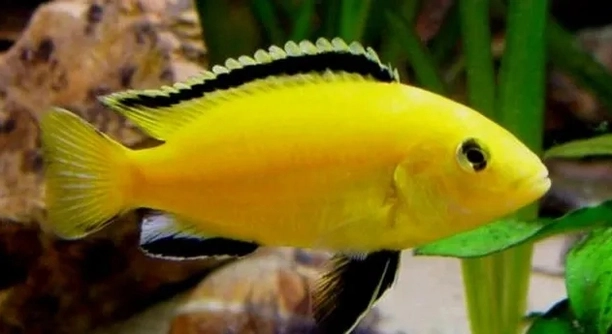
Have you ever watched your electric yellow cichlids glide through the tank and wondered what their shifting behavior might mean as they move, pause, and interact with their surroundings in noticeable ways each day today.
Electric yellow cichlids display behavior patterns that resemble mood shifts, yet these actions are primarily responses to environmental factors, social interactions, and physiological states. Their vivid changes in activity, coloration, and posture reflect adaptive communication rather than human-like emotional expression.
As you explore their everyday habits, you will find how subtle patterns can reveal meaningful insights into their underwater world.
Behavior Patterns and Influencing Factors
Electric yellow cichlids often show shifts in activity that can seem emotional, yet these changes usually reflect simple needs. When I observe them, I notice how lighting, tank layout, and social structure shape their responses. A crowded tank makes them more defensive, while open spaces encourage smoother movement. Feeding times bring bursts of energy as they anticipate food, and stable water conditions help them remain calm. Even small alterations like rearranged rocks or slight temperature shifts can prompt changes in their posture. These patterns may look like mood swings, but they come from how the fish react to each condition. Recognizing these links helps you understand what your fish need. It also allows you to adjust their space in a way that supports steady behavior. By paying attention to these cues, you can create a more comfortable setup that keeps your cichlids active without unnecessary stress in their daily routine.
These behaviors form a clear pattern shaped by conditions in the tank. When you watch closely, you can tell how each change affects them, making it easier to see what supports calm behavior and what triggers more active responses. With simple adjustments, their reactions become more stable over time overall.
Understanding these patterns helps you respond to your cichlids with confidence. When I make small changes to the tank, I can see immediate effects in their activity levels, which shows how sensitive they are to their surroundings. Clean water, balanced groups, and safe hiding places encourage steady behavior that feels natural for them. If something shifts too quickly, they may appear restless, but this often settles once conditions return to normal. By keeping their space predictable, you support healthier routines and reduce stress. This awareness strengthens your connection to their needs and helps you care for them with clarity daily.
Social Dynamics and Signals
Social interactions play a major role in how electric yellow cichlids behave each day. Dominance, pairing, and territory shape their actions in ways that can seem emotional, yet these responses come from instinctive communication patterns that help them manage space and maintain order among other fish in the tank effectively.
Social structure affects how these fish express themselves in their environment, and recognizing this can help you understand their behavior more clearly. When groups are balanced, they move with ease and show smoother interactions that reflect their comfort. If the group becomes uneven, you may notice more chasing or posturing as they reestablish space. These reactions can look dramatic, yet they are simply methods for keeping order. I often adjust the tank layout to give them extra hiding spots, which reduces tension and helps them settle. Stable water quality also supports peaceful behavior, since stress rises quickly when conditions fall out of balance. Feeding times can create brief excitement, but this usually fades as soon as the food is gone, showing how strongly their responses connect to basic needs. If new fish are introduced, temporary shifts in behavior are normal until they sort out their roles. By observing these interactions, you gain a clearer sense of what helps them stay calm. Paying attention to these signals not only keeps your cichlids healthier but also allows you to create an environment where they can move comfortably. With consistent care, their behavior becomes easier to read, giving you a better understanding fully.
Environmental Stress Indicators
Subtle behavior shifts often show when electric yellow cichlids experience stress. Rapid swimming, hiding more than usual, or slight color fading can appear during unstable conditions. I notice these signs quickly when something in the tank feels off, and they help me act before problems grow.
When stress appears, it usually connects to water quality, sudden changes in lighting, or disruptions in their social balance. I often check filtration, temperature, and spacing to see what needs adjustment. Even small issues can make them react strongly, so steady conditions matter a lot. By keeping their environment predictable, their movements stay calmer, and their colors remain steady. Watching these signals closely gives you a clearer sense of how they feel inside their space and what small changes can guide them back to comfort.
Stable routines help them settle faster when something changes unexpectedly. Clean water, gentle lighting, and familiar hiding places reduce sudden reactions and keep their day steady. I have seen how quickly they relax once their tank feels secure again. Their behavior becomes more fluid, and their interactions soften. These small improvements support their well-being and create a healthy rhythm that feels natural for them.
Communication Through Movement
Their movements can show how they interact with each other each day. Short bursts of speed, gentle turns, or slight shifts in posture reveal how they respond to fish nearby. When the tank is calm, these small motions appear smooth and steady, reflecting their comfort in the space.
Body language plays a major part in how they express themselves, and paying attention to it helps you understand what they need. I often see how fin positioning or subtle color brightening signals excitement, caution, or curiosity. When space feels tight, their movements sharpen, showing the need for more room or better hiding spots. Balanced groups lead to softer motions, encouraging stable interactions. If new fish enter the tank, the first movements may seem tense, but they usually relax once roles settle. By noticing how each action connects to their surroundings, you can adjust their setup with confidence and help them remain steady in their daily routine.
Color Changes as Signals
Color shifts often appear during moments of excitement or tension. I notice brighter tones when they feel confident, especially during feeding or mild social interactions. Faded colors usually show when something feels unstable, making it easier to understand when they need calmer surroundings.
These visual cues help you react quickly. When colors soften or darken, it can mean the tank requires small adjustments. A stable environment brings their natural brightness back, showing they feel secure. With steady care, these color changes become familiar signals that guide your understanding.
Feeding Behavior and Mood
Feeding time reveals a lot about how electric yellow cichlids feel in their space. When they move with steady energy and show eager but controlled responses, it often means the tank conditions support their comfort. If they hesitate, eat less, or dart around nervously, I usually check water quality or recent social shifts. Even slight disruptions can alter their appetite and pace. By keeping feeding routines consistent and offering small, manageable portions, their behavior stays balanced. Watching how they approach food helps you track subtle changes and respond before stress becomes more noticeable.
Territory and Comfort
Territorial actions often show how comfortable they feel. When they claim a spot calmly and maintain it without constant chasing, the environment supports their needs. If guarding becomes aggressive, it usually means they need more space or additional hiding areas.
FAQ
Do electric yellow cichlids show real emotions like humans?
Electric yellow cichlids do not experience emotions in the same way humans do. Their behavior often reflects responses to their environment, social interactions, or physical needs. When I watch them, I notice patterns that look like excitement or stress, but these are natural reactions to stimuli rather than feelings in the human sense. Bright colors, fast swimming, or hiding are adaptive strategies that help them survive and communicate with other fish. Observing these patterns closely lets me adjust their space to keep them comfortable and reduce unnecessary tension in the tank.
Why does my cichlid sometimes act moody?
What appears as moodiness usually stems from environmental or social changes. I have seen them act restless after water changes, rearranged decorations, or when new tank mates are introduced. Even slight temperature shifts can trigger more active or withdrawn behavior. These changes are not emotional mood swings but practical reactions to maintain balance and security in their space. Recognizing these cues helps me manage the tank better and provide hiding places or space adjustments so the fish remain calm and steady.
Can stress change their colors?
Yes, stress often impacts coloration. When my cichlids feel tense or unsafe, their bright yellow tones may fade slightly, and darker patches can appear along their body. This shift signals that something in the environment needs attention. Calm, stable conditions bring their natural brightness back quickly. Color changes are a reliable signal for monitoring overall tank health and social stability. By keeping water parameters consistent and reducing sudden disturbances, I notice they retain vibrant colors and display steadier behavior overall.
How do cichlids communicate with each other?
Electric yellow cichlids use movement, posture, and subtle color shifts to interact. When I watch them, I notice fin displays, chasing, or body alignment that signals dominance, submission, or curiosity. These interactions prevent conflict and help maintain social order in the tank. By observing their signals, I can predict when conflicts may arise and intervene by rearranging hiding spots or adjusting group size. Understanding these communication methods allows me to create a more stable environment where fish coexist peacefully.
Why do they hide more sometimes?
Hiding is often a response to perceived threats or stress. When I notice a fish staying behind rocks or plants, it usually means the area feels unsafe or there is tension from other tank mates. Even minor disruptions, like sudden lighting changes, can trigger hiding. Providing ample shelter and predictable routines helps them feel secure and reduces prolonged hiding behavior. Watching how long and how often they hide gives me insight into their comfort level and whether environmental adjustments are necessary.
Do they recognize me or respond to my presence?
While cichlids do not form emotional bonds like mammals, they can recognize patterns in human interaction. I have observed my fish swim toward the tank when I approach at feeding times, showing anticipation rather than affection. Repeated routines create familiarity, helping them feel safe and reducing stress during handling or maintenance. Understanding these behavioral cues helps me manage feeding and tank care more effectively while maintaining a calm environment.
Can environmental enrichment affect their behavior?
Yes, adding structures, plants, or rocks can improve their confidence and reduce aggressive displays. When I introduced extra hiding spots, I noticed more balanced interactions and fewer chases. Enrichment provides both physical stimulation and security, which supports steady behavior. Regularly updating the tank layout in small ways keeps them active and reduces stress, making it easier to interpret their natural behavioral signals.
How can I tell if my cichlid is happy or comfortable?
Comfort is reflected in steady swimming, consistent coloration, and controlled interaction with tank mates. I watch for smooth movements, confident exploration, and normal feeding responses. Sudden changes in speed, color, or posture often indicate stress or discomfort. Monitoring these cues daily helps me maintain stable water conditions, proper group balance, and a well-structured tank. Observing these behaviors over time gives a reliable sense of their overall well-being.
Do cichlids have favorite areas in the tank?
Yes, they often claim favorite spots for feeding, resting, or hiding. When I see a fish returning to the same rock or plant consistently, it usually indicates comfort and security. Recognizing these preferences allows me to place decorations thoughtfully, ensuring each fish has space to retreat and reducing territorial conflicts. These preferred areas also give insight into social dynamics within the tank.
How long does it take for behavior to normalize after changes?
Behavior adjustment varies depending on the change. I notice minor shifts, like moving decorations, take a few hours for them to settle, while introducing new tank mates may require several days. Providing stable conditions and enough hiding spaces speeds recovery. Observing interactions and gradually reintroducing stimuli helps maintain steady behavior without long-term stress.
Electric yellow cichlids are fascinating creatures that respond strongly to their surroundings. Their behavior often appears expressive, but most actions are practical reactions to environmental conditions, social interactions, and physical needs. Watching them closely reveals patterns in movement, color changes, and posture that signal their comfort or stress. For example, when the water is clean, the tank is stable, and hiding places are available, they move confidently, display bright coloration, and interact smoothly with other fish. Sudden shifts in lighting, temperature, or tank layout can trigger more cautious or restless behavior. By paying attention to these cues, it becomes easier to understand what they need. Each fish reacts slightly differently, so observing individuals over time helps recognize their unique responses. Creating a stable and predictable environment reduces stress and encourages natural behaviors, which benefits both the fish and the overall tank ecosystem.
Feeding time is one of the clearest ways to see how electric yellow cichlids react to their environment. When conditions are steady, they approach food eagerly but in a controlled manner, showing balance and confidence. Hesitation, rapid darting, or refusal to eat usually points to minor stress or environmental disruptions. Social dynamics also play a significant role. Dominance, pairing, and territorial instincts shape how they move and interact with one another. A well-balanced group with enough space and hiding spots promotes calmer behavior and reduces unnecessary aggression. Observing their daily routines, including swimming patterns, preferred areas, and interaction levels, provides insight into their well-being. Small adjustments, such as adding rocks, plants, or extra shelter, can improve comfort levels and restore steady behavior. Over time, these observations build a deeper understanding of their needs and how to maintain a harmonious environment.
Color and movement are strong indicators of their internal state. Bright yellow tones usually signal confidence, while faded colors or quick movements often indicate stress. These cues are not emotions in the human sense but practical ways the fish adapt to challenges. Recognizing these signals allows adjustments that support their health and stability. Regular care, stable water parameters, and mindful observation make it easier to interpret their behavior and respond appropriately. Over time, patterns become clear, showing which areas of the tank they prefer, how they react to changes, and how social dynamics influence their daily life. Maintaining consistency, providing enrichment, and respecting their individual responses lead to a more balanced and thriving tank environment. By understanding these factors, it is possible to ensure that electric yellow cichlids remain active, healthy, and secure in their habitat while providing a rewarding experience for those who care for them.

Hello,
If you enjoy the content that we create, please consider saying a "Thank You!" by leaving a tip.
Every little bit helps us continue crafting quality advice that supports the health, happiness, and well-being of pets around the world, for pets of all shapes, sizes, and species.
We really appreciate the kindness and support that you show us!