
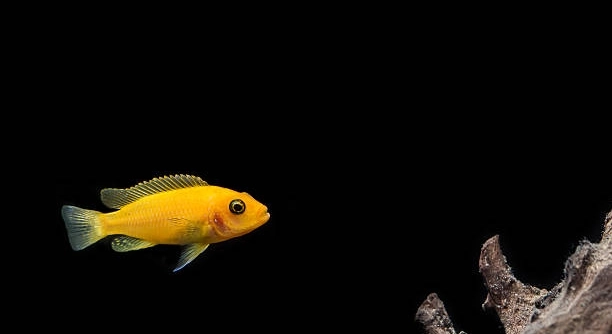
Cichlids are colorful and active fish, often admired for their vibrant personalities. Many aquarium owners notice them flaring fins frequently, which can be alarming. Understanding why this behavior occurs is important for maintaining a peaceful tank environment.
Constant fin flaring in cichlids is typically a sign of territoriality, stress, or social hierarchy disputes. Adjusting tank size, rearranging decorations, monitoring water quality, and ensuring compatible tank mates are essential steps to reduce aggressive displays effectively.
Observing the subtle signs of discomfort and addressing the root causes can help create a calmer, healthier habitat for your cichlids. Managing their environment carefully ensures long-term well-being and balance in the aquarium.
Understanding Why Cichlids Flare Fins
Cichlids flare their fins as a natural behavior, often signaling dominance or establishing territory. In a crowded tank, this can happen frequently as fish compete for space or hiding spots. Stress from sudden changes in water parameters, temperature, or lighting can also trigger frequent flaring. Some species are naturally more aggressive and prone to displaying their fins to communicate with other tank mates. Observing how your cichlids interact can reveal patterns, such as certain fish consistently being on the receiving end of flaring. Rearranging the tank to break up sight lines can reduce tension. Introducing hiding spots, rocks, or plants gives each fish a secure area. Proper feeding schedules and avoiding overstocking are crucial to prevent stress. Maintaining a calm, stable environment helps limit aggressive displays and keeps all fish healthier. Patience and careful observation are key to understanding your aquarium’s social dynamics.
Careful observation is essential. Identifying triggers like overcrowding or changes in water can prevent repeated fin flaring.
Monitoring interactions and adjusting the tank setup ensures that dominant and timid fish coexist peacefully. This creates a calmer environment and promotes natural behaviors without excessive aggression. By providing sufficient space and visual barriers, cichlids can maintain social balance and reduce stress-related displays.
Adjusting Tank Conditions
Water quality is critical for cichlids’ comfort. Parameters like pH, hardness, and temperature must remain stable to prevent stress, which often leads to flaring. Regular water changes and testing help maintain consistency, avoiding sudden fluctuations that can trigger aggression. Filtration should be efficient, but strong currents may stress certain species. Temperature stability supports immune function and overall behavior.
Proper tank maintenance minimizes tension. A well-kept aquarium keeps cichlids healthy and less prone to aggressive displays.
Adjusting the tank setup involves more than just cleaning. Spacing decorations strategically, providing multiple hiding spots, and breaking up sight lines between dominant fish reduces territorial disputes. Overcrowding increases stress and triggers repeated fin flaring, so maintaining an appropriate fish-to-tank ratio is essential. Introducing new fish gradually and observing reactions prevents unnecessary aggression. Lighting should mimic natural conditions, avoiding sudden changes that startle the fish. Feeding routines must be consistent, as competition over food can escalate tension. Even subtle changes, like moving rocks or plants, can influence social behavior. By managing these conditions carefully, aggressive displays decrease, and cichlids exhibit calmer interactions. Tracking their behavior over time allows for adjustments tailored to each species’ needs, ensuring long-term harmony.
Recognizing Aggressive Behavior
Frequent fin flaring often indicates aggression. Dominant fish may chase or block others from hiding spots or food, creating tension. Watching which fish initiate displays helps identify the most aggressive individuals and plan adjustments in tank layout or population management.
Aggression in cichlids can escalate quickly if unaddressed. Dominant fish often patrol territories, constantly flaring to intimidate others. Timid fish may hide excessively, reducing their access to food and leading to stress. Observing patterns over several days allows you to determine if aggression is situational or persistent. Simple changes like adding rocks or plants to create separate areas can reduce confrontations. Adjusting feeding routines so all fish eat without competition also helps. Overcrowding intensifies disputes, so maintaining an appropriate number of fish per tank is critical to prevent ongoing stress and aggression.
Managing aggression requires consistent monitoring and intervention. Using visual barriers, adjusting tank population, and providing ample hiding spots reduces repeated fin flaring. Each adjustment encourages calmer behavior and a healthier aquarium environment for all species.
Creating a Balanced Aquarium
Proper tank arrangement encourages harmony. Spacing decorations to break sight lines and offering multiple hiding places allows all fish to feel secure, minimizing repeated aggressive displays and tension within the group.
Balancing an aquarium involves attention to space, species compatibility, and environmental enrichment. Providing distinct territories with plants, rocks, and caves reduces conflicts between dominant and shy fish. Overstocking should be avoided, as limited space increases aggression. Introducing new fish gradually allows residents to acclimate without triggering defensive flaring. Lighting and water parameters should remain stable, as sudden changes can upset social order. Observing interactions and making small adjustments over time helps maintain equilibrium, ensuring all cichlids can thrive without constant stress or competition.
Feeding and Nutrition
Proper feeding reduces stress and competition. Providing enough food for all fish at consistent times prevents fights over meals and limits fin flaring caused by hunger or aggression.
Balanced nutrition supports calm behavior. Overfeeding can pollute water, while underfeeding increases disputes. Feeding small amounts multiple times daily keeps all cichlids satisfied.
Identifying Stress Triggers
Environmental changes often trigger flaring. Sudden temperature shifts, poor water quality, or aggressive tank mates can increase tension and display behavior. Observing these patterns helps address the root cause before problems escalate.
Separating Aggressive Fish
If aggression persists, separating dominant fish is sometimes necessary. Using dividers or moving the most aggressive individuals to another tank protects others and reduces constant fin flaring, maintaining a healthier and calmer aquarium environment.
Monitoring Progress
Keep track of behavioral changes after adjustments. Regular observation allows you to see which strategies reduce aggression and ensure long-term balance among your cichlids.
FAQ
Why do cichlids flare their fins so often?
Cichlids flare their fins to communicate dominance, establish territory, or respond to perceived threats. Some species are naturally more aggressive, so frequent flaring can be a normal behavior. Stress, overcrowding, or sudden environmental changes can increase the frequency, signaling discomfort or tension in the tank.
Can fin flaring harm my cichlids?
Repeated flaring itself does not usually cause physical harm. However, persistent aggression can lead to stress, reduced immunity, and injuries from chasing or nipping. Timid fish may hide excessively, affecting feeding and overall health. Monitoring interactions and managing tank conditions helps prevent long-term consequences.
How do I reduce fin flaring in my tank?
Providing adequate space, hiding spots, and visual barriers helps reduce repeated flaring. Maintaining stable water conditions, proper lighting, and consistent feeding routines also decreases stress-related aggression. Gradual introductions of new fish and managing population density are key strategies for calmer interactions.
Is tank size important for controlling aggression?
Yes. Overstocked tanks increase competition for space and resources, which triggers frequent fin flaring. Larger tanks with plenty of decorations allow fish to establish territories and avoid constant confrontations. Each species has specific space requirements, so following guidelines ensures a balanced environment.
Does diet affect fin flaring behavior?
Nutrition plays a role in behavior. Inadequate or inconsistent feeding can increase stress and aggression, while overfeeding may pollute the water and trigger tension. Providing balanced, species-appropriate food in controlled amounts reduces competition and supports calmer social interactions.
How do I know if my fish are stressed?
Signs of stress include constant hiding, pale colors, rapid breathing, loss of appetite, or frequent flaring. Aggressive chasing or repeated fin displays often indicate tension. Observing fish daily helps identify stressors so you can make timely adjustments in the tank environment.
Should aggressive fish be removed from the tank?
Sometimes separation is necessary. Dominant fish may repeatedly harass others, causing stress or injury. Using dividers or moving aggressive individuals to a separate tank can restore balance, giving all fish safer territories and reducing constant fin flaring.
Can rearranging tank decorations help?
Yes. Rearranging rocks, plants, or caves breaks sight lines and creates multiple territories. This allows dominant fish to patrol smaller areas without constantly intimidating others, reducing stress and helping shy fish feel secure. Adjustments should be gradual to avoid triggering additional stress.
Do water changes affect aggression?
Regular water changes stabilize quality and reduce stress, which in turn lowers aggression and fin flaring. Sudden, large changes can cause temporary stress, so it is important to perform moderate, consistent water replacements to maintain stability while minimizing disruption to social dynamics.
How long does it take to see improvement?
Behavioral improvements vary depending on tank conditions, fish species, and the severity of aggression. With proper adjustments to environment, population, and feeding routines, changes can often be seen within a few days to weeks. Continued observation ensures long-term balance and reduces repeated fin flaring.
Are some species more prone to flaring than others?
Yes. Certain cichlid species are naturally territorial and display frequent fin flaring as part of their social behavior. Knowing the temperament of your species helps in planning tank setup, population size, and compatible tank mates to reduce constant aggression.
Is fin flaring ever a sign of illness?
Occasionally, abnormal flaring combined with lethargy, discoloration, or fin damage may indicate illness. Stress from disease can increase displays. Monitoring for additional symptoms and maintaining water quality are important for early detection and treatment.
Can compatible tank mates reduce aggression?
Carefully chosen tank mates can reduce conflicts. Species with similar temperaments or non-competitive behaviors help diffuse tension. Introducing fish gradually and ensuring adequate hiding spots allows coexistence without constant fin flaring, promoting a more peaceful environment for all inhabitants.
Do lighting and temperature affect flaring?
Yes. Sudden changes in lighting or water temperature can stress cichlids, leading to increased aggression and fin flaring. Keeping parameters stable, with gradual adjustments when necessary, ensures fish remain comfortable and reduces tension-related displays.
What is the best way to monitor behavior?
Observe daily at consistent times to notice patterns of flaring, chasing, or hiding. Recording behaviors and interactions helps identify triggers and evaluate the effectiveness of tank adjustments. Consistent monitoring allows proactive management and a calmer, healthier environment for all fish.
Can overcrowding be managed without removing fish?
Partial solutions like adding visual barriers, rearranging decorations, and creating more hiding spots can help. However, if space is severely limited, removing or relocating some fish is the most effective way to reduce aggression and ensure long-term tank stability.
Are all flare displays aggressive?
Not always. Some flaring is a normal social signal or a response to unfamiliar movements outside the tank. Distinguishing between routine displays and aggression involves watching interactions and noting whether the behavior leads to chasing, hiding, or stress in other fish.
How often should I review tank conditions?
Regular review is essential. Weekly checks of water parameters, decorations, population levels, and feeding routines help prevent stress triggers. Consistent maintenance ensures that cichlids remain comfortable, reducing the likelihood of constant fin flaring and promoting a balanced aquarium.
Can hiding spots completely stop flaring?
While hiding spots reduce visible conflicts, they do not completely stop fin flaring. Dominant fish may still display occasionally to assert control, but providing adequate territory helps minimize stress and keeps aggressive interactions under control.
Does tank shape influence aggression?
Yes. Long, rectangular tanks with divisions or barriers allow fish to establish territories more easily. Square tanks may encourage confrontation if space feels limited. Choosing a tank shape suited to your species helps manage aggression and supports calmer interactions.
Is it necessary to track each fish individually?
Tracking individual behavior is helpful for persistent aggression. Noting which fish flare, chase, or hide allows you to identify patterns and make targeted adjustments, such as rearranging the tank, separating dominant individuals, or adjusting feeding strategies to reduce stress.
Can enrichment reduce fin flaring?
Yes. Adding plants, rocks, caves, and other decorations encourages exploration and territorial behavior, giving fish outlets for natural displays without constant aggression. Enrichment creates more secure spaces, helps shy fish feel comfortable, and reduces overall tension in the tank.
How do I know if fin flaring is normal or excessive?
Normal flaring occurs occasionally as part of social interaction. Excessive flaring involves frequent, repeated displays, chasing, or stress signs in other fish. Observing patterns over time and comparing behavior to species norms helps determine if intervention is needed.
Are there long-term consequences of constant flaring?
Persistent aggression can lead to chronic stress, weakened immunity, reduced growth, injuries, or even death. Managing environment, tank population, and social dynamics is essential to maintain long-term health and minimize repeated fin flaring.
Can temperature fluctuations be mitigated effectively?
Using reliable heaters and thermometers ensures stable water temperature. Avoid placing tanks near windows or drafts, and make gradual adjustments when necessary. Stable temperature reduces stress-related flaring and supports consistent behavior in cichlids.
Does water hardness affect social behavior?
Yes. Incorrect hardness can stress cichlids, especially species from specific natural habitats. Maintaining species-appropriate pH and hardness supports comfort, reduces aggression, and minimizes excessive fin flaring caused by environmental discomfort.
How important is quarantine for new fish?
Quarantining new fish prevents introducing diseases and helps observe temperament before adding them to the main tank. This practice reduces aggression, stress, and fin flaring triggered by sudden introductions or sick individuals.
Can tank mates from different species coexist peacefully?
Yes, with careful selection. Non-aggressive or similarly sized species reduce tension and prevent constant flaring. Avoid mixing highly territorial species with timid ones. Gradual introductions and plenty of hiding spots are key to successful coexistence.
Are there signs that aggression is decreasing?
Fewer chases, reduced hiding, calmer interactions, and less frequent fin flaring indicate improvement. Observing these trends over days or weeks confirms that environmental adjustments are effective and social balance is being restored.
How often should I rearrange the tank?
Rearrangements should be minimal and gradual. Frequent, sudden changes can stress fish, triggering more flaring. Occasional adjustments to create new territories or break sight lines help manage aggression without disrupting established social structures.
Can stress from outside the tank affect behavior?
Yes. Sudden movements, loud noises, or vibrations near the aquarium can provoke fin flaring. Positioning the tank in a quiet, stable area reduces external stress and supports calmer behavior in cichlids.
Is it possible to completely stop fin flaring?
Completely stopping flaring is unlikely, as it is a natural behavior. The goal is to minimize excessive displays that indicate stress or aggression, creating a stable, peaceful environment while allowing fish to express normal social behaviors.
How do I balance multiple aggressive species?
Provide sufficient space, hiding spots, and visual barriers. Introduce fish gradually, monitor interactions, and maintain water stability. Careful management of territory and feeding routines helps prevent constant aggression while allowing coexistence of different species.
Can seasonal changes affect flaring behavior?
Yes. Changes in temperature, lighting, or feeding patterns during different seasons can influence aggression levels. Maintaining stable conditions throughout the year helps reduce stress and prevents spikes in fin flaring behavior.
How do I ensure timid fish survive in a tank with aggressive species?
Provide hiding spots, multiple feeding areas, and visual barriers. Monitoring interactions and separating dominant fish when necessary ensures timid fish have safe areas and access to food, reducing stress and supporting healthy growth.
Is frequent observation necessary for long-term success?
Yes. Regular monitoring allows early detection of aggression, stress, or environmental issues. Timely intervention ensures all fish maintain health, reduces repeated flaring, and supports a stable, balanced aquarium environment for long-term success.
What is the role of social hierarchy in flaring?
Social hierarchy determines which fish assert dominance. Frequent flaring establishes rank, with dominant individuals displaying more often. Proper tank management helps maintain balance, reducing excessive displays while allowing natural social structures to form.
How do I prevent aggression when adding new fish?
Introduce new fish gradually, provide hiding spots, and observe interactions closely. Avoid overcrowding and ensure species compatibility to reduce stress, prevent constant fin flaring, and allow smoother integration into the existing social structure.
Can fin flaring indicate mating behavior?
In some species, flaring is part of courtship or territory defense during breeding. Observing context, pairing behavior, and timing helps distinguish normal mating displays from stress or aggression. Providing breeding areas can reduce conflicts in mixed groups.
How do I maintain a peaceful aquarium long-term?
Regular monitoring, stable water conditions, appropriate population size, and strategic tank layout are key. Gradual introductions, consistent feeding, and providing multiple hiding spots support calm interactions and minimize repeated fin flaring over time.
Are there any tools to help manage aggression?
Dividers, separate tanks, visual barriers, and enrichment items like plants and rocks are effective. Careful use of these tools allows dominant fish to establish territory without stressing others, helping maintain long-term harmony in the aquarium.
What should I do if fin flaring persists despite adjustments?
Persistent aggression may require separating dominant fish, reviewing species compatibility, or further environmental modifications. Continuous observation and gradual interventions are necessary to restore balance and reduce stress for all inhabitants.
Can fin flaring be prevented from the start?
Planning tank size, species selection, and decorations carefully helps prevent excessive flaring. Providing hiding spots, maintaining stable conditions, and monitoring social dynamics from the beginning reduces stress and sets the foundation for a calmer aquarium.
Is it normal for flaring to increase temporarily?
Yes. Changes in environment, feeding, or new introductions may temporarily increase flaring. Consistent monitoring and gradual adjustments usually restore calm behavior once fish acclimate to the new conditions.
How do I balance water chemistry with multiple species?
Research species-specific requirements and aim for parameters compatible with all fish. Regular testing, partial water changes, and maintaining stable pH and hardness reduce stress, which in turn lowers aggression and repeated fin flaring.
What is the impact of lighting cycles on behavior?
Consistent lighting cycles help regulate natural behaviors. Sudden changes or extended periods of bright light can stress cichlids, triggering fin flaring. Mimicking natural day-night cycles supports stable social interactions.
Are some individual fish naturally more aggressive?
Yes. Even within the same species, individual temperament varies. Recognizing aggressive personalities allows for targeted management, such as rearranging territories or separating particularly dominant fish to maintain balance in the tank.
Can water flow influence aggression?
Strong currents can stress certain species, leading to increased flaring. Adjusting filter output or creating calmer zones allows fish to establish territories comfortably and reduces stress-induced aggression.
Do seasonal breeding patterns affect flaring?
Breeding seasons can increase territorial behavior and fin displays. Providing separate breeding areas and monitoring interactions helps reduce conflicts while allowing natural reproductive behavior without constant aggression.
Is there a difference in flaring between males and females?
Males often display more frequently to assert dominance or attract mates. Females may flare less but can show aggression when protecting territory or fry. Observing these patterns helps interpret social behavior accurately and manage interactions.
Can stress from poor diet trigger flaring?
Yes. Inadequate nutrition weakens fish, making them more prone to aggression or defensive flaring. Providing balanced, species-appropriate food in consistent amounts supports calm behavior and overall health.
How important is tank maintenance for reducing aggression?
Regular cleaning, water testing, and equipment checks are essential. Stable conditions reduce stress-induced flaring and ensure a healthy environment where cichlids can interact naturally without constant aggression.
Does tank cover affect behavior?
A secure cover prevents sudden disturbances and keeps fish feeling safe. Exposure to outside movement can startle cichlids, increasing fin flaring. Proper coverage supports calm behavior and reduces stress in the aquarium.
Can I rely on visual observation alone to manage aggression?
Observation is important but should be combined with water testing and environmental monitoring. Understanding behavior, water quality, and social dynamics together ensures effective management of repeated fin flaring.
What adjustments help timid fish gain confidence?
Providing visual barriers, multiple hiding spots, and gradual exposure to dominant fish allows shy individuals to explore safely. Consistent feeding routines and stable conditions further reduce stress and help timid fish integrate into the social hierarchy.
How do I differentiate normal displays from excessive aggression?
Normal displays occur occasionally and rarely result in stress or injury. Excessive aggression involves constant chasing, hiding, or repeated flaring. Monitoring patterns, frequency, and the effect on other fish helps determine when intervention is necessary.
Is fin flaring more common in young fish?
Juvenile cichlids often practice social behaviors, which include fin flaring. While this is natural, persistent displays in crowded conditions may indicate territorial disputes or stress that require environmental adjustments.
Can changing water temperature gradually prevent aggression?
Yes. Sudden temperature changes can trigger stress-related flaring. Gradual adjustments allow fish to acclimate without increasing aggression, supporting calmer interactions and reducing repeated displays.
Are certain decorations better for preventing fights?
Rock formations, caves, and dense plants provide territories and hiding spots. Decorations that break sight lines help reduce confrontations, giving fish space to express natural behaviors without constant aggression.
How do I handle multiple aggressive males?
Provide large territories, visual barriers, and plenty of hiding spots. In some cases, separating the most dominant male prevents constant chasing and flaring, ensuring all fish have access to resources and reducing stress.
What role does feeding frequency play?
Multiple small feedings reduce competition and aggression. Overfeeding or infrequent feeding increases tension, leading to repeated fin flaring. Consistent routines support calmer behavior and fair access to food for all fish.
Does water clarity affect behavior?
Poor water clarity can increase stress, as fish struggle to navigate and recognize tank mates. Maintaining clear water reduces tension and helps minimize fin flaring caused by uncertainty or fear.
Can fish learn to tolerate each other over time?
Yes. With proper tank management, hiding spots, and gradual introductions, fish can establish a stable social hierarchy. Dominance displays may continue but will become less frequent and less stressful over time.
Are there signs that a tank layout needs adjustment?
Frequent chasing, hiding, or repeated flaring indicates territorial disputes. Adjusting decorations, creating new hiding spots, or breaking sight lines helps reduce aggression and promotes a calmer environment.
How do I maintain long-term harmony in a mixed-species tank?
Select compatible species, provide ample hiding spots, and monitor social interactions. Gradual introductions, stable water conditions, and consistent feeding routines are key to reducing aggression and preventing constant fin flaring over time.
Is it normal for aggression to flare during feeding?
Yes. Competition for food can increase displays temporarily. Providing multiple feeding areas and consistent schedules reduces conflict and ensures all fish access food without unnecessary stress or chasing.
Can separating fish temporarily reset social behavior?
Yes. Using dividers or temporary relocation allows dominant fish to assert territory without harming others. This can calm social dynamics and reduce repeated flaring once fish are reintroduced.
How do I handle a tank with multiple territorial species?
Provide distinct territories, visual barriers, and adequate hiding spots. Monitor interactions and separate highly aggressive individuals if necessary. Consistent feeding and stable conditions further help maintain a peaceful balance.
Does tank depth or height influence aggression?
Some species prefer specific depths for territory. Allowing vertical space and creating layers with decorations supports natural behavior, reduces competition, and minimizes fin flaring caused by overcrowding in limited zones.
Are aggressive behaviors seasonal or constant?
Aggression can peak during breeding periods or environmental changes. Most other times, behavior stabilizes with proper space, hiding spots, and tank management. Recognizing patterns helps plan interventions effectively.
How can I tell if a fish is too stressed to coexist?
Signs include hiding constantly, loss of appetite, fading color, and repeated fin flaring in response to minimal triggers. Identifying highly stressed individuals allows for relocation or targeted adjustments to protect their health.
What is the impact of tank noise on behavior?
Loud or sudden noises increase stress, causing defensive fin flaring. Placing the aquarium in a quiet, stable area reduces interruptions, promoting calmer interactions among all fish.
Are there natural ways to calm aggressive fish?
Providing enrichment, visual barriers, hiding spots, and consistent feeding routines encourages natural behaviors without stress. Stable water conditions and careful tank management reduce excessive fin flaring and create a calmer environment.
How important is species research before adding fish?
Understanding temperament, aggression levels, and territorial needs ensures compatibility. Proper planning reduces the likelihood of constant fin flaring and allows for a more peaceful, balanced aquarium setup.
Can water pH swings cause repeated flaring?
Yes
Final Thoughts
Managing cichlids’ fin flaring requires attention to their environment, social interactions, and overall health. Flaring is often a natural behavior, but frequent displays can signal stress, overcrowding, or territorial disputes. Observing fish regularly helps identify patterns and triggers. Small changes, like rearranging decorations or providing hiding spots, can make a noticeable difference in reducing tension. Ensuring that each fish has its own space allows dominant individuals to express natural behaviors without constantly intimidating others. A tank with clear territories and visual barriers often leads to calmer interactions and less aggressive displays. Monitoring feeding routines, tank population, and water conditions further supports a peaceful environment where fish can coexist comfortably. Consistency and patience are key, as abrupt changes or neglecting small issues may worsen aggression and prolong stress.
Water quality and stability play an essential role in controlling fin flaring. Sudden shifts in temperature, pH, or hardness can trigger stress, causing repeated displays of dominance or defensiveness. Regular water testing, partial water changes, and maintaining stable lighting create a reliable and safe environment for your fish. Proper filtration and flow rates prevent discomfort and ensure that fish are not stressed by excessive currents. Nutrition is equally important, as both underfeeding and overfeeding can increase tension among tank mates. Providing balanced food in measured amounts supports healthy growth and reduces competition over meals. Timely interventions, like separating aggressive fish or adjusting tank layout, often prevent problems from escalating. Paying attention to subtle signs of stress, such as hiding or loss of appetite, allows for proactive measures that protect the well-being of all fish in the aquarium.
Social dynamics in a cichlid tank are complex, but careful observation and management can create long-term harmony. Recognizing which individuals are dominant, which are shy, and how different species interact helps in planning tank arrangements and population adjustments. Gradual introductions of new fish, sufficient space for each species, and adequate enrichment contribute to a calmer atmosphere. Even with natural flaring, these strategies ensure that displays are less frequent and less stressful for others. Maintaining a consistent routine, monitoring behavior, and providing multiple territories allows fish to establish a stable social hierarchy without constant conflict. Over time, these measures foster an environment where all cichlids can thrive, showing natural behaviors without unnecessary aggression. Through attentive care, tank owners can enjoy a balanced, peaceful aquarium and support the long-term health and happiness of their fish.

Hello,
If you enjoy the content that we create, please consider saying a "Thank You!" by leaving a tip.
Every little bit helps us continue crafting quality advice that supports the health, happiness, and well-being of pets around the world, for pets of all shapes, sizes, and species.
We really appreciate the kindness and support that you show us!