
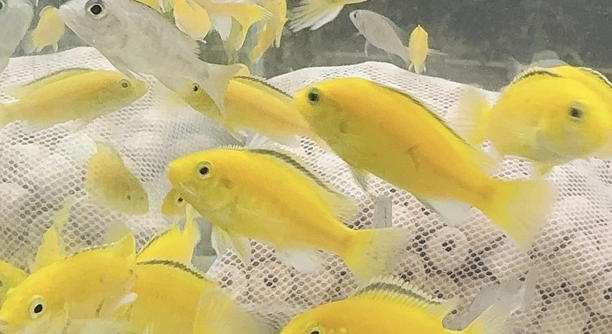
Electric yellow cichlids are lively and colorful fish that bring energy to any aquarium. Watching them closely can help you notice small changes in their daily behavior and interactions with other fish in their environment.
Behavioral changes in electric yellow cichlids can indicate health, stress, or environmental adjustments. Observing feeding patterns, swimming habits, aggression levels, hiding tendencies, and interactions with tank mates provides insight into their overall well-being and can prevent potential issues.
Recognizing these behaviors early ensures your fish stay healthy and your aquarium remains a balanced, enjoyable space for all its inhabitants.
Changes in Feeding Habits
Electric yellow cichlids usually have predictable eating patterns, but changes can signal stress or illness. A sudden drop in appetite or refusal to eat certain foods may indicate water quality issues, internal parasites, or social stress from other fish. Conversely, excessive begging for food or constant searching at feeding times could point to hunger caused by insufficient nutrition or improper feeding schedules. Overfeeding can lead to bloating and digestive issues, while underfeeding affects growth and coloration. Watching how they eat over days rather than hours gives a clearer picture. Some fish may hide food or show aggression when feeding, which is normal for this species, but prolonged changes deserve attention. Adjusting diet types, feeding amounts, and monitoring tank conditions can help restore normal eating behavior.
Tracking feeding patterns closely allows for quick intervention when health issues arise. Early observation prevents more serious problems from developing in the tank.
Consistent feeding routines also help maintain social balance among cichlids. When one fish begins to eat less, others may become aggressive, creating stress. Observing interactions during feeding times reveals dominance behaviors and social hierarchy changes. Providing a varied diet, such as pellets, flakes, and occasional live or frozen foods, encourages healthy appetite. Maintaining proper water quality, temperature, and filtration supports digestion and reduces the risk of illness. Even minor adjustments, like removing uneaten food promptly, can improve behavior. Overall, monitoring feeding habits is essential for keeping electric yellow cichlids vibrant, active, and healthy in a community tank.
Increased Aggression
Aggression in electric yellow cichlids may appear suddenly or gradually. Signs include chasing, nipping, or territorial displays toward tank mates.
Aggressive behavior often relates to breeding, overcrowding, or competition for space. Males can become more dominant during spawning periods. Proper tank size, hiding spots, and balanced ratios of males and females help reduce conflicts. Observing interactions daily ensures aggression does not harm other fish.
Persistent aggression can stress less dominant fish, causing them to hide or lose appetite. In overcrowded tanks, establishing multiple territories with decorations or rocks reduces direct conflict. Sometimes separating highly aggressive individuals temporarily allows others to regain confidence and normal routines. Breeding pairs naturally become territorial, but careful observation can prevent injuries. Balancing diet and maintaining clean water also minimizes irritability. Recognizing triggers early and providing structured tank environments ensures all fish coexist with minimal harm. Electric yellow cichlids thrive when stress is controlled, and their social structure remains stable.
Changes in Swimming Patterns
Electric yellow cichlids that swim erratically or spend more time near the bottom may be stressed or unwell. Rapid darting, floating, or lethargy often signals water quality issues, disease, or injury.
Abnormal swimming can indicate internal parasites, oxygen deficiencies, or poor water parameters. Fish that circle endlessly or rub against surfaces may have external irritants like parasites or fungal infections. Even slight changes in movement, such as staying isolated or avoiding usual areas, are important to note. Maintaining proper filtration, temperature, and clean water helps prevent many of these issues. Consistent observation over days is essential because temporary changes might be normal, but persistent behavior points to a problem.
Monitoring swimming behavior alongside feeding and social interactions provides a complete view of health. Correcting water quality issues or isolating sick fish can prevent further stress. Structured tank environments with hiding spaces allow recovery and reduce aggressive encounters. Watching movement patterns also helps in recognizing early warning signs before illnesses progress, ensuring your cichlids remain active and vibrant.
Increased Hiding
Electric yellow cichlids that suddenly hide more than usual often feel threatened or unwell. Less visibility may indicate illness, bullying, or environmental stress.
Frequent hiding is usually linked to discomfort or fear. Changes in tank mates, lighting, or decorations can trigger it. Overcrowded tanks can increase hiding behaviors, as dominant fish push others away. Sick fish may retreat to safe areas to conserve energy and recover. Providing sufficient shelters like rocks or caves allows shy or stressed fish to feel secure. Observing who hides and when helps identify the source of stress and ensures timely interventions.
Hiding can also reveal social hierarchy shifts within the tank. Less dominant fish may avoid confrontation with aggressive cichlids or territorial males. Environmental adjustments like rearranging decorations, adding plants, or increasing hiding spots help balance stress levels. Maintaining stable water temperature, pH, and cleanliness encourages fish to resume normal activity. In some cases, temporarily separating aggressive or sick individuals allows recovery and prevents worsening conditions. Watching hiding habits provides insight into both health and social interactions, keeping the tank balanced and fish content.
Color Fading
A noticeable fading in the bright yellow of electric cichlids often points to stress, illness, or poor water quality. Healthy fish maintain vibrant coloration, while dullness can indicate diet deficiencies or environmental problems.
Color changes can also result from age or breeding cycles. Providing a balanced diet with high-quality pellets and occasional live or frozen foods helps maintain natural coloration. Stable water conditions and minimal stress from tank mates support vibrant appearance, while sudden shifts in temperature or pH can cause temporary dulling. Observing color alongside other behaviors ensures accurate understanding of their overall health.
Restlessness
Persistent restlessness, such as constant swimming or frequent pacing, may indicate discomfort or environmental stress.
Electric yellow cichlids may become restless when tank conditions are unstable. Overcrowding, poor water parameters, or insufficient hiding spots can trigger agitation. Restless fish expend energy rapidly, which may affect feeding and immunity. Adjusting tank setup, maintaining cleanliness, and monitoring social interactions can help calm activity levels and improve overall well-being.
Gill Movement Changes
Rapid or irregular gill movement is a sign of potential respiratory stress. Fish may struggle to get enough oxygen due to water quality issues or illness. Maintaining proper oxygenation and clean water helps prevent complications.
Loss of Appetite
A sudden reduction in feeding indicates possible stress, disease, or social pressure. Monitoring appetite is critical to address health concerns quickly.
FAQ
Why is my electric yellow cichlid hiding all the time?
Hiding is often a response to stress, illness, or changes in the tank environment. Overcrowding, aggressive tank mates, or poor water quality can push fish to retreat to safe areas. Providing sufficient hiding spots, maintaining clean water, and observing social interactions can reduce hiding behavior. Sick fish also hide to conserve energy and recover, so isolating them temporarily can help.
Why has my cichlid’s color faded?
Color fading usually indicates stress, dietary deficiencies, or water issues. Electric yellow cichlids need a balanced diet with high-quality flakes or pellets and occasional live or frozen foods. Stable water parameters and low-stress environments support vibrant coloration. Changes in temperature, pH, or social hierarchy can also dull their colors temporarily. Observing color alongside feeding, swimming, and social behaviors helps determine the cause.
Why is my cichlid restless and constantly swimming?
Restless behavior can point to discomfort or stress. Overcrowded tanks, poor water quality, or lack of hiding spaces often trigger constant swimming or pacing. Restless fish may struggle with immunity or feeding. Adjusting the tank layout, reducing overcrowding, and maintaining stable water conditions often calms activity. Social stress, such as aggressive tank mates, also contributes, so monitoring interactions is crucial.
Why is my cichlid not eating?
Loss of appetite is a common sign of stress, illness, or bullying. Check water quality, as poor parameters can discourage feeding. Illnesses like parasites, bacterial infections, or gill issues can reduce appetite. Overcrowding or aggressive fish can prevent feeding. Offering a varied diet and monitoring social interactions can help restore normal eating habits. Temporary isolation may encourage a sick or stressed fish to eat.
Why is my cichlid swimming abnormally?
Erratic swimming, floating, or staying at the bottom often signals health or environmental problems. Low oxygen, poor filtration, or water parameter imbalances can cause stress. Internal parasites, injuries, or infections also affect swimming. Observing movement patterns daily and correcting water conditions or isolating sick fish supports recovery. Providing a stable environment with hiding spots reduces stress and encourages normal swimming behavior.
Why is my cichlid gill movement fast or irregular?
Rapid or uneven gill movement usually indicates respiratory stress. Low oxygen levels, poor water circulation, or gill infections can cause difficulty breathing. Ensuring proper aeration, maintaining clean water, and checking for signs of disease are essential. Observing gill movement alongside feeding and activity helps identify the severity and urgency of the problem.
Why is my cichlid aggressive suddenly?
Aggression can result from breeding, overcrowding, or territory disputes. Males may become dominant during spawning, chasing other fish. Providing ample space, hiding spots, and balanced male-to-female ratios helps manage aggression. Temporary separation of highly aggressive fish can protect less dominant individuals. Monitoring tank dynamics ensures long-term harmony and reduces stress-related behaviors.
How can I prevent behavior problems in electric yellow cichlids?
Maintaining stable water conditions, balanced diet, and proper tank size is key. Observing feeding, swimming, and social interactions daily helps catch issues early. Adding hiding spots, managing aggressive fish, and ensuring low-stress environments supports natural behavior. Early intervention prevents health and behavioral issues from escalating, keeping cichlids vibrant and active.
What are signs my cichlid is sick versus stressed?
Sickness often includes loss of appetite, abnormal swimming, rapid gill movement, or visible injuries. Stress may show as hiding, dull colors, or restlessness. Monitoring behavior patterns, water quality, and social interactions can help distinguish between the two. Prompt action, including water maintenance or isolation, improves recovery chances.
How long does it take for behavior to return to normal?
Recovery time varies based on the cause. Minor stress or environmental changes may resolve in a few days. Illness or severe social conflict can take weeks, requiring careful observation, proper care, and sometimes treatment. Patience and consistent monitoring help ensure fish regain normal activity and appetite.
Can diet influence behavior?
Yes, inadequate or unbalanced nutrition affects energy, aggression, and coloration. Providing high-quality pellets, flakes, and occasional live or frozen foods supports health and natural behaviors. Dietary adjustments can reduce stress-related problems, boost immunity, and encourage normal swimming, feeding, and social interactions.
Is it normal for electric yellow cichlids to change behavior with age?
Behavior can shift as cichlids mature. Young fish are more active and social, while older fish may establish territories, hide more, or slow their swimming. Monitoring these changes and adjusting tank conditions ensures comfort and reduces stress across life stages.
Electric yellow cichlids are vibrant and lively fish, but their behavior can change for many reasons. Observing daily routines, such as feeding, swimming, and interactions with other fish, helps identify problems early. Changes in color, appetite, or activity often indicate stress, illness, or environmental issues. By paying attention to these small signs, you can take timely action to keep your fish healthy and comfortable. Consistency in care, such as regular feeding, clean water, and a stable environment, plays a major role in preventing behavioral problems. Fish may hide, become restless, or act aggressively if their tank conditions are not ideal, so addressing even minor changes in behavior can improve their quality of life. Regular observation is not only a way to notice issues but also helps in understanding the individual personality of each fish.
Maintaining proper tank conditions is essential for healthy behavior. Electric yellow cichlids thrive in clean water with stable temperature, balanced pH, and good filtration. Overcrowding or poorly arranged tanks can increase stress and lead to aggression or hiding. Providing hiding spots, rocks, or decorations allows fish to feel secure and reduces tension among tank mates. Diet also influences behavior, as inadequate or imbalanced feeding may cause loss of color, reduced energy, or aggression. Feeding high-quality pellets, flakes, and occasional live or frozen foods supports health and natural behavior. Observing interactions during feeding times can reveal social dynamics and help prevent dominance conflicts. Overall, maintaining a stable, clean, and well-structured environment is key to promoting positive behaviors in electric yellow cichlids.
Understanding your cichlids’ behavior takes time and attention, but it is rewarding. Changes in activity, aggression, or appetite can seem small at first, yet they often carry important information about fish health. Acting quickly when noticing unusual patterns, such as hiding, erratic swimming, or dull coloration, can prevent serious issues. Adjusting tank conditions, improving diet, or temporarily separating aggressive or sick fish supports recovery and long-term well-being. Observing these behaviors also creates a more balanced and peaceful aquarium, where all fish can thrive. By combining careful observation, proper care, and timely intervention, electric yellow cichlids can remain healthy, active, and vibrant, making your tank both visually appealing and a safe environment for all its inhabitants.

Hello,
If you enjoy the content that we create, please consider saying a "Thank You!" by leaving a tip.
Every little bit helps us continue crafting quality advice that supports the health, happiness, and well-being of pets around the world, for pets of all shapes, sizes, and species.
We really appreciate the kindness and support that you show us!