
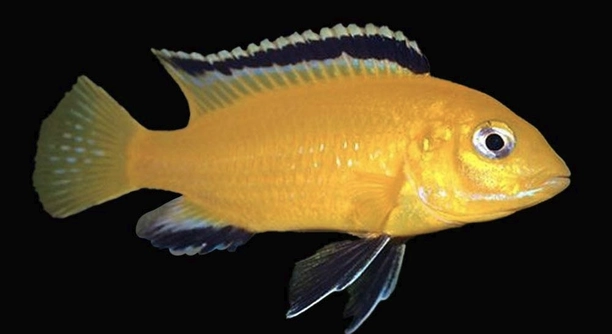
Electric Yellow Cichlids are bright and lively fish that bring color to any freshwater aquarium. Their energetic behavior and friendly demeanor often make owners want to interact with them more closely. Observing them can be quite enjoyable.
Hand-feeding Electric Yellow Cichlids is possible, but it requires patience and consistency. These fish can learn to accept food from your hand, though care must be taken to maintain their comfort and avoid stress during the process.
Learning the proper approach to hand-feeding can strengthen the bond with your fish. Simple techniques and understanding their behavior are key to making this experience positive.
Understanding Electric Yellow Cichlids Behavior
Electric Yellow Cichlids are naturally curious and active fish. They are social but can be territorial, especially during feeding times. Watching their interactions helps you learn their moods and preferences. They often establish a hierarchy in the tank, which can affect how they respond to your hand during feeding. If a dominant fish is present, it may be more willing to approach your hand, while others may hang back. Patience is key because forcing interaction can stress them. Consistent feeding schedules help build trust. Over time, the fish recognize your presence and associate it with food, which encourages them to approach more confidently. Movement should be slow and deliberate to prevent startling them. Understanding their body language, such as fin position and swimming patterns, provides clues to their comfort level. Maintaining clean water and proper tank conditions also supports calm behavior and encourages positive interactions.
Learning their habits can make hand-feeding smoother and safer for both you and the fish.
Building trust with Electric Yellow Cichlids requires observation and patience. Once they recognize your hand as a source of food, interactions become easier and more rewarding.
Steps to Hand-Feed Successfully
Start by offering small amounts of food near the tank edge.
Approach slowly and consistently to avoid frightening the fish. Begin by letting them eat from a feeding tool or your hand held above the water. Gradually lower your hand closer over several sessions. Avoid sudden movements and allow each fish to take turns. Keep sessions short to prevent overfeeding and maintain a calm environment. Using the same type of food each time helps them associate your hand with positive experiences. Pay attention to individual personalities; some fish may take longer to approach than others. Repetition and patience encourage them to become comfortable, reducing fear. Avoid forcing interaction, as this can cause aggression or stress. Maintaining proper water conditions and providing hiding spots also supports confidence. Once they reliably eat from your hand, you can practice gentle interaction during feeding. Consistency and observation are essential for success. Properly implemented, hand-feeding strengthens familiarity and creates a more interactive tank experience, enhancing the enjoyment of keeping Electric Yellow Cichlids.
Choosing the Right Food
Selecting appropriate food makes hand-feeding easier. Pellets or flakes that sink slowly are ideal because they give the fish time to approach and eat without hesitation. Avoid overly large pieces that can intimidate them or make them struggle.
High-quality cichlid pellets provide balanced nutrition while being easy for the fish to take from your hand. Freeze-dried or frozen foods, like brine shrimp or bloodworms, can also encourage interaction. Offering a variety occasionally keeps the fish interested and motivated to eat directly from your hand. Start with small amounts to prevent overfeeding and maintain water quality. Watch how each fish reacts and adjust the type or size of food if needed. Avoid sudden changes to their diet, as it can make them wary of your hand. Gradually introducing new foods while keeping familiar favorites helps build trust. Regular feeding schedules also reinforce their comfort with hand-feeding.
Consistency in feeding timing and location is important. Fish quickly learn routines and begin associating your presence with food. Repetition builds confidence and reduces fear, making hand-feeding more successful. Over time, the fish may even anticipate your hand at mealtime, swimming closer without hesitation. Observing their reactions during each session helps you refine your technique and understand which foods are most appealing. Patience and steady practice ensure the fish remain calm and willing to approach. Proper nutrition and careful attention make hand-feeding a more interactive and enjoyable experience for both you and the Electric Yellow Cichlids.
Creating a Calm Feeding Environment
Minimize sudden movements or loud noises near the tank during hand-feeding. A calm setting encourages fish to approach without stress.
Keeping a consistent routine helps the fish feel secure. Place your hand slowly into the water at the same spot each time. Avoid overcrowding the tank with too many fish, as this can increase aggression during feeding. Gentle lighting and a quiet environment reduce tension and allow the fish to focus on the food rather than potential threats. Observation is key to understanding when the fish are comfortable enough to take food from your hand. Remove distractions and maintain steady water conditions to support a relaxed atmosphere, making the hand-feeding process smoother and more rewarding for everyone involved.
Maintaining calm also includes monitoring tank conditions and avoiding sudden changes in temperature or water quality. Fish can sense stress and may become reluctant to approach. Keeping water clean and providing hiding spots helps reduce anxiety, encouraging more natural behavior. Limit handling other tank objects during feeding to prevent startling the fish. Observe body language closely—swimming patterns, fin movements, and hesitation can indicate discomfort. Adapt your approach by slowing movements or stepping back if needed. Gradual exposure builds confidence, and over time, the fish will consistently respond positively. Small adjustments in environment and technique enhance trust and ensure hand-feeding sessions remain safe, stress-free, and productive.
Timing Your Hand-Feeding
Choose a consistent time each day for hand-feeding. Fish are creatures of habit and respond better when they know when to expect food. Avoid feeding right after major tank maintenance to reduce stress.
Morning or early evening works best for most Electric Yellow Cichlids. Feeding at the same time daily helps them anticipate your hand and approach confidently. Keeping the routine consistent also improves digestion and reduces aggressive competition between tank mates.
Using Slow Movements
Move your hand slowly to avoid startling the fish. Sudden gestures can make them retreat and delay training.
Slow movements allow the fish to feel safe. Approaching at a gentle pace helps them recognize your hand as non-threatening. Combine this with calm water conditions for the best response.
Avoiding Overfeeding
Limit the amount of food during hand-feeding sessions. Overfeeding can lead to health problems and water quality issues.
Use small portions and stop once the fish seem satisfied. Keeping sessions brief ensures the fish remain motivated to eat from your hand. Regular observation helps maintain a healthy balance and supports long-term success in hand-feeding.
Watching Fish Reactions
Pay attention to how each fish responds to your hand. Some may be shy, others more curious.
Adjust your approach based on their comfort level. Respecting individual personalities ensures a smoother, safer hand-feeding experience.
FAQ
Can all Electric Yellow Cichlids be hand-fed?
Not all fish take to hand-feeding immediately. Individual personalities matter, and some may remain shy for weeks or months. Dominant fish often approach first, while others wait their turn. Patience is essential, and forcing interaction can stress them. Observing their behavior helps you identify which fish are ready.
How long does it take for them to trust hand-feeding?
Trust develops gradually. Some fish may respond in a few days, while others need consistent practice for several weeks. Feeding at the same time each day and using slow, deliberate hand movements encourages them to feel safe. Consistency is key to building confidence.
What types of food work best for hand-feeding?
Small pellets, flakes, or freeze-dried foods are easiest to manage. Slowly sinking pellets give the fish time to approach your hand. Freeze-dried or frozen foods, like brine shrimp, can spark curiosity and motivate hesitant fish. Avoid large or hard-to-eat foods that may intimidate them.
Is it safe to hand-feed multiple fish at once?
Yes, but careful observation is necessary. Aggressive or territorial fish may try to dominate the feeding area. Introduce hand-feeding gradually, allowing each fish to approach without rushing. Limiting portions and spacing out food pieces reduces competition and prevents injuries.
Can hand-feeding stress my fish?
Yes, if done improperly. Sudden movements, overcrowding, or inconsistent routines can make them nervous. Watching their body language—retreating, flared fins, or rapid swimming—helps indicate stress. Adjust your approach, move slowly, and ensure a calm environment to keep interactions positive.
How often should I hand-feed my Electric Yellow Cichlids?
Daily sessions are ideal for establishing trust. Keep portions small to avoid overfeeding. Regular, consistent interaction helps the fish associate your hand with food, reinforcing positive behavior without affecting their overall diet or tank cleanliness.
What if my fish bites my hand?
Biting is usually a defensive reaction, not aggression. If a fish nips, withdraw your hand slowly and avoid sudden movements. Try offering smaller food pieces or change the timing. Over time, most fish learn the hand is a source of food, not a threat.
Do I need special equipment for hand-feeding?
No special tools are required. Using your hand works well if approached correctly. Some owners use small feeding tongs at first, especially for shy or aggressive fish, and gradually transition to hand-feeding as the fish gain confidence.
Will hand-feeding improve the bond with my fish?
Hand-feeding builds familiarity and trust. Fish start to recognize you as a source of food, reducing fear and encouraging interaction. While cichlids won’t show affection like mammals, they respond positively to consistent, gentle handling and predictable routines.
Can hand-feeding affect water quality?
Yes, overfeeding can cause leftover food to decompose, affecting water quality. Always offer small portions and remove uneaten food promptly. Maintaining clean water ensures the fish remain healthy and comfortable during hand-feeding sessions.
How do I know if my fish are ready for hand-feeding?
Signs include approaching the tank front during feeding, watching your hand closely, or swimming near the feeding area without hesitation. Start with small portions and slow movements. Gradually, the fish will become confident enough to take food directly from your hand.
What mistakes should I avoid?
Avoid rushing, sudden movements, and inconsistent feeding times. Overfeeding or introducing unfamiliar food too quickly can make the fish hesitant. Respect their individual personalities, provide a calm environment, and stick to small, consistent portions to achieve the best results.
Can hand-feeding help with tank aggression?
Yes, to an extent. Structured hand-feeding can reduce stress by encouraging calm, predictable interactions. Offering food in multiple spots or slowly introducing each fish individually can minimize competition and support a more peaceful environment.
How do I transition from tools to hand-feeding?
Start with a feeding tool like tongs or a spoon to deliver food slowly. Once the fish become comfortable, place your hand in the water holding the food. Gradually decrease distance between your hand and the food until they accept it directly from you.
Are there signs my fish dislike hand-feeding?
Reluctance to approach, rapid retreat, or hiding immediately after your hand enters the tank indicates discomfort. Slow down, reduce session length, or provide smaller portions. Observing body language and adjusting your technique ensures the fish remain confident and stress-free.
How long should a hand-feeding session last?
Short sessions, typically 5–10 minutes, are sufficient. Long sessions can overwhelm fish or cause overfeeding. Focus on small amounts, calm movements, and consistent timing to make the experience safe, enjoyable, and effective for building trust.
Can juveniles be hand-fed like adults?
Yes, but juveniles may be more cautious. Use smaller food pieces and approach even more slowly. Their behavior is less predictable, so patience is key. Over time, they learn to associate your hand with food, just like adults, though they may take longer to gain confidence.
Does hand-feeding replace regular feeding?
No, hand-feeding is a supplement to normal feeding routines. It should not replace daily nutrition. Continue providing balanced meals for overall health while using hand-feeding as an interactive addition that encourages trust and observation of your fish’s behavior.
Can hand-feeding help monitor fish health?
Yes, it allows close observation of eating habits, appearance, and activity. Changes in appetite, color, or behavior during hand-feeding can indicate illness or stress, enabling timely intervention before problems escalate.
Is hand-feeding stressful for me as the owner?
It can be at first if the fish are shy or aggressive. With practice, the process becomes predictable and calm. Slow movements, patience, and consistent routines make it a low-stress, rewarding interaction that strengthens your understanding of their behavior.
What should I do if my fish refuses to hand-feed?
Do not force interaction. Continue regular feeding, offer smaller portions, and maintain a calm environment. Over time, some fish will gain confidence and accept food from your hand. Focus on consistency, observation, and patience rather than immediate results.
Can hand-feeding cause dependence on humans?
No, cichlids retain natural feeding instincts. Hand-feeding supplements their routine but does not replace regular tank feeding. Fish remain capable of foraging in the tank and eating independently, ensuring they stay healthy while enjoying occasional interaction.
How often should I reassess my technique?
Regularly monitor reactions and adjust movements, food type, and session timing. Fish behavior may change with age, tank dynamics, or health, so ongoing assessment ensures hand-feeding remains safe and effective for all individuals.
Does tank size affect hand-feeding success?
Yes, smaller tanks allow fish to approach your hand more easily, while larger tanks may require patience. Ensure enough space to reduce competition and maintain calm interactions. Proper placement of hiding spots also encourages confident approaches from different tank areas.
Can hand-feeding help with tank bonding?
It encourages recognition of routine and familiarity with your presence. While not emotional bonding in a human sense, fish become more relaxed around you, leading to smoother feeding sessions and easier observation of their behavior and health.
What should I do if aggression occurs during hand-feeding?
Separate aggressive individuals if necessary or feed them in different spots. Avoid chasing or cornering fish. Calm, slow, and structured feeding sessions reduce tension, allowing all fish to participate safely. Observing interactions helps manage conflicts and maintain a peaceful tank environment.
Is hand-feeding suitable for all tank setups?
It works best in well-maintained tanks with proper water quality, hiding spots, and minimal overcrowding. A calm environment with consistent lighting and feeding routines supports successful interactions, allowing fish to approach confidently without stress.
Can hand-feeding improve observation skills?
Yes, it allows owners to notice subtle behaviors, body language, and health indicators. Watching how fish respond to your hand helps detect issues early, understand personalities, and adjust techniques for safer, more effective feeding sessions.
Do I need to wear gloves?
Not necessary unless your skin is sensitive or you prefer extra hygiene. Bare hands are fine if clean and free from chemicals. Gentle movements and consistent technique are more important than wearing gloves.
Will hand-feeding work with aggressive species?
Some aggression can occur, but careful observation, slow movements, and gradual introduction help mitigate risks. Providing multiple feeding areas and avoiding sudden gestures encourages calmer interactions. Not all individuals may participate equally, but consistent effort usually results in success.
How do I encourage shy fish?
Start feeding near them without forcing contact. Offer food from a distance and gradually move closer over multiple sessions. Patience and consistency help them associate your hand with positive experiences, eventually allowing confident interaction.
Can hand-feeding reduce stress in new tanks?
Yes, once fish recognize the routine, they feel more secure. Familiar hand-feeding sessions create predictability, which helps new or relocated fish adjust to their environment and reduces fear during feeding times.
What if water conditions change?
Sudden changes can make fish hesitant. Always stabilize temperature, pH, and cleanliness. Adjust hand-feeding sessions accordingly until they regain confidence in approaching your hand. Slow, calm movements combined with consistent feeding routines help restore trust.
Is hand-feeding more effective in pairs or groups?
Small groups are usually easier to manage. Too many fish can create competition, while solitary fish may approach faster. Observe personalities and adjust techniques based on the number of participants and their comfort level.
How does age affect hand-feeding?
Younger fish may be more cautious but adapt faster with patience. Older fish may be slower to trust but often learn the routine after repeated exposure. Adjust food size, timing, and approach according to their age and behavior.
What is the best approach if a fish ignores food?
Reduce the portion size, move more slowly, and ensure a calm environment. Avoid forcing contact. Sometimes waiting a few days before reintroducing hand-feeding encourages cautious fish to participate without stress.
Are there long-term benefits?
Yes, hand-feeding builds trust, allows close observation of health, reduces stress during feeding, and encourages natural, calm behavior. Consistency and proper technique provide positive interactions for years, enhancing overall care of Electric Yellow Cichlids.
This FAQ section provides practical tips, step-by-step techniques, and precautionary measures to help make hand-feeding Electric Yellow Cichlids safe, effective, and rewarding for both the fish and the owner.
Hand-feeding Electric Yellow Cichlids can be a rewarding experience when approached with patience and care. These fish are naturally curious and intelligent, but they also have their own personalities and boundaries. Not every fish will respond to hand-feeding immediately, and some may remain cautious for extended periods. Observing their behavior carefully is essential to understand when they are ready to interact. Slow, deliberate movements and consistent routines help them feel safe, making them more likely to accept food directly from your hand. Over time, this practice can create a more interactive and enjoyable environment in the aquarium, allowing you to notice subtle changes in behavior, appetite, or overall health that might otherwise go unnoticed. By respecting their comfort and individual pace, hand-feeding becomes a gentle way to engage with your fish without causing stress or fear.
Maintaining proper tank conditions is equally important for successful hand-feeding. Clean water, stable temperature, and appropriate hiding spots contribute to a calm and secure environment. Overcrowding or sudden changes in water quality can make fish more hesitant to approach, no matter how patient you are. Providing small portions of high-quality food ensures that each fish receives adequate nutrition while reducing the risk of overfeeding or leftover food decomposing in the tank. Gradually introducing hand-feeding and sticking to consistent feeding schedules allows the fish to associate your presence with positive experiences. Watching how each individual responds helps you adjust your approach, whether it means feeding in smaller sessions, moving more slowly, or offering more appealing food. Over time, the fish become familiar with the routine, and hand-feeding becomes a predictable, low-stress activity that benefits both their health and your ability to care for them effectively.
Hand-feeding is not just about the act of giving food by hand; it’s also a way to better understand and monitor your fish. By observing how they react to your presence and the food you offer, you can identify subtle signs of stress, illness, or behavioral changes. Some fish may require more patience than others, and that is perfectly normal. Even shy or cautious individuals can gradually learn to trust your hand if you remain consistent and calm. While hand-feeding should never replace regular feeding or proper care, it serves as an interactive supplement that strengthens familiarity and trust. With careful observation, steady techniques, and a focus on their comfort, hand-feeding Electric Yellow Cichlids can become a simple yet meaningful part of daily aquarium care, creating a healthier, calmer, and more engaging environment for both you and your fish.

Hello,
If you enjoy the content that we create, please consider saying a "Thank You!" by leaving a tip.
Every little bit helps us continue crafting quality advice that supports the health, happiness, and well-being of pets around the world, for pets of all shapes, sizes, and species.
We really appreciate the kindness and support that you show us!