
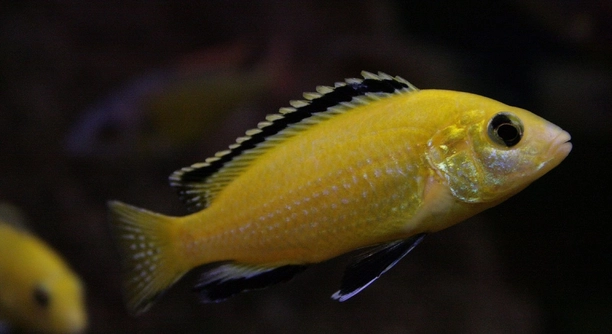
Electric yellow cichlids are bright and lively fish often admired in home aquariums. Despite their energetic appearance, many spend most of their day remaining in one spot, seemingly motionless among rocks and plants.
Electric yellow cichlids remain in one area primarily due to territorial behavior and energy conservation. They claim a section of the tank as their own, minimizing movement to defend territory and reduce unnecessary energy expenditure. This stationary behavior is natural and protective.
Observing their calm presence provides insight into their habits, environment preferences, and how to maintain their well-being in home aquariums.
Understanding Their Territorial Nature
Electric yellow cichlids are naturally territorial fish. In an aquarium, they often select a specific area filled with rocks, plants, or other hiding spots. Staying in one spot allows them to monitor their surroundings and maintain control over their chosen territory. This behavior reduces stress by giving them a secure zone, where they feel confident about defending themselves. Aggressive interactions with other fish are minimized when they have a defined space. They tend to patrol the borders occasionally but mostly remain stationary, conserving energy for necessary movements. Providing multiple hiding spots and clear boundaries helps reduce tension among tank mates. Observing them closely, it is clear that their preference for a single spot is not laziness but a strategic choice. Their bright colors make them visible, yet their stillness reflects a cautious, calculated approach to maintaining safety and order in their environment.
Maintaining a clear, structured space in the tank is essential for their comfort and security.
Creating zones with decorations and plants encourages calm behavior. It also reduces aggressive encounters while letting them feel fully at ease in their environment, improving overall health and activity balance.
Feeding and Activity Patterns
Electric yellow cichlids often eat small amounts several times a day. Their stationary behavior is linked to conserving energy between feeding sessions.
Their diet and feeding schedule directly influence movement patterns. They spend energy only when necessary, focusing on eating and defending their chosen area. This energy-efficient approach ensures they remain healthy and maintain their vibrant colors. Providing a balanced diet with proper nutrients encourages natural activity without causing stress. Tank placement, water quality, and lighting also impact their willingness to explore. Overcrowded tanks or sudden changes in environment can lead to increased stress, prompting them to stay in one spot even more. Observing these patterns helps create a suitable habitat. Clear, consistent feeding routines combined with a well-structured tank layout support natural behaviors. Over time, understanding their stationary tendencies allows for better care, ensuring they thrive while exhibiting healthy, natural activity levels.
Environmental Factors
Tank size and layout directly influence how much electric yellow cichlids move. Smaller tanks or crowded conditions often make them stay in one spot to feel secure.
Lighting, water temperature, and water quality all play roles in their activity levels. Bright lights or sudden changes in temperature can make them cautious, prompting them to remain near rocks or plants. Maintaining stable, appropriate water parameters reduces stress and encourages occasional movement while preserving their natural resting spots. Decorations and hiding areas give them comfort, letting them observe without constant motion. Choosing a well-planned tank layout helps balance security with healthy activity patterns.
Strong currents or poorly positioned filters may push them toward calmer areas. They instinctively seek zones with gentle water flow.
Social Interactions
Interactions with other fish affect their movement. Electric yellow cichlids may limit motion when tank mates are present to avoid conflict.
Dominant or aggressive fish can make them retreat to a specific location for safety. They often remain near shelters or along the tank edges to monitor their environment. When paired with peaceful tank mates, they are more willing to explore but still show stationary tendencies. Observing their behavior alongside companions helps identify compatible species and reduce stress. Providing enough space for multiple territories allows them to coexist without constant confrontation. Balancing group sizes and maintaining stable social hierarchies ensures healthier, calmer fish that retain natural colors and activity levels.
Resting and Energy Conservation
Electric yellow cichlids spend much of their day resting to conserve energy. Remaining in one spot allows them to recover from short bursts of movement.
Their stationary behavior is also linked to avoiding unnecessary stress. By minimizing motion, they reduce exposure to potential threats and maintain stamina for feeding or defending territory.
Water Quality and Its Impact
Clean, stable water conditions are essential for cichlid activity. Poor water quality can lead to lethargy, making them stay in one place more often. Regular monitoring of pH, ammonia, and nitrate levels helps maintain a healthy environment. Stress from fluctuating water parameters can reduce appetite and slow movement. Maintaining consistent water temperature supports natural behavior patterns and prevents sudden energy depletion. Providing proper filtration and performing partial water changes ensures their habitat remains comfortable and safe. Healthy water quality encourages them to explore more while still using their favorite resting spots strategically.
Signs of Stress
Stationary behavior may indicate mild stress, often due to overcrowding or environmental changes.
FAQ
Why does my electric yellow cichlid stay in one spot all day?
Most electric yellow cichlids remain stationary due to territorial instincts and energy conservation. Claiming a spot in the tank allows them to feel secure, monitor surroundings, and avoid unnecessary conflict with other fish. This behavior is natural and not a sign of laziness.
Is it normal for them to barely move?
Yes. Limited movement is common, especially if they feel safe in a particular area. They may swim occasionally to patrol or feed, but otherwise, staying in one spot helps them conserve energy.
Can tank size affect their movement?
Absolutely. Smaller or crowded tanks often lead to less movement. When space is limited, fish prioritize security over exploration. A well-planned layout with hiding areas, rocks, and open zones encourages occasional swimming without compromising their sense of safety.
Does water quality influence their activity?
Water quality has a direct effect on their behavior. Poor water conditions, such as fluctuating pH, high ammonia, or nitrate levels, can cause stress and lethargy. Stable, clean water encourages healthier movement and keeps them active while maintaining their resting spots.
Do they stay in one spot because of other fish?
Yes, social interactions matter. Aggressive or dominant tank mates may cause them to retreat to a specific area for safety. Peaceful companions encourage more exploration, but stationary tendencies often remain as part of their natural behavior. Providing multiple territories reduces conflicts and stress.
How does lighting impact their movement?
Bright or fluctuating lighting can make electric yellow cichlids cautious. They often retreat to shaded areas or near decorations when lights are too intense. Moderate, consistent lighting supports natural behavior, allowing them to move when necessary without feeling threatened.
Does their diet influence activity levels?
Diet plays a role in how much they move. Feeding small portions several times a day helps them conserve energy between meals. Proper nutrition keeps them healthy, maintaining bright colors and alert behavior while supporting occasional bursts of movement for feeding or patrolling territory.
Is their stillness a sign of illness?
Not always. While stationary behavior is normal, extreme lethargy combined with lack of appetite, faded color, or abnormal swimming may indicate illness. Monitoring their overall health, appetite, and environment is important to ensure they are thriving.
Can stress cause them to stay in one spot?
Yes, stress from overcrowding, poor water quality, sudden changes, or incompatible tank mates can make them remain stationary. Minimizing stress through stable water parameters, proper tank layout, and compatible companions encourages natural movement.
How can I encourage them to swim more?
Adding hiding spaces, gentle water currents, and balanced tank mates can promote movement. Feeding at regular intervals and maintaining a clean, stable environment also encourages occasional exploration while allowing them to keep their favorite resting areas.
Do electric yellow cichlids ever explore new spots in the tank?
They do, but selectively. Exploration usually occurs during feeding or when patrolling territory. They prefer familiar spots for safety but may investigate nearby areas if the environment feels secure. Observing them over time helps understand their preferred zones and patterns.
Are there signs that their territory is too small?
Frequent aggressive interactions, constant hiding, or lack of movement can indicate that the tank layout or space is insufficient. Providing additional territories and visual barriers allows them to establish personal zones, reducing tension and encouraging occasional swimming.
How important are decorations for their behavior?
Decorations are vital. Rocks, caves, and plants create secure areas, reducing stress and supporting natural stationary behavior. They provide hiding spots and territorial boundaries, which help electric yellow cichlids feel safe while maintaining energy-efficient routines.
Can temperature changes affect their activity?
Yes, sudden temperature fluctuations can cause lethargy. Maintaining a consistent, suitable temperature supports normal behavior patterns, ensuring they remain healthy, active when necessary, and comfortable in their chosen spot.
Do males and females behave differently?
Males are often more territorial and may spend more time defending a single area. Females tend to be slightly more exploratory but still exhibit stationary behavior to conserve energy and monitor surroundings. Recognizing these differences helps manage tank dynamics effectively.
How do I know if they are happy in their spot?
Signs of contentment include bright colors, regular feeding, occasional patrolling, and calm resting. When they appear alert, respond to food, and interact minimally with companions without stress, their stationary behavior reflects comfort rather than distress.
Can overcrowding be fixed without a larger tank?
Partial solutions include rearranging decorations to create multiple territories, adding visual barriers, and reducing aggressive tank mates. While movement may still be limited, these adjustments decrease stress and allow electric yellow cichlids to feel secure while maintaining stationary habits.
Are stationary habits the same in all cichlids?
Not all cichlids behave identically. While many species display territorial stillness, activity levels vary depending on temperament, size, and social structure. Electric yellow cichlids are particularly prone to remaining in one spot due to their natural instincts and energy conservation needs.
How long do they typically stay in one spot?
They can remain stationary for most of the day, moving primarily to feed, patrol territory, or respond to changes. Their stillness is part of a predictable, energy-efficient routine that aligns with natural behavior in the wild.
Does providing hiding spots reduce aggression?
Yes. Multiple hiding areas allow them to avoid constant confrontation with other fish. Feeling secure in their territory reduces stress, supports calm behavior, and encourages occasional movement rather than constant retreat or defensive postures.
Can they become too sedentary?
While generally healthy, extreme inactivity may signal stress, illness, or environmental issues. Observing behavior alongside feeding, water quality, and social interactions helps determine whether intervention is necessary to maintain overall well-being.
How can I monitor their comfort without disturbing them?
Watch color, posture, and feeding patterns from a distance. Calm, alert fish that respond normally to food and maintain bright colors are typically comfortable. Avoid frequent handling or sudden changes to reduce stress and support natural stationary behavior.
Is it normal for them to hide for hours?
Yes, hiding is a natural part of their stationary routine. They retreat when resting, feeling cautious, or avoiding conflicts. Providing multiple shelters ensures they have safe spaces for both resting and occasional exploration.
Do stationary fish need less food?
They may burn less energy than more active species, but a balanced diet remains important. Feed appropriate portions at regular intervals to maintain health, color, and energy for necessary movement.
Will they eventually explore more with time?
As they become comfortable with tank mates, decorations, and stable conditions, they may explore slightly more. Still, most of their day will be spent in their preferred spot due to territorial instincts and energy conservation needs.
How do I know if my tank setup suits them?
Indicators include calm behavior, regular feeding, minimal stress signs, and alert responses. Adequate hiding spots, stable water, compatible companions, and sufficient space contribute to a tank where electric yellow cichlids feel secure while maintaining natural stationary habits.
Can stress impact their long-term health?
Yes, chronic stress can affect immunity, coloration, and appetite. Maintaining stable conditions, proper tank layout, and compatible companions ensures they remain healthy while exhibiting natural behavior patterns.
Are there signs that stationary behavior is excessive?
If fish appear dull, lose appetite, avoid normal feeding routines, or show unusual lethargy, stationary behavior may be excessive. Investigating water quality, tank mates, and environmental stressors is necessary to ensure their health.
Do decorations influence territorial selection?
Yes. Electric yellow cichlids often select spots near caves, rocks, or plants. Well-placed decorations define boundaries, reduce aggression, and provide security, encouraging calm stationary behavior while still allowing occasional movement.
Can changing tank conditions improve movement?
Minor adjustments such as adding territories, maintaining stable water, and providing gentle currents can encourage more swimming. They may still remain mostly stationary, but these improvements support healthier energy distribution and natural activity patterns.
Do stationary habits affect reproduction?
Territorial stillness helps establish secure areas for breeding. Males guard specific zones, while females select nearby sheltered areas. This behavior ensures protection of eggs and fry while minimizing unnecessary movement.
How do I balance activity and rest?
Ensure a stable, spacious, and structured tank with regular feeding and hiding spots. This supports natural stationary periods for rest while allowing safe, occasional exploration. Observation over time helps fine-tune the balance for optimal well-being.
Are stationary electric yellow cichlids more resilient?
Their energy-conserving behavior allows them to respond quickly when needed, whether for feeding, patrolling, or defending territory. This natural strategy contributes to resilience and long-term survival in an aquarium setting.
Do males guard their spots more than females?
Yes. Males are generally more territorial, spending longer periods in one area to assert dominance and protect territory. Females may be slightly more mobile, but both genders exhibit stationary tendencies for energy conservation and security.
How does hiding affect social hierarchy?
Hiding allows lower-ranking fish to avoid conflict while maintaining observation of dominant individuals. This supports a stable social hierarchy and reduces stress-related behavior while ensuring all fish feel secure.
Can environmental enrichment encourage movement without stress?
Yes. Adding gentle currents, new decorations, and safe hiding spots promotes exploration. The fish remain mostly stationary but engage in controlled, purposeful activity when the environment feels safe and stimulating.
Are there seasonal changes in activity?
In aquariums, seasonal cues such as light and temperature changes may subtly affect movement. They still largely remain in one spot, but minor variations in activity may occur as part of natural biological rhythms.
Is stationary behavior linked to longevity?
Energy conservation through stillness helps maintain stamina, reduce stress, and support health, contributing to longer lifespan. Fish that remain calm and secure in their environment often thrive longer than those under constant stress.
Do stationary habits vary with age?
Younger fish may explore more, while older, more established cichlids often settle into chosen spots. As they mature, territorial instincts strengthen, reinforcing stationary behavior as a natural energy-saving strategy.
How can I tell if their resting spot is ideal?
They appear relaxed, alert, and feed regularly without stress. Bright colors, normal posture, and occasional patrolling indicate their chosen location meets security, comfort, and territorial needs.
Does tank decoration type matter for stationary behavior?
Yes. Rocks, caves, and plants provide hiding spots and territorial boundaries. The right mix reduces aggression, supports security, and encourages natural patterns of stationary behavior while allowing controlled movement.
Can I rearrange decorations to stimulate activity?
Minor rearrangements may prompt exploration, but fish often return to preferred spots. Changes should be gradual to prevent stress and preserve natural stationary habits.
Do stationary fish get bored?
Fish do not experience boredom in the human sense. Their stationary behavior is instinctual, energy-efficient, and survival-focused. Occasional exploration during feeding or patrolling provides mental stimulation within natural behavior limits.
Are there health benefits to stationary habits?
Remaining in one spot reduces unnecessary energy expenditure, minimizes stress, and supports territorial security. This contributes to stable health, bright coloration, and longevity in a home aquarium.
How can I track their comfort over time?
Observe movement patterns, feeding response, color vibrancy, and interactions with tank mates. Consistency in these behaviors indicates comfort, while sudden changes may signal environmental or social stressors that require attention.
Will stationary behavior change if I add more fish?
Adding fish may shift territorial dynamics. Some cichlids may become more cautious and stationary, while others establish new territories. Proper planning, space, and hiding spots are essential to maintain stability and reduce stress.
Do stationary habits impact tank maintenance?
Yes. Knowing their preferred areas helps target cleaning and decoration placement. Maintaining those zones clean and safe ensures continued health while respecting their natural behavior.
Are there signs of contentment in stationary fish?
Calm resting, regular feeding, occasional patrols, and vibrant coloration indicate they are comfortable. When stationary behavior aligns with these positive signs, it reflects normal, healthy habits rather than stress.
Can stationary behavior signal adaptation to captivity?
Yes. Choosing safe spots and conserving energy reflects adaptation. Over time, fish become accustomed to the tank environment, settling into preferred zones while maintaining natural instincts.
Does water current influence stillness?
Strong currents push them toward calmer areas. Gentle water flow encourages occasional movement while maintaining safety in favorite spots, supporting natural energy-efficient behavior.
Are stationary habits affected by breeding season?
During breeding, males often become more territorial, remaining in one area to guard eggs. Females may choose nearby shelters. Stationary behavior ensures protection and successful reproduction.
Can stationary behavior indicate temperature stress?
Extreme temperature changes may reduce movement. Consistent, appropriate water temperature allows them to maintain natural stationary behavior while staying healthy and alert.
Do electric yellow cichlids interact while stationary?
Yes, they observe surroundings, monitor tank mates, and communicate through body language without moving much. This behavior supports social awareness while conserving energy.
Is it normal for them to return to the same spot daily?
Yes. Preferred locations provide security and a clear territory. They tend to return consistently, reflecting comfort, confidence, and natural instincts.
Can stationary behavior influence tank lighting decisions?
Yes. Calm fish may prefer shaded or moderate light areas. Adjusting lighting to reduce stress supports stationary comfort while allowing occasional activity.
How can I distinguish resting from stress?
Resting fish appear alert, feed regularly, and maintain vibrant colors. Stress often shows as faded colors, irregular breathing, or prolonged inactivity without response to food.
Do stationary habits affect tank decorations choice?
Yes. Decorations create safe zones, define territory, and reduce conflict. Choosing structures that allow hiding and observation supports calm, natural stationary behavior while enabling controlled exploration.
Are there differences between wild and captive stationary habits?
Wild cichlids remain stationary for territory defense and energy conservation. Captive fish retain these instincts but may show slight variations depending on tank size, layout, and companion species.
Can stationary fish still exhibit curiosity?
Yes. They explore during feeding or patrolling, but curiosity is measured and cautious. Most of their day remains focused on conserving energy and monitoring their surroundings.
Do stationary habits influence aggression levels?
By minimizing movement and defending a secure zone, stationary behavior can reduce unnecessary aggression. Clear territorial boundaries and adequate space support calmer interactions.
How do I ensure stationary habits are healthy?
Provide stable water conditions, proper diet, hiding spots, compatible companions, and suitable tank layout. Observing consistent behavior, alertness, and coloration confirms healthy stationary habits.
Are stationary fish more predictable in behavior?
Yes. Their routines, preferred spots, and movement patterns become consistent over time. Predictability helps in tank management, feeding schedules, and understanding social interactions.
Can stationary behavior affect breeding success?
By establishing secure territories, stationary males guard eggs effectively. Females select protected areas for laying, ensuring higher survival rates for fry while minimizing energy expenditure.
Do stationary fish require less maintenance?
Not entirely. Although they move less, water quality, feeding, and tank conditions still need attention. Maintaining their preferred zones clean supports health and prevents stress.
Is it normal for them to stay hidden for extended periods?
Yes. Extended hiding is part of natural stationary behavior, especially during rest, stress, or while avoiding dominant fish. Multiple shelters ensure safety and comfort.
Can stationary habits be encouraged in new tanks?
Yes. Adding rocks, caves, plants, and defined territories helps them select preferred spots, reducing stress and encouraging natural energy-efficient behavior from the start.
Do stationary habits impact energy expenditure?
Remaining still minimizes energy use, allowing fish to allocate resources to growth, reproduction, and defense. This efficiency is a natural survival strategy.
Are stationary habits the same across all tank conditions?
No. Tank size, companions, water quality, and layout influence how stationary they remain. Optimal conditions promote calm, energy-efficient behavior while supporting occasional movement.
How do I balance tank activity with stationary behavior?
Provide structured zones, stable conditions, hiding spots, and compatible companions. This ensures they can rest safely while moving purposefully for feeding, patrolling, or social interactions.
Can stationary behavior be observed without stress?
Yes. Observing from a distance, noting feeding, coloration, and patrol behavior confirms natural stationary habits. Avoid interference to prevent stress-induced movement changes.
Does stationary behavior vary by individual personality?
Yes. Some fish are naturally more cautious, while others explore more. Individual temperament influences how much time they spend in one spot versus moving around the tank.
Are stationary habits influenced by tank decorations placement?
Yes. Properly arranged rocks, caves, and plants create defined zones. Fish select comfortable areas for resting while reducing aggression and maintaining natural energy-efficient behavior.
Do stationary fish interact socially while resting?
They often observe and communicate through subtle body language, maintaining awareness of tank mates without significant movement. This supports social structure while conserving energy.
Can stationary behavior indicate contentment?
Yes. Calm posture, regular feeding, vibrant colors, and occasional patrolling indicate they are comfortable and secure in their chosen area, reflecting natural, healthy behavior.
How does stationary behavior affect observation and enjoyment?
Watching them remain in a preferred spot allows owners to study color, patterns, and social interactions. Even with limited movement, their presence is engaging and informative.
Do stationary habits impact aquarium ecosystem balance?
Yes. By remaining in defined zones, they reduce constant chasing and stress, allowing other species to coexist. Structured territories support overall tank harmony.
Are there risks if stationary behavior changes suddenly?
Sudden inactivity or excessive movement can signal stress, illness, or environmental changes. Monitoring water quality, tank mates, and behavior helps identify potential problems early.
Can stationary habits be considered normal for their species?
Absolutely. Electric yellow cichlids naturally exhibit energy-efficient, territorial stationary behavior. It reflects instincts for survival, comfort, and social awareness in their environment.
How do I support stationary behavior without limiting exploration?
Provide secure resting zones, hiding spots, gentle currents, and balanced companions. This allows purposeful movement while maintaining energy-efficient stationary routines.
Do stationary habits affect tank lighting choices?
Moderate, consistent lighting encourages comfort. Fish select shaded or structured areas for rest, supporting stationary behavior while enabling occasional activity when needed.
Is it normal for stationary behavior to persist for years?
Yes. Adult cichlids often maintain favorite spots long-term. Their stationary habits are stable, reflecting established territory, energy conservation, and environmental comfort.
Can stationary behavior indicate a healthy routine?
Yes. Calm, alert posture, regular feeding, and territorial awareness show a natural, healthy routine. Stationary behavior is a normal part of their daily life.
How do I combine monitoring and non-intrusive observation?
Observe from a distance, noting feeding, pat
Electric yellow cichlids are fascinating fish with distinct personalities and behaviors. One of the most noticeable traits is their tendency to stay in one spot for much of the day. While this may seem unusual at first, it is a natural part of their behavior. Stationary habits are closely linked to territorial instincts, energy conservation, and the need for safety. By choosing a preferred area within the tank, they create a sense of security, allowing them to observe their surroundings and respond when necessary. These resting spots often include rocks, plants, or other hiding areas, which provide both shelter and a strategic position to monitor their environment. Over time, these locations become familiar and comfortable, helping them maintain stability and confidence in their space.
Maintaining a stable and supportive environment is essential for electric yellow cichlids to exhibit natural stationary behavior. Water quality, tank size, decorations, and compatible tank mates all play important roles in how often they move or stay in one area. Poor water conditions, overcrowding, or sudden changes in the tank can cause stress, prompting them to retreat even more. Conversely, a well-maintained tank with appropriate hiding spots, gentle water flow, and balanced lighting encourages natural movement while respecting their preferred resting areas. Regular feeding and consistent routines also support their health, color, and energy levels. Observing these patterns can help owners understand their fish better and ensure they thrive in the home aquarium. Energy conservation through stationary habits is a natural survival strategy, allowing them to reserve strength for feeding, patrolling territory, and occasional interactions with other fish.
Recognizing and respecting stationary behavior in electric yellow cichlids contributes to their overall well-being. These fish do not remain still out of laziness but as part of a deliberate and instinctual approach to life in the aquarium. Providing a structured, stable environment that accommodates their need for comfort and security helps them remain calm and healthy. Observing them in their chosen spots allows owners to appreciate their natural behavior, color patterns, and social interactions. It also highlights the importance of careful tank management, from monitoring water quality to arranging decorations thoughtfully. By understanding why electric yellow cichlids spend time in one spot, owners can create an aquarium setup that supports their natural tendencies, encourages occasional exploration, and maintains a balanced, stress-free environment for long-term health and happiness.

Hello,
If you enjoy the content that we create, please consider saying a "Thank You!" by leaving a tip.
Every little bit helps us continue crafting quality advice that supports the health, happiness, and well-being of pets around the world, for pets of all shapes, sizes, and species.
We really appreciate the kindness and support that you show us!