
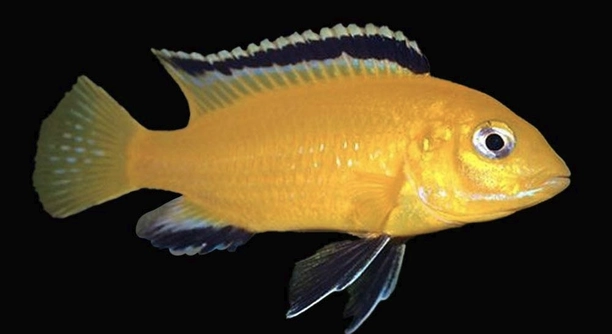
Electric Yellow Cichlids are vibrant and active fish that bring life to any aquarium. Observing them during feeding can be entertaining, yet many owners notice these cichlids retreating to hiding spots afterward. This behavior can seem puzzling.
Electric Yellow Cichlids often hide after feeding due to a combination of natural instincts, environmental stressors, health concerns, and territorial behavior. Understanding these factors provides insight into their behavior and helps maintain a stable and comfortable aquarium environment.
Knowing why these fish behave this way can improve care and aquarium management. Each reason offers practical guidance to keep Electric Yellow Cichlids healthy and confident.
Natural Instincts
Electric Yellow Cichlids have strong survival instincts inherited from their wild ancestors. After feeding, they may retreat to hiding spots to feel safe. In nature, staying hidden after eating reduces the risk of predators. Even in a secure tank, this instinct remains strong. Their bright colors make them visible targets, so hiding is a natural way to avoid perceived danger. Some cichlids will remain close to decorations, rocks, or plants after eating, as these areas provide a sense of security. This behavior is typical and should not cause concern unless accompanied by other signs of stress or illness. Observing where and how they hide can help understand their preferences and adjust tank setup accordingly.
Even in a calm tank, these fish often seek small shelters after meals. It is a natural safety response.
Providing multiple hiding spaces allows them to feel secure and reduces stress, encouraging healthier feeding and growth over time.
Environmental Stress
Changes in water temperature, pH, or ammonia levels can make Electric Yellow Cichlids anxious. Even subtle fluctuations may prompt them to hide after eating, as they instinctively seek safety during discomfort. Maintaining stable water conditions is essential to minimize stress. Sudden noises, frequent tank movement, or overcrowding can also contribute. The presence of other aggressive fish may further increase their need to retreat after meals. Observing tank dynamics and water parameters helps identify stress triggers. Over time, consistent monitoring ensures a calm environment that supports their natural behavior.
Proper water maintenance and careful tank management reduce hiding behavior.
Regular testing of water chemistry, along with observing fish interactions, allows adjustments before stress impacts health. Ensuring the tank has enough space and hiding areas, while keeping temperature and pH within recommended ranges, creates a comfortable habitat. In this environment, cichlids feed confidently, remain active, and display natural coloration, while still occasionally using hiding spots as part of normal behavior.
Health Concerns
Hiding after feeding can indicate health issues in Electric Yellow Cichlids. Illnesses like digestive problems, parasites, or infections make them seek shelter to recover. Monitoring eating habits and behavior is important for early detection.
If a cichlid consistently hides after eating, it may be experiencing digestive discomfort or other internal issues. Common signs include slowed movement, loss of appetite, or unusual swimming patterns. Water quality plays a role in health, so maintaining clean, stable conditions reduces the risk of disease. Observing their stools and body appearance helps detect parasites or bacterial infections early, allowing timely treatment.
Prompt attention to abnormal behavior ensures cichlids recover quickly. Affected fish may benefit from temporary isolation, dietary adjustments, or medical treatment. Keeping detailed notes on feeding patterns, water parameters, and interactions with other tank mates supports better health management and prevents minor issues from escalating into serious conditions.
Territorial Behavior
Electric Yellow Cichlids are naturally territorial, and hiding can result from conflicts over space. After eating, they often retreat to claim their preferred area or avoid aggressive tank mates. This behavior helps maintain peace in the aquarium.
Territorial disputes can intensify in smaller tanks or when hiding spots are limited. Fish may display chasing, nipping, or color changes to assert dominance. Providing adequate space, multiple hiding areas, and balanced stocking levels minimizes conflicts. Recognizing the hierarchy within the tank allows each cichlid to feel secure and reduces stress.
Maintaining a proper environment with clear boundaries helps cichlids coexist peacefully. Adjusting décor, adding rocks, or creating visual barriers can prevent repeated hiding caused by territorial disputes. Observation of individual personalities and interactions ensures all fish have areas to retreat safely, supporting calmer feeding behavior and a more stable tank dynamic.
Overfeeding
Overfeeding can cause Electric Yellow Cichlids to hide after meals. Consuming too much food leads to discomfort, making them retreat to rest and digest. Proper portioning helps prevent this behavior and supports their overall health.
Reducing feeding amounts and sticking to a schedule encourages normal activity. Fish remain more energetic and confident when not overfed.
Low Water Quality
Poor water conditions directly impact cichlid behavior. High ammonia, nitrite, or nitrate levels can stress fish, causing them to hide. Frequent testing and maintenance are essential to ensure a safe, stable environment for their well-being.
Shyness or Personality
Some Electric Yellow Cichlids are naturally shy. Even without stress or health issues, certain individuals prefer hiding after eating, reflecting their personal temperament.
FAQ
Why do my Electric Yellow Cichlids hide immediately after feeding?
Hiding after meals is usually a combination of instinct, stress, and comfort. Cichlids feel safer in shelters right after eating, as their bright colors make them more visible. Even in calm tanks, this behavior is normal and reflects their natural tendencies.
Can hiding indicate illness in my cichlids?
Yes, frequent hiding along with other signs like sluggish movement, loss of appetite, or unusual swimming can suggest health issues. Digestive problems, parasites, or infections are common causes. Monitoring water quality and observing physical changes can help identify problems early.
How can I reduce hiding caused by overfeeding?
Feed smaller, measured portions according to the number of fish and their size. Overfeeding can cause bloating and discomfort, prompting them to hide. Spread feeding times or remove uneaten food to prevent water contamination. Maintaining a consistent routine helps fish feel secure.
Is water quality really that important for hiding behavior?
Absolutely. Poor water conditions stress cichlids, leading them to retreat more often. High ammonia, nitrites, or nitrates irritate their system. Regular water testing, partial water changes, and proper filtration keep them healthy and less prone to hiding unnecessarily.
Do territorial conflicts make hiding worse?
Yes, in crowded or poorly structured tanks, dominant fish can intimidate others. Subordinate cichlids retreat after feeding to avoid confrontation. Adding multiple hiding spaces, visual barriers, and proper tank sizing reduces conflict and encourages a more balanced social dynamic.
Can the tank setup affect hiding habits?
The layout significantly influences behavior. Rocks, plants, and decorations provide security and privacy. Without sufficient shelters, shy or stressed fish hide more often. Ensuring multiple spots in different areas of the tank helps all fish feel safe after feeding.
Are some cichlids naturally shy?
Yes, personality differences exist. Some Electric Yellow Cichlids prefer solitude or hiding after meals, even in ideal conditions. Recognizing individual temperaments can guide placement of hiding spots and feeding strategies to accommodate all fish comfortably.
Should I isolate a hiding fish?
Isolation is only necessary if illness is suspected. Observing symptoms like lethargy, rapid gill movement, or discolored skin can indicate disease. Otherwise, normal hiding is part of their behavior and does not require separation from tank mates.
Does lighting affect hiding behavior?
Bright lighting can increase stress, especially in shy individuals. Providing dimmed areas or shaded spots allows fish to regulate exposure and feel secure. Adjusting light intensity or duration may reduce unnecessary hiding without compromising plant growth or tank aesthetics.
How long is hiding after feeding normal?
Short periods after eating, ranging from a few minutes to half an hour, are typical. Extended hiding may signal stress, poor water quality, or health concerns. Observing trends over days helps determine whether intervention is needed.
Can diet influence hiding behavior?
Yes, low-quality food or food that is hard to digest can cause discomfort, prompting retreat. Offering a balanced diet rich in protein, vitamins, and fiber ensures proper digestion, energy, and overall activity, reducing prolonged hiding after meals.
What steps help reduce hiding in my tank?
Provide stable water conditions, appropriate tank size, multiple hiding spaces, and a balanced diet. Observe interactions among fish and address signs of stress or illness promptly. Adjusting the environment according to natural behaviors encourages more confident, active fish over time.
Are there signs that hiding is not normal?
Yes, if hiding coincides with other symptoms such as unusual swimming, color changes, loss of appetite, or rapid breathing, it may indicate stress or illness. Tracking these patterns helps identify problems early and maintain healthy fish.
Can tank mates influence hiding behavior?
Aggressive or territorial tank mates can increase hiding frequency. Ensuring compatible species, sufficient space, and separate feeding areas reduces stress and prevents repeated retreats. Proper social dynamics support confidence and balanced behavior after feeding.
How do I know if my cichlids are comfortable?
Comfortable fish will feed actively, explore the tank, and occasionally retreat without signs of distress. Occasional hiding after feeding is natural, but regular activity and vibrant colors indicate a well-adjusted, healthy environment.
Is hiding more common in young or older cichlids?
Younger cichlids often hide more as they are less experienced and more cautious. Older, established fish may retreat less, though individual temperament still plays a role. Observing patterns over time provides insight into normal behavior for each fish.
Can seasonal changes affect hiding?
Yes, temperature shifts or light changes can make fish more cautious. Maintaining consistent tank conditions helps minimize seasonal stress and reduces the tendency to hide unnecessarily after feeding.
Electric Yellow Cichlids are active and colorful fish, and their behavior can tell us a lot about their well-being. One common behavior is hiding after feeding, which often surprises aquarium owners. This behavior is usually natural and reflects the fish’s instincts and comfort levels. In the wild, retreating after meals helps fish stay safe from predators, and this instinct remains strong even in a secure tank. Observing when and where they hide can provide insight into their personality and the overall environment of the aquarium. Some fish are naturally more cautious, while others may only retreat under certain circumstances, such as after eating or when tank conditions change. Understanding these behaviors helps maintain a calmer tank and supports healthier, more confident fish.
Hiding is not always a sign of a problem, but it can sometimes indicate stress or health issues. Factors such as water quality, tank setup, overfeeding, or aggressive tank mates can contribute to hiding behavior. Maintaining stable water conditions, proper nutrition, and a well-arranged tank with multiple hiding spots allows Electric Yellow Cichlids to feel secure and reduces prolonged retreats. It is also important to monitor their health regularly. Signs such as sluggish movement, loss of appetite, color changes, or unusual swimming patterns may indicate illness and require attention. Early observation and intervention help prevent minor issues from developing into serious problems, keeping the fish healthy and active. A balanced approach to tank management, combined with careful observation of each fish, ensures that hiding remains a natural and harmless behavior rather than a symptom of distress.
Each fish has its own personality, and this affects how often they hide or how quickly they return to swimming and interacting. Shy or territorial individuals may retreat more often, while confident fish may explore the tank immediately after eating. Providing a structured and comfortable environment helps all fish coexist peacefully and minimizes stress-related hiding. Observing their behavior over time helps identify patterns and make adjustments when needed. Simple steps such as arranging decorations, adding visual barriers, controlling lighting, and maintaining stable water conditions create a supportive environment. Understanding these aspects ensures that hiding is seen as a normal part of their behavior rather than a cause for worry. By keeping their environment stable and observing their habits, Electric Yellow Cichlids can thrive, displaying their natural beauty and active behavior while retreating when necessary in a safe and secure space.

Hello,
If you enjoy the content that we create, please consider saying a "Thank You!" by leaving a tip.
Every little bit helps us continue crafting quality advice that supports the health, happiness, and well-being of pets around the world, for pets of all shapes, sizes, and species.
We really appreciate the kindness and support that you show us!