
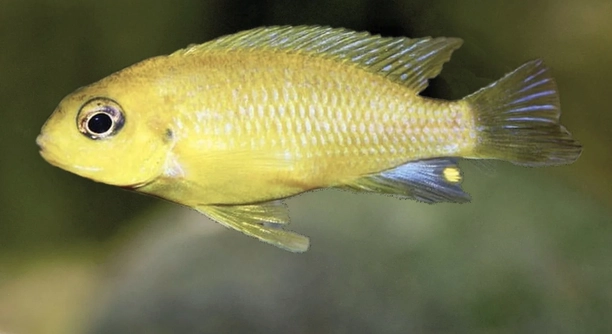
Are your yellow cichlids behaving in ways you did not expect? Many fish owners often notice behaviors that seem unusual or confusing. These behaviors can sometimes be misunderstood or attributed to common myths.
Yellow cichlid behavior is often misinterpreted due to myths that exaggerate aggression, feeding habits, or social interactions. Understanding accurate behavioral patterns helps maintain proper care, reduce stress, and foster a healthier environment for these freshwater fish.
Clarifying these misconceptions will help you better understand your fish and ensure a balanced, thriving aquarium environment for your yellow cichlids.
Myth 1: Yellow Cichlids Are Always Aggressive
Many people assume yellow cichlids are constantly aggressive, but this is not true. Their behavior depends on environment, tank size, and social dynamics. Aggression often appears during territorial disputes, breeding, or when they feel overcrowded. Providing enough space and hiding spots can reduce stress and aggression. Observing your cichlids in a well-maintained tank usually reveals that they are more curious than hostile. Interaction with other compatible fish is often peaceful if proper care is taken. Feeding routines and consistent maintenance also influence their temperament. By understanding triggers for aggressive behavior, you can prevent conflicts and create a stable environment for all tank inhabitants. Not every display of dominance is dangerous, and learning their normal patterns can make care easier.
Proper tank setup and monitoring behavior allow yellow cichlids to coexist without constant conflict or stress in their habitat.
Recognizing the difference between true aggression and normal territorial displays is key. Some posturing is natural, and separating fish prematurely can create unnecessary stress. Providing structure in the tank with rocks, plants, and clear territories helps reduce conflicts. Feeding schedules and observing interactions regularly also improve harmony, making care more predictable and enjoyable.
Myth 2: Yellow Cichlids Only Eat Flakes
Yellow cichlids are often thought to eat only flakes, but they thrive on varied diets. They benefit from pellets, frozen or live foods, and occasional vegetables. A balanced diet ensures proper growth, coloration, and health, and prevents nutrient deficiencies. Variety also encourages natural foraging behaviors, keeping them active and stimulated. Many owners notice their fish respond well to diverse foods, showing more energy and better social interactions. Over-relying on flakes can lead to malnutrition and dull colors. Incorporating protein-rich and vegetable options keeps them healthy and vibrant. Feeding in moderation and rotating food types is essential to avoid overfeeding. Observing appetite and preferences helps adjust portions and food types, supporting long-term wellbeing.
A diverse diet enhances both health and behavior, reducing common feeding-related issues in yellow cichlids.
Offering different textures and nutrients prevents boredom and supports natural instincts. Rotating between flakes, pellets, and live foods mimics their natural environment. Including vegetables like spinach or peas adds fiber and vitamins. Feeding multiple small portions encourages foraging and limits waste. Monitoring their response to new foods helps refine feeding routines and ensures every fish thrives. Over time, varied diets strengthen immunity and improve coloration, giving a balanced and healthy tank environment.
Myth 3: Yellow Cichlids Can Live in Small Tanks
Keeping yellow cichlids in small tanks often causes stress and health issues. They need space to swim, establish territories, and avoid constant conflicts with tank mates.
A cramped environment limits movement and increases aggression. Yellow cichlids are active fish that explore their surroundings. Small tanks make it harder to maintain stable water conditions, which can lead to poor health. Filtration becomes less effective, and waste accumulates faster. Providing a larger tank allows them to display natural behaviors, reducing stress and promoting social balance. Adding rocks and plants creates hiding spots and visual barriers, helping prevent constant territorial disputes. Observing their interactions in a well-structured tank shows they are calmer and more vibrant.
With sufficient space, yellow cichlids thrive. Tank size directly affects growth, behavior, and overall wellbeing. Overcrowding leads to frequent conflicts, stunted growth, and weaker immune systems. Proper planning ensures the aquarium remains healthy and visually pleasing, while your fish enjoy a more natural environment.
Myth 4: Yellow Cichlids Don’t Need Hiding Spots
Hiding spots are crucial for yellow cichlids. They provide security, reduce stress, and help manage aggression between fish.
Rocks, caves, and plants allow fish to retreat when threatened or during breeding. Without these, stress levels rise, often causing health issues or constant chasing between tank mates. Hiding places also support natural behaviors like exploring and defending territory. A well-decorated tank gives each fish its own space, reducing constant conflicts. Observing cichlids using shelters shows their preference for secure areas. Even calm fish use these spots to rest or avoid sudden disturbances. Variety in shapes and sizes of hiding spots helps accommodate different fish personalities and reduces tension in the tank.
Properly arranged hiding places enhance tank harmony. Planning the layout with both open swimming areas and secure shelters allows fish to exercise control over their environment, feel safe, and interact naturally. This balance improves health, behavior, and long-term stability of your aquarium ecosystem.
Myth 5: Yellow Cichlids Can Be Left Alone for Long Periods
Yellow cichlids need regular care and attention. Leaving them unattended for extended periods can lead to stress, poor water quality, and health problems.
Regular feeding, water changes, and monitoring tank conditions are essential. Fish rely on a stable environment, and neglect can quickly affect their behavior and wellbeing.
Myth 6: Yellow Cichlids Always Breed Easily
Breeding yellow cichlids requires proper conditions. Water temperature, pH levels, and tank setup must be suitable for successful spawning.
Providing flat surfaces for eggs, adequate hiding spots, and separating pairs when necessary increases chances of successful breeding. Observing behaviors like cleaning surfaces and pairing rituals helps identify readiness.
Myth 7: Yellow Cichlids Don’t Need Social Interaction
Yellow cichlids are social to some extent. They interact with tank mates and respond to their environment.
Keeping them with compatible fish improves activity levels, encourages natural behaviors, and reduces boredom or stress. Proper group dynamics are important for their overall wellbeing.
FAQ
How often should I feed my yellow cichlids?
Feeding yellow cichlids two to three times a day in small portions works best. Overfeeding can lead to poor water quality and health issues. A balanced diet with pellets, flakes, and occasional live or frozen foods ensures proper nutrition and vibrant coloration. Monitoring how much they eat prevents leftover food from decaying in the tank.
Can yellow cichlids live with other fish?
Yes, yellow cichlids can live with other species if the tank is large enough and the fish are compatible. Avoid keeping them with overly aggressive or very small species. Introducing tank mates gradually and providing hiding spots reduces conflicts. Observing their behavior regularly ensures a peaceful environment for all fish.
What tank size is ideal for yellow cichlids?
A minimum of 55 gallons is recommended for a single yellow cichlid, with larger tanks needed for multiple fish. Ample space reduces territorial aggression and allows fish to swim freely. Incorporating rocks, caves, and plants helps create natural territories and hiding areas, which supports social interactions and stress reduction.
How do I reduce aggression in my yellow cichlids?
Aggression often results from overcrowding or lack of hiding spaces. Providing at least 55 gallons for a small group, along with visual barriers and hiding spots, helps. Monitoring their behavior and separating overly aggressive fish when needed prevents injuries and maintains harmony in the tank.
What water conditions do yellow cichlids prefer?
Yellow cichlids thrive in slightly alkaline water with a pH of 7.8 to 8.6 and temperatures between 74°F and 80°F. Maintaining stable conditions is crucial, as fluctuations can stress fish and lead to disease. Regular water testing and partial water changes help preserve a healthy environment.
Do yellow cichlids require special lighting?
Normal aquarium lighting is sufficient, but a consistent day-night cycle helps regulate their activity and stress levels. Lighting also enhances their natural coloration. Avoid placing the tank in direct sunlight, as this can cause temperature fluctuations and promote algae growth.
How can I encourage breeding in yellow cichlids?
Provide a stable environment with proper water parameters, flat surfaces for egg laying, and hiding spaces. Observing mating behaviors such as cleaning surfaces and pairing rituals indicates readiness. Separating the pair if aggression occurs can improve breeding success. Feeding a high-quality diet supports reproductive health.
What signs indicate my yellow cichlid is stressed?
Stress in yellow cichlids can appear as hiding frequently, loss of appetite, rapid gill movement, or faded colors. Overcrowding, poor water quality, and constant disturbances are common causes. Addressing these factors quickly helps restore health and normal behavior.
How often should I clean the tank?
Partial water changes of 20-25% weekly are recommended, along with routine cleaning of filters and substrate. Avoid removing too much water at once, as sudden changes can stress the fish. Keeping the tank clean supports stable water conditions and prevents disease.
Can yellow cichlids recognize their owners?
Yellow cichlids respond to familiar movements and feeding routines. They may follow your hand when you approach the tank or become more active during feeding. While this is not recognition in the human sense, they learn to associate certain cues with food and safety, showing their awareness of the environment.
What should I do if a fish gets sick?
Quarantine the affected fish if possible and test water parameters first. Identify the symptoms and select appropriate treatment based on the condition. Maintaining a clean tank, avoiding overcrowding, and providing a balanced diet reduces the likelihood of illness spreading. Observing the fish daily helps catch issues early.
How important is water filtration for yellow cichlids?
Filtration is crucial for maintaining stable water conditions, removing waste, and preventing harmful toxins. A reliable filter reduces ammonia and nitrite levels while supporting beneficial bacteria. Regular maintenance of the filter ensures consistent performance and a healthy environment for your fish.
Can yellow cichlids live for many years?
With proper care, yellow cichlids can live up to 10 years or more. Providing the right tank size, diet, water conditions, and social environment contributes to their longevity. Regular monitoring and prompt attention to health issues help ensure a long, healthy life for these fish.
Is it okay to keep only one yellow cichlid?
While a single fish can survive, yellow cichlids are social to a degree. They show natural behaviors more readily in groups but need adequate space to prevent boredom or stress. A well-planned tank with hiding spots and stimulation can support a single fish, though group housing is often more enriching.
Yellow cichlids are fascinating fish that display a variety of behaviors often misunderstood by owners. Many common myths about their aggression, feeding habits, and social needs can lead to mistakes in care. Understanding their natural tendencies and providing proper conditions makes a significant difference in their health and happiness. Observing their actions in a well-structured tank helps identify which behaviors are normal and which may indicate stress or environmental issues. By addressing these myths, owners can create a more balanced and peaceful aquarium. This includes offering appropriate tank size, sufficient hiding spots, and a consistent routine. Such measures reduce conflicts, encourage natural behaviors, and improve overall wellbeing.
Diet, tank conditions, and social dynamics are key factors in maintaining yellow cichlids. A varied diet ensures proper nutrition and vibrant coloration, while stable water parameters prevent illness and stress. Including compatible tank mates and designing spaces for retreat and exploration allow the fish to establish territories without constant conflict. Overcrowding or neglecting their environment can quickly lead to aggression and poor health, so careful planning is essential. Regular observation and maintenance, including feeding schedules, water changes, and monitoring interactions, help owners respond to problems early. Small adjustments, like adding rocks, plants, or separate hiding areas, often make a noticeable difference in behavior. Understanding these elements allows fish to thrive naturally and reduces the likelihood of frustration for both the fish and the owner.
Investing time in learning about yellow cichlid behavior is worthwhile for any aquarium owner. These fish are more complex than many assume, and misconceptions can lead to unnecessary stress or health issues. By separating myths from facts, owners can support their fish in a realistic, evidence-based way. Attention to detail, patience, and careful observation make it possible to enjoy a healthy, harmonious aquarium. Yellow cichlids show curiosity, social interaction, and natural instincts when their environment meets their needs. Creating a space that balances stimulation and security not only benefits the fish but also provides satisfaction for the owner in seeing them thrive. Recognizing their behavior accurately allows for informed decisions in feeding, tank design, and social groupings, ensuring long-term health and enjoyment. A thoughtful approach to care strengthens both the physical and behavioral wellbeing of yellow cichlids, leading to a more rewarding experience in maintaining an aquarium.

Hello,
If you enjoy the content that we create, please consider saying a "Thank You!" by leaving a tip.
Every little bit helps us continue crafting quality advice that supports the health, happiness, and well-being of pets around the world, for pets of all shapes, sizes, and species.
We really appreciate the kindness and support that you show us!