
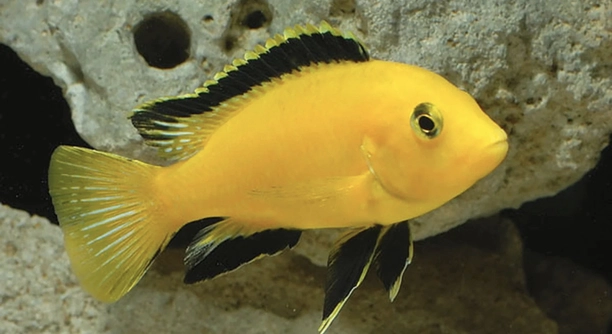
Electric Yellow Cichlids are popular for their bright color and lively behavior in home aquariums. Many owners notice these fish swimming in circular patterns, which can seem puzzling or entertaining to watch during daily care routines.
Electric Yellow Cichlids swim in circles primarily as a natural territorial and social behavior. This circular swimming helps them establish dominance, communicate with other fish, and maintain a sense of security within their environment. It is a normal, instinctive pattern.
Observing these swimming patterns can reveal insights into their social interactions and well-being, making it important for aquarists to understand their natural behaviors more fully.
Why Electric Yellow Cichlids Swim in Circles
Watching my Electric Yellow Cichlids glide in tight circles around their tank has always been fascinating. This behavior is mostly linked to territory and social hierarchy. When a cichlid swims in circles, it signals to others that this space is claimed. It also allows them to show off their vibrant colors and fin movements, which can influence how other fish react. Circular swimming can happen around objects, near the substrate, or in open water. Often, these fish repeat this pattern several times a day, especially if the tank has multiple cichlids. Stress or excitement can increase this behavior. Maintaining proper tank conditions, such as stable water temperature and clean filters, supports their natural routines. Observing these patterns helps me notice when a fish is comfortable or uneasy. Each movement seems deliberate, a blend of instinct and habit that defines their interactions and daily activity within the aquarium.
This swimming behavior is mostly harmless and shows natural instincts. It is a sign of territorial awareness and communication among the fish.
Cichlids also swim in circles as part of mating and courtship displays. Circular motion allows them to gauge the reactions of potential mates and assert dominance in the group. In multi-fish tanks, the behavior helps prevent conflicts by clearly defining areas each fish prefers. As a caretaker, I’ve noticed that variations in tank layout, hiding spots, and decor can influence how often they swim in circles. Adding rocks or plants can slow down repeated circles and provide comfort. Even feeding routines can trigger more activity, as fish often circle near feeding areas before food is added. By paying attention to these patterns, I can better understand their moods and needs. The circular swimming is not random; it is a combination of instinct, environment, and social dynamics that defines their day-to-day behavior in the aquarium.
Factors Affecting Circular Swimming
Water quality and tank conditions strongly influence how often cichlids swim in circles.
Temperature, pH balance, and tank size all affect their energy and activity levels. Overcrowding or aggressive tank mates can increase circular swimming as fish assert territory or attempt to avoid conflict. Feeding schedules and diet quality also play a role, as well-fed, healthy fish exhibit more natural behaviors. Light cycles can impact activity, with more movement during daylight hours. Decorations and hiding spots shape how they navigate their environment, creating more or less space for circling. Seasonal changes or shifts in water parameters may subtly alter patterns. Monitoring these factors allows a clearer understanding of when circling is instinctive and when it signals stress or discomfort. Adjusting tank conditions can help balance their activity. Observing changes over time gives insight into social structures and individual behavior within the group. A stable environment reduces unnecessary stress while supporting natural swimming patterns, helping the cichlids thrive.
Social Behavior and Territoriality
Circular swimming is a clear display of social behavior in Electric Yellow Cichlids. It allows them to establish territory, communicate with other fish, and maintain order within the tank hierarchy. This pattern helps prevent conflicts and signals dominance or submission effectively.
In my experience, observing cichlids interact while circling reveals a lot about their social structure. Dominant fish often swim in larger circles, marking areas they claim, while subordinate fish keep their distance or mimic smaller, cautious circles. This behavior reduces aggression, helping maintain balance in a community tank. It also reinforces bonds and familiarity among the group, as repeated interactions strengthen recognition. Watching these movements over time provides insight into how each fish navigates its social environment.
Territorial behavior through circling can also indicate readiness to breed. Fish often increase the frequency of circular swimming when selecting a mate or defending a spawning site. Observing the intensity and patterns can help track breeding cycles and anticipate interactions. Tank layout, such as rocks and hiding spots, influences how they perform these movements. Proper space and structure reduce stress while allowing natural behaviors. Monitoring interactions ensures that no fish becomes overly dominant or stressed, supporting both social stability and long-term health in the aquarium.
Environmental Influences on Swimming Patterns
Tank size, water quality, and decorations all impact how often cichlids swim in circles. Small or crowded tanks amplify these behaviors, while clean water encourages calmer patterns.
Environmental factors play a significant role in swimming behavior. Temperature fluctuations, water chemistry, and oxygen levels can increase activity, causing more frequent or erratic circling. Plants and rocks provide hiding spots and visual boundaries, which shape movement and reduce unnecessary stress. Changes in lighting or feeding schedules also alter patterns, as fish adjust to routines. Maintaining stable conditions ensures that circling reflects natural instincts rather than stress responses. Observing these behaviors alongside environmental variables helps identify adjustments needed to support a healthy, balanced tank, promoting consistent, predictable activity among all cichlids.
Breeding and Courtship
Circular swimming often increases during breeding periods. It helps fish signal readiness and attract mates, while also establishing protective zones around potential spawning sites.
Observing these patterns closely can indicate which fish are more dominant or more likely to pair. It is a natural and necessary behavior for reproduction.
Health Indicators
Changes in circling behavior can reflect health issues. A decrease or erratic swimming may indicate stress, illness, or water problems. Monitoring these patterns helps ensure timely interventions.
Feeding Behavior
Cichlids often swim in circles near feeding areas before food is added. This anticipatory behavior shows their awareness of routines and helps maintain order during feeding times.
Interaction with Tank Mates
Circling also regulates interactions with other fish. It helps prevent direct conflicts, allowing fish to navigate the tank peacefully while asserting social boundaries.
FAQ
Why do Electric Yellow Cichlids swim in circles constantly?
Electric Yellow Cichlids swim in circles primarily due to social and territorial instincts. Circling establishes dominance and helps them communicate with other fish. It also allows them to maintain awareness of their surroundings, mark territory, and avoid direct conflicts with tank mates. Regular circling is normal and reflects natural behavior rather than a problem.
Is circular swimming a sign of stress or illness?
Not always. While circling is usually natural, sudden changes in frequency, speed, or patterns can indicate stress, illness, or poor water conditions. If fish swim erratically, collide with tank walls, or show other unusual behaviors, checking water quality, diet, and tank environment is recommended.
Do all Electric Yellow Cichlids swim in circles?
Most Electric Yellow Cichlids display circling behavior, but intensity and frequency vary. Factors like tank size, social hierarchy, and personality influence how much they swim in circles. Dominant fish often swim more extensively, while subordinate fish may circle less or mimic cautious movements.
Can tank setup affect circular swimming?
Yes. Decorations, hiding spots, plants, and tank size shape swimming patterns. More space can reduce excessive circling, while crowded or sparse tanks may encourage repetitive loops. Rocks and plants provide boundaries that fish navigate, creating natural pathways for circular motion.
Does feeding schedule influence circling?
Fish often circle near feeding areas before food is added. This behavior signals anticipation and awareness of routines. Consistent feeding schedules can help maintain predictable circling patterns, while irregular feeding may increase stress and erratic movement.
Is circular swimming linked to breeding?
Yes. During breeding, circling often increases as fish assert dominance, display courtship, and select spawning sites. Observing these patterns can help identify potential breeding pairs and understand reproductive readiness. Circling provides visual signals to mates and establishes protective zones.
Should I be concerned if one fish swims more than others?
Not necessarily. Individual differences in energy, dominance, and personality affect swimming. However, sudden increases in circling or unusual behavior should prompt a review of tank conditions, water quality, and overall health to ensure no underlying issues.
Can circling help reduce aggression?
Yes. Circular swimming allows fish to establish territory without direct confrontation. By defining space visually, dominant and subordinate fish interact with fewer conflicts, creating a more balanced social environment and reducing stress within the tank.
Do water conditions impact circling frequency?
Absolutely. Temperature, pH, and oxygen levels influence activity. Stable water conditions promote natural, moderate circling, while fluctuations can cause more rapid or irregular swimming. Regular maintenance helps maintain predictable and healthy swimming patterns.
Is it safe to leave circling behavior unchecked?
In most cases, yes. Natural circling is part of Electric Yellow Cichlids’ behavior and does not require intervention. Monitoring for sudden changes ensures early detection of stress or health issues. Proper care keeps this behavior safe and normal.
Can decorations or tank rearrangement reduce circling?
Yes. Adding rocks, plants, and hiding spots can redirect movement, giving fish more space and reducing repetitive circling. Rearranging the tank periodically encourages exploration and provides mental stimulation while maintaining natural behaviors.
How do I distinguish normal circling from problem behavior?
Normal circling is consistent, smooth, and part of social or feeding routines. Problem behavior is sudden, erratic, or accompanied by signs like lethargy, loss of appetite, or collisions with tank walls. Observing fish over time helps differentiate natural activity from issues.
Does tank size matter for circling behavior?
Yes. Larger tanks allow more natural movement and reduce stress-induced circling. Small tanks may increase loops as fish assert territory or feel confined. Providing adequate space supports normal social dynamics and prevents excessive repetitive swimming.
Can multiple species in one tank affect circling?
Yes. Presence of other species can influence how Electric Yellow Cichlids swim. Aggressive or dominant tank mates may trigger more defensive circling, while peaceful companions may result in calmer patterns. Understanding tank social dynamics helps maintain healthy interactions.
Does light influence circling activity?
Light cycles affect activity levels. Fish are generally more active during daytime, leading to increased circling. Adjusting light schedules can help regulate behavior, ensuring fish are active at natural times and reducing stress caused by abrupt changes in lighting.
Can diet impact circling frequency?
Yes. Well-fed, balanced diets support normal energy levels and natural behavior. Nutritional deficiencies or inconsistent feeding may cause stress or hyperactivity, altering swimming patterns. Observing circling alongside diet helps track overall health and routine.
Is it possible to train or reduce circling?
While you cannot stop natural instincts, modifying tank setup, feeding routines, and providing adequate space can influence frequency and encourage more diverse movement. Enrichment like plants or rocks helps reduce repetitive loops without interfering with instinctive behavior.
Do juvenile and adult cichlids circle differently?
Yes. Juveniles may circle less or in smaller loops as they establish hierarchy, while adults, especially dominant individuals, swim more prominently. Observing age-related differences helps understand social dynamics and expected behavior patterns in mixed-age tanks.
Are there signs that circling indicates mating success?
Yes. Increased, deliberate circling often precedes spawning. Males may display larger, more pronounced circles, while females respond by showing interest and selecting nesting areas. Monitoring patterns can indicate potential breeding activity.
How long should circling episodes last?
Episodes vary, usually lasting several minutes at a time. Extended continuous circling can indicate stress or high excitement. Observing duration alongside context—feeding, breeding, or territory displays—helps assess if behavior is normal or requires intervention.
Can circling be entertaining to observe safely?
Yes. Watching Electric Yellow Cichlids swim in circles provides insight into social hierarchy, health, and personality. It is a natural and safe behavior that can be both informative and enjoyable for caretakers who maintain proper tank conditions.
How can I document circling behavior effectively?
Keeping a journal or video recordings helps track frequency, duration, and patterns. Documenting over time allows recognition of normal behavior versus changes caused by stress, illness, or environmental adjustments. This practice supports proactive care and understanding of tank dynamics.
Does age influence circling patterns?
Yes. Younger fish are often less assertive and circle less frequently, while mature adults establish dominance through more pronounced swimming. Observing patterns over time helps distinguish between natural growth and behavioral issues.
Can circling indicate social bonding?
Yes. Fish often circle together in synchronized patterns or mimic movements, which strengthens group cohesion. It is part of maintaining order, reducing aggression, and establishing familiar social structures in a shared environment.
Should I intervene if circling becomes excessive?
Only if it is accompanied by stress signals, aggression, or health problems. Otherwise, natural circling is harmless. Adjusting tank setup or environmental factors can reduce frequency if needed without disrupting instincts.
Do seasonal changes affect circling?
Yes. Slight variations in temperature, daylight, or water conditions can influence activity levels. Fish may circle more during warmer months or when light periods are longer. Monitoring seasonal shifts ensures consistency in care and tank management.
Can I use circling behavior to assess tank harmony?
Absolutely. Balanced circling patterns indicate stable social hierarchies, adequate space, and minimal stress. Disruptions or irregular movements can signal potential conflicts, overcrowding, or environmental issues requiring attention. Observing circling provides valuable insight into overall tank health and social structure.
Is circling behavior common in other cichlid species?
Yes. While Electric Yellow Cichlids are particularly noticeable, many cichlids display similar circling patterns for territory, social interaction, and breeding purposes. The intensity and style vary by species and tank environment, reflecting shared instinctual behaviors.
Can I combine circling observations with other behavioral monitoring?
Yes. Pairing circling patterns with feeding, aggression, and mating behavior provides a fuller understanding of fish health and social interactions. Regular observation helps maintain a stable, thriving aquarium environment for Electric Yellow Cichlids and other species.
Does circling affect other fish in the tank?
Yes. Dominant circling can influence subordinate fish, encouraging avoidance or mimicry. It helps maintain social order and can prevent direct conflicts, creating a more peaceful, structured tank environment.
Are there tools to measure or monitor circling behavior?
Video recordings and observation logs are effective. Tracking frequency, duration, and patterns allows caretakers to analyze behavior, detect changes, and make informed adjustments to tank conditions for optimal fish health.
How can I ensure circling remains a positive behavior?
Maintain stable water conditions, appropriate tank size, proper diet, and structured social groups. Providing hiding spots, decorations, and predictable routines encourages natural circling without stress, supporting the well-being and comfort of all Electric Yellow Cichlids.
Can circling indicate environmental enrichment?
Yes. Fish use circling to explore boundaries and navigate tank features. Providing plants, rocks, and obstacles encourages purposeful movement, making circling a natural response to a stimulating environment rather than boredom.
Is it normal for circling to occur at different tank levels?
Yes. Fish may circle near the surface, mid-level, or substrate depending on activity, social interactions, or feeding patterns. Variation in height shows adaptability and comfort within the tank, reflecting natural instincts.
How do I differentiate mating circling from territorial circling?
Mating circling is often more focused near potential nesting sites, paired with display behaviors and interaction with a mate. Territorial circling spreads across claimed areas, signaling dominance and warning other fish to maintain distance. Observation of context clarifies intent.
Does circling frequency change with group size?
Yes. Larger groups often lead to more structured and frequent circling, as fish negotiate space and hierarchy. Smaller groups may show less pronounced patterns. Understanding group dynamics helps manage tank population and behavior effectively.
Are there long-term patterns in circling behavior?
Yes. Dominant fish maintain regular, extensive circling, while subordinates adapt to avoid conflicts. Observing over months reveals stable social hierarchies, activity trends, and responses to environmental changes, supporting consistent care and tank management.
Does circling have energy costs for the fish?
Moderate circling is a normal, healthy activity. Excessive or frantic movement may indicate stress or environmental issues, requiring monitoring and adjustments to maintain overall health and prevent exhaustion.
Can circling behavior indicate learning or adaptation?
Yes. Fish adapt circling routes to tank layout, obstacles, and social interactions. They may change patterns over time to optimize movement, avoid conflicts, or explore new areas, showing cognitive flexibility in a structured environment.
Is it safe to introduce new fish when circling is frequent?
Introducing new fish requires careful observation. Frequent circling indicates active territorial behavior, which may increase aggression. Providing hiding spots and space reduces conflicts and supports smoother integration of newcomers.
How does circling relate to stress signals?
Normal circling is calm and consistent. Erratic or frantic circling combined with color changes, loss of appetite, or hiding may signal stress. Monitoring patterns alongside other behaviors helps detect problems early and maintain a healthy environment.
Does circling behavior vary between male and female cichlids?
Yes. Males often exhibit more pronounced, extensive circling for dominance and courtship. Females may circle less frequently, primarily for social positioning or during breeding interactions. Observing differences helps identify roles and social structure within the tank.
Can circling behavior help with tank management decisions?
Yes. By monitoring frequency, intensity, and patterns, I can adjust tank layout, population density, and feeding schedules. Circling offers insight into social harmony, environmental adequacy, and potential health concerns, making it a practical tool for maintaining a balanced aquarium.
Is it normal for circling to intensify at certain times of day?
Yes. Circling often peaks during daylight or feeding times. Observing these patterns helps anticipate activity, plan interactions, and ensure fish have space to engage in natural behaviors without stress or overcrowding.
Can circling behavior indicate dominance hierarchies?
Absolutely. Dominant fish circle more widely and assertively, while subordinate fish take smaller, cautious loops. Tracking these patterns over time helps understand tank social order and prevent conflicts, ensuring all fish coexist peacefully.
Does tank depth influence circling behavior?
Yes. Fish may choose different vertical zones based on comfort, social interactions, or environmental preferences. Variation in depth usage demonstrates adaptability and allows natural expression of behavior within a multi-level environment.
How do I maintain circling as healthy activity?
Ensure proper diet, water quality, tank size, and hiding spots. Regular observation and environmental enrichment support natural movement patterns, helping cichlids remain active, comfortable, and socially balanced without excessive stress.
Can circling behavior indicate environmental stress?
Yes. Rapid or frantic circling, collisions, or prolonged loops may signal water quality issues, overcrowding, or social tension. Monitoring alongside other signs allows early intervention and prevents long-term health impacts.
Is it normal for circling to decrease with age?
Yes. Older fish may reduce activity, circle less frequently, or adopt slower, deliberate movements. This reflects natural aging, reduced energy, and established social roles, not necessarily health problems.
Does circling help with spatial awareness?
Yes. Circular swimming allows fish to map their territory, recognize tank features, and maintain awareness of other fish. It supports navigation, safety, and social interaction within their environment.
Are there seasonal patterns in circling related to reproduction?
Yes. Fish may increase circling in warmer months or periods of stable light, aligning with natural breeding instincts. Observing these patterns provides insight into reproductive cycles and social behavior timing.
Can excessive circling damage the fish?
Generally no. Normal circling is safe, but frantic or continuous loops caused by stress, aggression, or poor conditions may risk injury or exhaustion. Monitoring behavior ensures safety and well-being.
How can I balance circling behavior with tank design?
Providing open areas for swimming, hiding spots for security, and decorations for exploration supports healthy circling without stress. Thoughtful tank design encourages natural movement while maintaining social harmony.
Is circling more prominent in single-species tanks?
Yes. Without interference from other species, territorial and social behaviors are more visible. Circling can become the primary method for establishing hierarchy, interacting, and navigating the environment naturally.
Can circling behavior signal successful acclimation?
Yes. Fish that swim naturally and confidently in circles demonstrate comfort and adaptation to the tank environment. Consistent, smooth patterns indicate stable social integration and environmental satisfaction.
Does circling relate to mental stimulation?
Yes. Navigating obstacles, interacting with tank mates, and maintaining territory provide cognitive engagement. Circling offers a form of exercise and stimulation that contributes to overall well-being and reduces boredom.
Can circling predict aggression?
Yes. Dominant, extended circling often precedes territorial disputes or conflicts. Observing patterns allows preemptive adjustments to prevent fights, redistribute space, or add hiding spots to maintain harmony.
Does circling intensity vary with water flow?
Yes. Faster currents or strong filtration may alter patterns, requiring fish to adjust loops for navigation. Moderate, stable flow supports natural circling without excessive energy expenditure.
Is circling behavior a reliable indicator of health?
Yes. Consistent, smooth circling reflects normal social interaction, comfort, and energy. Deviations, such as frantic or irregular movement, often indicate environmental stress, illness, or social imbalance. Regular observation provides valuable insights for ongoing care.
Can circling behavior help plan tank enrichment?
Yes. Observing preferred pathways, loops, and zones informs placement of decorations, plants, and hiding spots. Thoughtful enrichment encourages natural movement while reducing stress and repetitive patterns.
Do Electric Yellow Cichlids ever stop circling completely?
Only if stressed, ill, or in an overcrowded or uncomfortable tank. Healthy fish maintain some level of circling, reflecting natural instincts for territory, social interaction, and environmental awareness.
How often should I monitor circling behavior?
Daily observation is ideal. Tracking patterns over time helps detect early signs of stress, health issues, or social imbalance. Consistent monitoring ensures a stable, healthy, and harmonious tank environment.
Can circling behavior be part of training or conditioning?
Yes. While instinctive, circling can be shaped by predictable feeding routines, enrichment placement, and social cues. Structured environments encourage natural behavior while minimizing stress or aggression.
Does circling affect tank aesthetics or viewer experience?
Yes. Watching coordinated loops, displays of color, and social interaction enhances enjoyment and understanding of natural behavior. It provides insight into the dynamics of fish life in a visually engaging way.
Can circling behavior change over long-term observation?
Yes. Fish adapt to new tank layouts, social changes, and environmental adjustments. Observing shifts over weeks or months reveals patterns in social hierarchy, energy levels, and comfort, guiding informed tank management decisions.
Is it normal for circling to vary by time of year?
Yes. Seasonal changes, light cycles, and water temperature influence activity. Fish may circle more during periods aligned with natural instincts or breeding cycles, reflecting adaptive behavior to environmental cues.
Can circling help predict social conflicts?
Yes. Increased intensity, repeated loops, or frequent territorial displays can indicate rising tension. Monitoring circling allows preemptive interventions, such as adjusting tank layout or providing additional hiding spots to reduce aggression.
Does circling provide insight into individual fish personality?
Yes. Some fish are more active, bold, or dominant, reflected in their circling patterns. Tracking these behaviors over time reveals personality traits, helping manage social dynamics and care strategies.
How do I distinguish normal excitement from stress-related circling?
Excitement-driven circling is smooth, focused, and purposeful, often linked to feeding or breeding. Stress-related circling is frantic, erratic, or prolonged, sometimes with color changes, collisions, or hiding, signaling the need to check tank conditions.
Can circling influence the behavior of other tank inhabitants?
Yes. Dominant fish set the pace and territory boundaries, encouraging subordinate fish to adapt, mimic, or avoid conflict. Circling helps maintain social order and reduces direct aggression in a shared environment.
Are there any long-term benefits of circling behavior?
Yes. Circling supports physical exercise, social interaction, cognitive engagement, and territorial awareness. It maintains health, reinforces social hierarchy, and promotes environmental exploration, contributing to a balanced and thriving aquarium ecosystem.
How does circling reflect natural instincts?
Circling is rooted in territoriality, social signaling, mating displays, and environmental awareness. Observing these patterns provides insight into behaviors that evolved for survival and reproduction in natural habitats.
Can I modify circling without disrupting natural behavior?
Yes. Adjusting tank layout, providing enrichment, ensuring proper diet, and maintaining water quality can influence patterns without stopping instinctive movement. It encourages variety and reduces stress while supporting normal behavior.
**Is monitoring circling essential
Observing Electric Yellow Cichlids swim in circles provides a unique glimpse into their natural instincts and daily routines. This behavior is an important part of their social structure, allowing fish to establish territory, communicate with tank mates, and maintain order in the group. Circling is not random; it reflects a combination of instinct, environment, and interaction with other fish. Over time, patterns emerge that reveal dominance hierarchies, preferred spaces, and even signs of potential breeding activity. By paying attention to these movements, caretakers can better understand the personalities and social dynamics of each fish in the tank. Recognizing circling as normal behavior reduces unnecessary concern and helps identify when changes might indicate stress, illness, or environmental issues that need attention.
Proper tank management plays a significant role in maintaining natural circling behavior. Adequate space, stable water conditions, and a well-planned layout with hiding spots, rocks, and plants create an environment where fish can move comfortably and express their instincts without unnecessary stress. Feeding routines and diet quality also influence activity, as well-fed, healthy fish display more natural behaviors, including regular circling patterns. Overcrowding or aggressive tank mates can increase tension, leading to excessive or erratic circling. By monitoring these factors, caretakers can ensure a balance between social interaction, territorial expression, and comfort within the tank. Observing changes over time helps identify which behaviors are typical and which may require adjustments to maintain a healthy, harmonious environment. Circling can also serve as a visual indicator of the overall well-being of the fish, making careful observation a valuable tool in aquarium management.
Circling behavior, when understood properly, offers insight into the complex interactions within a fish community. It reflects instinctive patterns for survival, communication, and reproduction, while also allowing individuals to navigate their environment safely. Maintaining stable conditions, observing patterns, and providing thoughtful enrichment ensures that circling remains a natural, healthy part of daily life for Electric Yellow Cichlids. Recognizing the difference between normal and abnormal patterns allows for timely intervention, supporting long-term health and social stability. By understanding and respecting these natural behaviors, caretakers can create a balanced and stimulating environment that encourages activity, reduces stress, and promotes the overall quality of life for every fish in the aquarium. Paying attention to these details not only enhances the care provided but also fosters a deeper appreciation for the behavior and personality of each Electric Yellow Cichlid, making the aquarium experience both rewarding and insightful.

Hello,
If you enjoy the content that we create, please consider saying a "Thank You!" by leaving a tip.
Every little bit helps us continue crafting quality advice that supports the health, happiness, and well-being of pets around the world, for pets of all shapes, sizes, and species.
We really appreciate the kindness and support that you show us!