
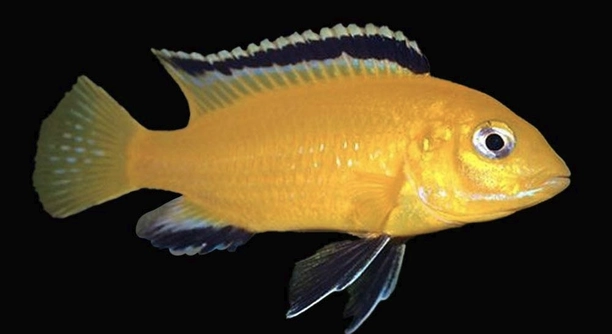
Are your electric yellow cichlids acting more aggressive than usual or showing signs of stress in their tank? These bright fish need more than just clean water and food to thrive in a home aquarium.
Improving electric yellow cichlid behavior involves several key factors, including proper tank size, compatible tank mates, structured hiding spaces, consistent feeding schedules, enriched environments, stable water parameters, and regular monitoring of their social interactions. Each factor contributes to reduced stress and balanced aggression.
Understanding these basics can help create a more peaceful and engaging environment for your cichlids. Small changes often lead to noticeable improvements in their behavior.
Proper Tank Size
Electric yellow cichlids are active fish that need ample space to swim freely. A small tank can increase stress and lead to aggression, while a spacious tank allows them to establish territories naturally. For a group of these cichlids, a tank of at least 55 gallons is recommended, with larger tanks preferred for multiple fish. Proper water filtration is also crucial, as stagnant or poorly filtered water can harm their health. Providing open swimming areas alongside hiding spots helps balance their environment. Decorations should not overcrowd the tank, allowing cichlids to move comfortably while claiming their own spaces.
A well-sized tank reduces aggressive behaviors and keeps your cichlids physically healthy.
Ensuring sufficient space also supports better social interactions. Electric yellow cichlids can become territorial, especially during breeding. A larger environment allows them to avoid constant confrontations. By giving them room to explore and retreat, you foster natural behaviors and minimize stress-related issues. Observing how they use the space can guide placement of hiding spots, rocks, and plants. A carefully planned tank contributes to calmer, more balanced fish, making daily care easier and more rewarding.
Compatible Tank Mates
Electric yellow cichlids thrive when housed with species that share similar temperaments and size. Aggressive or very small fish can trigger unnecessary conflicts or be seen as prey. Choosing compatible tank mates ensures a stable social structure and prevents constant territorial disputes. Ideal companions include other peaceful cichlids or robust fish that tolerate similar water conditions. Introducing fish gradually and observing their interactions helps maintain harmony. Avoid overcrowding, which can heighten aggression, and provide multiple hiding spaces to reduce tension between species.
Selecting compatible species promotes a calmer, healthier aquarium environment.
Mixing cichlids with compatible tank mates requires planning and monitoring. Introducing fish of similar size and temperament helps maintain balance. It’s also essential to watch for early signs of aggression or stress, as these can escalate if ignored. Hiding spots, rocks, and plants allow weaker or shy fish to avoid conflict, giving them safe zones. Grouping fish with shared behaviors ensures interactions feel natural rather than competitive. Regular observation allows you to adjust the setup if necessary, maintaining a stable and peaceful tank that supports the wellbeing of all inhabitants.
Structured Hiding Spaces
Providing caves, rocks, and plants creates safe zones for electric yellow cichlids. These spaces reduce stress, minimize aggression, and allow fish to retreat when feeling threatened.
Hiding spaces help establish territories and decrease constant confrontations. Cichlids feel secure when they have areas to claim as their own. Rocks stacked in stable formations or ceramic caves mimic natural habitats, encouraging natural behavior. Plants with dense foliage offer additional cover and soft boundaries. Without proper shelters, dominant fish may chase or harass others, leading to stress, injuries, or poor health. Observing how your cichlids use these spaces helps you adjust the tank layout for optimal comfort.
Well-placed hiding spots also support breeding behavior. Female cichlids feel safer laying eggs in protected areas, while males use nearby shelters to guard their territory. Providing multiple retreats prevents any single fish from being cornered. By designing a tank with thoughtful hiding areas, you encourage balanced interactions, reduce stress, and create a more visually appealing environment. It also allows for easier observation of natural behaviors, keeping your aquarium both functional and attractive.
Consistent Feeding Schedules
Electric yellow cichlids perform better with regular feeding times. A predictable routine helps reduce competition and aggression during meals.
Feeding on a consistent schedule ensures all fish receive adequate nutrition while avoiding overfeeding. Uneven feeding can cause dominant fish to monopolize food, leaving others malnourished. Providing high-quality cichlid pellets, supplemented with occasional vegetables or protein sources, supports growth and vibrant coloration. Feeding smaller amounts multiple times a day can prevent sudden bursts of aggression that occur when all fish rush for food simultaneously. Monitoring consumption helps adjust portions, maintaining water quality and preventing waste buildup.
Maintaining regular feeding schedules also strengthens fish health and behavior. Predictable routines lower stress levels and promote calmer interactions. Over time, electric yellow cichlids learn when to expect food, reducing frantic activity during mealtimes. Balanced nutrition supports immune function, vibrant colors, and reproductive readiness. By controlling portions and providing variety, you create a more harmonious environment that benefits all tank inhabitants. Consistency in feeding directly impacts overall behavior, making the aquarium more manageable and enjoyable.
Enriched Environment
Adding rocks, driftwood, and live plants keeps electric yellow cichlids mentally stimulated. A varied environment encourages exploration and reduces boredom-related aggression.
Regularly changing or rearranging decorations provides new challenges and prevents the tank from feeling monotonous. Enrichment mimics natural conditions and supports healthy behavior.
Stable Water Parameters
Maintaining consistent water temperature, pH, and hardness is essential. Sudden changes cause stress and increase aggressive tendencies.
Regular testing ensures stability, while slow adjustments prevent shocks. Keeping parameters within recommended ranges supports immune function and natural behavior patterns.
Regular Monitoring
Observe fish daily for changes in behavior, coloration, or health. Early detection prevents issues from escalating.
Tracking interactions helps identify aggressive patterns and allows timely interventions before conflicts worsen. Consistent attention keeps the tank balanced.
Social Interactions
Electric yellow cichlids develop stronger social bonds when housed in appropriate groups. Small groups reduce constant fighting.
Monitoring group dynamics ensures weaker fish are not harassed. Adjusting group sizes or rearranging the tank can maintain harmony and support positive behavior.
FAQ
What is the ideal tank size for electric yellow cichlids?
A tank of at least 55 gallons is recommended for a small group. Larger tanks are better for multiple cichlids, giving them room to swim and establish territories. Proper filtration is essential to maintain water quality and reduce stress.
How many electric yellow cichlids can I keep together?
Group size depends on tank volume and structure. Typically, 5–7 fish in a 55-gallon tank works, but more space allows larger groups. Ensuring hiding spots and territories prevents constant aggression. Monitoring behavior is important to adjust numbers if conflicts arise.
What tank mates are suitable for electric yellow cichlids?
Compatible tank mates are similar-sized, peaceful cichlids or fish that tolerate the same water conditions. Avoid very small fish or aggressive species. Gradual introductions and observation help maintain harmony and reduce stress.
How do I create proper hiding spaces?
Use rocks, caves, ceramic ornaments, and live plants. These provide retreats, support breeding behavior, and allow shy or weaker fish to avoid confrontations. Multiple shelters prevent one fish from dominating the tank. Rearranging occasionally adds stimulation.
How often should I feed my cichlids?
Feed two to three times a day with measured portions. Regular schedules prevent dominance during feeding, reduce aggression, and support overall health. Include high-quality pellets, supplemented occasionally with vegetables or protein sources. Monitor consumption to adjust amounts and prevent overfeeding.
What kind of environment enrichment works best?
Varied structures like rocks, driftwood, and live plants encourage exploration and reduce boredom. Rearranging the tank or adding new elements periodically mimics natural habitats and keeps fish mentally active, supporting calmer behavior.
How can I maintain stable water parameters?
Keep temperature, pH, and hardness consistent. Sudden changes stress fish and increase aggression. Test water regularly and make gradual adjustments when necessary. Proper filtration and partial water changes maintain a healthy environment.
How do I monitor social interactions?
Observe fish daily for aggression, color changes, or abnormal behavior. Take notes on interactions and adjust tank layout or group sizes if necessary. Ensuring weaker fish are not harassed preserves harmony.
What signs indicate stress or poor behavior?
Signs include constant chasing, hiding, loss of color, or reduced appetite. Stress often results from overcrowding, poor water quality, or lack of hiding spots. Address these issues immediately to restore balance and health.
Can electric yellow cichlids breed in a home aquarium?
Yes, with proper hiding spaces and a stable environment, females will lay eggs in protected areas. Males guard territories nearby. Multiple retreats reduce stress and increase successful breeding chances. Regular observation ensures both adults and fry remain safe.
How do I prevent aggression in the tank?
Provide enough space, hiding spots, and compatible tank mates. Maintain stable water conditions and a consistent feeding schedule. Observing interactions and making adjustments quickly prevents dominance and prolonged conflict.
Is tank decoration important for behavior?
Yes, proper decorations create territories, retreats, and visual barriers, reducing aggression. A mix of open swimming space and covered areas encourages natural behavior and supports overall health.
How do I ensure long-term well-being?
Combine proper tank size, compatible mates, structured hiding spaces, enrichment, stable water, regular feeding, and daily monitoring. Consistency in care reduces stress, improves behavior, and ensures electric yellow cichlids remain healthy and vibrant.
This FAQ covers common concerns, offering practical steps to improve behavior and maintain a balanced, thriving aquarium for electric yellow cichlids.
Final Thoughts
Electric yellow cichlids are vibrant and active fish that bring energy to any aquarium. Their behavior can be influenced by many factors, and creating the right environment is key to keeping them calm and healthy. Proper tank size is fundamental, as a spacious environment allows each fish to swim freely and establish territories without unnecessary conflict. A crowded or small tank increases stress, which often leads to aggression and health problems. Along with space, the tank should include stable water conditions and good filtration. Consistency in temperature, pH, and hardness reduces stress and supports overall wellbeing. Monitoring these factors regularly ensures that the fish remain in a stable environment, minimizing behavioral issues and encouraging natural activity.
Hiding spaces and decorations play a significant role in shaping behavior. Rocks, caves, and live plants offer retreat areas for shy or weaker fish, allowing them to avoid confrontations. These spaces also help establish territories, which reduces overall aggression in the tank. Rearranging or adding new elements occasionally provides mental stimulation, keeping the cichlids engaged and preventing boredom. Feeding practices are equally important. Regular feeding schedules with measured portions reduce competition during mealtime, supporting calmer interactions and better health. Providing high-quality pellets along with occasional vegetables or protein sources ensures balanced nutrition, promoting vibrant coloration, strong immune function, and energy for normal activity.
Lastly, social structure and monitoring are essential for maintaining harmony in the tank. Electric yellow cichlids often interact aggressively when stressed, overcrowded, or housed with incompatible species. Observing daily behavior allows for quick adjustments, such as rearranging decorations, introducing hiding spots, or modifying group sizes. Keeping compatible tank mates, maintaining enrichment, and ensuring consistent care all contribute to a stable and healthy community. By combining proper tank setup, enrichment, feeding, and attentive observation, it is possible to reduce aggression, improve overall wellbeing, and create a peaceful environment for electric yellow cichlids to thrive. Following these practices encourages natural behavior and helps maintain a visually appealing and balanced aquarium that is enjoyable to care for over time.

Hello,
If you enjoy the content that we create, please consider saying a "Thank You!" by leaving a tip.
Every little bit helps us continue crafting quality advice that supports the health, happiness, and well-being of pets around the world, for pets of all shapes, sizes, and species.
We really appreciate the kindness and support that you show us!