
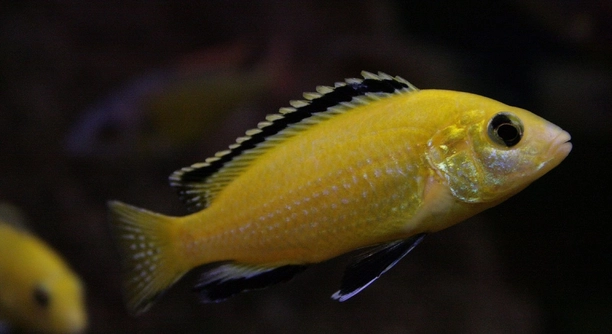
Have you ever noticed your electric yellow cichlids acting restless or hiding more than usual? Many fish owners may overlook subtle signs in their tanks that hint at needed improvements and upgrades for a healthier environment.
Electric yellow cichlid tanks often require upgrading when issues like poor water quality, limited swimming space, insufficient filtration, or improper decor begin affecting fish behavior and health. Recognizing these signs early prevents long-term stress and ensures optimal tank conditions for vibrant, active fish.
Keeping your tank environment ideal is key to maintaining happy, healthy cichlids. Small adjustments now can prevent bigger problems and support your fish’s long-term well-being.
Water Quality Problems
Maintaining clean water in an electric yellow cichlid tank is more challenging than many people realize. Over time, fish waste, uneaten food, and decaying plants can change the water chemistry, causing stress and illness. Regular testing for ammonia, nitrite, nitrate, and pH is essential to spot imbalances before they harm the fish. Even small fluctuations in pH can affect your cichlids’ behavior, causing lethargy or unusual aggression. Using a reliable filtration system, performing partial water changes, and avoiding overcrowding are key steps. It’s important to check water temperature as well since sudden changes can weaken their immune system. Many people assume adding chemicals will fix everything quickly, but consistent maintenance and monitoring provide more reliable results. Observing your fish daily can reveal subtle changes, like fading colors or clamped fins, which often indicate water stress. Ensuring a stable and clean aquatic environment helps fish thrive, swim actively, and display natural behaviors.
Regular water tests and partial changes prevent long-term stress and health issues for cichlids, keeping the tank stable and safe.
Proper filtration, consistent water changes, and careful monitoring prevent toxic buildup and maintain an environment that supports natural behaviors, growth, and vibrant coloration in electric yellow cichlids. Understanding their tolerance levels and adjusting conditions gradually ensures a thriving tank over time.
Overcrowding Issues
Too many fish in one tank can quickly lead to stress and territorial disputes among electric yellow cichlids.
Overcrowding reduces swimming space and increases waste buildup, which strains filtration systems and water quality. Stress from tight quarters can cause frequent aggression, fin nipping, or hiding. Each cichlid needs enough territory and room to display natural behavior, including exploring, digging, and interacting socially. Adding more hiding spots and rearranging decorations can temporarily reduce tension, but the long-term solution is maintaining a proper fish-to-tank ratio. A 55-gallon tank, for example, should comfortably house about six adult electric yellow cichlids, depending on their size. Overcrowding also affects growth, as competition for food may leave weaker fish undernourished. Monitoring interactions daily helps spot early signs of bullying or stress before they escalate. Ensuring adequate filtration and keeping water chemistry stable further mitigates the effects of slightly higher population densities. When a tank is upgraded to a larger size, both the fish’s health and behavior improve noticeably.
Filtration Problems
A weak or outdated filter can’t keep up with waste, uneaten food, and debris. This leads to cloudy water, high toxins, and stressed fish that may develop illness quickly if the problem isn’t addressed.
Without proper filtration, ammonia and nitrite levels can rise rapidly, causing cichlids to gasp at the surface or hide more than usual. Filters need regular cleaning, but replacing old media is also essential. The water flow should match the tank size and fish load to ensure debris is removed efficiently. Many people rely on small filters meant for smaller tanks, which can’t handle the bio-load of a heavily stocked cichlid tank. Upgrading to a high-quality filter with adequate mechanical, chemical, and biological filtration ensures water stays clean and stable. Monitoring water clarity and odor helps track filter efficiency. Installing an additional filter can sometimes help if the tank has more fish than usual or strong territorial activity, which can increase waste levels unexpectedly.
Even with regular water changes, poor filtration can make maintaining stable conditions nearly impossible. A strong, reliable system prevents sudden spikes in harmful compounds and keeps the tank healthy over time.
Inadequate Tank Size
Small tanks limit swimming space, making cichlids more aggressive and stressed. Territorial disputes increase, and natural behaviors like digging and exploring are restricted.
Electric yellow cichlids are active fish that need room to move freely and establish territories. A tank that is too small not only heightens aggression but also makes maintaining water quality difficult. Limited space causes rapid waste accumulation, which strains filtration and alters chemical balance. Fish in cramped conditions may show stunted growth and duller colors. Larger tanks allow for multiple hiding spots, more decorations, and zones where each cichlid can claim its own territory, reducing stress. Over time, upgrading to a bigger tank creates a more stable and comfortable environment. It also gives the fish more opportunities to swim naturally, interact socially, and exhibit vibrant coloration. Adjusting tank layout alongside increasing size ensures that both dominant and shy fish can coexist without constant conflict. Proper spacing contributes to overall health, longevity, and visible vitality of the cichlids.
Decoration and Hiding Spot Shortages
Lack of decorations or hiding spots makes cichlids feel exposed, increasing stress and aggression. Rocks, caves, and plants create territories and provide security for shy or smaller fish.
Without proper cover, dominant fish may constantly chase others, leading to injury and stress. Providing enough hiding spots balances the tank socially and reduces tension among cichlids.
Lighting Issues
Harsh or inconsistent lighting can stress electric yellow cichlids and affect their coloration. Bright lights without shaded areas make fish hide more often, while dim lighting may dull their colors and energy levels. Properly timed lighting simulates natural day and night cycles.
Overfeeding Concerns
Feeding too much causes water quality problems. Uneaten food decomposes quickly, raising ammonia and nitrate levels, which stresses fish and can trigger illness. Consistent, measured feeding prevents these issues and maintains a healthier tank environment.
Unstable Water Temperature
Sudden temperature changes weaken cichlids’ immune systems and can cause shock. Maintaining a stable, appropriate temperature is essential for growth, activity, and overall health.
FAQ
How often should I upgrade my electric yellow cichlid tank?
Tank upgrades depend on fish growth, population, and behavior. If fish show stress, aggression, or restricted movement, it’s time to consider a larger tank, additional filtration, or new decorations. Regularly checking water quality and observing fish behavior helps determine when changes are needed.
What size tank is best for adult electric yellow cichlids?
Adult electric yellow cichlids thrive in tanks of at least 55 gallons. Larger tanks, such as 75 gallons or more, are better for multiple fish. Adequate space reduces aggression, allows natural behaviors, and improves water stability, making maintenance easier.
How do I know if my filtration system is sufficient?
Check water clarity and test ammonia, nitrite, and nitrate levels regularly. If readings are high despite routine water changes, your filter may be underperforming. Flow rate should match tank size, and mechanical, chemical, and biological filtration should be adequate to handle the bio-load.
Can adding decorations reduce aggression?
Yes. Rocks, caves, and plants provide hiding spots and territory boundaries, helping minimize conflicts. Each fish can claim a personal space, which reduces stress and fin damage. Rearranging decorations periodically can also help disrupt established territories and prevent bullying.
How often should water be changed?
Partial water changes of 20–30% weekly are generally recommended. Frequency depends on tank size, population, and filtration efficiency. Regular changes help remove excess nutrients, reduce toxins, and maintain chemical balance, keeping fish healthy and active.
What is the ideal water temperature for electric yellow cichlids?
Maintaining a stable temperature between 75°F and 82°F is optimal. Sudden fluctuations can stress fish, weaken immunity, and increase susceptibility to disease. Using a reliable heater and thermometer ensures consistent conditions.
How do I prevent overfeeding?
Feed small amounts once or twice daily, only what the fish can eat in a few minutes. Remove uneaten food promptly to prevent decay and water quality issues. Consistent feeding routines help maintain fish health without polluting the tank.
How can I tell if my cichlids are stressed?
Signs include hiding, reduced activity, faded colors, loss of appetite, and frequent chasing by other fish. Stress often results from poor water quality, overcrowding, or inadequate hiding spots. Observing daily behavior and responding quickly helps prevent long-term health problems.
Is upgrading the tank the only solution for aggressive behavior?
Not always. Adjusting tank layout, adding hiding spots, and balancing the number of fish can reduce aggression. In severe cases, increasing tank size or separating aggressive individuals may be necessary to maintain harmony.
How do I maintain stable water conditions after upgrading?
Introduce changes gradually. Add fish slowly, monitor water chemistry closely, and ensure filtration can handle the new volume. Regular testing, partial water changes, and careful observation of fish behavior ensure the upgraded tank remains healthy and balanced.
Can lighting affect cichlid health?
Yes. Too bright or inconsistent lighting causes stress, hiding, and reduced activity. Properly timed lighting simulates day and night cycles, enhances color, and supports natural behaviors. Adding shaded areas or floating plants can help manage light intensity.
What signs indicate my cichlid tank needs major upgrades?
Frequent water quality issues, high aggression, stunted growth, faded colors, and constant hiding are all indicators. If multiple problems persist despite regular maintenance, tank size, filtration, or layout upgrades are necessary for the fish’s well-being.
How do I plan a smooth upgrade?
Assess current problems, research tank size and filtration needs, and prepare decorations and hiding spots. Introduce changes gradually to avoid shocking fish. Test water frequently, observe behavior, and adjust conditions as needed to maintain a stable, healthy environment.
This FAQ covers the most common concerns about electric yellow cichlid tanks. Following these guidelines ensures that upgrades are timely, effective, and beneficial for both fish health and tank maintenance. Proper attention to water quality, space, feeding, and behavior creates a thriving, balanced aquatic environment.
Upgrading your electric yellow cichlid tank is an important step in ensuring your fish remain healthy, active, and stress-free. Many tank owners don’t realize how quickly conditions can deteriorate, even in a well-maintained aquarium. Factors like water quality, tank size, filtration, and the number of decorations all play a role in the overall health of your cichlids. Observing your fish daily can reveal small changes in behavior, such as hiding more often, fading colors, or increased aggression, which are signs that something in the tank might need attention. These signs shouldn’t be ignored because prolonged stress can lead to disease and even premature death. By taking action when you notice these behaviors, you create a safer and more stable environment. Even small adjustments, like adding a new cave or increasing the filter capacity, can have a significant positive impact on your fish’s well-being. Regular monitoring of water parameters, including pH, ammonia, nitrite, and nitrate levels, is essential to catch problems before they escalate. Stability is one of the key factors for the long-term success of any cichlid tank.
Tank size is another crucial element that directly affects your fish’s behavior and health. Electric yellow cichlids are naturally active and territorial, which means they need enough space to establish their own areas and swim freely. Overcrowding can quickly lead to stress, aggressive behavior, and a decline in water quality. A properly sized tank gives each fish enough room to move and reduces the likelihood of conflicts. It also allows for the inclusion of decorations, rocks, and hiding spots that mimic natural habitats, giving fish a sense of security. When upgrading to a larger tank, consider the future growth of your cichlids. They will continue to grow over time, and what seems like a sufficient size now may become cramped in the future. Planning ahead ensures that your investment in a larger tank will continue to benefit your fish for years. A spacious and well-organized tank not only improves water circulation and filtration efficiency but also makes maintenance easier and less stressful for the owner.
Consistent care and attention are equally important after upgrading your tank. Filtration, water changes, and feeding routines need to match the increased tank size and fish population. Introducing changes gradually helps prevent shocking your fish and allows them to adjust to new conditions smoothly. Watching their behavior and checking water parameters regularly ensures that any issues are addressed quickly. Lighting and decoration placement can also affect fish comfort and reduce stress, so thoughtful planning is important. Ultimately, a successful upgrade is not just about adding space or equipment—it’s about creating an environment that supports healthy behavior, stable water conditions, and overall vitality. Taking the time to observe, adjust, and maintain your electric yellow cichlid tank results in fish that are more vibrant, active, and long-lived. By paying attention to these key aspects, your tank can remain a balanced and thriving home for your cichlids for years to come.

Hello,
If you enjoy the content that we create, please consider saying a "Thank You!" by leaving a tip.
Every little bit helps us continue crafting quality advice that supports the health, happiness, and well-being of pets around the world, for pets of all shapes, sizes, and species.
We really appreciate the kindness and support that you show us!