
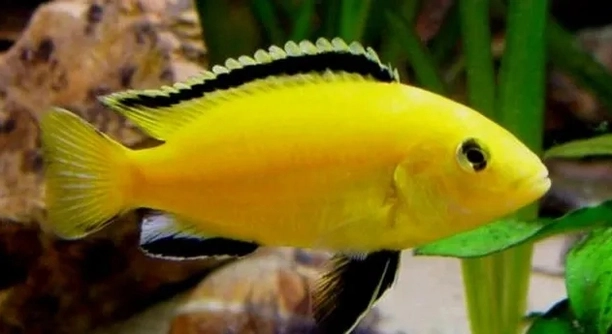
Cichlids are fascinating fish known for their vibrant colors and complex social behaviors. They often interact aggressively with each other, yet their actions reveal more than simple instinct. Memory plays a key role in guiding these encounters.
Cichlids rely on memory during conflicts to recognize opponents, recall past interactions, and adjust their behavior accordingly. This cognitive ability allows them to avoid repeated fights, establish social hierarchies efficiently, and enhance survival in competitive environments.
Recognizing how these fish use memory offers insight into their social structures and daily interactions. Observing their behavior can reveal patterns that go beyond instinct, highlighting intelligence in unexpected places.
Recognizing Opponents
Cichlids often rely on memory to identify individual fish they have previously encountered. This recognition helps reduce unnecessary aggression and allows them to prioritize which interactions truly require energy. When a cichlid meets a familiar rival, it recalls past outcomes, including victories, losses, and neutral encounters. These recollections influence whether the fish will engage aggressively or retreat, preserving its strength for more critical situations. Memory also supports learning about social hierarchies within a tank or natural habitat. Fish that can remember dominant and subordinate individuals can navigate these structures more effectively, avoiding harmful confrontations while asserting themselves when necessary. Observing these behaviors reveals that cichlids are capable of complex cognitive functions, not simply reacting on instinct. This ability to store and use social information shows that their conflicts are managed thoughtfully rather than randomly, giving them an adaptive advantage in maintaining territory and accessing resources such as food, mates, and shelter.
Memory-based recognition minimizes repeated conflict and enhances long-term social stability among cichlids. It ensures energy is spent wisely, maintaining a balanced environment.
By remembering past opponents, cichlids can choose battles strategically. A fish that recalls losing to a particular rival may avoid that individual, preventing injury and stress. Conversely, recalling past victories encourages confidence in asserting dominance when appropriate. This selective engagement maintains both safety and hierarchy efficiently. Memory also allows them to track patterns, such as which rivals tend to challenge territory more aggressively. Over time, this accumulated knowledge improves decision-making, making the fish more adept at navigating its environment. In tanks with multiple cichlids, observers can notice certain fish repeatedly avoiding others while selectively confronting weaker competitors. Such behavior demonstrates that memory directly influences conflict outcomes, reducing wasted effort and stress. Additionally, these learned behaviors are not static; cichlids adapt as new interactions occur, continually updating their mental records. This flexibility allows them to thrive in changing social conditions, highlighting the importance of memory in their everyday interactions and survival strategies.
Remembering Past Conflicts
Cichlids store details of previous fights to inform their responses in future disputes. This memory helps them avoid unnecessary risks and energy expenditure.
By recalling past conflicts, cichlids can predict outcomes and adapt strategies accordingly. Fish that have previously lost may adopt defensive postures or flee quickly, while those that have won often assert dominance more confidently. Memory of past events extends to observing the behavior of others, not just personal experiences. For example, witnessing a fight between two rivals allows a cichlid to update its understanding of the hierarchy without direct involvement. This observational learning reduces the need for constant confrontation, promoting more stable group dynamics. Memory also aids in territorial maintenance. Fish remember which areas were previously challenged or invaded, allowing them to respond efficiently to future intrusions. Over time, this accumulation of experiences results in smarter, more cautious, and strategic behaviors that improve survival chances. Cichlids’ reliance on memory highlights the sophistication of their social interactions, showing that even small fish can demonstrate remarkable cognitive abilities in conflict management.
Assessing Opponent Strength
Cichlids use memory to gauge the strength of rivals based on past encounters. This helps them decide whether to fight or retreat, conserving energy and avoiding unnecessary risk. It also allows them to adapt strategies for future interactions with the same individuals.
Remembering previous encounters allows cichlids to predict potential outcomes in future disputes. Fish that lost a fight may avoid a stronger rival, reducing injury risk and conserving energy. Conversely, remembering victories boosts confidence, encouraging more assertive behavior. This memory extends to observing others, too. By watching fights between rivals, a cichlid can adjust its approach without direct involvement. These learned experiences shape social strategies and improve survival. Fish rely on memory not only for physical strength assessment but also to judge motivation, persistence, and aggression patterns in opponents, creating a nuanced understanding of each rival.
This ability to assess strength based on memory supports efficient hierarchy management. Over time, cichlids build a mental map of competitors, tracking wins, losses, and tendencies. This map guides their interactions, helping them avoid high-risk conflicts and focus on achievable victories. Such strategic thinking reduces stress, injury, and wasted energy while maintaining social order. Fish adjust their displays, chase behaviors, and territorial defenses based on remembered strength differences. Even subtle cues like posture or approach speed are interpreted through memory. This careful assessment allows cichlids to navigate complex social environments successfully, balancing aggression with caution.
Learning from Observations
Cichlids observe fights and remember outcomes to inform future actions. This observational learning reduces direct conflict and helps them develop effective strategies.
Watching others fight allows cichlids to gain knowledge without risking themselves. They remember which fish dominate certain areas or rivals and adjust their behavior accordingly. Observational memory enables them to plan territorial approaches, choose when to engage, and anticipate aggression from stronger opponents. Over time, these experiences accumulate, creating a mental library of social interactions.
By learning from observation, cichlids refine both offensive and defensive tactics. They can detect patterns in aggression, understand rival strategies, and predict reactions during encounters. Fish that remember the outcomes of previous fights can decide when it is safe to challenge or avoid confrontation. Observational memory also helps maintain group stability. Cichlids that track dominance and submission within a tank are less likely to provoke unnecessary fights, which benefits the entire group. This kind of memory-driven learning demonstrates advanced cognitive skills, showing that even small fish can use past information to navigate social hierarchies effectively.
Recognizing Territorial Boundaries
Cichlids remember the edges of their territory and respect the limits of rivals. This reduces constant conflict and helps them maintain stable social relationships within the tank or natural environment.
Memory of past intrusions allows cichlids to anticipate threats. They adjust positioning and displays to defend resources effectively without overexertion or unnecessary aggression.
Retaining Victory and Defeat Outcomes
Cichlids store information about wins and losses to guide future interactions. Remembering victories encourages dominance behaviors, while recalling defeats promotes caution. This memory helps them avoid repeated losses, conserve energy, and navigate social hierarchies efficiently. Over time, fish refine strategies, learning which rivals to challenge and which to avoid.
Responding to Repeated Challenges
When rivals repeatedly test boundaries, cichlids rely on memory to adjust responses. They may escalate displays, retreat sooner, or maintain consistent defense based on prior experience. This adaptability improves survival and social positioning.
FAQ
How do cichlids remember individual fish?
Cichlids use visual cues, body size, color patterns, and past interactions to recognize other fish. Their memory allows them to recall whether a specific individual was aggressive, submissive, or neutral. This recognition helps them decide whether to confront, avoid, or assert dominance in future encounters.
Do cichlids remember fights for a long time?
Yes, cichlids can retain memories of past conflicts for extended periods. Fish remember both victories and losses, which influences their decisions in future interactions. Retaining this information prevents unnecessary fights, reduces stress, and helps maintain energy for more critical situations.
Can cichlids learn from watching others fight?
Observational learning is common in cichlids. They watch interactions between rivals and remember outcomes. By observing others, they can predict which fish are stronger or weaker and adapt their behavior without direct confrontation. This reduces risks and improves social navigation.
Does memory affect territorial behavior?
Memory is crucial for territory management. Cichlids remember the boundaries of their territory and the behavior of rivals near those edges. Remembering past intrusions allows them to defend resources efficiently, avoid constant fighting, and maintain social stability in their environment.
How do cichlids adjust after losing a fight?
After a loss, cichlids tend to become more cautious. They may retreat from stronger opponents, avoid areas where they previously lost, and delay challenging rivals. Remembering these outcomes helps prevent repeated injury and ensures energy is used wisely.
Do cichlids use memory to remember wins?
Yes, remembering victories boosts confidence and encourages more assertive behavior. Fish that recall previous successes are more likely to assert dominance and defend resources effectively. This memory helps maintain hierarchical order and supports survival within competitive environments.
Can cichlids recognize repeated challengers?
Cichlids remember rivals who repeatedly test their boundaries. They adjust responses based on past interactions, such as escalating displays, retreating sooner, or maintaining consistent defense. This memory helps them manage repeated conflicts efficiently without unnecessary stress.
Is memory in cichlids only for conflict?
While conflict plays a major role, memory in cichlids also supports navigation, foraging, and social interactions. Remembering locations of shelters, feeding spots, and social allies allows fish to optimize survival and maintain group dynamics in their habitat.
How does memory affect social hierarchy?
Memory allows cichlids to track dominance relationships over time. Fish recall which rivals are dominant or submissive, adjust their behavior accordingly, and maintain stable hierarchies. This reduces unnecessary fights and ensures social order, promoting group stability and safety.
Are younger cichlids better at learning from memory?
Younger cichlids may learn quickly but their memory for long-term conflict outcomes might be less developed. Older fish often have a more refined memory, allowing them to strategically choose battles, avoid dangerous rivals, and maintain consistent social status within the group.
Can memory in cichlids be observed by humans?
Yes, watching cichlids over time shows patterns influenced by memory. Fish repeatedly avoid previous opponents, defend familiar territories, or respond strategically to observed conflicts. Careful observation highlights that these behaviors are learned and not purely instinctual.
Do all cichlid species use memory in the same way?
Memory usage varies among species depending on social structure and habitat. Highly territorial or social species rely heavily on memory for managing interactions, while less aggressive species may depend more on instinct. However, memory remains an essential tool across cichlid species for survival and social management.
Can environmental changes affect cichlid memory?
Changes such as new tank setups, new fish, or altered territories can challenge memory use. Cichlids must adapt and update their mental records, learning new boundaries, recognizing new rivals, and recalibrating strategies for conflict and survival in dynamic environments.
Is memory linked to intelligence in cichlids?
Yes, memory demonstrates cognitive ability in cichlids. Their ability to store, recall, and act on social, territorial, and observational information shows advanced mental processing. These behaviors indicate intelligence that helps them navigate complex social systems and challenging habitats.
How can observing memory in cichlids benefit caretakers?
Understanding memory-based behaviors can improve tank management. Caretakers can structure environments to reduce stress, manage territories effectively, and maintain social harmony. Observing these patterns allows for healthier interactions, better feeding strategies, and improved overall well-being of the fish.
Can cichlids forget past interactions?
Yes, memory can fade over time, especially for less significant encounters. Fish are more likely to retain memories of intense or repeated conflicts. Forgetting minor interactions helps focus on meaningful experiences, conserving cognitive resources for important social and survival decisions.
Does memory influence mating behavior?
Memory affects mate selection and competition. Cichlids remember previous rivals and interactions, which can influence who they court, compete with, or avoid. Remembering past outcomes helps them navigate reproductive challenges efficiently and maintain successful pairings.
How do researchers study memory in cichlids?
Researchers observe repeated interactions, track territorial behavior, and analyze responses to familiar versus unfamiliar fish. Experiments often involve controlled confrontations, territory tests, and observation of learning from others to understand how memory shapes social and survival strategies.
Can stress impact memory in cichlids?
High stress can impair memory retention and recall, making fish less able to navigate social hierarchies or defend territories effectively. Reducing stress through stable environments, proper tank size, and consistent social groups supports memory function and overall health.
Do cichlids show memory in group dynamics?
Yes, cichlids remember both individual interactions and group hierarchies. They adjust behavior based on previous group encounters, promoting cooperation, reducing unnecessary fights, and maintaining social order. Memory ensures that group dynamics remain balanced, with each fish understanding its role.
How important is memory for cichlid survival?
Memory is vital for survival. It influences conflict resolution, territorial management, mating, and social structure. By recalling past experiences and adjusting behaviors accordingly, cichlids increase their chances of avoiding injury, securing resources, and thriving in competitive environments.
Do cichlids’ memories improve with experience?
Yes, repeated encounters and experiences strengthen memory and decision-making. Older, more experienced fish demonstrate refined strategies, better risk assessment, and improved social navigation. This accumulated knowledge allows them to optimize behavior and succeed in their environment.
How can memory help prevent over-aggression in tanks?
Cichlids remembering previous outcomes reduce repeated aggression. Fish avoid rivals they have lost to, respect territorial boundaries, and limit unnecessary confrontations. This memory-driven behavior promotes a calmer, more balanced tank environment, reducing stress and injury among inhabitants.
Does memory influence feeding behavior during conflicts?
Yes, fish remember which areas are safe to feed based on past conflicts. They may avoid aggressive rivals while still accessing food efficiently. Memory ensures that feeding strategies align with territorial dynamics, helping fish survive without constant risk.
Can memory guide cichlids’ movement patterns?
Cichlids remember locations of safe spaces, hiding spots, and territory edges. This memory influences movement, allowing them to navigate efficiently, avoid conflict, and maintain access to resources while minimizing exposure to threats.
Do all individual cichlids use memory equally?
Individual differences exist. Some fish are more observant or responsive to past interactions, while others rely more on instinct. Personality, experience, and species traits influence how memory affects conflict and social behavior.
How do tank size and layout affect memory use?
Larger or complex tanks provide more opportunities to use memory for navigation, territory management, and conflict avoidance. Memory helps fish remember locations of rivals, hiding spots, and feeding areas, making them more efficient in complex environments.
Can memory reduce stress in social groups?
By remembering past outcomes, cichlids avoid repeated fights and manage interactions more effectively. Memory creates predictable patterns in social groups, which reduces stress, fosters stability, and supports healthier, more balanced interactions among tank mates.
How quickly do cichlids update memory after new interactions?
Cichlids can adjust memory rapidly after significant events. New conflicts, victories, or observations are integrated into existing knowledge, allowing them to modify behavior, reassess rivals, and maintain effective strategies in dynamic social environments.
Does memory affect juvenile cichlids differently than adults?
Juveniles may rely more on instinct but begin forming memories of conflicts, rivals, and territories. Adults use accumulated experiences to make strategic decisions, showing more refined social navigation, territorial management, and conflict resolution skills.
How does memory help in mixed-species tanks?
Memory allows cichlids to recognize and respond appropriately to unfamiliar species. By remembering interactions and aggression patterns, fish can avoid unnecessary confrontations and coexist more peacefully with different species in shared environments.
Can cichlids remember non-aggressive interactions?
Yes, they recall neutral or cooperative encounters, which can influence social positioning, resource sharing, and group dynamics. Remembering these interactions helps them navigate relationships effectively beyond just conflict situations.
Do environmental enrichments improve memory?
Providing hiding spots, landmarks, and varied territories encourages memory use. Fish explore, navigate, and remember these features, which enhances cognitive abilities and supports effective conflict management and territorial behaviors.
How do researchers differentiate instinct from memory?
Studies track repeated responses to familiar versus unfamiliar fish, controlled encounters, and observation of learned behaviors. Consistent changes based on previous experience indicate memory use rather than instinct alone.
Can cichlids anticipate future conflicts using memory?
Yes, memory allows them to predict rival behavior and plan responses. Anticipating aggression reduces injury risk, conserves energy, and helps fish maintain stable social hierarchies and secure resources efficiently.
Are there limits to cichlid memory?
Memory may fade over time, especially for minor interactions. Intense, repeated, or significant experiences are retained longer, while less important details may be forgotten, helping fish prioritize critical information for survival and social management.
Do cichlids remember allies as well as rivals?
Yes, memory helps track both cooperative and competitive relationships. Recognizing allies aids in social navigation, resource sharing, and forming alliances, while remembering rivals prevents repeated conflicts and maintains hierarchy.
Can memory influence mating success?
By recalling past interactions with rivals and potential mates, cichlids make informed decisions during courtship. Memory of conflicts and alliances guides behavior, helping ensure successful pairings and reducing unnecessary competition.
How do changes in group composition affect memory use?
Adding or removing fish forces cichlids to update memories of rivals and territories. They adapt strategies, reassess hierarchies, and modify behaviors based on new interactions, showing flexible and ongoing use of memory in dynamic social settings.
Is memory in cichlids observable in tanks of any size?
Yes, even in smaller tanks, cichlids demonstrate memory-driven behaviors like avoiding previous rivals, defending territory efficiently, and adjusting social interactions based on past experiences. Observers can see patterns that indicate learning and retention.
Can stress or illness impair memory?
High stress, poor water quality, or illness can reduce memory retention. Fish may become less able to recall rivals, territories, or past conflicts, leading to increased aggression, mistakes in navigation, or poor social interactions. Maintaining stable conditions supports cognitive function.
How important is memory compared to instinct in cichlids?
Memory complements instinct. While instinct drives immediate survival reactions, memory refines behavior, supports learning, and allows strategic decision-making. This combination ensures efficient conflict resolution, social hierarchy management, and adaptive responses to changing environments.
Can memory in cichlids improve over time?
Repeated experiences strengthen memory. Fish become better at assessing opponents, defending territory, avoiding unnecessary conflicts, and navigating social hierarchies. Experience improves survival and helps fish make more strategic decisions in daily interactions.
How does memory affect aggression frequency?
Memory reduces unnecessary aggression. Fish avoid rivals they previously lost to or respect territorial boundaries remembered from past encounters. This decreases stress, conserves energy, and maintains social stability within a group or tank environment.
Do cichlids remember feeding-related conflicts?
Yes, they recall which areas were contested and which rivals interfered during feeding. Memory helps fish access food safely, avoid confrontation, and establish efficient feeding strategies within social hierarchies.
Can observing memory in cichlids help with breeding programs?
Yes, understanding how fish remember rivals, territories, and mates allows breeders to design environments that minimize stress, prevent injury, and promote healthy reproductive behavior while maintaining stable social groups.
Are some cichlids naturally better at using memory?
Individual differences exist. Some fish are more attentive or strategic, showing stronger memory use in conflict, territory management, and social navigation. Personality, experience, and species traits influence effectiveness.
How quickly do cichlids adapt memory after environmental changes?
Cichlids can update memory relatively quickly, remembering new rivals, altered territories, or changes in social structure. This flexibility ensures they continue to navigate conflicts and social hierarchies effectively despite changing conditions.
Does memory affect pair bonding in cichlids?
Yes, memory helps maintain stable pair bonds by recalling past interactions and rival challenges. Fish can defend mates effectively, avoid unnecessary conflicts, and ensure reproductive success by remembering both positive and negative experiences.
Can memory prevent bullying behavior in tanks?
By remembering past interactions and rival strength, cichlids avoid repeated attacks, recognize dominant fish, and adjust behavior accordingly. This reduces excessive aggression and maintains a balanced environment within the group.
Is memory in cichlids observable across species?
Yes, while levels and use of memory vary, all studied cichlid species demonstrate the ability to remember social interactions, conflicts, and territories. This cognitive skill is crucial for survival and social management across diverse environments.
Do cichlids use memory for both offense and defense?
Memory informs both. Fish recall rivals’ tendencies to defend or attack, guiding decisions to engage, retreat, or escalate. This dual use ensures effective strategies in maintaining territory, hierarchy, and access to resources.
How do researchers differentiate memory from instinctual behavior?
Experiments track repeated responses to known versus unknown individuals, controlled confrontations, and observation of learning. Consistent, adjusted behavior based on past experience demonstrates memory rather than purely instinctual responses.
Can memory influence social alliances?
Yes, remembering positive interactions helps fish form temporary alliances or tolerate certain individuals. These memories aid navigation of complex social networks, balancing cooperation with competition in shared habitats.
Does memory affect long-term survival?
Memory enhances survival by guiding conflict decisions, supporting territory management, improving mating success, and helping fish navigate social hierarchies. Remembering past experiences reduces risk, conserves energy, and optimizes interactions critical for life in competitive environments.
Can cichlids forget non-threatening encounters?
Yes, minor interactions are often forgotten to conserve cognitive resources. Fish prioritize memory of significant threats, rivals, or important social and environmental events that directly affect survival and social positioning.
Do cichlids use memory in combination with other senses?
Yes, memory works alongside vision, smell, and spatial awareness. Fish recall locations, recognize rivals, and interpret social signals, using memory to combine sensory input for efficient decision-making in conflict and territory management.
How long can cichlids retain memory of significant events?
Significant interactions, such as repeated victories or losses, can be remembered for weeks or longer. Retention depends on the importance of the event, frequency of occurrence, and relevance to survival and social status.
Can memory help reduce injuries in cichlids?
By recalling past outcomes, fish avoid dangerous confrontations, respect dominant individuals, and choose safer interactions. This memory-driven behavior reduces physical harm and supports overall health and longevity.
Does memory influence daily routines?
Memory helps cichlids establish patterns for feeding, territory defense, and social interactions. Recalling past events allows them to navigate the environment efficiently and minimize conflict throughout their daily activities.
How does memory affect learning speed in cichlids?
Memory accelerates learning by providing a reference for past experiences. Fish adapt strategies more quickly, recognize patterns, and respond effectively, showing that cognitive ability is reinforced through accumulated knowledge.
Do cichlids ever relearn forgotten information?
Yes, repeated exposure or reinforcement of past experiences can restore previously forgotten information. Fish re-encode memories, improving future responses in conflict, territory defense, and social interactions.
Can memory influence aggression during feeding?
Yes, fish remember previous feeding conflicts, rivals’ tendencies, and safe areas. This helps them access food efficiently, avoid unnecessary fights, and maintain energy for survival-critical activities.
Do cichlids remember both individual and group dynamics?
Memory encompasses both. Fish recall individual rival behaviors and the overall social structure, which helps them navigate hierarchies, avoid repeated conflicts, and maintain stable group interactions.
Can memory support long-term social bonds?
Yes, remembering allies, previous positive interactions, and shared territory promotes stable relationships. Memory ensures cooperation, reduces conflict, and helps fish maintain consistent social bonds over time.
How does memory affect responses to new fish?
Cichlids compare new fish with past experiences. They assess threat levels, predict behavior, and adjust interaction strategies, using memory to integrate new individuals into established social hierarchies efficiently.
Do environmental changes challenge cichlids’ memory?
Yes, new layouts, hiding spots, or added fish require updated memories. Cichlids adapt by re-mapping territories, reassessing rivals, and adjusting behavior based on both past experiences and current conditions.
Can memory be enhanced in cichlids?
Providing enriched environments, consistent social groups, and opportunities to explore allows fish to exercise memory. Repetition, observation, and interaction strengthen retention, improving decision-making in conflict and social navigation.
Do cichlids use memory during mating displays?
Memory influences mate choice, rivalry, and courtship behavior. Fish recall prior encounters, competitor behavior, and outcomes, allowing them to act strategically during reproductive interactions to maximize success.
Is memory in cichlids affected by stress or illness?
Yes, stress, poor water quality, or illness can impair memory retention. Fish may forget rival behaviors, territory boundaries, or past victories, affecting conflict resolution, social positioning, and survival strategies. Stable care supports cognitive function.
How quickly can cichlids form new memories?
Significant events, such as fights or territory changes, are remembered quickly. Fish integrate these experiences into existing knowledge, allowing immediate adaptation in future encounters and ensuring efficient navigation of social and environmental challenges.
Do all cichlids rely equally on memory?
Individual differences exist. Personality, species traits, and experience influence how heavily memory is relied upon. Some fish are more strategic, observant, or responsive, while others depend more on instinctual behaviors for conflict and social management.
**Can memory help reduce overall aggression in mixed-species
Cichlids are much more than colorful fish swimming in a tank or lake. Their interactions are guided not just by instinct but by memory, which plays a central role in how they handle conflicts. By remembering previous encounters, victories, and losses, they make more informed choices about when to fight, when to retreat, and how to navigate social hierarchies. This ability to recall events allows them to conserve energy, avoid injury, and maintain their position within the group. Observing these behaviors over time reveals a level of intelligence that is often overlooked in fish. It also shows that even small animals can have complex cognitive processes that impact their daily lives and survival strategies. Memory, in this sense, acts as a tool that guides behavior, making interactions more strategic rather than random or purely instinctual.
Beyond conflict, memory helps cichlids manage other aspects of their environment. Territorial boundaries, feeding routines, and social alliances are all influenced by what they remember from past experiences. Fish remember where threats came from, which areas were safe, and how other individuals behaved in specific situations. This ability allows them to plan movements, anticipate rival actions, and adjust strategies for the best outcome. Memory also plays a role in observational learning. By watching interactions between other fish, cichlids can adapt their behavior without engaging in every fight themselves. This reduces unnecessary risk while still providing the benefits of learning from experience. Over time, these memories accumulate into a mental map of their environment, including both social and physical elements, allowing them to navigate complex situations more effectively. This combination of memory, observation, and instinct makes cichlids remarkably adaptable in both natural habitats and aquarium settings.
Understanding the role of memory in cichlids has practical implications for keeping them healthy and minimizing stress in captivity. Fish that can exercise memory are better at maintaining territories, avoiding repeated conflicts, and establishing stable social hierarchies. Providing an environment that encourages natural behaviors, including defined territories, opportunities for observation, and consistent group dynamics, supports these memory-based behaviors. Memory not only benefits the fish but also allows caretakers to observe predictable and manageable interactions within tanks. In addition, considering memory helps explain why certain fish appear more strategic or cautious than others, reflecting individual differences in experience and learning. Recognizing the importance of memory in conflict and daily behavior highlights that cichlids are active learners, capable of adjusting to changing circumstances and remembering valuable experiences. Their actions, while sometimes aggressive, are guided by past events, demonstrating a sophisticated balance between instinct, experience, and intelligence.

Hello,
If you enjoy the content that we create, please consider saying a "Thank You!" by leaving a tip.
Every little bit helps us continue crafting quality advice that supports the health, happiness, and well-being of pets around the world, for pets of all shapes, sizes, and species.
We really appreciate the kindness and support that you show us!