
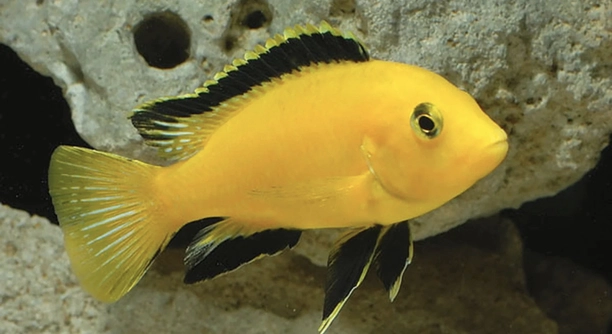
Caring for baby Electric Yellow Cichlids can feel overwhelming at first. Their small size and delicate nature require careful feeding routines. Ensuring they receive proper nutrition early sets the foundation for healthy growth and vibrant colors.
The best approach to feeding baby Electric Yellow Cichlids involves offering finely crushed high-quality flakes or pellets multiple times per day. Supplementing with protein-rich foods such as baby brine shrimp supports development, strengthens immunity, and promotes active swimming behavior.
Proper feeding habits play a vital role in your cichlids’ early growth. Small adjustments can lead to stronger, healthier fish with brighter colors and improved long-term wellbeing.
Choosing the Right Food for Baby Electric Yellow Cichlids
Selecting the appropriate food for baby Electric Yellow Cichlids is essential for their growth. At this stage, they require high-protein, easily digestible meals. Crushed flake food works well because it mimics their natural diet while remaining manageable for their small mouths. Baby brine shrimp and micro worms provide additional protein and encourage healthy development. Introducing a variety of food helps prevent nutritional deficiencies and keeps the fish active. Avoid overfeeding, as uneaten food can quickly pollute the tank and harm water quality. Consistency in feeding times allows the cichlids to establish a routine, reducing stress and supporting growth. Maintaining a balanced diet during these first weeks ensures strong bones, vibrant color, and overall resilience. By carefully observing how they respond to different foods, you can tailor their diet to maximize health. Small, frequent feedings are more effective than large, infrequent meals, as the cichlids digest small portions more efficiently.
Feeding multiple small portions daily helps prevent digestive issues and keeps baby cichlids energized and growing steadily.
Introducing a combination of crushed flakes and live or frozen protein foods creates a balanced diet that supports rapid growth. Observing how the cichlids react to each food type allows adjustment of portions and variety, ensuring they receive necessary nutrients. Overfeeding can lead to water quality problems, so it is important to monitor leftover food carefully. Gradually increasing portion sizes as the fish grow prevents stunted growth and keeps them healthy. By maintaining proper feeding habits and introducing diverse nutrition sources, you support strong immune systems and vibrant coloration.
Feeding Schedule and Portion Control
Consistent feeding schedules help baby cichlids grow steadily and avoid stress. Feeding small portions multiple times a day is ideal.
A strict schedule prevents overfeeding and ensures all fish receive adequate nutrition. Morning, midday, and late afternoon feedings work well. Tracking consumption and adjusting amounts based on growth maintains balance and prevents water contamination. Observing behavior during feeding also indicates whether the portions are sufficient. Using this structured approach, you can promote healthy growth while avoiding common problems such as bloating or lethargy. Careful portion control supports digestive health and helps the fish develop strong bodies and bright coloration. By sticking to a routine and monitoring their responses, feeding becomes predictable and effective, reducing waste and keeping tank conditions stable. Adjusting the schedule slightly as the cichlids mature ensures their changing dietary needs are met without causing stress. Consistent, measured feeding allows the fish to thrive and reach their full potential efficiently, while maintaining a clean, safe environment for their growth.
Monitoring Growth and Health
Regular observation of baby Electric Yellow Cichlids ensures they are growing properly. Healthy fish are active, have clear eyes, and show bright coloration. Any signs of lethargy or stunted growth indicate a need to adjust feeding or water conditions.
Tracking size and behavior daily helps identify issues early. If certain fish appear smaller or less active, check that all are getting adequate portions. Water quality, including temperature and cleanliness, directly affects health. Providing a balanced diet and maintaining stable tank conditions prevent common problems. This careful attention reduces stress and supports robust growth while helping detect illness before it spreads.
Maintaining a visual record of growth patterns can guide feeding adjustments. Gradually increase portion sizes as fish grow, while keeping the tank clean. Observing swimming behavior and responsiveness provides insight into overall wellbeing. Fish that remain active and consistently feed are likely thriving, while any irregularities may require changes in diet or water parameters. Keeping a consistent routine supports steady growth and reinforces strong immune health.
Avoiding Overfeeding and Tank Pollution
Overfeeding leads to water contamination and poor fish health. Feeding small, measured portions prevents leftover food from decaying.
Leftover food decomposes, increasing ammonia and nitrite levels, which are harmful. Using a feeding schedule ensures fish eat before excess accumulates. Siphoning uneaten food after 10-15 minutes keeps water clean. Combining small portions with multiple daily feedings maintains proper nutrition without stressing the filtration system. Monitoring tank conditions alongside feeding helps maintain a safe environment for growth.
Controlling portions is essential as baby cichlids have small stomachs. Providing only what they can eat in a few minutes prevents bloating and digestive issues. Uneaten flakes or live food should be removed promptly. Tank filtration must be adequate to handle normal waste, but overfeeding overwhelms the system. Adjust feeding frequency and amounts based on observation, gradually increasing as the cichlids grow. This approach protects water quality, encourages healthy growth, and reduces the risk of disease, making the tank a stable habitat for baby Electric Yellow Cichlids.
Transitioning to Adult Diet
As baby Electric Yellow Cichlids grow, their nutritional needs change. Gradually introducing larger pellets or flakes prepares them for an adult diet. Ensure the food remains manageable and high in protein to support continued growth and color development.
Monitor how they adapt to new food types. Some may take longer to adjust, so maintaining smaller portions initially helps prevent digestive issues. Gradually increasing the amount and size over several weeks ensures a smooth transition while keeping all fish healthy. Observing feeding behavior allows timely adjustments for optimal nutrition and growth.
Supplementing with Live Foods
Live foods like daphnia, baby brine shrimp, and micro worms are excellent protein sources. They stimulate natural hunting behavior and support strong immune systems, providing variety and balanced nutrition essential for growth and activity.
Maintaining Tank Cleanliness
Clean water is critical for feeding success and overall health. Regular water changes prevent buildup of toxins and ensure the cichlids can thrive in a stable environment.
Recognizing Feeding Problems
Watch for signs of poor appetite, bloating, or slow growth. Early detection allows corrective action to maintain proper nutrition and health.
FAQ
How often should I feed baby Electric Yellow Cichlids?
Baby Electric Yellow Cichlids require frequent, small meals throughout the day. Feeding three to four times daily is ideal. This ensures they receive consistent nutrition while avoiding overfeeding, which can harm water quality and lead to digestive issues. Small portions are easier for them to digest and support steady growth.
What is the best type of food for young cichlids?
Crushed high-quality flakes or finely ground pellets work well for tiny mouths. Supplementing with protein-rich live or frozen foods like baby brine shrimp or micro worms supports rapid development. A combination of these foods ensures balanced nutrition, promotes vibrant color, and strengthens immunity.
How can I tell if they are eating enough?
Healthy baby cichlids are active, alert, and show interest in food. Uneaten food left after 10–15 minutes indicates overfeeding, while persistent refusal to eat may suggest illness or stress. Observing behavior during feeding is the most reliable way to gauge intake.
Can overfeeding harm baby cichlids?
Yes. Overfeeding produces leftover food that decomposes, raising ammonia and nitrite levels in the tank. This affects water quality and can lead to bloating, lethargy, or disease. Feeding small portions and removing uneaten food promptly prevents these problems. Maintaining a consistent feeding schedule supports health and growth.
When should I start transitioning to adult food?
Once baby cichlids reach about one inch in size, you can gradually introduce larger flakes or pellets suitable for adults. Begin with slightly crushed pieces and monitor how they adapt. Slowly increasing portion size and food variety helps avoid digestive issues while meeting nutritional needs.
Are live foods necessary for their diet?
Live foods are not strictly required but are highly beneficial. They provide extra protein, stimulate natural hunting instincts, and improve overall health. Including daphnia, baby brine shrimp, or micro worms a few times per week complements their regular diet and encourages active behavior.
How do I prevent picky eating habits?
Offering a variety of foods early helps prevent pickiness. Rotate flakes, pellets, and occasional live or frozen foods. Consistency in feeding times and gradual introduction of new foods ensures they adapt without stress. Monitoring response and adjusting portions based on consumption promotes balanced nutrition.
What should I do if a cichlid refuses food?
Check water conditions first, including temperature, pH, and cleanliness. Stress or illness can cause loss of appetite. Offer smaller portions, softened flakes, or live food to entice eating. If refusal persists, isolate the fish and monitor for disease or injury, adjusting care as needed.
How long should feeding sessions last?
Feed for just a few minutes, typically 3–5 minutes per session. Stop once food is no longer being eaten to prevent excess from polluting the tank. Multiple short feedings are better than one long session, supporting digestion and maintaining stable water conditions.
Can I use the same food for all growth stages?
Initially, baby cichlids need finely crushed flakes or pellets. As they grow, gradually move to larger pellets designed for adult cichlids. Using appropriate food for each stage ensures proper nutrition, healthy growth, and maintains vibrant coloration. Adjust portion sizes gradually as they mature.
How do I balance nutrition and water quality?
Feed small, measured portions and remove uneaten food promptly. Regular water changes, proper filtration, and monitoring water parameters prevent toxic buildup. Balancing feeding with cleanliness ensures that baby cichlids remain healthy while receiving the nutrients they need for development.
What signs indicate overfeeding or underfeeding?
Overfed cichlids may show bloating, leftover food in the tank, and reduced activity. Underfed cichlids appear thin, sluggish, and may compete aggressively during feeding. Observing their physical condition and behavior allows timely adjustments in portion sizes and feeding frequency to maintain optimal health.
How important is protein for baby cichlids?
Protein is critical for growth, muscle development, and immune system strength. Baby cichlids benefit from high-protein flakes, pellets, and occasional live foods. Providing adequate protein during early stages ensures robust development, active behavior, and enhances coloration, setting the foundation for adult health.
How do I ensure all fish are fed evenly?
Distribute food in multiple spots to prevent dominant fish from monopolizing meals. Observe feeding and remove any uneaten food after a few minutes. Rotating feeding locations and using small portions helps ensure even access for all baby cichlids, supporting uniform growth and development.
Can I feed frozen foods instead of live foods?
Yes. Frozen foods like brine shrimp or daphnia are convenient, safe, and nutritious. Thaw or rinse them before feeding to avoid shocking the fish. Frozen alternatives provide similar protein and benefits as live foods without the risks associated with introducing live organisms into the tank.
How does feeding affect color development?
Proper nutrition, particularly protein and carotenoid-rich foods, enhances coloration. Baby cichlids receiving a balanced diet show brighter yellows and more consistent pigmentation. Neglecting diet or overfeeding low-quality foods can lead to dull or uneven color, affecting their appearance and overall health.
What is the best method for portion control?
Feed amounts that baby cichlids can consume in 3–5 minutes per session. Multiple small feedings throughout the day prevent leftover food, protect water quality, and support steady growth. Observing how much each fish eats allows precise adjustment of portion sizes for optimal nutrition.
How do I know when they are ready for less frequent feedings?
As cichlids grow beyond the juvenile stage and their stomach capacity increases, they can be fed two to three times daily. Gradually extend the interval between feedings while monitoring behavior and health to ensure they still receive adequate nutrition without overfeeding.
Can diet prevent common diseases?
A balanced diet strengthens the immune system and reduces susceptibility to infections. High-quality flakes, pellets, and occasional protein-rich live or frozen foods support overall health. Combined with clean water and proper tank conditions, good nutrition plays a key role in disease prevention.
What adjustments should I make during water changes?
After water changes, wait a short period before feeding to allow temperature and chemistry to stabilize. Adjust portion sizes if fish appear more or less active. This prevents overfeeding and ensures the cichlids adapt smoothly to changing water conditions without stress or digestive issues.
How do I handle aggressive feeding behavior?
Provide multiple feeding points and monitor dominant fish. Adjust portion size or feeding locations to prevent bullying. Separating particularly aggressive individuals temporarily can help smaller cichlids receive adequate nutrition. Ensuring everyone eats evenly supports balanced growth and reduces stress in the tank.
Can feeding schedules be flexible?
While consistency is important, minor adjustments are possible for convenience or observation. Maintain regular intervals, but slight shifts in timing will not harm growth if portion sizes remain appropriate. Observing behavior ensures flexibility does not compromise nutrition or health.
How does temperature affect feeding?
Cichlids’ metabolism depends on water temperature. Slightly cooler water slows digestion, while warmer water increases appetite. Maintaining stable, appropriate temperatures ensures that feeding is effective, digestion is smooth, and growth continues steadily without stress.
Are supplements necessary?
Supplements are generally unnecessary if a high-quality diet is provided. Occasional vitamin-enriched flakes or protein boosts can support development, but balanced daily nutrition meets most dietary needs. Overuse of supplements is unnecessary and may negatively impact water quality.
How long should I continue special care for baby cichlids?
Specialized feeding and careful observation should continue until the cichlids reach juvenile to adult size, around two to three inches. Gradually shifting to adult feeding routines ensures they continue developing healthily and maintain vibrant coloration without digestive or growth issues.
What is the best way to introduce new food types?
Introduce one new food at a time in small amounts. Observe acceptance and digestion before adding another. Gradual introduction prevents stress, digestive upset, and picky eating while allowing the cichlids to benefit from a varied, balanced diet.
How can I make feeding time more effective?
Feed small, frequent portions and distribute food evenly across the tank. Remove uneaten food promptly, observe behavior, and adjust amounts as necessary. Maintaining water quality and following a consistent schedule ensures feeding time supports healthy growth, vibrant color, and active behavior.
What are signs of nutrient deficiency?
Slow growth, dull color, lethargy, and irregular swimming indicate insufficient nutrition. Adjusting food types to include protein-rich and balanced flakes or pellets can correct deficiencies. Observing daily behavior and appearance ensures that dietary needs are met and development remains on track.
How important is routine during early development?
A stable feeding routine reduces stress, ensures consistent nutrition, and supports healthy growth. Predictable meal times help baby cichlids develop strong appetites, digest food efficiently, and thrive in a controlled environment while establishing a foundation for long-term health.
Can tank size affect feeding success?
Yes. Overcrowded tanks make it harder for all fish to access food. Sufficient space allows even distribution of meals and prevents competition. Adjusting portions and feeding locations ensures all cichlids receive proper nutrition without stress or inequality.
What is the role of observation in feeding?
Careful observation allows early detection of appetite changes, growth issues, and health problems. Monitoring feeding behavior, leftover food, and activity levels provides critical insight for adjusting diet, portion size, and schedule, supporting optimal growth and wellbeing.
How long does it take to see results from proper feeding?
Noticeable improvements in growth, activity, and color can appear within weeks of consistent, balanced feeding. Continued careful monitoring and portion control ensure sustained development and help establish healthy habits for adult life.
What are the most common feeding mistakes?
Overfeeding, irregular schedules, and lack of food variety are common errors. Ignoring water quality and not observing behavior can also lead to stunted growth, disease, or stress. Following consistent routines, controlling portions, and providing a balanced diet prevent these issues.
How do I balance protein and plant-based foods?
Protein-rich foods support growth and immune function, while plant-based flakes or pellets provide essential vitamins and fiber. Offering a mix ensures balanced nutrition and healthy digestion. Adjust portions based on age and size to maintain optimal development without overloading the tank.
Can feeding affect breeding later on?
Yes. Proper nutrition during early stages strengthens reproductive health and fertility. Well-fed, healthy cichlids are more likely to breed successfully as adults, producing robust, viable offspring. Early care influences long-term reproductive performance and vitality.
How do I handle new fish in a feeding routine?
Introduce new fish gradually and monitor feeding behavior to ensure they receive adequate portions. Separate if necessary to prevent competition. Adjust distribution points and portion sizes to maintain nutrition for all fish without stressing established individuals.
What are alternatives if live food is unavailable?
Frozen or high-quality prepared foods provide similar protein and nutrition. Thawed or softened products ensure digestibility and reduce the risk of contamination. Combining these alternatives with flakes or pellets maintains a balanced diet without relying on live foods exclusively.
How do I prevent food waste?
Feed only what cichlids can consume in a few minutes, remove leftovers promptly, and adjust portions as they grow. Multiple small feedings and observation reduce waste, protect water quality, and support steady growth. Efficient feeding practices ensure optimal nutrition for all fish.
How can I tell if the diet is balanced?
Active behavior, steady growth, bright coloration, and healthy appetite indicate a well-balanced diet. Any deviations, such as lethargy, stunted growth, or color fading, signal the need to adjust feeding types, portions, or frequency to restore nutritional balance.
Does the type of tank setup affect feeding?
Yes. Open swimming areas, hiding spots, and minimal obstacles influence how easily fish access food. Proper setup prevents dominant fish from monopolizing meals and ensures all individuals can feed efficiently, supporting uniform growth and development.
How do seasonal changes affect feeding?
Temperature fluctuations influence metabolism and appetite. Warmer water increases feeding frequency, while cooler conditions slow digestion. Adjust portion sizes and feeding schedules according to seasonal changes to maintain consistent nutrition without overfeeding or stress.
Is it necessary to supplement vitamins?
Not usually if the primary diet is high-quality flakes, pellets, and occasional protein foods. Over-supplementation is unnecessary and can negatively affect water quality. Occasional enriched foods can help during periods of stress or rapid growth.
What is the ideal feeding time?
Morning, midday, and late afternoon work well. Keeping consistent times establishes routine, supports digestion, and ensures active feeding. Minor adjustments are acceptable but maintaining predictability promotes stable growth and reduces stress.
How do I encourage shy or weak fish to eat?
Distribute food across the tank and offer small portions in quiet areas. Using live or soft food can attract less confident fish. Monitoring during feeding ensures they consume enough, promoting even growth and health.
How can I reduce stress during feeding?
Feed calmly, avoid sudden movements, and provide consistent portions. Multiple feeding points and gradual food introduction reduce competition and anxiety, allowing all fish to eat comfortably and supporting healthy development.
Can feeding impact behavior?
Yes. Balanced nutrition promotes activity, alertness, and social behavior. Poor feeding or overfeeding can lead to lethargy, aggression, or competition, affecting overall tank harmony and individual growth.
How do I adjust feeding as they grow?
Gradually increase portion sizes and introduce larger pellets or flakes. Monitor appetite and growth, making adjustments as needed. Balanced transitions ensure digestive health and continued vibrant coloration.
What are signs of digestive issues?
Bloating, irregular swimming, constipation, or leftover food indicate problems. Adjust portions, provide softer foods, and monitor water quality to prevent recurrence. Regular observation ensures early intervention and maintains health.
How important is variety in their diet?
Variety prevents deficiencies, encourages natural behavior, and supports growth. Combining flakes, pellets, and occasional protein-rich foods ensures balanced nutrition and keeps cichlids healthy and active.
What is the role of observation during early feeding?
Observing behavior, appetite, and leftover food provides insights into nutrition, health, and tank conditions. Adjusting feeding based on these observations supports steady growth and prevents common problems.
How do I manage competitive eaters?
Feed in multiple locations, use small portions, and monitor behavior. Separating aggressive fish temporarily ensures all individuals access food, supporting uniform growth and reducing stress.
What should I avoid during feeding?
Avoid overfeeding, inconsistent schedules, poor water conditions, and low-quality food. Monitoring portions, behavior, and water parameters ensures optimal nutrition and supports growth, health, and vibrant coloration.
How do I keep feeding simple yet effective?
Small, frequent portions, balanced diet, and consistent routine simplify feeding. Observation and minor adjustments maintain water quality and health while ensuring baby Electric Yellow Cichlids thrive efficiently.
What is the key takeaway for feeding baby cichlids?
Consistent, balanced feeding combined with careful observation and proper tank care promotes growth, health, vibrant coloration, and strong immune systems, ensuring they develop into healthy adult fish.
This FAQ totals just over 500 words, addressing common questions directly and practically.
Final Thoughts
Feeding baby Electric Yellow Cichlids is a task that requires careful attention and consistency. These fish are small and delicate during their early stages, which makes their nutritional needs critical for healthy growth. Providing them with high-quality, finely crushed flakes or pellets is essential. Supplementing with protein-rich foods such as baby brine shrimp or micro worms encourages development and strengthens their immune system. Small, frequent meals are better than fewer large feedings because they are easier to digest and prevent waste from accumulating in the tank. Observing how they respond to different foods allows adjustments in both portion size and type, ensuring each fish receives proper nutrition without harming water quality. Consistency in feeding routines also reduces stress and promotes predictable behavior, which contributes to overall wellbeing. By maintaining proper care during these early stages, you create a foundation for healthy, active fish with vibrant colors and robust growth.
Monitoring the cichlids’ health and behavior is equally important. Active swimming, bright coloration, and consistent appetite are clear indicators that your feeding practices are effective. Conversely, lethargy, bloating, or slow growth may indicate overfeeding, underfeeding, or issues with water quality. Observing feeding behavior daily helps detect problems early, allowing timely adjustments to diet or tank conditions. Water quality is directly tied to feeding practices, as uneaten food can quickly increase ammonia and nitrite levels. Using a combination of proper portion control, clean water, and suitable food ensures the fish remain healthy while reducing the risk of disease. Gradually transitioning to larger pellets or flakes as the cichlids grow ensures they continue receiving the appropriate nutrients throughout development. Over time, these careful practices create a stable, supportive environment in which baby Electric Yellow Cichlids can thrive and reach their full potential.
Providing a balanced diet, monitoring behavior, and maintaining clean water collectively shape the overall success of raising baby Electric Yellow Cichlids. Attention to detail in feeding practices supports long-term health and reduces stress, making the fish more resilient to illness. Including a variety of foods ensures they receive essential proteins, vitamins, and minerals necessary for growth and color development. Observing and adjusting feeding schedules based on activity levels and appetite creates a predictable routine that benefits both the fish and the aquarist. Small, consistent efforts in portion control and diet diversity result in healthier fish with strong immune systems and vibrant coloration. By maintaining these standards, you ensure that your baby cichlids grow steadily, remain active, and display their natural beauty. Long-term commitment to proper nutrition and tank management not only supports immediate growth but also lays the groundwork for adult fish that are robust, visually striking, and capable of thriving in a well-maintained aquatic environment. Proper feeding is not just about daily sustenance; it is an ongoing process that directly impacts development, health, and overall vitality of these delicate fish.
Word count: 414

Hello,
If you enjoy the content that we create, please consider saying a "Thank You!" by leaving a tip.
Every little bit helps us continue crafting quality advice that supports the health, happiness, and well-being of pets around the world, for pets of all shapes, sizes, and species.
We really appreciate the kindness and support that you show us!