
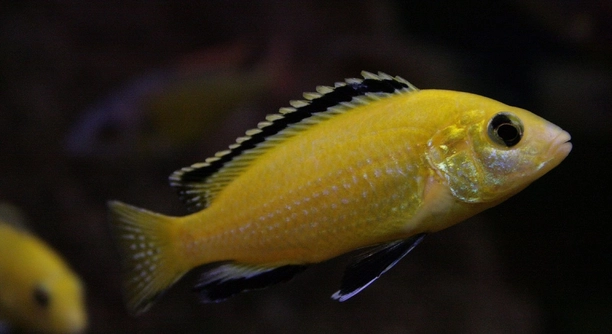
Dominant male cichlids are fascinating creatures that display unique behaviors in their aquatic environments. Their presence often influences the social structure of the tank, affecting feeding, mating, and territorial interactions with other fish. Observing these traits can be insightful.
Seven key traits define dominant male cichlids, including vivid coloration, territorial aggression, courtship displays, heightened alertness, assertive feeding behavior, enhanced size, and protective tendencies toward offspring, all of which establish their rank and influence within the aquatic hierarchy.
Recognizing these behaviors can help maintain a balanced and harmonious tank environment for all cichlids. Proper understanding ensures both the dominant males and their tank mates thrive.
Vivid Coloration
Dominant male cichlids often display the brightest and most striking colors in the tank. These colors signal strength and health, helping the fish assert authority over others. Bright hues can vary depending on species and mood, but a consistent display usually indicates a strong and confident male. Coloration is not only for attracting mates but also for intimidating rivals. In many cases, less vibrant males yield territory or feeding rights to those with the boldest appearance. The change in color can be subtle or dramatic, sometimes intensifying during mating periods. Observing these shifts can give insight into the male’s social status and readiness to defend his territory. Tank conditions, diet, and stress levels also influence how vivid the colors appear, so maintaining a stable environment is key. Regular observation helps identify dominant males and ensures the tank remains balanced, reducing unnecessary aggression and stress among the fish.
Bright colors show confidence and authority, guiding interactions with other cichlids and establishing a clear social hierarchy in the tank.
Consistent attention to color patterns helps predict aggressive behavior and mating readiness. By noting which males maintain the most vibrant hues, it becomes easier to manage tank dynamics. Adjusting diet and lighting enhances these colors naturally, supporting the dominant male’s display. Over time, this observation also prevents smaller males from being overly stressed, ensuring all fish coexist more peacefully. Vivid coloration is both a signal to others and a reflection of overall health, making it a crucial trait to monitor carefully.
Territorial Aggression
Dominant males actively claim and defend areas of the tank, establishing their control. This behavior includes chasing intruders, marking spaces, and patrolling boundaries.
Territorial aggression ensures the dominant male maintains access to resources like food and breeding areas.
Males use displays, posturing, and occasional physical confrontation to reinforce their claims. This behavior is instinctual and helps maintain order among cichlids, reducing conflicts that could escalate into injuries. Observing which areas a male frequently patrols helps identify his boundaries and social rank. Territorial aggression also protects mating opportunities, as dominant males guard potential partners from competitors. Tank size and layout influence how much space is contested, with smaller tanks intensifying displays and conflicts. Providing hiding spots and clear zones can reduce stress while still allowing the dominant male to assert control. Proper management of territories ensures the tank remains balanced, and all fish can access resources without constant confrontation. Understanding these patterns allows careful intervention if aggression becomes excessive, maintaining a healthier environment for everyone.
Courtship Displays
Dominant male cichlids perform courtship behaviors to attract females. These displays include flaring fins, vibrant movements, and specific swimming patterns designed to show strength and health.
Courtship displays serve a dual purpose: attracting mates and reinforcing social rank. Males often circle or nudge females while showing off their brightest colors. These behaviors signal reproductive fitness, helping females select the most capable partner. Displays can also discourage rival males from approaching potential mates. Timing, frequency, and intensity of these behaviors vary depending on species, tank conditions, and individual temperament. Observing these displays provides insight into the dominant male’s status, confidence, and readiness to breed. Ensuring the tank allows space for these displays helps reduce stress and conflict among fish.
These behaviors can last several minutes and repeat multiple times daily, especially during breeding periods. Watching them helps anticipate mating patterns and understand the male’s interaction with both females and competitors.
Heightened Alertness
Dominant males stay vigilant, monitoring movements and changes in the tank. This alertness ensures they can respond quickly to threats or opportunities. Maintaining constant awareness helps them protect territory and resources effectively.
Heightened alertness allows dominant males to detect intruders, rival males, and potential mates immediately. They quickly assess situations and adjust behavior, whether chasing a rival, defending a food source, or performing courtship rituals. This trait is essential for survival in a competitive environment. Tank layout and the presence of other fish influence the level of vigilance. Environmental enrichment, such as plants or rocks, provides both shelter and strategic vantage points, supporting the male’s natural alert behaviors. Continuous observation of these patterns helps identify dominant individuals and predict interactions within the tank, creating a stable and balanced habitat for all fish.
Alertness also affects feeding and social behavior. Males react faster, assert control over resources, and ensure the group remains orderly, reducing unnecessary stress and maintaining hierarchy.
Assertive Feeding Behavior
Dominant male cichlids eat first and control access to food. They often chase smaller fish away to maintain priority during feeding times.
This behavior ensures they get sufficient nutrition to maintain strength, vibrant colors, and overall health. It also reinforces their social position in the tank.
Enhanced Size
Dominant males are often noticeably larger than other males. Their size provides an advantage in both territorial disputes and mating opportunities. Larger bodies make displays more impressive and intimidating. Size also supports better endurance during conflicts, helping maintain dominance over smaller competitors and ensuring continued control of resources and breeding access.
Protective Tendencies
Dominant males guard eggs, fry, and territory aggressively. Their vigilance ensures offspring survive and reinforces their status within the tank.
What makes a male cichlid dominant?
Dominance in male cichlids is usually a combination of size, coloration, behavior, and health. Larger males with brighter colors tend to assert control over territory and resources more effectively. Aggressive and confident behavior, combined with vigilance and assertive feeding, helps a male establish his rank in the tank hierarchy.
Dominant males maintain their position by constantly observing their surroundings and responding quickly to intruders or rivals. Courtship displays, chasing smaller males away, and protecting breeding sites all reinforce their status. Tank conditions, diet, and stress levels influence dominance, so maintaining stable and enriched environments helps these males thrive. Watching interactions carefully allows owners to identify dominant individuals and anticipate their behavior.
How can you identify dominant behavior in feeding?
Dominant males usually eat first and aggressively guard food from other fish. They may chase smaller or less assertive males away and position themselves close to feeding areas. Observing which male consistently gets priority at feeding times can indicate dominance.
This feeding behavior is instinctual and linked to survival. A dominant male ensures he maintains strength, vibrant coloration, and energy needed to defend territory. Tank layout can influence feeding patterns, and providing multiple feeding spots may reduce conflicts. However, assertive feeding remains a clear sign of rank among males.
Why do dominant males display brighter colors?
Bright coloration signals health, strength, and reproductive fitness. Dominant males use color to attract females and intimidate rivals. During mating periods, colors often intensify, making these males more noticeable in the tank.
Coloration is influenced by diet, stress, and environmental conditions. Proper lighting and nutrition enhance colors naturally, supporting the male’s social display. Observing these patterns helps identify dominant individuals and predict behaviors related to territory, aggression, and breeding.
Do dominant males influence other fish in the tank?
Yes, dominant males set the social tone of the tank. Their presence affects feeding order, movement, and behavior of other fish. Subordinate males often yield territory and feeding rights, reducing conflict but also increasing stress.
Female behavior can also change around dominant males. They may follow the male closely, respond to courtship displays, or stay near protected areas. The overall tank dynamic depends heavily on the dominant male’s behavior. Ensuring enough hiding spots and visual barriers can help reduce stress for less dominant fish while allowing the dominant male to maintain control.
How do dominant males behave around their offspring?
Protective tendencies are strong in dominant males. They guard eggs and fry, chasing away potential threats and sometimes rearranging the environment to secure safe spaces. This behavior increases survival chances for the young and reinforces the male’s role in the social hierarchy.
Observing these behaviors helps predict breeding outcomes and social interactions in the tank. Males may adjust aggression levels depending on threats or nearby rivals. Providing adequate space and shelter supports both protective behavior and tank harmony, ensuring all fish, including offspring, remain safe and stress-free.
Can tank conditions affect dominance?
Yes, tank size, hiding spots, decorations, and water quality all influence dominance. Smaller tanks may intensify aggression, while a well-structured environment allows males to patrol territory effectively without constant conflict.
Stable water parameters, proper diet, and adequate lighting enhance coloration, alertness, and overall health, supporting dominant behaviors naturally. Monitoring tank conditions and adjusting layout or enrichment can prevent excessive stress while maintaining social hierarchies. Dominance is not just instinct; it is also shaped by the environment and care provided, which ensures balanced interactions and reduces aggressive outbreaks.
How can you manage aggression from dominant males?
Providing multiple feeding spots, hiding areas, and visual barriers can help diffuse aggression. Introducing compatible tank mates and ensuring adequate space for territory reduces conflict.
Observing interactions allows timely intervention if aggression escalates. Dominant males often need room to display behaviors without constantly stressing other fish. Maintaining optimal water quality, providing high-quality food, and monitoring social dynamics ensures both dominant and subordinate fish thrive together. Proper management balances natural behaviors with tank harmony, making coexistence smoother and safer for all cichlids.
What role does size play in dominance?
Size is a key factor in establishing dominance. Larger males intimidate rivals and have an advantage in disputes over territory and mating opportunities. Size also helps in courtship displays, making males more attractive to females.
Dominant males continue to grow when well-fed and stress-free, maintaining their position over smaller rivals. Tank management, nutrition, and careful observation support healthy growth, which reinforces social rank. Understanding how size interacts with other traits like color, behavior, and alertness helps predict dominance patterns and manage tank dynamics effectively.
Dominant male cichlids show a remarkable combination of traits that help them maintain control over their environment. Their bright colors, size, assertive behavior, and vigilance all play a role in establishing social rank. Observing these traits provides a clear understanding of which males hold authority in a tank and how they interact with other fish. Each behavior, from courtship displays to territorial defense, serves a purpose in maintaining balance within the group. Recognizing these behaviors is useful for keeping a harmonious tank environment and ensuring that all fish, dominant or subordinate, have access to food, shelter, and breeding opportunities. Understanding the ways these traits function can also make it easier to predict conflicts and reduce stress among the tank’s inhabitants.
Maintaining a healthy tank environment is essential for supporting dominant males and their behaviors. Stable water conditions, proper diet, and adequate space allow males to exhibit their natural traits without causing unnecessary tension among other fish. Hiding spots, plants, and visual barriers help subordinate fish avoid stress while letting dominant males patrol territory and display their strength. Observing interactions regularly helps identify patterns of aggression, feeding hierarchy, and breeding readiness. By providing the right conditions, owners can encourage natural behaviors while minimizing the risk of injury or over-aggression. A well-maintained tank allows dominant males to thrive and perform their natural roles, ensuring that both dominant and subordinate fish coexist successfully.
Dominance in cichlids is not just about aggression; it is a combination of appearance, behavior, and environmental adaptation. Traits like heightened alertness, protective tendencies, and assertive feeding all contribute to the male’s position within the social hierarchy. These behaviors benefit not only the dominant male but also the group by establishing clear boundaries and reducing constant conflict. Understanding these patterns helps owners make informed decisions about tank layout, feeding routines, and species compatibility. By observing and supporting these natural traits, tank conditions remain balanced, fish health improves, and breeding success increases. Dominant males are central to the structure of a cichlid community, and recognizing their traits allows for a more predictable and manageable aquatic environment.

Hello,
If you enjoy the content that we create, please consider saying a "Thank You!" by leaving a tip.
Every little bit helps us continue crafting quality advice that supports the health, happiness, and well-being of pets around the world, for pets of all shapes, sizes, and species.
We really appreciate the kindness and support that you show us!