
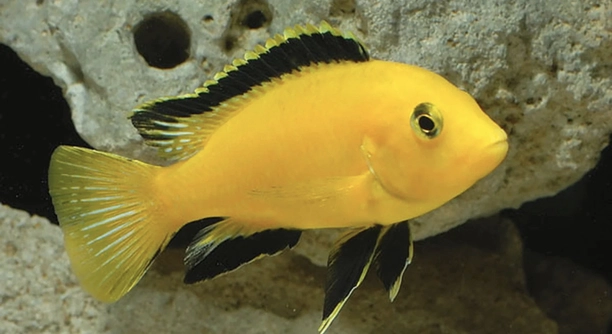
Are your electric yellow cichlids thriving in a tank that sometimes feels difficult to maintain? Maintaining clean water is crucial for their health, growth, and vibrant color, and choosing the right filter makes a big difference.
Selecting the best filter for electric yellow cichlid tanks requires considering water flow, mechanical and biological filtration, and tank size. Effective filters remove debris, maintain water clarity, and support beneficial bacteria crucial for cichlid health. Proper filtration ensures a stable aquatic environment.
Finding the ideal filter can dramatically improve water quality and fish well-being, making your tank a healthier, more enjoyable home for your cichlids.
Best Canister Filters for Electric Yellow Cichlid Tanks
Canister filters are highly efficient for medium to large electric yellow cichlid tanks. They provide excellent mechanical, chemical, and biological filtration, keeping water clear and free of debris. These filters are usually placed outside the tank, which helps maximize space and reduces clutter inside. Canister filters work by drawing water into a sealed container filled with filter media, which then traps particles and allows beneficial bacteria to flourish. Many models have customizable media compartments, allowing you to adjust filtration based on your tank’s needs. They also offer strong flow rates that can be adjusted, which is important for electric yellow cichlids because they thrive in moderate water currents. Maintenance is straightforward, typically involving rinsing or replacing media every few weeks. While the initial cost may be higher than other filters, their long-term effectiveness and ability to maintain water stability make them a preferred choice for serious cichlid care.
These filters are ideal for larger tanks, ensuring consistent water quality and reducing frequent maintenance tasks.
Canister filters also help stabilize water chemistry, which is crucial for cichlids prone to stress. By maintaining ammonia and nitrate levels, these filters create a healthy environment that encourages natural behavior, vibrant coloration, and proper growth. Their durability and efficiency make them a long-term investment that pays off through healthier, more active fish. Many models operate quietly, which adds to the overall enjoyment of watching your tank without constant background noise. Selecting a canister filter with easy-to-access media trays and a reliable pump ensures convenience and peace of mind, letting you focus on caring for your fish rather than constant water changes.
Hang-On-Back (HOB) Filters for Cichlid Tanks
HOB filters are compact and easy to install, making them convenient for small to medium tanks.
They hang on the back of the tank, drawing water up and through filter media before returning it to the aquarium. HOB filters provide both mechanical and biological filtration, which is essential for electric yellow cichlids that produce significant waste. Many units allow you to customize the media to match your tank’s needs, while some also include chemical filtration options. These filters create moderate water flow, promoting oxygenation without overwhelming fish, which is ideal for cichlids that prefer calm areas within the tank. Maintenance is simple, usually involving rinsing or replacing media every few weeks. While not as powerful as canister filters, HOB models are cost-effective, space-saving, and efficient for tanks up to 50 gallons. For aquarists seeking a balance of performance, convenience, and affordability, HOB filters provide reliable filtration while supporting the long-term health and vibrancy of electric yellow cichlids.
Sponge Filters for Electric Yellow Cichlid Tanks
Sponge filters are gentle yet effective, providing biological and mechanical filtration. They are air-driven, creating a low-flow environment that is ideal for young or smaller electric yellow cichlids. These filters are inexpensive, easy to maintain, and safe for delicate fish.
Sponge filters work by pulling water through a porous sponge that traps debris while allowing beneficial bacteria to grow. This setup helps maintain ammonia and nitrite levels, which is critical for cichlid health. They do not create strong currents, so cichlids can swim comfortably without stress. Regular rinsing in tank water keeps the sponge clean and functional, extending its lifespan. Many aquarists use sponge filters alongside other filtration systems to supplement biological filtration and maintain stable water quality. Their simplicity and reliability make them a practical choice for breeders and hobbyists managing smaller tanks or fry.
These filters are quiet, affordable, and versatile. They can be used in a wide variety of tank setups. Sponge filters also provide gentle aeration, supporting oxygen levels without disturbing the fish. Many cichlid keepers appreciate their durability and ease of cleaning, making daily maintenance less time-consuming. They are especially useful in fry tanks or quarantine setups where low-flow and safe filtration are priorities. Combining sponge filters with other filtration types often results in a more stable, healthy aquatic environment.
Internal Filters for Cichlid Tanks
Internal filters sit inside the tank and provide strong mechanical and biological filtration. They are compact, easy to install, and maintain consistent water circulation.
These filters are fully submersible and often include adjustable flow rates, allowing you to control water movement for electric yellow cichlids. They use a combination of sponges and cartridges to trap debris and promote bacterial growth. Internal filters are particularly effective in small to medium tanks where space is limited. Their proximity to the water ensures efficient filtration, and they are easy to access for cleaning. Some models include additional features like aeration or chemical filtration, which further improves water quality. They are a practical choice for aquarists seeking a balance of performance and convenience in a single, compact device.
Internal filters help maintain stable water chemistry and reduce the frequency of water changes. They are efficient, silent, and unobtrusive, making them ideal for visually clean tank setups. Many aquarists rely on them as either the primary filtration system in smaller tanks or as supplemental filtration in larger aquariums. Their simple design makes maintenance straightforward, with minimal disassembly required for cleaning or replacing media. Internal filters also support healthy bacterial colonies, which are essential for ammonia and nitrite control, creating a safe and stable environment for electric yellow cichlids.
Undergravel Filters for Electric Yellow Cichlid Tanks
Undergravel filters use a plate beneath the substrate to pull water through, promoting biological filtration. They are simple to install and can help maintain beneficial bacteria for electric yellow cichlids.
These filters require regular vacuuming of the substrate to prevent debris buildup. They are less effective for heavily stocked tanks but can complement other filtration methods.
Power Filters for Cichlid Tanks
Power filters provide strong mechanical, chemical, and biological filtration in one unit. They are ideal for medium to large tanks with electric yellow cichlids, as they can handle higher waste loads. These filters pull water through multiple filter media, removing debris, toxins, and impurities efficiently. Adjustable flow rates allow you to control water movement, creating optimal conditions for cichlids. Some models include replaceable cartridges, making maintenance easier, while others allow custom media setups. Power filters are reliable, efficient, and widely available, making them a practical choice for aquarists seeking consistent water quality. Their ability to support healthy bacterial colonies contributes to a stable and clean aquatic environment, reducing the risk of ammonia spikes and promoting vibrant fish coloration.
Fluidized Bed Filters for Electric Yellow Cichlids
Fluidized bed filters maximize biological filtration by using fine media suspended in water flow. They promote rapid growth of beneficial bacteria and maintain stable water parameters.
FAQ
What is the best filter type for electric yellow cichlid tanks?
The best filter depends on tank size, fish load, and maintenance preferences. Canister filters are ideal for larger tanks because they provide strong mechanical, chemical, and biological filtration. HOB filters work well in medium tanks, while sponge filters are excellent for small tanks or fry setups. Internal filters are a good compact option, and fluidized bed filters are effective for maximizing biological filtration. Many aquarists combine filters, such as a sponge with a canister, to ensure stable water quality and reduced maintenance frequency. Choosing a filter with adjustable flow is important since electric yellow cichlids prefer moderate water movement.
How often should I clean my cichlid filter?
Cleaning frequency depends on filter type and tank conditions. Sponge and internal filters generally need rinsing every two to four weeks, while canister and power filters may require maintenance every three to six weeks. Always rinse filter media in tank water rather than tap water to preserve beneficial bacteria. Avoid over-cleaning, as this can reduce bacterial colonies, leading to ammonia or nitrite spikes. For HOB filters, cartridges may need replacing every few weeks, depending on the load. Regular monitoring of water clarity and quality is the best guide for when to clean your filter.
Can I use multiple filters in one tank?
Yes, using multiple filters can improve water quality and stability. Combining a canister filter with a sponge filter or HOB filter can provide both strong mechanical filtration and supplemental biological filtration. This setup is especially useful in heavily stocked tanks or tanks with large, messy fish like electric yellow cichlids. Using multiple filters also ensures redundancy; if one filter fails, the other maintains basic filtration. It can reduce the risk of water chemistry fluctuations and keep ammonia and nitrate levels stable. Many aquarists find this approach simplifies maintenance while supporting healthier fish.
Why is water flow important for electric yellow cichlids?
Electric yellow cichlids prefer moderate water flow. Too strong a current can stress the fish, leading to reduced appetite and dull coloration. Too little movement can cause stagnant areas where debris accumulates, increasing ammonia and nitrite levels. Filters with adjustable flow allow you to create the ideal environment. Proper circulation also promotes oxygenation and ensures that waste is efficiently removed. Even with biological filtration in place, consistent water movement supports a healthier aquarium by evenly distributing nutrients and preventing dead zones.
Are sponge filters enough for adult cichlids?
Sponge filters are excellent for fry or smaller cichlids, but adult electric yellow cichlids produce more waste than sponge filters can handle alone in a large tank. For adult fish, combining a sponge filter with a canister or power filter is recommended. This ensures mechanical filtration removes debris while biological filtration maintains stable ammonia and nitrate levels. Sponge filters can still supplement filtration, providing additional surface area for beneficial bacteria and gentle aeration. They also help create safe zones for fry if breeding is planned in the tank.
How do I maintain filter efficiency without harming bacteria?
Always rinse media in tank water rather than tap water to preserve beneficial bacteria. Avoid replacing all media at once; stagger changes to maintain bacterial colonies. Check flow rates regularly to ensure the filter is not clogged or slowed. Remove debris from impellers and intake tubes to keep mechanical filtration effective. Avoid chemical cleaners that can kill bacteria. Monitoring water parameters, such as ammonia, nitrite, and nitrate, helps determine if filtration is functioning properly. Regular but careful maintenance preserves a healthy balance in the tank, supporting vibrant, active electric yellow cichlids.
Do filters remove fish waste completely?
Filters cannot remove all fish waste entirely. Mechanical filtration traps solid debris, while biological filtration converts harmful compounds into less toxic forms. Regular water changes are necessary to manage dissolved waste and prevent nutrient buildup. Combining filtration with proper feeding habits reduces excess waste and helps maintain clear water. Filters work best when they are part of a system that includes substrate cleaning, partial water changes, and controlled feeding. Maintaining this routine keeps the tank environment stable and ensures electric yellow cichlids remain healthy and vibrant.
Can I use a filter in a planted tank with cichlids?
Yes, filters can be used in planted tanks, but flow and placement need consideration. Strong currents may uproot plants or disturb the substrate, so adjustable-flow filters are ideal. Sponge filters and internal filters are less disruptive and can support plant health while maintaining water quality. Avoid positioning intake near delicate plants, and ensure filtration complements natural nutrient cycles rather than disturbing them. Biological filtration benefits both plants and fish, helping maintain stable water chemistry and preventing harmful spikes in ammonia and nitrite. Proper filter choice balances plant growth with cichlid needs.
How do I know when it’s time to replace filter media?
Filter media should be replaced when it no longer traps debris efficiently, produces foul odors, or shows visible signs of wear. Mechanical media like sponges may need more frequent cleaning, while chemical media such as activated carbon usually lasts four to six weeks. Biological media should not be replaced all at once to preserve bacteria. Monitoring water clarity, smell, and test results for ammonia and nitrite will indicate if media replacement is necessary. Timely replacement ensures continuous filtration efficiency, maintaining a healthy environment for electric yellow cichlids.
Can electric yellow cichlids damage filters?
Yes, cichlids may nibble on filter intakes, hoses, or decorations around the filter. Using protective guards, pre-filters, or reinforced tubing prevents damage. Ensure intake openings are large enough to avoid clogging but small enough to prevent fish from entering. Positioning filters away from high-traffic areas reduces stress on fish and protects equipment. Choosing durable materials and checking for wear regularly minimizes maintenance issues. Most filters are designed to withstand typical aquarium use, but cichlid behavior should be considered to maintain both fish safety and filter longevity.
This FAQ section addresses common concerns while providing practical guidance for maintaining optimal filtration in electric yellow cichlid tanks, ensuring healthy, vibrant fish.
Final Thoughts
Selecting the right filter for your electric yellow cichlid tank is essential for keeping your fish healthy and your aquarium clean. These cichlids are active and produce a fair amount of waste, which means filtration needs to be effective and consistent. Canister filters provide strong mechanical, chemical, and biological filtration, making them ideal for larger tanks. Hang-on-back filters are convenient for medium-sized tanks and are easy to maintain, while sponge filters are gentle and safe, especially for fry or smaller setups. Internal filters are compact and versatile, and fluidized bed filters maximize biological filtration, which helps maintain stable water parameters. Choosing a filter depends on your tank size, fish population, and how much time you want to spend on maintenance. In many cases, combining different types of filters can give the best results, ensuring clear water and healthy fish without too much daily work.
Maintaining a stable environment is just as important as selecting the right filter. Filters work best when paired with regular water changes, careful feeding, and monitoring of water quality. Cleaning schedules should balance removing debris without disturbing beneficial bacteria, which are essential for breaking down ammonia and nitrites. Rinsing media in tank water instead of tap water preserves bacterial colonies, and replacing chemical media at appropriate intervals maintains filtration efficiency. Flow rate is another important factor to consider; electric yellow cichlids prefer moderate currents, so filters with adjustable flow are often the most suitable. Low-flow filters, like sponge filters, can provide gentle filtration for sensitive fish or fry, while high-flow options, such as canisters or power filters, are better for larger, heavily stocked tanks. Proper setup and regular maintenance make a significant difference in water clarity, fish health, and overall tank stability.
Investing in the right filtration system has long-term benefits for both your fish and your enjoyment of the aquarium. A well-maintained filter reduces stress on your cichlids, supports vibrant coloration, and encourages natural behavior. Choosing reliable equipment and keeping it clean ensures consistent water quality, reducing the risk of ammonia spikes, disease, and other common issues. Understanding the strengths and limitations of each filter type helps you make informed decisions, whether you prioritize ease of use, efficiency, or supplemental filtration. By carefully balancing filtration with tank care routines, you create an environment that promotes growth, activity, and overall well-being for electric yellow cichlids. Consistent water quality allows you to enjoy watching your fish thrive, knowing that their habitat is stable and supportive of long-term health.

Hello,
If you enjoy the content that we create, please consider saying a "Thank You!" by leaving a tip.
Every little bit helps us continue crafting quality advice that supports the health, happiness, and well-being of pets around the world, for pets of all shapes, sizes, and species.
We really appreciate the kindness and support that you show us!