
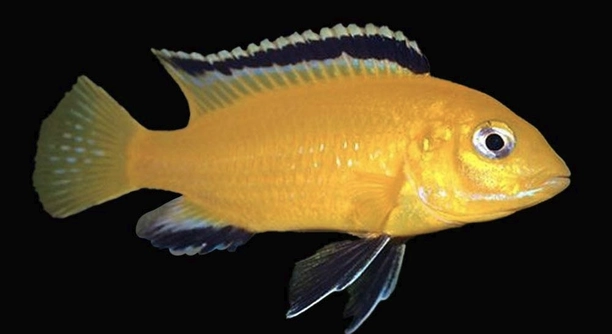
Electric Yellow Cichlids are bright, active fish that bring energy to any aquarium. Many owners enjoy watching them explore their surroundings and interact with each other in a lively, colorful tank environment. Their presence alone can brighten a room.
Electric Yellow Cichlids do not strictly require live plants in their tank. While plants can provide shelter, reduce stress, and improve water quality, these cichlids are hardy and can thrive in a well-maintained, plant-free aquarium.
Adding plants can improve the tank’s appearance and create hiding spots. Observing how cichlids interact with plants offers insight into their natural behavior and habitat preferences.
Benefits of Adding Plants to Your Cichlid Tank
Live plants can offer several advantages for an Electric Yellow Cichlid aquarium. They provide hiding spots for shy or stressed fish, reducing aggression during territorial disputes. Plants also help improve water quality by absorbing nitrates and producing oxygen, contributing to a healthier environment. Additionally, rooted plants can prevent substrate erosion caused by digging behavior. Some cichlids may nibble on certain plants, giving them natural stimulation and keeping them occupied. Floating plants add shade, mimicking the natural lake habitat of cichlids. Even if your fish do not interact directly with the plants, the greenery softens the tank’s appearance, creating a more balanced and pleasing visual display. Choosing hardy species like Anubias or Java Fern ensures plants survive despite occasional digging or nibbling. Overall, incorporating plants can enhance both the well-being of your cichlids and the aesthetic quality of your aquarium, making the tank feel more like a natural habitat.
Adding plants can reduce aggression and provide a calmer, healthier environment for your cichlids, while improving the tank’s overall appearance.
For beginners, it’s important to select easy-to-maintain plants that withstand typical cichlid behavior. Fast-growing species reduce algae growth by competing for nutrients, while hardy plants like Cryptocoryne or Vallisneria can survive in lower light conditions. Plants should be anchored firmly to prevent uprooting, and substrate choice plays a role in root development. Regular trimming keeps plants healthy and prevents overcrowding. Combining tall background plants with shorter foreground varieties creates natural hiding spaces and swimming paths. Even artificial plants can offer similar shelter benefits if live options are not feasible. Monitoring water chemistry and ensuring proper lighting will help plants thrive alongside your cichlids. Incorporating plants does not complicate tank maintenance significantly, but it adds value to the overall ecosystem. The balance between plants, fish, and water conditions can lead to a visually appealing and stable aquarium environment, making care more rewarding over time.
Choosing the Right Plants
Hardy species are best for tanks with digging cichlids. They can survive occasional uprooting or nibbling without dying.
When selecting plants, consider growth rate, lighting requirements, and placement within the tank. Fast-growing plants prevent algae buildup and require minimal attention, while low-light species can survive in shaded areas or under standard aquarium lights. Placement should provide both open swimming spaces and dense hiding spots for shy or territorial fish. Combining different heights and textures creates a more natural setting and reduces stress among cichlids. Some plants, like Java Fern or Anubias, can attach to rocks or driftwood, limiting the risk of being uprooted. Regular monitoring ensures plants remain healthy and do not overtake the tank. By carefully choosing and positioning plants, you can create a balanced environment that supports both the physical and behavioral needs of Electric Yellow Cichlids, making the aquarium a stable and visually pleasing habitat for years.
Plant Maintenance for Electric Yellow Cichlids
Regular care is essential to keep plants healthy. Trim dead leaves, remove algae, and check for uprooted stems to maintain a clean tank environment. Proper maintenance ensures plants continue to benefit both the fish and overall aquarium aesthetics.
Monitoring water parameters helps plants thrive alongside cichlids. Keep nitrate and phosphate levels in check, as excessive nutrients encourage algae growth, which can harm plant health. Ensure lighting is adequate for the plant species, but not too strong to promote unwanted algae blooms. Substrate quality also matters, as nutrient-rich soil supports root development. Inspect plants weekly for signs of decay or stress. Maintaining a balance between fish activity and plant care prevents damage, creating a stable habitat for the cichlids while preserving the visual appeal of the tank.
Fertilization and CO₂ supplementation can improve plant growth but should be carefully managed. Overfertilization may lead to algae problems, while insufficient nutrients can stunt plant development. Floating plants provide shade and reduce light intensity for sensitive species, while anchored plants need occasional trimming to prevent overcrowding. Observing how fish interact with plants allows adjustments in placement or species choice. Maintaining healthy plants not only supports the aquarium ecosystem but also enriches the cichlids’ environment, giving them stimulation, shelter, and a natural setting that mirrors their native habitat. Consistent maintenance promotes long-term success for both plants and fish.
Tank Setup Considerations
Position plants to create hiding spots without restricting swimming areas. Mix tall and short species to achieve a balanced layout that supports fish activity and natural behavior.
Substrate selection is important for rooting plants and preventing uprooting. Sand or fine gravel works well for most cichlids, while nutrient-rich soil supports robust plant growth. Avoid overcrowding the tank, as too many plants can limit swimming space and reduce water circulation, impacting both fish and plant health. Proper filtration ensures water remains clean and oxygenated, benefiting all tank inhabitants. Hardscape elements like rocks or driftwood can be used to anchor plants, offering stability and additional shelter. Regular observation allows adjustments to maintain balance between fish activity and plant survival, creating a functional and visually appealing aquarium setup.
Choosing the Right Lighting
Lighting should match the needs of your plants without stressing the fish. Moderate lighting encourages plant growth and keeps algae under control. A timer helps maintain consistent day-night cycles, supporting both plant health and cichlid behavior.
Avoid overly intense light, which can overheat the tank or trigger excessive algae. Adjust intensity based on plant species and tank size to maintain balance.
Plant Placement Strategies
Place taller plants in the back or corners to create natural hiding spaces. Shorter or foreground plants work well near the front, allowing open swimming areas. Mixing plant heights improves tank aesthetics and reduces territorial stress. Proper spacing ensures water flow and prevents overcrowding.
Hardscape Integration
Using rocks, driftwood, or other structures helps anchor plants and prevents uprooting. Hardscape also adds visual interest and gives cichlids natural hiding spots. Choosing stable pieces reduces the risk of shifting or damaging plants during fish activity.
Observing Fish Behavior
Watch how cichlids interact with plants. Some may dig or nibble occasionally, while others prefer open swimming. Adjust plant types or placement to accommodate natural behavior and maintain tank harmony.
FAQ
Do Electric Yellow Cichlids eat plants?
Some cichlids may nibble on soft or delicate plants, especially if they are hungry or bored. Hardier plants like Anubias, Java Fern, and Cryptocoryne usually withstand occasional nibbling. Observing their behavior helps determine which plants are safe to include in your tank.
Can I use artificial plants instead of live ones?
Yes, artificial plants can provide hiding spots and reduce stress without requiring maintenance or worrying about uprooting. They do not improve water quality or oxygen levels but are a practical option for fish that dig or are aggressive toward live plants.
How many plants should I have in a tank?
The number of plants depends on tank size and fish activity. A balanced mix of tall and short plants with open swimming space works best. Overcrowding can stress the fish, while too few plants reduce hiding spots and visual interest.
Do plants affect water quality for cichlids?
Live plants absorb nitrates and produce oxygen, contributing to cleaner water and a healthier environment. While they are not essential, plants can complement proper filtration and regular water changes, creating a more stable ecosystem in your aquarium.
What lighting is best for planted cichlid tanks?
Moderate lighting is usually sufficient for hardy plants. Too much light can promote algae growth, while too little may stunt plant growth. Using a timer to simulate natural day-night cycles supports both plants and fish.
How do I prevent plants from being uprooted?
Anchoring plants to rocks or driftwood helps prevent digging fish from dislodging them. Using heavier substrates or planting deep-rooted species also reduces the risk of uprooting. Regular observation allows adjustments before damage becomes significant.
Are floating plants safe for Electric Yellow Cichlids?
Floating plants provide shade and reduce light intensity, which can calm stressed fish. They can also absorb excess nutrients, helping control algae. Some cichlids may uproot or nibble on floating plants, so choose species that tolerate occasional interaction.
Do plants reduce aggression in cichlids?
Plants create hiding spots, reducing visibility between territorial fish and lowering stress. Dense planting or strategic placement helps shy individuals avoid constant conflict, while open areas ensure active swimming space for dominant fish.
Can fertilization harm Electric Yellow Cichlids?
Fertilizers must be used carefully to avoid overdosing, which can pollute the water or harm fish. Liquid fertilizers or root tabs designed for aquariums are usually safe in recommended amounts. Monitoring water parameters prevents accidental toxicity.
How often should I trim plants?
Regular trimming prevents overcrowding, removes dead leaves, and keeps plants healthy. Frequency depends on growth rate and species. Slow-growing plants may need trimming every few months, while fast-growing species benefit from monthly maintenance.
Can cichlids thrive without plants?
Yes, these fish are hardy and can live in plant-free tanks if water quality is maintained. However, including plants enhances their environment, provides hiding spaces, reduces stress, and creates a more natural-looking aquarium.
Which plants survive typical cichlid behavior?
Hardy species like Anubias, Java Fern, Vallisneria, and Cryptocoryne withstand nibbling, digging, and general activity. These plants are resilient, require low maintenance, and adapt well to the conditions in a cichlid tank.
Are there risks with overplanting?
Too many plants can limit swimming space, reduce water circulation, and trap detritus, which may affect water quality. Maintaining a balance between plants, open areas, and decorations supports both fish behavior and tank health.
How can I tell if plants are healthy?
Healthy plants have vibrant leaves, firm stems, and consistent growth. Yellowing, holes, or decaying leaves indicate nutrient deficiencies, poor lighting, or excessive algae. Adjusting care practices can restore plant health and maintain a balanced aquarium.
Do live plants need CO₂ supplementation for cichlids?
Most hardy plants suitable for cichlid tanks do not require CO₂ supplementation. CO₂ can enhance growth but is not essential for species like Anubias or Java Fern. Monitor plant health to determine if additional nutrients or CO₂ might help.
How should I clean plants in the tank?
Gently remove algae and debris with a soft brush or cloth. Avoid harsh chemicals or soap, as these are harmful to fish. Regular light cleaning maintains plant health and keeps the tank visually appealing.
Can plants affect breeding behavior?
Dense plants and hiding spots encourage natural breeding behavior by reducing stress and providing secure areas for fry. Plants also protect eggs from being eaten by adults in some species, supporting successful reproduction.
Is it necessary to quarantine plants before adding them?
Yes, quarantining new plants prevents introducing pests, snails, or diseases into the tank. Rinsing plants and soaking them in clean water or mild solutions can reduce unwanted organisms and protect your aquarium’s ecosystem.
How do I choose between fast- and slow-growing plants?
Fast-growing plants absorb nutrients quickly and reduce algae, but need frequent trimming. Slow-growing plants require less maintenance but may be overtaken by algae if nutrient levels are high. Consider your maintenance routine when selecting species.
Can lighting alone sustain plant growth?
Lighting is necessary but not sufficient. Plants also need nutrients, proper substrate, and stable water conditions to thrive. Light without support from these factors may result in slow growth or unhealthy plants.
How do plants impact tank aesthetics?
Plants create depth, texture, and natural hiding spots, enhancing visual appeal. Combining different heights, colors, and textures produces a balanced and lively aquarium environment that highlights the Electric Yellow Cichlids’ bright coloration.
Are there plants to avoid with cichlids?
Delicate or slow-growing plants like mosses or thin-leaved species may be damaged quickly. Avoid species that cannot tolerate digging or nibbling. Selecting hardy plants ensures longevity and reduces frustration when maintaining the tank.
Do plants help control algae?
Yes, healthy plants compete with algae for nutrients and light, reducing its growth. Fast-growing species are especially effective at limiting algae, making maintenance easier and keeping the tank clean and visually appealing.
Can I combine live and artificial plants?
Yes, mixing live and artificial plants provides structure, hiding spots, and aesthetic appeal while reducing maintenance. Artificial plants can fill gaps where live plants are less durable or hard to maintain.
How often should I check plant health?
Weekly observation allows early detection of algae, nutrient deficiencies, or decay. Prompt intervention maintains plant vitality and prevents problems from affecting water quality or fish behavior.
Do plants need special fertilizers for cichlids?
Aquarium-safe fertilizers designed for freshwater plants are sufficient. Avoid products with harmful chemicals or high concentrations that could affect fish. Use root tabs or liquid fertilizers based on plant type and tank size.
Can plants survive if fish uproot them?
Hardy plants with strong roots or those attached to rocks or driftwood can survive occasional digging. Observing fish behavior and repositioning plants as needed helps maintain long-term survival.
What is the best way to introduce plants?
Rinse and inspect plants before adding them to the tank. Plant securely in substrate or attach to hardscape. Gradually acclimate them to lighting and water conditions to reduce stress and encourage growth.
Do plants affect filtration needs?
Plants slightly reduce filtration demand by absorbing nitrates, but proper mechanical and biological filtration remains necessary. A well-balanced system ensures both fish and plants thrive.
Can cichlids thrive in a bare tank with decorations but no plants?
Yes, cichlids are adaptable and can live in tanks with rocks or driftwood alone. However, plants enhance hiding spaces, reduce stress, and improve overall aesthetics, making the aquarium more natural and comfortable for the fish.
Is it okay to remove plants temporarily?
Yes, removing plants for maintenance or rearrangement is safe if handled carefully. Avoid damaging roots or stems and return plants promptly to maintain tank stability and provide continued benefits for the cichlids.
How do I manage plant growth in a small tank?
Choose slow-growing or compact species to prevent overcrowding. Regular trimming and monitoring growth ensures plants do not take over the tank, maintaining open swimming areas for the fish.
Can live plants prevent stress in cichlids?
Yes, plants create shelter and reduce line-of-sight stress between territorial fish. Shy or subordinate cichlids benefit from hiding spots, leading to calmer behavior and healthier interactions.
Are all Electric Yellow Cichlids tolerant of plants?
Most individuals tolerate or interact with plants differently. Some dig frequently, others nibble lightly, and a few leave plants alone. Selecting hardy species and observing behavior allows a customized approach for each tank.
Do I need to adjust water flow for plants?
Plants benefit from gentle, consistent water movement. Strong currents can uproot delicate species or hinder growth, while stagnant areas may accumulate debris. Adjust filter output or positioning to create balanced circulation throughout the tank.
Can plants impact tank temperature?
Plants do not significantly change water temperature but can provide shaded areas that offer slight relief in warmer tanks. Proper lighting and heater placement remain the main factors for stable temperature management.
How do I handle decaying plant matter?
Remove decaying leaves promptly to prevent water quality issues. Decay releases nutrients that can promote algae growth and reduce oxygen levels, affecting both plants and cichlids. Regular inspection keeps the tank clean and balanced.
Do plants help mimic the natural habitat?
Yes, plants provide structure, hiding spots, and visual complexity similar to native lake environments. This encourages natural behaviors and reduces stress, making the tank more comfortable for Electric Yellow Cichlids.
How do I balance plants with fish population?
Ensure enough swimming space for cichlids while providing adequate plant coverage for hiding. A balanced ratio prevents overcrowding, reduces stress, and allows plants to thrive without interference from fish activity.
Are some plants toxic to cichlids?
Most common freshwater aquarium plants are non-toxic. Avoid species with known toxicity or unknown chemical treatments, as these could harm fish. Choosing well-documented, hardy plants ensures safety and tank stability.
Can plants survive seasonal changes in lighting?
Most hardy species adapt to variations in light cycles. Consistency helps growth, but plants like Anubias or Java Fern tolerate occasional shifts, making them ideal for cichlid tanks where lighting adjustments may occur.
Do plants affect oxygen levels at night?
Plants respire at night, consuming oxygen. In a well-aerated tank, this is not an issue, but in small or heavily stocked tanks, additional aeration may help maintain stable oxygen levels for both plants and cichlids.
How do I know if plants are compatible with cichlid behavior?
Observe digging, nibbling, and territorial patterns. Plants that survive these behaviors, like Anubias, Java Fern, or Cryptocoryne, are compatible. Adjust placement or species based on direct observation for long-term success.
Can plants survive in tanks with aggressive cichlids?
Yes, hardy plants attached to hardscape or with strong root systems can survive. Aggressive fish may still cause minor damage, but selecting durable species minimizes loss and maintains a natural tank environment.
How often should I water test when using plants?
Weekly testing of nitrate, phosphate, and general water quality ensures plants and cichlids remain healthy. Regular monitoring allows adjustments in fertilization, lighting, and maintenance practices to maintain a balanced ecosystem.
Do plants influence fish coloration?
Indirectly, yes. Plants reduce stress and provide a natural environment, which can enhance cichlids’ bright yellow coloration. Healthy, calm fish show more vivid colors compared to stressed individuals in barren tanks.
Can plants prevent overfeeding issues?
While plants do not replace proper feeding, they can absorb excess nutrients from leftover food, slightly reducing water pollution. Proper feeding practices remain essential for maintaining water quality and fish health.
Are there seasonal care adjustments for plants in cichlid tanks?
Lighting duration and intensity may vary seasonally. Some plants grow slower in lower light, while algae may increase in warmer months. Adjust trimming, fertilization, and lighting to maintain plant health year-round.
Do plants need pruning during cichlid breeding?
Yes, pruning prevents overcrowding and ensures fry have access to hiding spots. Removing excess growth also improves water flow and prevents decay, supporting both breeding success and overall tank health.
Can plants help reduce ammonia spikes?
Live plants absorb some ammonia and nitrites, supporting filtration. While not a substitute for a proper nitrogen cycle, they contribute to stabilizing water chemistry and maintaining a safer environment for cichlids.
Are all hardscape-anchored plants safe for cichlids?
Most anchored plants like Anubias or Java Fern are safe. Avoid sharp or unstable materials that could injure fish. Proper attachment ensures plants remain in place despite digging or swimming activity.
How do I manage algae with plants present?
Balanced lighting, nutrient control, and regular maintenance reduce algae growth. Fast-growing plants compete for nutrients, limiting algae. Occasional cleaning and trimming maintain plant health while controlling algae effectively.
Do plants help with filtration in heavily stocked tanks?
Plants supplement filtration by absorbing nitrates and some dissolved organics. In heavily stocked tanks, they reduce the burden on mechanical and biological filtration, contributing to water clarity and stability.
Can plants survive sudden water parameter changes?
Hardy species tolerate moderate shifts in pH, hardness, and temperature. Extreme or rapid changes can stress plants, so acclimation and gradual adjustments are recommended to maintain health and longevity.
Do plants encourage natural behavior in Electric Yellow Cichlids?
Yes, plants provide shelter, stimulate foraging, and reduce stress. They encourage exploration, territorial establishment, and breeding behavior, making fish more active and displaying natural patterns consistent with their native habitat.
How do I manage detritus around plants?
Use gentle siphoning or water flow adjustments to prevent buildup. Detritus can promote algae and reduce water quality if left unchecked. Regular cleaning keeps plants healthy and maintains a balanced aquarium environment.
Are there any special considerations for beginner hobbyists?
Start with hardy, low-maintenance plants and monitor fish behavior. Gradually introduce more delicate species once you understand tank dynamics. Simple plant care routines reduce stress for both fish and keeper.
Can plants survive in tanks with strong currents?
Anchored or heavy-rooted plants tolerate moderate currents, but delicate species may struggle. Adjust filter output or position plants in calmer areas to ensure survival and stable growth.
Do plants influence fish feeding habits?
Plants offer hiding spots and simulate a natural environment, which can affect how and when cichlids feed. Fish may explore, forage, or hunt around plants, encouraging natural behavior and activity.
Are all aquarium fertilizers safe for Electric Yellow Cichlids?
Only use fertilizers labeled safe for freshwater fish. Avoid high concentrations of chemicals or untested products. Proper dosing and observation prevent harm to both plants and cichlids.
How long do plants typically last in a cichlid tank?
Hardy species can survive several years with proper care. Longevity depends on fish behavior, maintenance, and water quality. Regular trimming and monitoring extend plant life and maintain tank aesthetics.
Do plants affect tank pH or hardness?
Most plants have minimal impact, but substrate and fertilization can slightly alter pH or hardness. Monitor water chemistry to ensure conditions remain stable for cichlids and plants.
Can plants survive if cichlids dig extensively?
Strong-rooted or anchored plants usually survive digging, though some damage may occur. Observing fish and reinforcing vulnerable plants helps maintain a stable environment.
How do I balance plant density with open swimming space?
Provide dense areas for hiding and open areas for swimming. Mixing plant types and careful placement prevents stress and ensures fish can move freely while enjoying the benefits of plants.
Do plants help in reducing fish stress during tank introductions?
Yes, plants provide hiding spots for new fish, reducing aggression and stress during acclimation. Dense planting supports a smoother integration and minimizes conflict between existing and new inhabitants.
Are there plants that thrive in low-light conditions with cichlids?
Anubias, Java Fern, and Cryptocoryne grow well in low-light tanks. These hardy species survive moderate care, making them suitable for beginners or setups without high-intensity lighting.
How do I prevent plant rot in cichlid tanks?
Ensure proper lighting, avoid overfertilization, and remove decaying leaves. Stable water parameters and adequate substrate reduce the risk of rot and maintain plant health over time.
Can I mix soft- and hard-leaved plants in the same tank?
Yes, but soft-leaved plants may require extra care or be monitored for nibbling. Hard-leaved species provide durability, while soft-leaved plants add variety and aesthetic appeal. Balance helps maintain plant survival and tank harmony.
Do plants affect water movement patterns?
Plants slow water flow locally, creating sheltered areas and microcurrents. This can reduce stress for shy fish while promoting natural swimming patterns and exploration throughout the tank.
How do I handle plant pests or snails in the tank?
Inspect new plants before introduction, manually remove pests, or use fish-safe treatments. Regular maintenance and quarantining prevent infestations and protect both plants and cichlids.
Can plants be propagated in cichlid tanks?
Yes, many hardy species can be propagated by cutting leaves, rhizomes, or runners. Propagation helps maintain plant density and replaces damaged or dying plants without introducing new species.
Do plants contribute to overall fish health?
Indirectly, yes. Plants improve water quality, provide shelter, reduce stress, and encourage natural behaviors, all of which support the physical and mental well-being of Electric Yellow Cichlids.
How often should I rearrange plants?
Only when necessary for growth, maintenance, or aesthetic adjustments. Frequent rearrangement can stress fish and damage roots, so plan carefully before making changes.
Are floating and rooted plants compatible in the same tank?
Yes, they serve different purposes. Floating plants provide shade and nutrient absorption, while rooted plants offer hiding spots and structural depth. Combining both enhances aesthetics and supports natural fish behavior.
Do plants require special substrates in cichlid tanks?
Rooted plants benefit from nutrient-rich or soft substrates for anchoring. Sand or fine gravel works for digging species, while some plants can attach to rocks or driftwood without substrate.
Can plants help in breeding Electric Yellow Cichlids?
Yes, dense plants provide cover for fry and reduce stress for spawning adults. Placement of plants can encourage natural breeding behaviors and increase fry survival rates.
How do I monitor nutrient levels for plants?
Observe plant growth, leaf color, and overall vitality. Supplement nutrients through fertilizers or root tabs when signs of deficiencies appear, ensuring proper balance without harming fish.
Are there signs of plant stress caused by cichlids?
Uprooted roots, torn leaves
Electric Yellow Cichlids are lively fish that can thrive in many types of aquariums, with or without plants. While they do not strictly need live plants to survive, adding greenery offers several benefits. Plants provide hiding spaces, reduce stress, and help maintain water quality by absorbing some waste nutrients. They also create a more natural environment, which can encourage healthy behavior, including exploring, foraging, and establishing territories. Even hardy cichlids that dig or nibble occasionally can coexist with strong, well-anchored plants like Anubias or Java Fern, making a planted tank both functional and visually appealing. For those who want a simpler setup, artificial plants can also provide shelter and structure without the maintenance live plants require.
Maintaining a planted aquarium requires attention but is manageable with consistent care. Regular trimming, removal of dead leaves, and checking for uprooted plants help keep the tank balanced. Lighting and fertilization should be adjusted based on the type of plants in the tank, with hardy species often needing minimal intervention. Observing your fish regularly allows you to understand their behavior and see how they interact with plants. This observation can guide decisions about plant placement, species selection, and density. Even a moderate number of plants can significantly reduce aggression among territorial cichlids by offering private spaces and visual breaks.
Ultimately, choosing to include plants depends on your goals for the tank and the preferences of your fish. Plants can enhance aesthetics, provide environmental enrichment, and support the overall health of your cichlids. Tanks without plants can still be successful if water quality is maintained and decorations are arranged to provide hiding spots. Finding a balance between open swimming areas and planted sections ensures the fish have space to move freely while benefiting from shelter and natural structure. Over time, a well-planted tank can create a healthier, calmer, and more visually interesting environment, improving both the life of the fish and the satisfaction of maintaining the aquarium. Whether you use live plants, artificial plants, or a combination of both, the key is to create a stable and comfortable habitat that meets the needs of your Electric Yellow Cichlids.

Hello,
If you enjoy the content that we create, please consider saying a "Thank You!" by leaving a tip.
Every little bit helps us continue crafting quality advice that supports the health, happiness, and well-being of pets around the world, for pets of all shapes, sizes, and species.
We really appreciate the kindness and support that you show us!