
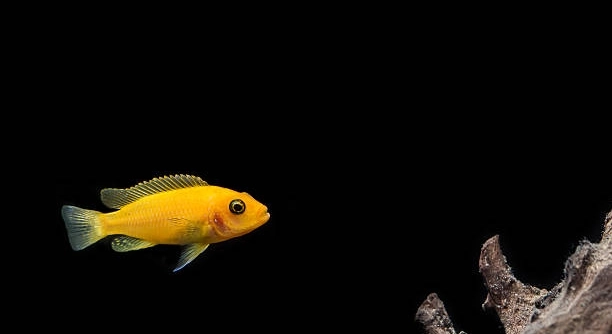
Electric Yellow Cichlids are a vibrant and popular choice for many freshwater aquariums. Their bright colors and active behavior make them a joy to watch, but caring for them alongside other species requires careful planning. Understanding tank dynamics is important.
Electric Yellow Cichlids can coexist with shrimp under specific conditions. Careful selection of tank size, hiding spaces, and monitoring feeding routines are essential to minimize predation and stress, ensuring both species maintain healthy behavior and growth in a shared environment.
Knowing the right approach to combining these species will make your aquarium a more harmonious space for all its inhabitants. Small adjustments can make a significant difference in their interaction.
Understanding Electric Yellow Cichlids’ Behavior
Electric Yellow Cichlids are known for their bright colors and lively personalities. They are territorial, especially in smaller tanks, and can show aggression towards smaller or slower-moving species. Observing their behavior closely helps you determine how they might react to other tank inhabitants like shrimp. Providing hiding spots and plants allows both cichlids and shrimp to feel secure. Feeding routines also play a role; if cichlids are well-fed, they are less likely to target smaller tankmates. Their territorial nature often peaks during breeding periods, so additional precautions are necessary during those times. Tank size is critical—larger tanks reduce conflict and give shrimp space to move freely. The type of substrate and decorations also influence interactions. Smooth rocks and caves help cichlids establish territories without stressing other creatures. Regular monitoring ensures any signs of stress or aggression are addressed promptly, keeping the tank balanced.
Observing interactions daily ensures shrimp are safe and cichlids remain healthy. Adjustments can prevent aggression.
Setting up an aquarium with both species requires planning. Shrimp need areas to hide and feed without disturbance. Using dense plants, moss, and small caves allows them to escape when cichlids explore the tank. Feeding on a schedule reduces hunting instincts. Choosing compatible shrimp species, like larger or faster-moving ones, increases survival. Even with precautions, some shrimp losses are common, so having backups or more hiding spaces can help maintain population. Overcrowding can worsen aggression, so tank population must be carefully managed.
Tank Setup Tips for Coexistence
A well-planned tank reduces stress for both cichlids and shrimp. Appropriate décor and hiding spots are essential.
Tank size is a major factor in coexistence. Electric Yellow Cichlids need ample swimming space to reduce territorial behavior. A minimum 30-gallon tank is recommended when keeping shrimp, though larger tanks are preferable. Dense plants, driftwood, and rock formations provide areas for shrimp to hide. Substrate choice also matters—fine gravel or sand allows shrimp to forage safely. Hiding spots must be distributed throughout the tank to prevent territorial bottlenecks. Filtration and water flow should be balanced; strong currents can stress shrimp, while cichlids benefit from moderate water movement. Lighting should support plant growth without stressing the animals. Regular water changes maintain stable parameters, which reduce aggression and promote overall health. Monitoring temperature, pH, and ammonia levels is crucial for both species. Careful planning and observation allow shrimp to thrive alongside Electric Yellow Cichlids without constant losses or stress.
Feeding Considerations
Electric Yellow Cichlids are omnivores, and their diet affects interactions with shrimp. Well-fed cichlids are less likely to hunt shrimp. Feeding high-quality pellets and occasional live or frozen foods ensures their nutritional needs are met. Consistent feeding reduces aggressive behavior.
Offering food multiple times a day helps keep cichlids occupied. Shrimp need algae wafers or blanched vegetables to supplement their diet. Placing food in different areas allows both species to feed safely. Observing feeding habits helps identify if cichlids are showing signs of stress or targeting shrimp.
Overfeeding can cause water quality issues, so monitoring portions is key. Using feeding rings or targeted drops for shrimp ensures they get enough food without competition. Adjusting feeding routines according to tank activity helps maintain harmony. Small changes in diet can significantly reduce conflicts.
Shrimp Species Compatibility
Some shrimp are more suitable for tanks with Electric Yellow Cichlids. Amano and Ghost shrimp are larger, which reduces predation risk. Smaller species, like Cherry shrimp, are more vulnerable. Selecting resilient shrimp improves survival rates.
Providing dense plants and moss gives shrimp areas to escape. Live plants, such as Java moss or floating plants, create hiding spaces and reduce stress. Rocks and caves near the substrate increase security. Shrimp reproduce more successfully when they feel safe. Observing how shrimp move and hide helps adjust tank décor.
Even with precautions, some losses may occur. Avoid overcrowding and monitor interactions. Adjust hiding spots, feeding areas, and tank layout if aggression appears. Choosing species carefully and maintaining suitable tank conditions gives shrimp the best chance of thriving alongside cichlids.
Tank Maintenance
Regular tank maintenance is crucial for keeping both cichlids and shrimp healthy. Clean water prevents stress and disease. Checking filters, performing partial water changes, and removing uneaten food maintains a stable environment for all inhabitants.
Monitoring water parameters like pH, ammonia, nitrite, and nitrate ensures shrimp and cichlids remain healthy. Sudden changes can trigger aggression or stress.
Hiding Spaces
Shrimp require ample hiding spaces to avoid being harassed by cichlids. Rocks, caves, and dense plants provide security. Without these, shrimp are likely to be stressed or eaten, impacting their health and survival.
Breeding Considerations
Electric Yellow Cichlids become more territorial during breeding. Shrimp hiding spaces should be increased during this time to prevent attacks. Observing tank dynamics carefully helps protect shrimp populations while allowing cichlids to reproduce safely.
Observation and Adjustment
Consistent observation of tank interactions allows quick adjustments. Moving decorations, adding plants, or modifying feeding routines can reduce aggression and improve coexistence between cichlids and shrimp.
FAQ
Can Electric Yellow Cichlids live with shrimp long-term?
Yes, but only under carefully controlled conditions. Tank size, hiding spots, and feeding routines all play a significant role in reducing predation. Larger tanks with dense plants and rocks provide shrimp areas to escape. Monitoring interactions daily ensures both species can coexist safely over time.
Which shrimp species are safest with Electric Yellow Cichlids?
Larger shrimp like Amano or Ghost shrimp are generally safer, as their size makes them less likely to be targeted. Smaller species, such as Cherry shrimp, are more vulnerable and may not survive long in a cichlid tank unless hiding spaces are abundant.
How can I prevent cichlids from eating shrimp?
Providing multiple hiding spots, feeding cichlids consistently, and ensuring the tank is large enough can minimize hunting behavior. Using caves, moss, and plants distributed throughout the tank helps shrimp feel secure while reducing stress for cichlids.
Do breeding cichlids pose a higher risk to shrimp?
Yes, during breeding, Electric Yellow Cichlids become highly territorial. Shrimp are more likely to be attacked during this period. Increasing hiding spaces and separating shrimp temporarily can prevent losses until breeding activity decreases.
What should I feed shrimp in a tank with cichlids?
Shrimp need supplemental foods like algae wafers, blanched vegetables, and small pellets. Placing food in areas away from cichlids allows shrimp to feed safely. Consistent feeding routines help reduce competition and keep both species healthy.
Is tank size important for coexistence?
Absolutely. Smaller tanks increase stress and aggression. A minimum 30-gallon tank is recommended when keeping shrimp with Electric Yellow Cichlids. Larger tanks reduce territorial disputes and give shrimp more space to hide.
How do I know if my shrimp are stressed?
Signs of stress include hiding constantly, reduced movement, and failing to eat. Observing shrimp behavior regularly helps detect issues early. Adjusting tank décor, feeding schedules, or water quality can improve their well-being.
Can water conditions affect coexistence?
Yes, stable water conditions are critical. Fluctuations in pH, ammonia, nitrites, or nitrates can stress cichlids and shrimp alike, increasing aggression and vulnerability. Regular water testing and partial water changes maintain a healthy environment for both species.
Should I add shrimp gradually?
Introducing shrimp gradually helps reduce predation. Adding a few at a time allows them to acclimate and find safe hiding spots. It also gives you a chance to observe how cichlids react before increasing the shrimp population.
What are the signs that coexistence isn’t working?
Frequent shrimp losses, aggressive chasing, and visible stress in shrimp indicate issues. If this occurs, you may need to rearrange hiding spaces, adjust feeding routines, or consider separating species temporarily. Early action prevents long-term stress or population decline.
Can decorations impact survival rates?
Yes, decorations like caves, driftwood, and plants create essential hiding spots. Proper placement throughout the tank allows shrimp to escape predatory behavior. Dense décor also reduces territorial disputes among cichlids, benefiting both species overall.
How often should I monitor interactions?
Daily observation is recommended. Noticing subtle changes in behavior, aggression, or feeding helps you intervene before serious harm occurs. Adjusting the tank layout, adding hiding spaces, or changing feeding practices improves survival and harmony.
Do cichlids ignore shrimp if well-fed?
Proper feeding reduces hunting instincts but does not eliminate them entirely. Shrimp hiding areas remain essential. Even well-fed cichlids may occasionally target shrimp, especially during breeding or territorial displays. Regular monitoring is necessary.
Is it worth keeping shrimp with Electric Yellow Cichlids?
Yes, with planning. Coexistence is possible when tank size, décor, feeding, and monitoring are all managed carefully. It can be rewarding to observe both species thriving, but it requires attention and thoughtful tank management.
This FAQ provides practical guidance for anyone trying to maintain shrimp alongside Electric Yellow Cichlids, highlighting both risks and strategies for a balanced aquarium environment.
Final Thoughts
Keeping Electric Yellow Cichlids with shrimp is possible, but it requires careful planning and attention. These fish are naturally territorial, especially in smaller tanks, and they can see shrimp as potential food. The key to a harmonious setup is providing enough space, hiding spots, and consistent feeding. Larger tanks reduce territorial behavior and give shrimp areas to explore safely. Using plants, moss, rocks, and caves throughout the aquarium creates multiple secure zones. Shrimp feel less threatened when they can hide easily, and cichlids are less likely to focus on them aggressively. Careful monitoring of daily interactions helps identify any stress or aggressive behavior early, allowing adjustments to the tank setup before problems escalate. Tank maintenance is also essential. Regular water changes, checking water parameters, and removing uneaten food reduce stress for all inhabitants. Both cichlids and shrimp thrive in stable conditions, so paying attention to temperature, pH, and ammonia levels ensures a healthy environment.
Feeding routines play a major role in coexistence. Well-fed cichlids are less likely to hunt shrimp, but hiding areas are still necessary, as feeding alone does not eliminate natural predatory instincts. Offering food in multiple locations encourages peaceful interactions and ensures shrimp get enough nutrition. Shrimp also benefit from supplemental foods like algae wafers, blanched vegetables, or small pellets. Observing how both species feed can provide insight into their comfort level. Adjusting feeding times or locations can reduce competition and aggression. Even with the best care, some shrimp losses may occur, especially during cichlid breeding periods, when territorial behavior increases. Planning for this by adding more hiding spaces or temporarily separating shrimp can help maintain their population. Choosing hardy shrimp species, like Amano or Ghost shrimp, increases survival chances, while smaller species, such as Cherry shrimp, require extra protection. By combining proper tank setup, feeding strategies, and careful observation, shrimp can survive and thrive alongside Electric Yellow Cichlids.
Overall, the coexistence of Electric Yellow Cichlids and shrimp demands patience and careful attention to detail. Every tank is unique, so observing behavior and making timely adjustments is essential. Dense plants, rocks, caves, and hiding spots are not optional—they are necessary for the safety of shrimp and to reduce stress on cichlids. A well-maintained tank with proper water quality and regular feeding routines creates a balanced environment where both species can live together. Coexistence may not be perfect, and occasional losses can happen, but with planning, it is possible to have a diverse and visually appealing aquarium. Paying attention to daily behavior, maintaining water parameters, and providing adequate shelter ensures that shrimp can survive and thrive alongside Electric Yellow Cichlids, making the tank a more dynamic and interesting habitat. A thoughtful setup and ongoing care make the difference between constant conflict and a peaceful, functioning aquarium.

Hello,
If you enjoy the content that we create, please consider saying a "Thank You!" by leaving a tip.
Every little bit helps us continue crafting quality advice that supports the health, happiness, and well-being of pets around the world, for pets of all shapes, sizes, and species.
We really appreciate the kindness and support that you show us!