
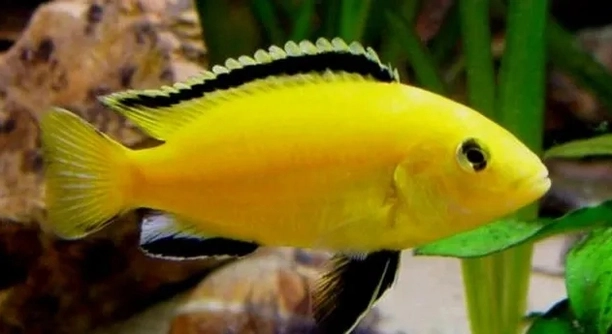
Are your electric yellow cichlids not thriving the way you hoped in your aquarium? Many aquarists face challenges without realizing that simple tank setup mistakes can significantly affect their fish’s health and behavior.
Incorrect tank conditions, including poor water quality, inadequate filtration, overcrowding, and incompatible decor, are the primary reasons electric yellow cichlids experience stress, stunted growth, and disease. Proper attention to habitat design and maintenance is essential for their long-term well-being.
Learning to avoid these setup errors will help your cichlids stay vibrant and active, ensuring a more harmonious and enjoyable aquarium environment.
Overcrowding the Tank
Electric yellow cichlids need space to swim freely and establish territories. Overcrowding can lead to constant stress, aggression, and weakened immune systems. When too many fish are kept in a tank, water quality declines faster, increasing the risk of disease. Providing sufficient space allows each cichlid to claim a small area and reduces conflicts. Decorations and hiding spots can help, but they don’t replace the need for open swimming areas. Observing their behavior can indicate whether your tank is too full. Signs like chasing, fin nipping, or hiding suggest that adjustments are needed. A larger tank or fewer fish can make a significant difference. Balanced stocking also helps maintain stable water parameters, reducing ammonia spikes and other toxins. Planning ahead before adding new fish ensures a healthier environment. Your cichlids will display more natural behaviors and vibrant colors when stress is minimized.
Overcrowded tanks make fish stressed and aggressive, often harming their health and overall behavior.
Reducing the number of fish and providing adequate space allows cichlids to swim freely, establish territories, and interact naturally. Proper tank management supports stable water quality and lessens disease risk, creating a calmer, healthier aquarium environment for all inhabitants.
Poor Water Quality
Maintaining clean water is essential for electric yellow cichlids. Dirty water can quickly lead to stress, fin rot, and illness. Regular water changes, at least 20–30% weekly, help remove waste, excess nutrients, and toxins. Testing water for ammonia, nitrite, nitrate, and pH levels ensures that conditions remain safe. Filtration should match tank size and fish load. Overfeeding and uneaten food contribute to pollution, so feeding small amounts that can be consumed within a few minutes is best. Using a water conditioner removes harmful chemicals like chlorine and chloramine. Observing the fish’s behavior also signals water problems—gasping at the surface or lethargy are common indicators. Keeping a clean, stable environment supports vibrant colors, active swimming, and healthy growth. Water maintenance routines might feel tedious, but they directly impact long-term success and happiness of your cichlids.
Neglecting water changes or testing can quickly harm cichlids’ health.
Consistent monitoring and proper filtration prevent harmful toxin buildup. Maintaining stable pH, temperature, and nutrient levels ensures that electric yellow cichlids remain healthy and active. Small, regular efforts in cleaning and testing support their natural behavior, vibrant colors, and resistance to disease, creating a more enjoyable aquarium.
Inadequate Filtration
A weak filter cannot handle the waste produced by electric yellow cichlids. Poor filtration leads to cloudy water, toxic buildup, and stressed fish. A strong, reliable filter is essential for maintaining water clarity and chemical balance.
Proper filtration removes debris, excess food, and harmful chemicals efficiently. Canister filters, hang-on-back filters, or sponge filters can all work if matched to tank size. A well-maintained filter also supports beneficial bacteria, which break down ammonia and nitrites, keeping the aquarium safe. Neglecting filter maintenance can reduce its efficiency, allowing toxins to accumulate and threaten your cichlids’ health. Cleaning or replacing filter media as recommended ensures continuous water flow and effective filtration, helping maintain a stable, healthy environment.
Electric yellow cichlids thrive in clean water. A strong filter reduces stress, supports immunity, and prevents disease. Choosing the right filter and maintaining it regularly creates a healthier habitat. Balanced filtration also minimizes odors, keeps water clear, and enhances the visual appeal of the tank. A reliable system allows you to focus on other aspects of care, knowing your cichlids’ environment remains safe and stable.
Using Incorrect Substrate
Electric yellow cichlids prefer sandy or fine-grain substrates that mimic their natural habitat. Hard or sharp substrates can injure them and disrupt natural digging behaviors. Avoid using large gravel that can trap waste and complicate cleaning.
Substrate choice affects both water chemistry and fish behavior. Sandy substrates allow cichlids to sift and dig naturally, reducing stress and aggression. They also help prevent sharp injuries to delicate fins and mouths. Some substrates influence pH and hardness, which should match the species’ needs. Regular vacuuming of sand prevents waste buildup without disturbing the tank too much, keeping water parameters stable and the fish healthier over time.
Using the right substrate enhances natural behavior and comfort. Electric yellow cichlids can establish territories, dig safely, and display vibrant colors. A suitable substrate supports easier cleaning, reduces stress, and contributes to a balanced, visually appealing aquarium that promotes the long-term well-being of your fish.
Overdecorating the Tank
Too many decorations limit swimming space and can stress electric yellow cichlids. They need open areas to move freely while still having hiding spots.
Crowded tanks make it hard to maintain water quality. Reducing unnecessary ornaments helps fish establish territories and reduces aggression, creating a calmer environment for everyone.
Ignoring Water Temperature
Electric yellow cichlids require stable water temperatures, ideally between 74–80°F. Fluctuations cause stress, weaken immunity, and can trigger disease. Maintaining a reliable heater and monitoring temperature daily ensures consistent conditions.
Incompatible Tank Mates
Adding aggressive or very different species can harm electric yellow cichlids. Choosing peaceful, similar-sized fish helps maintain harmony.
FAQ
What is the ideal tank size for electric yellow cichlids?
Electric yellow cichlids need enough space to swim and establish territories. A minimum of 55 gallons is recommended for a small group, with larger tanks preferred for more fish. This space reduces aggression, improves water stability, and allows them to display natural behaviors like digging and exploring. Providing open areas with some hiding spots creates a balanced environment where fish can thrive without constant stress.
How often should I change the water?
Regular water changes are crucial to maintain water quality. A 20–30% change weekly is ideal for most tanks. This helps remove waste, uneaten food, and excess nutrients while keeping ammonia and nitrite levels low. Frequent partial changes are better than occasional large changes, as they reduce stress and maintain stable conditions. Always condition new water to remove chlorine or chloramine before adding it to the tank.
Which filter is best for these cichlids?
Strong, reliable filtration is necessary because electric yellow cichlids produce significant waste. Canister filters, hang-on-back filters, or high-capacity sponge filters work well if matched to the tank size. Filtration supports beneficial bacteria that break down harmful substances and ensures clear water. Cleaning and replacing media as recommended maintains efficiency and prevents water quality issues.
What substrate should I use?
Fine sand or smooth, small-grain substrates are ideal. They allow cichlids to dig and sift naturally without injuring their delicate fins or mouths. Avoid sharp gravel or overly large stones, which can trap waste and make cleaning difficult. Sandy substrates also help mimic their natural environment, promoting calmer behavior and better coloration.
How can I prevent aggression?
Aggression often comes from overcrowding or incompatible tank mates. Providing adequate space, hiding spots, and visual barriers helps reduce fights. Avoid introducing aggressive species or significantly larger or smaller fish. Monitoring interactions and rearranging decorations occasionally can help break established territories and reduce conflicts. Maintaining consistent water quality and temperature also keeps stress levels low.
What water parameters are best?
Electric yellow cichlids prefer a pH around 7.8–8.6 and moderate hardness (10–20 dGH). Temperature should remain stable between 74–80°F. Consistent conditions prevent stress and disease. Using a reliable heater, thermometer, and periodic water testing ensures these parameters stay within safe ranges. Small, frequent adjustments are better than drastic changes.
What should I feed them?
A varied diet with high-quality cichlid pellets, occasional frozen or live foods, and vegetables like peas or spinach supports health. Feed small amounts two to three times a day, only what they can consume in a few minutes. Overfeeding pollutes the water and can cause obesity or digestive issues. Maintaining a consistent feeding schedule promotes stable water quality and vibrant coloration.
How can I tell if my cichlids are stressed?
Signs include hiding constantly, fin clamping, loss of appetite, or aggressive chasing. Dull coloration and erratic swimming can also indicate stress. Identifying the cause, such as water quality, overcrowding, or incompatible tank mates, allows timely correction. Stress reduction improves immunity, behavior, and overall health.
Can decorations affect their behavior?
Yes, the number and placement of decorations influence territory and aggression. Open swimming areas with strategically placed hiding spots support natural behavior. Too many ornaments restrict movement and increase stress, while too few leave fish exposed. Balancing decor ensures comfort, reduces aggression, and allows natural digging and exploring.
Is regular tank maintenance really necessary?
Consistent cleaning, filter maintenance, and water testing are essential. Neglecting these tasks leads to toxin buildup, poor water clarity, and increased disease risk. Small, regular maintenance sessions are easier and safer than infrequent, intensive cleaning. Keeping a routine supports healthy, vibrant, and active electric yellow cichlids.
How do I introduce new fish safely?
Acclimate new fish slowly using a drip or float method to equalize temperature and water chemistry. Quarantine new arrivals for at least two weeks to prevent disease introduction. Introduce them carefully, monitoring interactions to prevent aggression. Rearranging tank decor before introduction can reduce territorial disputes.
What is the best lighting setup?
Moderate lighting highlights their bright yellow coloration and supports natural behavior. Avoid overly intense lights, which can stress the fish. A consistent day-night cycle, around 10–12 hours of light daily, helps regulate behavior and appetite. Using timers ensures stability and reduces human error.
How can I reduce algae growth?
Maintaining balanced lighting, proper filtration, and avoiding overfeeding reduces algae. Regular water changes help remove excess nutrients. Adding fast-growing plants or algae-eating species can assist in control. Avoid harsh chemicals that may harm cichlids. Consistency is key to preventing recurring algae issues.
Are hiding spots really necessary?
Yes, caves, rocks, or plants provide security, reduce aggression, and help establish territories. Hiding spots decrease stress during breeding or when fish feel threatened. Balanced placement prevents overcrowding and allows free swimming space. Natural behavior improves with adequate shelter, enhancing health and coloration.
How do I know if my cichlids are healthy?
Healthy fish are active, eat regularly, and display vibrant colors. Clear eyes, intact fins, and smooth scales indicate good health. Watching for changes in behavior, appetite, or appearance helps detect problems early. Immediate action, such as water testing or dietary adjustment, prevents minor issues from becoming serious.
Can I keep other African cichlids with electric yellows?
Yes, but choose species with similar size, temperament, and water requirements. Avoid overly aggressive or much larger species. Monitoring interactions is crucial, as even compatible fish can display territorial behavior. Proper space, hiding spots, and balanced stocking prevent fights and stress.
What are common diseases and how can I prevent them?
Fin rot, ich, and bacterial infections are common when water quality is poor or stress is high. Maintaining stable water parameters, avoiding overcrowding, and quarantining new fish reduces risk. Early detection and prompt treatment improve survival rates and long-term health. Preventive care is more effective than reacting to illness.
How important is a consistent feeding schedule?
Very important. Feeding at the same times daily helps regulate metabolism, prevents overfeeding, and maintains water quality. Skipping meals or irregular feeding can stress fish and reduce immunity. Small, measured portions ensure all fish receive food without excess waste. Consistency improves growth, color, and behavior.
Can electric yellow cichlids be aggressive during breeding?
Yes, breeding pairs become highly territorial and protective of their eggs or fry. Providing separate breeding areas or sufficient hiding spots reduces stress for other fish. Observing their behavior allows you to manage aggression without harming the overall community. Proper preparation supports successful breeding and healthy offspring.
How can I maintain long-term tank stability?
Regular water changes, monitoring parameters, consistent feeding, and filter maintenance are essential. Avoid sudden changes in temperature or chemistry, and provide appropriate tank mates and space. Keeping routines predictable reduces stress and promotes long-term health. Observing fish behavior helps detect early signs of imbalance.
Is it necessary to test water parameters often?
Yes, testing ensures pH, ammonia, nitrite, nitrate, and hardness stay within safe ranges. Regular monitoring helps detect issues before they harm fish. Testing twice weekly or after significant changes in stocking, feeding, or temperature is recommended. Preventive monitoring keeps cichlids healthy and reduces emergency interventions.
How do I handle a sick fish?
Isolate the sick fish in a quarantine tank to prevent spreading disease. Identify symptoms and research treatment options carefully. Adjust water quality, maintain consistent temperature, and follow medication instructions if needed. Early action improves recovery and prevents outbreaks. Maintaining a healthy tank environment reduces the likelihood of illness.
Can I use decorations with sharp edges?
No, sharp edges can injure fins and mouths, especially when digging or during territorial disputes. Smooth rocks, caves, or rounded ornaments are safer and allow natural behaviors without risk of injury. Inspect decorations regularly and remove any that could harm the fish.
What is the best way to clean the substrate?
Use a gravel vacuum or siphon to remove debris without disturbing the sand excessively. Cleaning during water changes prevents buildup of waste and maintains water quality. Avoid deep stirring that can release trapped toxins. Regular, gentle cleaning keeps the tank safe and comfortable for cichlids.
Can I mix juvenile and adult electric yellows?
Yes, but monitor for bullying, as adults may dominate younger fish. Providing plenty of hiding spaces and enough swimming room reduces conflicts. Gradual introduction and careful observation ensure both age groups coexist peacefully. Balanced tank stocking supports healthy growth for all fish.
How do I maintain color vibrancy?
Proper diet, stable water conditions, and reduced stress promote bright yellow coloration. High-quality cichlid pellets, occasional live or frozen foods, and clean water enhance natural pigments. Avoid overcrowding and maintain consistent temperature and pH for the most vivid appearance. Regular observation ensures colors remain vibrant.
Is it safe to leave the tank unattended for a few days?
Short absences are manageable with automated feeders and a reliable filter. Ensure food portions are small to prevent waste buildup. If leaving for longer periods, arrange for someone to check water levels, temperature, and fish behavior. Planning ahead prevents water quality issues and stress.
How do I know if my filter is working properly?
Observe water clarity, flow rate, and sound. A properly functioning filter maintains clear water and consistent movement. Check media regularly for clogging or wear. Reduced flow, unusual noise, or cloudy water signals maintenance is needed. Consistent filtration supports healthy, stress-free cichlids.
Can I keep plants with electric yellow cichlids?
Yes, but choose hardy plants like Anubias or Java fern. Cichlids may dig around roots, so secure plants to rocks or driftwood. Plants provide hiding spots, help with water quality, and reduce stress, but avoid fragile species that can be uprooted easily. Proper placement ensures both fish and plants thrive.
What should I do if aggression escalates suddenly?
Rearranging decor, adding hiding spots, or separating aggressive fish can help. Check for overcrowding, water quality issues, or breeding behavior. Monitoring interactions and taking quick action prevents injury and reduces stress. Maintaining balance in the tank environment minimizes long-term conflicts.
How do I prevent disease from new fish?
Quarantine all new fish for at least two weeks. Observe for signs of illness before adding them to the main tank. Test water conditions and treat any health issues before introduction. This reduces the risk of spreading pathogens and protects existing fish populations.
Are there signs of old age in electric yellow cichlids?
Older cichlids may become less active, eat less, or display duller coloration. Their fins may fray slightly over time. Maintaining proper care, nutrition, and water conditions helps prolong their lifespan. Observing changes allows adjustments to support comfort and health in later years.
How important is tank lighting consistency?
Consistent lighting helps regulate behavior, appetite, and breeding cycles. Sudden changes can stress fish. Using timers ensures a stable day-night cycle, which supports natural rhythms and reduces aggression. Proper lighting also highlights vibrant colors and keeps plants healthy if present.
Can electric yellow cichlids tolerate fluctuations in pH?
They tolerate small fluctuations, but frequent or extreme changes stress fish and affect health. Maintaining a stable pH around 7.8–8.6 is ideal. Sudden shifts can cause disease susceptibility and aggressive behavior. Monitoring and gradual adjustments prevent problems and support long-term well-being.
What do I do if a fish stops eating?
Loss of appetite may indicate stress, illness, or poor water quality. Test parameters, observe for signs of disease, and adjust diet if needed. Isolating the fish for observation and treatment can prevent further issues. Quick intervention improves chances of recovery and prevents spread of illness.
Is it necessary to aerate the tank?
Aeration helps maintain oxygen levels, especially in crowded or heavily stocked tanks. While electric yellow cichlids generate moderate oxygen demand, an air stone or surface agitation improves circulation, reduces stagnation, and supports overall water quality, contributing to healthier, calmer fish.
How do I manage breeding pairs?
Provide separate areas or caves for breeding to reduce aggression toward other fish. Maintain stable water conditions and monitor interactions closely. Proper preparation ensures the safety of both the pair and tank community while supporting successful spawning and fry survival.
What is the typical lifespan of electric yellow cichlids?
With proper care, they can live 8–10 years, sometimes longer. Consistent water quality, proper diet, reduced stress, and attentive tank management contribute to longevity. Monitoring health and behavior throughout their lives ensures they remain active and vibrant.
How do I prevent territorial fights?
Providing ample space, hiding spots, and visual barriers helps reduce disputes. Avoid overcrowding and incompatible tank mates. Regular observation and occasional decor rearrangement break established territories, keeping aggression minimal and creating a more peaceful environment.
Can I mix electric yellow cichlids with other color variants?
Yes, as long as size, temperament, and water requirements are similar. Mixing can add visual interest but may increase competition for territory. Careful monitoring and balanced stocking prevent stress and aggression, ensuring harmony in the tank.
How do I know if my tank is balanced?
Balanced tanks have stable water parameters, active fish, minimal algae, and low aggression. Regular testing, observation, and maintenance help maintain equilibrium. Addressing imbalances quickly prevents long-term issues and promotes a healthy, thriving environment for electric yellow cichlids.
What is the best diet to enhance breeding?
High-quality cichlid pellets, supplemented with protein-rich foods like brine shrimp or bloodworms, support health and reproductive readiness. Maintaining water quality and stable conditions alongside diet ensures successful spawning and fry development. Proper nutrition increases fertility and overall vigor.
How can I prevent fin damage?
Avoid sharp decorations, overcrowding, and aggressive tank mates. Smooth substrate, proper spacing, and consistent water quality help maintain healthy fins. Observing behavior and quickly addressing aggression prevents injuries and promotes a safe environment.
What tank setup encourages natural behavior?
Provide open swimming areas, sandy substrate, hiding spots, and moderate lighting. Stable water parameters and appropriate tank mates allow electric yellow cichlids to dig, explore, and establish territories naturally. A thoughtfully arranged tank supports health, color, and overall well-being.
Can I keep them in a community tank?
Yes, with compatible species of similar size and temperament. Avoid overly aggressive or very small fish. Provide hiding spots and enough space to reduce territorial disputes. Careful selection ensures harmony and prevents stress-related health issues.
How often should I clean decorations?
Clean decorations gently during regular water changes to remove algae and debris. Avoid harsh scrubbing that may release chemicals or damage ornaments. Maintaining clean decor supports water quality and reduces stress on fish. Regular upkeep ensures both aesthetic appeal and a healthy environment.
What is the best way to monitor fish health daily?
Observe swimming patterns, appetite, coloration, and interactions. Look for unusual behavior, clamped fins, or signs of illness. Quick detection allows prompt action, preventing minor problems from becoming serious. Consistent observation is key to maintaining long-term health.
Can I use chemical treatments in a community tank?
Chemical treatments may harm other species. Quarantine sick fish and treat separately whenever possible. If treatment is necessary in the main tank, follow instructions carefully and monitor all inhabitants. Prevention through water quality and quarantine is preferable to chemical intervention.
How do I acclimate new fish properly?
Float the bag to equalize temperature, then gradually mix tank water over 30–60 minutes. Slowly introducing new fish reduces stress and shock. Careful acclimation improves survival, minimizes aggression, and ensures a smooth transition into the established tank.
What should I do if my fish develop white spots?
White spots usually indicate ich, a common parasitic infection. Isolate the affected fish and treat with recommended medication. Raising the water temperature slightly and maintaining clean water helps speed recovery. Prompt action prevents the spread to other tank inhabitants.
Can I use tap water directly?
No, always treat tap water with a conditioner to remove chlorine and chloramine. Testing parameters like pH, hardness, and temperature ensures it is safe for cichlids. Proper preparation prevents stress, illness, and long-term damage.
How do I control nitrate buildup?
Regular water changes, avoiding overfeeding, and maintaining proper filtration reduce nitrates. Fast-growing plants can also absorb excess nutrients. Monitoring nitrate levels ensures they remain within safe limits, protecting fish health and water quality.
Is it okay if my cichlids dig up plants?
Yes, digging is natural behavior. Using hardy plants, securing them to rocks or driftwood, and providing a sandy substrate minimizes damage. Allowing this behavior supports mental stimulation, natural instincts, and reduces stress.
How do I know if breeding was successful?
Observe eggs or fry in protected areas. Healthy fry should feed and grow steadily. Parents may guard the young, indicating a safe environment. Monitoring development ensures intervention if needed, promoting survival and healthy growth.
Can electric yellow cichlids live with Malawi species?
Yes, if size, temperament, and water parameters are compatible. Avoid mixing overly aggressive or very small species. Proper planning, hiding spots, and tank size reduce territorial conflicts and stress.
What is the best way to transport these fish?
Use a sturdy bag with sufficient water and oxygen. Minimize stress by keeping the bag in a stable temperature environment and avoid shaking. Gentle handling and quick transport improve survival and reduce stress-related issues.
How important is water hardness for electric yellow cichlids?
Moderate hardness supports proper biological functions and stress resistance. Keeping hardness between 10–20 dGH promotes health and reproduction. Sudden changes can affect pH and behavior, so monitoring and maintaining stability is essential for long-term well-being.
Can I keep them in a tank smaller than 55 gallons?
Smaller tanks increase aggression and stress, making health and behavior management difficult. While juveniles may tolerate smaller tanks briefly, providing at least 55 gallons is recommended for proper growth, swimming space, and long-term welfare.
How do I manage algae-eating fish in a cichlid tank?
Choose hardy algae eaters that tolerate cichlid behavior, like certain snails or plecos. Ensure sufficient hiding spots and food to reduce competition. Monitor interactions to prevent aggression, balancing algae control with fish safety.
Are there seasonal care differences?
Indoor aquariums usually maintain stable conditions year-round. Monitor temperature carefully during extreme seasonal changes, especially in homes with variable heating or cooling. Adjust heating or filtration if necessary to maintain consistent water quality.
How do I reduce stress during water changes?
Perform gradual changes, avoid sudden temperature shifts, and move decorations minimally. Using a gentle flow and keeping fish in a calm environment reduces stress. Consistent, careful water changes support long-term health and behavior stability.
Can electric yellow cichlids recognize their owners?
They may react
Electric yellow cichlids are lively, colorful fish that can bring energy and beauty to any aquarium. Their care requires attention to several key aspects, including tank size, water quality, filtration, and suitable tank mates. Providing a proper environment helps these fish thrive and display their natural behaviors. Overcrowding, poor water conditions, and incompatible tank mates are some of the main factors that can harm them, so avoiding these mistakes is essential for their well-being. By taking the time to understand their needs, aquarists can enjoy a more stable and harmonious aquarium where the fish remain healthy and active.
Maintaining consistent water parameters, a stable temperature, and a balanced diet supports the long-term health of electric yellow cichlids. Regular water changes, proper filtration, and substrate care prevent toxic buildup and stress. Observing the fish closely allows for early detection of behavioral changes or signs of illness, which can prevent minor issues from becoming serious. Proper tank setup, including adequate space and thoughtful decoration, reduces aggression and provides hiding spots where fish can feel safe. Ensuring these conditions promotes growth, vibrant coloration, and natural behavior, making it easier to care for the fish while minimizing the risk of disease or stress-related problems.
Caring for electric yellow cichlids requires patience, attention, and a willingness to adjust the environment as needed. Understanding their natural habits, preferences, and social dynamics makes it possible to create a healthy and enjoyable aquarium. Regular maintenance, careful selection of tank mates, and proper feeding routines all contribute to a thriving tank. With consistent effort and attention to detail, electric yellow cichlids can live long, healthy lives, providing visual appeal and dynamic interaction in the aquarium. By avoiding common setup mistakes, aquarists can create a sustainable environment that supports the health and happiness of these vibrant fish for years to come.

Hello,
If you enjoy the content that we create, please consider saying a "Thank You!" by leaving a tip.
Every little bit helps us continue crafting quality advice that supports the health, happiness, and well-being of pets around the world, for pets of all shapes, sizes, and species.
We really appreciate the kindness and support that you show us!