
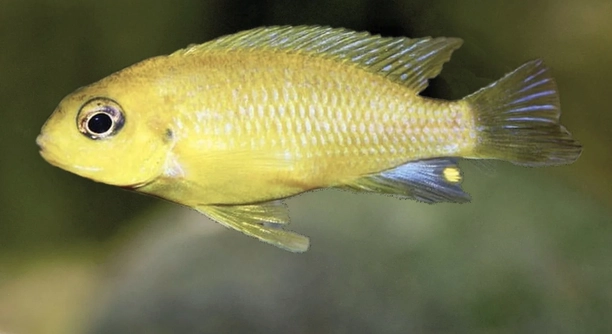
Have you ever noticed your cichlid acting a little different but weren’t sure if it was serious? Many fish owners see small changes in behavior or appearance and wonder if something is wrong.
Unusual signs of illness in cichlids can include changes in swimming patterns, appetite loss, discoloration, abnormal spots, rapid breathing, fin deterioration, or unusual aggression. Early recognition of these signs is crucial to prevent serious health issues and ensure proper treatment.
Recognizing these subtle warning signs can help protect your fish’s health and keep your aquarium thriving for the long term.
Lethargic Behavior
Sometimes my cichlid will just sit at the bottom of the tank, moving very little. Lethargy can signal a problem because healthy cichlids are usually active and explore their environment. If you notice your fish is unusually still or slow, it may be struggling with illness. Lethargy can result from poor water quality, stress, or internal infections. Even slight changes in energy levels are worth observing. Watching your fish over a few days helps you understand what is normal for them. Consistent inactivity is a warning sign that something may be wrong. Adjusting the tank environment and monitoring behavior closely can prevent worsening conditions.
Lethargy often comes with other symptoms like faded colors or loss of appetite, which helps confirm your fish might be sick.
Acting quickly when lethargy appears is important. Check water temperature, pH, and cleanliness. Look for hidden injuries or signs of infection. Sometimes dietary adjustments and reducing stressors in the tank can help your cichlid regain energy. Observing patterns over time ensures timely interventions. Regular water changes and maintaining proper filtration are key steps to support recovery and maintain long-term health.
Loss of Appetite
A sudden refusal to eat can be worrying, especially if your cichlid usually feeds eagerly.
Loss of appetite can indicate internal issues like parasites, digestive problems, or bacterial infections. Stress from tank changes or aggressive tankmates may also play a role.
When your cichlid stops eating, it’s essential to monitor other behaviors and physical signs. Check for bloating, unusual swimming, or spots on the body. Gradually offering different foods like live or frozen options may stimulate interest. Maintaining a stable, calm environment encourages feeding. Avoid overfeeding during recovery, as it can worsen digestive stress. Water quality is especially important; unbalanced parameters can contribute to appetite loss. Observing your fish’s response over several days helps identify the underlying cause. Consulting a vet or aquatic specialist can provide specific treatments if dietary adjustments don’t help. Taking these steps early increases the chance of a full recovery and prevents more severe complications from developing in your cichlid.
Rapid Gill Movement
Rapid gill movement often shows your cichlid is struggling to get enough oxygen. Stress, poor water quality, or infections can make breathing difficult. Watching how your fish moves its gills can help identify problems early.
Noticing rapid gill movement prompted me to check the tank immediately. I measured oxygen levels, temperature, and ammonia levels. Sometimes overcrowding or stagnant water reduces oxygen availability. If gills flap quickly while the fish is otherwise inactive, it often points to environmental stress rather than disease. Ensuring proper aeration and filtration usually helps. Infections can also cause this symptom, so observing other signs like discoloration or mucus buildup is important.
Addressing rapid gill movement involves both environmental adjustments and monitoring for illness. Increasing water circulation, adding an air stone, and maintaining stable temperature can reduce stress. If rapid gill movement persists, closer inspection for parasites, bacterial infections, or other underlying health issues is needed. Early intervention often prevents serious complications, and consistent observation allows you to spot changes before they become critical.
Clamped Fins
Clamped fins occur when a cichlid keeps its fins tight against its body, indicating stress or illness. This behavior is often accompanied by reduced activity or hiding.
When I noticed my fish clamping its fins, I checked water conditions immediately. Poor water quality, sudden temperature changes, or aggressive tankmates can trigger this behavior. Parasites and bacterial infections are also common causes. Clamped fins often appear with other symptoms like color fading or loss of appetite. Monitoring the tank closely and isolating sick fish can prevent the problem from spreading.
Treatment involves restoring a calm environment and improving water quality. Gentle water changes, stable temperature, and removing aggressive tankmates can help the fins recover. In some cases, medication for bacterial or parasitic infections may be necessary. Observing the fins daily allows you to track improvement. Recovery can take several days, but timely action increases the chances of full restoration. Consistent care, proper nutrition, and stress reduction support long-term fin health.
White Spots on Body
White spots on a cichlid’s body are often a sign of parasitic infection, like ich. They usually appear suddenly and can spread quickly if untreated.
Early detection is key. Observing your fish daily helps catch white spots before the infection worsens.
Unusual Swimming Patterns
Erratic swimming, such as darting, spinning, or floating sideways, often indicates stress, swim bladder issues, or internal parasites. When I saw my cichlid struggling to maintain balance, I checked water quality and observed other symptoms. Proper tank maintenance, gentle handling, and sometimes treatment with medication can restore normal swimming over time.
Discoloration
Sudden fading or darkening of your cichlid’s color often reflects stress, poor water conditions, or illness. Monitoring these changes can help address problems before they escalate.
What should I do if my cichlid stops eating?
If your cichlid stops eating, the first step is to check water quality. Poor water conditions are a common reason for appetite loss. Measure temperature, pH, ammonia, nitrite, and nitrate levels. Make sure they are within the recommended range for your cichlid species. Stress from tankmates or recent changes can also affect feeding. Observe for other symptoms like lethargy, clamped fins, or white spots. Sometimes offering a variety of foods, such as live, frozen, or high-quality pellets, can encourage feeding. Avoid overfeeding, as uneaten food can further harm water quality.
How can I tell if my cichlid has an infection?
Signs of infection include rapid gill movement, clamped fins, discoloration, or unusual swimming patterns. White spots, frayed fins, or mucus buildup can also indicate parasitic or bacterial infections. Watch for swelling, bloating, or red streaks along the body. Observing behavior and appearance daily helps detect issues early. Environmental stress, poor water quality, or overcrowding often make fish more vulnerable. Quarantining a sick cichlid can prevent the spread of infection. Treatment usually involves proper water management and, if needed, medication recommended for the specific type of infection.
Can stress cause illness in cichlids?
Yes, stress plays a major role in fish health. Stress weakens the immune system, making cichlids more susceptible to disease. Common stressors include aggressive tankmates, sudden water changes, overcrowding, or improper lighting. Even frequent tapping on the tank or loud noises can affect their well-being. Signs of stress include hiding, clamped fins, faded colors, and loss of appetite. Minimizing stress involves maintaining a stable, clean environment, providing hiding spots, and keeping compatible tankmates. Regular monitoring and gentle handling support the fish’s natural resilience and reduce the chance of illness.
How often should I check my cichlid’s health?
Daily observation is ideal. Watching behavior, swimming patterns, feeding habits, and physical appearance helps catch early warning signs. Take note of subtle changes like faded colors, clamped fins, or slight lethargy. Weekly water tests ensure environmental stability. Keeping a simple journal of observations can help identify patterns or recurring problems. Early detection allows timely intervention, preventing minor issues from becoming serious illnesses. Consistency in observation and maintenance is key to long-term cichlid health.
What steps can prevent illness in cichlids?
Maintaining clean water is essential. Regular water changes, proper filtration, and monitoring temperature and pH keep the tank stable. Providing a balanced diet supports immune health. Avoid overcrowding and choose compatible tankmates to reduce stress. Quarantining new fish for at least two weeks helps prevent introducing diseases. Keeping decorations and substrate clean minimizes harmful bacteria. Observing fish daily allows you to spot unusual behavior or physical changes. Preventative care combined with a stable environment reduces the likelihood of illness and supports vibrant, active cichlids.
When should I seek professional help for a sick cichlid?
If symptoms persist despite water management, dietary adjustments, and stress reduction, professional advice is recommended. Severe or worsening signs like continuous lethargy, extreme discoloration, rapid gill movement, or unhealed injuries require attention. A vet or aquatic specialist can provide specific diagnoses and treatments. Early consultation increases the chance of recovery and prevents complications. Professional guidance is especially important when medication is necessary, as incorrect treatment can worsen conditions. Regular monitoring combined with timely intervention ensures your cichlid’s health and longevity.
Can water changes help my sick cichlid?
Yes, water changes are one of the most effective ways to improve a sick cichlid’s environment. Removing waste, toxins, and excess nutrients reduces stress and supports recovery. Partial changes, about 20-30% weekly, are safer than complete changes, which can shock fish. Always match new water’s temperature and pH to the tank. Using a water conditioner removes chlorine and harmful chemicals. Clean water improves gill function, reduces the risk of secondary infections, and encourages appetite and activity. Combining water management with careful observation maximizes recovery chances.
Are there specific signs that indicate a cichlid is dying?
Extreme lethargy, refusal to eat, rapid gill movement, continuous floating or sinking, and severe discoloration often indicate a critical condition. Open sores, frayed fins, or bloating are also concerning. Observing these signs alongside multiple symptoms helps determine urgency. Immediate action, including isolating the fish, correcting water parameters, and seeking professional treatment, may prevent death. Consistent care, quick response, and monitoring other fish in the tank are essential to prevent further loss. Recognizing these signs early gives the best chance for recovery, even in severe cases.
How can I reduce stress for my cichlid?
Stress reduction involves stable water conditions, proper tank size, and compatible tankmates. Providing hiding spots, plants, or caves gives your cichlid a sense of security. Minimize sudden changes in lighting, temperature, or tank layout. Avoid tapping on the glass or loud noises near the aquarium. Feeding a balanced diet regularly helps maintain overall health. Observing behavior and responding to subtle signs of distress allows adjustments before stress escalates. Consistency, gentle handling, and a calm environment support a healthy, active cichlid, lowering the risk of illness significantly.
Can diet affect my cichlid’s health?
Absolutely. A poor diet weakens the immune system, causing susceptibility to infections. Feed high-quality pellets, supplemented with frozen or live foods for protein and variety. Avoid overfeeding, which can pollute water and lead to digestive problems. Certain vegetables or occasional treats support overall nutrition. Maintaining a balanced, species-appropriate diet ensures proper growth, coloration, and resistance to disease. Observing appetite and adjusting feeding habits based on behavior and health is important. A well-fed cichlid is more resilient, active, and better able to recover from stress or illness.
Is quarantine necessary for new fish?
Quarantining new fish prevents introducing disease into an established tank. Place newcomers in a separate tank for at least two weeks, monitoring for symptoms like spots, clamped fins, or unusual swimming. Treating any illness during quarantine avoids contamination of your main aquarium. Quarantine also reduces stress from aggressive or territorial interactions. Observing eating habits, behavior, and overall appearance during this period ensures only healthy fish join the main tank. This step protects both new and existing cichlids, maintaining a stable, disease-free environment.
How do I know if water quality is affecting my fish?
Signs of poor water quality include rapid gill movement, clamped fins, fading color, and lethargy. Frequent illness or loss of appetite often points to chemical imbalances. Regular testing of ammonia, nitrite, nitrate, pH, and temperature helps maintain stable conditions. Correcting imbalances through partial water changes, filtration, and careful monitoring prevents stress and disease. Consistent observation of fish behavior in combination with water tests allows early detection of environmental issues. Maintaining clean water is one of the most important factors for long-term cichlid health and vitality.
What medications are safe for treating cichlid illnesses?
Medications should be specific to the type of illness, such as antiparasitic treatments for ich or antibiotics for bacterial infections. Over-the-counter fish medicines are commonly used, but following dosage instructions carefully is essential. Isolate sick fish when treating to avoid affecting the entire tank unless the product is safe for all inhabitants. Monitor the fish closely during treatment, checking for improvements or adverse reactions. Supporting recovery with clean water, proper diet, and stress reduction enhances the effectiveness of medications. Consulting a vet or aquatic specialist ensures safe and appropriate treatment.
Caring for cichlids can be rewarding, but it requires careful attention to their health and environment. Even small changes in behavior or appearance can indicate that something is wrong. Observing your fish daily helps you notice unusual signs early. Symptoms like lethargy, loss of appetite, rapid gill movement, clamped fins, white spots, unusual swimming patterns, or changes in coloration are all important to monitor. Each sign provides information about your cichlid’s well-being and can help you take appropriate action before a minor issue turns into a serious health problem. Paying attention to these details can make a significant difference in the long-term health of your fish.
Maintaining clean water and a stable environment is one of the most effective ways to prevent illness. Regular water changes, proper filtration, and consistent monitoring of temperature and pH levels reduce stress and create optimal living conditions for your cichlid. Stress from overcrowding, aggressive tankmates, sudden changes, or poor water quality can weaken their immune system, making them more prone to disease. Providing hiding spots, plants, or decorations can also help your cichlids feel secure, further reducing stress. A balanced diet is equally important, as proper nutrition strengthens immunity, supports growth, and helps maintain vibrant coloration. Combining these environmental and dietary measures builds a strong foundation for healthy, active fish.
Early intervention is key when you notice signs of illness. Observing symptoms carefully and acting quickly can prevent complications and increase the chance of full recovery. In some cases, adjustments to water conditions, dietary changes, or stress reduction may be enough to restore health. Other times, medication or professional guidance may be necessary to treat infections or parasites effectively. Keeping a close eye on behavior, swimming patterns, and physical changes helps you track improvements and detect new problems promptly. Consistency in care, patience, and attention to detail are essential. By staying vigilant and providing a stable, supportive environment, you can help your cichlids live longer, healthier lives while enjoying their unique behaviors and personalities in your aquarium.

Hello,
If you enjoy the content that we create, please consider saying a "Thank You!" by leaving a tip.
Every little bit helps us continue crafting quality advice that supports the health, happiness, and well-being of pets around the world, for pets of all shapes, sizes, and species.
We really appreciate the kindness and support that you show us!