
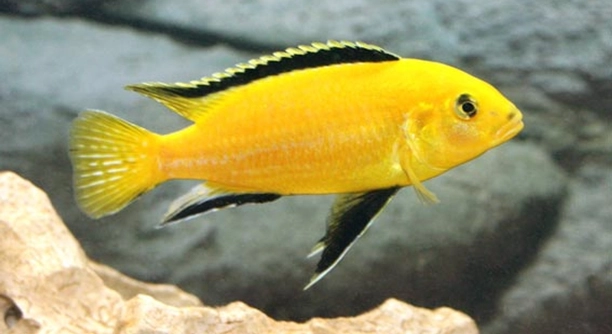
Is your electric yellow cichlid spending most of its time at the bottom of the tank? This behavior can be worrying for many aquarium owners who want their fish to be active and healthy. It may signal environmental or health concerns.
Electric yellow cichlids staying at the bottom often indicate stress, poor water quality, improper tank conditions, or illness. Ensuring proper temperature, clean water, appropriate diet, and adequate hiding spaces can help restore natural swimming patterns and overall well-being.
Understanding why your cichlid prefers the bottom will help you create a more comfortable environment and support its long-term health and activity.
Common Environmental Issues
Water quality is one of the most important factors affecting your electric yellow cichlid. Poor water conditions, such as high ammonia, nitrite, or nitrate levels, can make your fish stressed and lethargic. Temperature fluctuations can also cause discomfort, especially if the tank water is too cold or too warm. Additionally, a lack of hiding spaces or overcrowding can make your cichlid feel unsafe, prompting it to stay at the bottom. Regular water testing, partial water changes, and maintaining a stable temperature can prevent these issues. Using a reliable heater and filter ensures consistent conditions. Adding rocks, plants, or decorations gives your fish places to explore and feel secure. Overfeeding can also reduce water quality, so controlling portions is essential. Observing your fish’s behavior daily helps detect subtle changes before they become serious problems. Small adjustments in the tank environment often result in improved activity and healthier swimming patterns.
Maintaining clean, stable water and providing proper tank setup significantly reduces stress and encourages natural movement in electric yellow cichlids.
Even minor changes in water parameters can greatly affect your cichlid’s comfort. Consistent monitoring and thoughtful tank management create a healthier environment, promoting activity and preventing prolonged bottom-dwelling behavior. Proper lighting, gentle filtration, and adequate space help the fish feel secure, while reducing stress-related health issues. Overcrowding should be avoided, and compatible tank mates can prevent aggressive interactions that drive your cichlid to stay low. Routine observation allows you to notice behavioral shifts early. By addressing these factors, your electric yellow cichlid can regain its energy, explore more of the tank, and display natural swimming patterns. Balancing diet, water quality, and habitat complexity is key to long-term health and a happier, more active fish. Consistency is vital, as sudden changes can increase anxiety. With patience and care, your cichlid’s bottom-dwelling habits can be corrected, creating a lively and visually appealing aquarium.
Health and Stress Factors
Stress and illness often affect bottom-dwelling behavior.
Parasites, bacterial infections, or internal issues can make your cichlid weak or uncomfortable. Stress from sudden changes, aggressive tank mates, or poor diet can exacerbate these problems. Observing physical signs and behavior helps identify underlying issues.
Illness can reduce appetite, change color, and slow movement, making your fish stay at the bottom. Stress may cause similar symptoms, including hiding and lethargy. Quarantining new fish before introducing them, maintaining proper nutrition, and reducing sudden environmental changes help prevent health problems. Infections may require medicated treatments, while internal parasites need specific care. Even minor stressors, like loud noise or frequent handling, can impact behavior. Healthy cichlids are usually active and swim at various tank levels. Paying attention to subtle changes ensures early intervention, reducing the risk of serious illness. Combining preventive measures with careful observation supports a resilient, active fish that enjoys its environment and exhibits natural behaviors.
Diet and Feeding Habits
Improper feeding can make your electric yellow cichlid stay at the bottom. Overfeeding leads to poor water quality, while underfeeding leaves your fish low on energy. A balanced, consistent diet is essential to keep them active and healthy.
Feeding your cichlid the right type of food supports energy levels and overall health. High-quality flakes or pellets designed for cichlids provide essential nutrients. Occasional treats like frozen or live foods add variety and enrichment. Avoid overfeeding, as leftover food decomposes and harms water quality. Feeding small portions multiple times a day ensures your fish consumes what it needs. Observing how quickly your cichlid eats helps adjust portions. Proper feeding encourages swimming activity, reduces stress, and improves immune function, keeping your fish bright and active.
Timing and portion control are critical for maintaining energy and interest in swimming. Sudden changes in diet or skipping meals can make your cichlid lethargic. Consistency in feeding routines helps reinforce healthy behavior. Offering a mix of protein-rich foods and plant-based options ensures a complete diet. Watching how your fish interacts with its food can indicate health issues early. A hungry but inactive cichlid may signal illness, stress, or environmental problems. Maintaining a stable feeding schedule, with careful observation of responses, keeps your cichlid energized, engaged, and more likely to explore all levels of the tank.
Tank Setup and Space
Tank size and layout affect your cichlid’s behavior. Limited space or poor decorations can make your fish feel insecure and stay at the bottom.
A well-designed tank with enough room allows electric yellow cichlids to swim freely and explore. Rocks, plants, and hiding spots reduce stress and create vertical layers for activity. In smaller tanks, territorial disputes may occur, causing fish to retreat to the bottom. Proper filtration and circulation ensure clean water and oxygenation throughout the tank. Lighting should mimic natural conditions without causing sudden stress. Observing your cichlid’s interactions with tank features helps identify if adjustments are needed. Balancing open swimming areas with hiding spaces encourages confident, active behavior.
Maintaining an adequate tank environment requires attention to both size and structure. Crowded tanks increase competition for space, making fish retreat to the bottom. Vertical structures and caves provide safe zones while encouraging exploration. Consistent water flow and temperature help maintain comfort and reduce stress. Regular cleaning and monitoring of tank conditions prevent buildup of harmful compounds. Choosing compatible tank mates minimizes aggression, promoting more active swimming. Strategic placement of decorations and plants allows natural territorial and social behaviors to develop. By optimizing tank design, your electric yellow cichlid gains confidence to use all areas, supporting both mental and physical well-being.
Water Temperature and Conditions
Electric yellow cichlids are sensitive to temperature changes. Water that is too cold or fluctuates often can cause them to stay at the bottom, conserving energy and avoiding stress.
Maintaining a stable temperature between 74°F and 82°F helps your cichlid stay active. Use a reliable heater and thermometer to prevent sudden drops or rises. Sudden changes in pH or hardness can also affect comfort. Monitoring water parameters regularly ensures the environment remains suitable. Proper aeration and filtration keep oxygen levels steady, reducing lethargy. When conditions are consistent, cichlids feel secure and are more likely to swim throughout the tank, displaying natural behaviors and bright coloration.
Observing Behavioral Changes
Noticing subtle changes in swimming patterns, appetite, or coloration can help detect problems early.
Aggression and Tank Mates
Aggressive tank mates often drive electric yellow cichlids to the bottom to avoid conflicts. Stress from bullying or territorial disputes can make your fish hide, remain inactive, or lose appetite. Keeping compatible species reduces tension and encourages normal swimming behavior.
Lighting and Day-Night Cycles
Proper lighting supports regular activity levels and natural behavior. Inconsistent or overly bright lights may stress your cichlid, making it stay at the bottom. Mimicking natural day-night cycles promotes movement and overall well-being.
FAQ
Why is my electric yellow cichlid staying at the bottom of the tank?
This behavior often signals stress, illness, or environmental issues. Poor water quality, sudden temperature changes, overcrowding, or aggressive tank mates can make your fish feel unsafe. Bottom-dwelling is a natural response to discomfort, conserving energy while avoiding potential threats in the tank.
How can I improve my cichlid’s activity?
Start by checking water parameters, including temperature, pH, ammonia, nitrite, and nitrate levels. Ensure the tank is large enough, well-decorated, and has hiding spaces. Maintain a consistent feeding routine with high-quality food. Monitoring behavior daily allows you to spot early signs of stress or illness.
Could diet affect bottom-dwelling behavior?
Yes. Overfeeding can pollute the water, while underfeeding reduces energy, making your cichlid less active. Balanced meals, including high-quality pellets or flakes with occasional live or frozen food, help maintain energy and encourage swimming throughout the tank. Small, frequent feedings prevent overeating.
Are temperature fluctuations harmful?
Electric yellow cichlids are sensitive to sudden changes. Water that is too cold slows metabolism, while overly warm water increases stress. A stable range of 74°F to 82°F is ideal. Use a reliable heater and thermometer to keep conditions consistent, ensuring your fish remains active and healthy.
Can tank mates cause this behavior?
Aggressive or territorial fish often drive cichlids to the bottom for safety. Keeping compatible species and providing sufficient hiding spaces minimizes stress. Observe interactions to identify troublemakers and separate if necessary. Proper space and compatible mates encourage confident swimming and reduce prolonged hiding.
How do I know if my cichlid is sick?
Signs include lethargy, faded coloration, clamped fins, loss of appetite, or abnormal swimming. Parasites, bacterial infections, or internal issues may be responsible. Quarantining new fish, maintaining water quality, and observing daily behaviors helps catch illness early for timely treatment.
Does lighting affect behavior?
Yes. Inconsistent or overly bright lighting can stress cichlids, causing them to stay low. Mimicking natural day-night cycles encourages normal swimming patterns. Soft, gradual lighting changes help fish adjust and remain active throughout the tank.
How often should I clean the tank?
Regular maintenance is essential. Partial water changes every one to two weeks, along with substrate cleaning and filter checks, prevent waste buildup. Clean water reduces stress, supports immune function, and encourages swimming at all levels, keeping your cichlid energetic and healthy.
Can stress from handling or environment changes affect them?
Yes. Frequent disturbances, loud noises, or sudden tank rearrangements can increase stress, causing bottom-dwelling behavior. Minimizing unnecessary handling and maintaining a stable environment helps your cichlid feel secure, promoting natural activity and healthier behavior patterns.
Is bottom-dwelling always a problem?
Not necessarily. Electric yellow cichlids may rest at the bottom occasionally. Persistent bottom-dwelling, especially with other symptoms like reduced appetite or fading colors, indicates an underlying issue that should be addressed promptly. Observing patterns over time helps distinguish normal behavior from stress or illness.
How can I encourage my cichlid to explore more of the tank?
Ensure proper water quality, balanced diet, stable temperature, and compatible tank mates. Add vertical structures and hiding spaces to create layers. Gradual lighting changes and routine observation encourage confidence. A well-maintained, enriched environment promotes natural swimming and reduces prolonged bottom-dwelling.
What are the long-term risks of ignoring bottom-dwelling behavior?
Persistent stress, illness, or poor environmental conditions can weaken the immune system, reduce lifespan, and increase susceptibility to disease. Addressing issues early ensures your cichlid remains active, healthy, and displays normal behavior throughout the tank, supporting overall well-being.
Can I prevent bottom-dwelling behavior in new cichlids?
Yes. Quarantine new fish, maintain stable water conditions, provide hiding spaces, and monitor interactions with tank mates. A gradual introduction to the tank environment reduces stress and encourages confident exploration, preventing prolonged bottom-dwelling from the start.
Electric yellow cichlids are beautiful and active fish, but spending too much time at the bottom of the tank can signal underlying problems. This behavior is often linked to stress, poor water conditions, improper diet, or conflicts with tank mates. Understanding why your fish behaves this way is important for ensuring it stays healthy and energetic. By carefully observing your cichlid and maintaining consistent tank conditions, you can address many of the common issues that cause bottom-dwelling. Consistency in care is key, as sudden changes in water quality, temperature, or feeding routines can increase stress and worsen the problem.
Proper tank setup and environmental conditions play a major role in encouraging your electric yellow cichlid to swim throughout all levels of the aquarium. Providing adequate space, hiding spots, and vertical structures helps your fish feel safe while exploring. Water quality must be maintained through regular testing, partial water changes, and proper filtration to prevent the accumulation of harmful chemicals. Temperature stability is equally important, with the ideal range between 74°F and 82°F. A consistent lighting schedule that mimics natural day-night cycles supports activity and reduces stress. All of these factors work together to create an environment where your cichlid feels secure and motivated to swim, feed, and interact naturally.
Feeding and diet are also essential for keeping your cichlid active. Offering a balanced diet of high-quality pellets or flakes with occasional live or frozen foods ensures proper nutrition. Small, frequent feedings help prevent overeating and water contamination, while keeping your fish energized. Observing your cichlid’s behavior can reveal early signs of illness, stress, or dietary issues. Addressing these concerns promptly improves overall health and prevents prolonged bottom-dwelling habits. Combining careful observation, proper feeding, stable water conditions, and a thoughtfully arranged tank creates a healthy environment that supports your cichlid’s well-being and natural behavior. Over time, these consistent practices allow your electric yellow cichlid to thrive, enjoy all areas of the tank, and display its vibrant colors and lively personality.

Hello,
If you enjoy the content that we create, please consider saying a "Thank You!" by leaving a tip.
Every little bit helps us continue crafting quality advice that supports the health, happiness, and well-being of pets around the world, for pets of all shapes, sizes, and species.
We really appreciate the kindness and support that you show us!